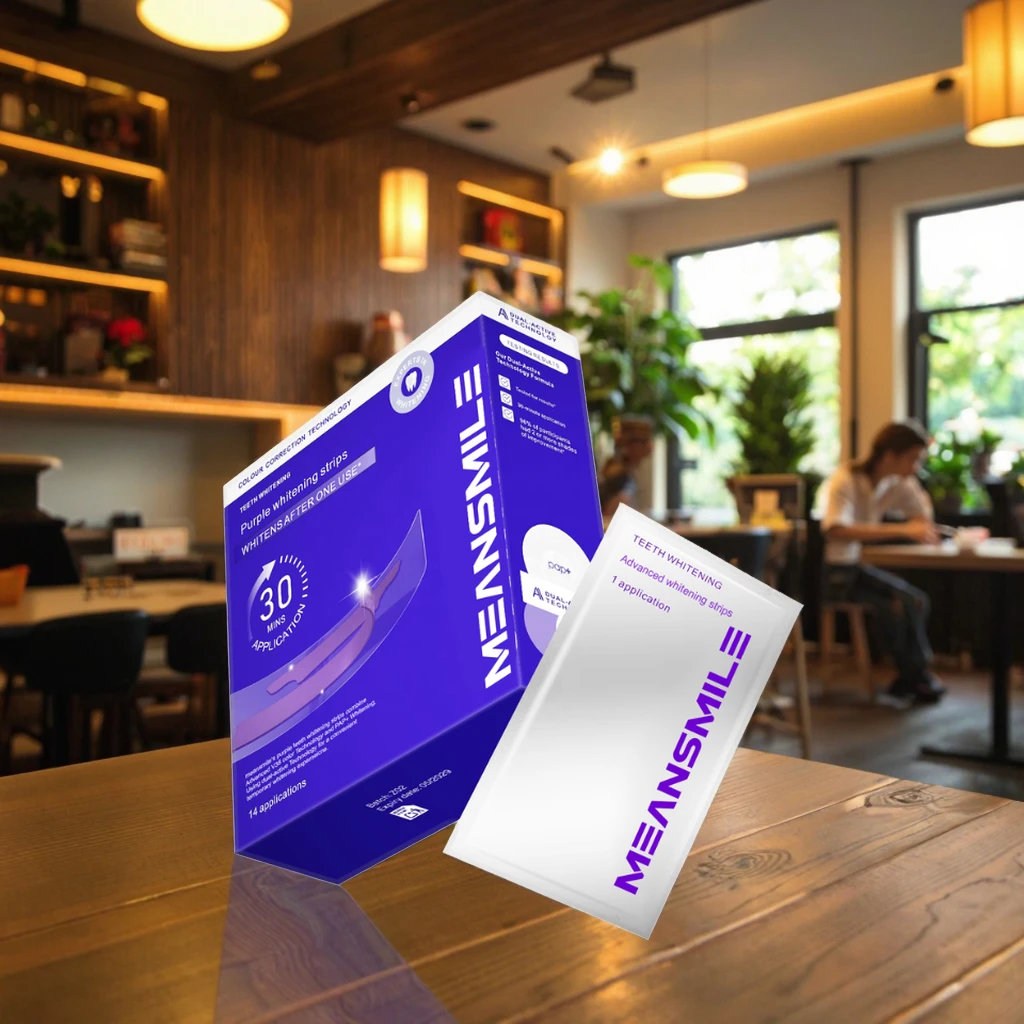
Non-peroxide whitening strips can effectively reduce surface-level extrinsic dental stains, but their mechanism and clinical efficacy differ significantly from hydrogen or carbamide peroxide-based products. These alternatives typically utilize ingredients like phthalimidoperoxycaproic acid (PAP), sodium bicarbonate, or activated charcoal to brighten teeth, offering a milder experience for individuals with tooth sensitivity while requiring a different set of expectations regarding total shade change.
Understanding the Mechanics of Tooth Discoloration
To evaluate the effectiveness of any whitening agent, one must first distinguish between extrinsic and intrinsic tooth stains. Extrinsic stains reside on the pellicle, a thin film of protein that naturally forms on the tooth surface. These are primarily caused by chromogenic agents found in coffee, tea, red wine, and tobacco. Intrinsic stains, conversely, are embedded deep within the dentin layer of the tooth, often resulting from trauma, certain medications, or fluorosis.
Peroxide-based strips function as oxidizing agents. Hydrogen peroxide breaks down into free radicals—unstable molecules that penetrate the enamel and dentin to chemically break apart the pigment molecules that cause intrinsic discoloration. Because non-peroxide strips do not initiate this chemical oxidation process to the same degree, their primary utility lies in targeting extrinsic buildup and mild surface oxidation.
The Role of PAP (Phthalimidoperoxycaproic Acid)
In the modern landscape of dental aesthetics, PAP has become the industry-standard alternative for peroxide-free whitening. Unlike peroxide, which releases oxygen radicals that can temporarily weaken the tooth structure or cause pulp irritation, PAP is a synthetic organic peroxyacid designed to oxidize stain molecules safely.
The efficacy of PAP hinges on its specific molecular structure. It is designed to act on the conjugated double bonds of tooth-staining chromogens. When applied via a strip, PAP targets the surface pigments directly. Clinical observations suggest that while PAP does not achieve the same "bleaching" depth as high-concentration hydrogen peroxide, it is highly effective at lifting surface stains without the common side effects of gum irritation or temporary enamel demineralization.
Comparison of Whitening Technologies
When considering the effectiveness of whitening strips, the following table summarizes the operational differences between standard agents and non-peroxide alternatives available in 2026.
| Feature | Hydrogen Peroxide | PAP (Non-Peroxide) | Sodium Bicarbonate |
|---|---|---|---|
| Primary Mechanism | Deep Oxidation | Surface Oxidation | Mild Abrasion |
| Efficacy Level | High (Deep Stains) | Moderate (Surface) | Low (Surface Only) |
| Sensitivity Risk | High | Low | Very Low |
| Enamel Safety | Risk of demineralization | Generally safe | Abrasion risk if overused |
| Typical Outcome | 3–6 shades lighter | 1–3 shades brighter | Surface polish only |
Limitations of Non-Peroxide Strips
The primary limitation of non-peroxide whitening strips is their inability to penetrate the enamel-dentin complex with the same intensity as peroxide. If your discoloration is primarily intrinsic—meaning your natural tooth color is yellow or gray regardless of your diet—these strips may provide only marginal aesthetic improvement.
Furthermore, non-peroxide strips often require longer or more frequent application periods to achieve visible results. Because they lack the aggressive reactive capacity of peroxide, the "whitening" effect is cumulative. Users often notice a "brightening" rather than a true "bleaching." If a product claims to whiten teeth "without sensitivity," it is almost certainly using a milder alternative to peroxide, which necessitates a trade-off in speed and intensity of results.
Requirements for Success: Prep and Application
Effectiveness is not solely dependent on the product; it is heavily influenced by user compliance and oral health status. Before initiating any home whitening regimen, it is essential to ensure that your teeth are free of decay and that your gums are healthy. Whitening agents, regardless of their peroxide content, can cause localized pain if applied to open cavities or exposed root surfaces.
- Professional Cleaning: Always start with a professional dental cleaning. Whitening strips are designed to contact the enamel; if the tooth surface is covered in plaque or tartar, the strip will not make effective contact, leading to uneven results.
- Moisture Control: Ensure your teeth are relatively dry before application. Saliva is the primary enemy of strip adhesion. A light pass with a clean tissue over the teeth can improve the contact time of the active ingredients.
- Continuous Usage: Follow the manufacturer’s instructions regarding duration. Many users make the mistake of removing the strips prematurely because they do not see an immediate transformation. Non-peroxide products require consistent, full-duration contact to be effective.
Safety Considerations and Professional Oversight
While non-peroxide whitening strips are generally considered safer for the soft tissues of the mouth, "safe" does not imply "risk-free." Over-reliance on any whitening product can lead to gum irritation if the strips are positioned incorrectly.
If you have restorative work, such as composite fillings, dental crowns, or porcelain veneers, it is important to note that these materials do not respond to whitening agents in the same way as natural enamel. These materials are color-stable; if your natural teeth brighten, your restorations may appear darker by comparison, leading to an inconsistent smile aesthetic. If you have significant dental work, consult your dentist before beginning a whitening routine.
Addressing Sensitivity
For individuals who have abandoned traditional whitening due to sharp pain, non-peroxide strips are a viable, effective alternative. Sensitivity in the context of whitening occurs when peroxide reaches the pulp chamber, triggering a nerve response. Because non-peroxide strips do not induce this deep-tissue oxygenation, they are far less likely to cause the "zingers" associated with standard kits. If you experience minor discomfort, it is often due to the physical plastic of the strip irritating the gingiva, rather than a chemical reaction with the tooth nerve.
Frequently Asked Questions
Are non-peroxide strips permanent? No whitening treatment is permanent. The longevity of the results depends entirely on your lifestyle, specifically the consumption of staining foods and beverages like coffee, tea, and soda. Results generally last three to six months before a maintenance cycle is required.
How quickly will I see results with non-peroxide strips? Most users report a visible difference within 7 to 14 days of consistent daily use. Unlike peroxide, which can sometimes produce results in a single session, non-peroxide methods work incrementally as the active ingredients continue to break down surface proteins.
Can these strips damage my enamel? When used according to the manufacturer's guidelines, they do not damage the enamel. However, they should not be used as a replacement for daily brushing and flossing. They are a cosmetic supplement, not an oral hygiene necessity.
Do non-peroxide strips work on coffee stains? Yes, they are particularly effective at removing extrinsic, or surface-level, stains caused by coffee, tea, and tobacco. They lift the pigment from the protein pellicle on the tooth surface effectively.
Is it safe to use these if I have sensitive teeth? Yes, non-peroxide strips are widely considered the safest option for those with sensitive teeth. Because they avoid the aggressive chemical oxidation of the dentin, the likelihood of triggering nerve sensitivity is significantly lower than with peroxide-based products.
Strategic Recommendation for Use
If your goal is to brighten a smile that has lost its luster due to lifestyle habits, non-peroxide whitening strips are a clinically valid and effective solution. However, if you are looking for a dramatic, professional-grade transformation of dark or heavily stained teeth, these strips may not meet your expectations.
For the best results, evaluate the current color of your teeth. If they are already relatively bright and you simply want to maintain that brightness or remove recent surface buildup, utilize a high-quality PAP-based strip. If you have deep-set, long-term discoloration, consult a dental professional to discuss whether a combination of professional treatment and at-home maintenance is a better long-term investment for your specific dental profile. Always verify that your chosen product has undergone independent safety testing to ensure that the ingredients used for whitening are appropriate for oral mucosa exposure.