Oil prices in 2026 are subject to a complex interplay between stabilizing global demand, disciplined production quotas from OPEC+, and the accelerating transition toward renewable energy sources. While short-term volatility persists due to geopolitical tensions and weather-related disruptions, the long-term trend suggests a potential plateau or moderate increase driven by sustained demand in developing economies.
The Macroeconomic Landscape of Energy Markets
To understand whether oil prices are expected to rise, one must first recognize that crude oil remains the primary energy commodity driving global industrial production and transportation. As of 2026, the global market is no longer dictated by a single factor but rather a triangulation of supply-side management, geopolitical risk premiums, and the structural shift toward electrification.
The primary driver of price uncertainty in 2026 is the divergence between advanced economies and emerging markets. In nations with mature infrastructure, the increased adoption of electric vehicles (EVs) and energy efficiency mandates has led to a deceleration in refined product consumption. Conversely, emerging markets continue to show robust demand for petroleum-based fuels to power infrastructure development and middle-class expansion. Analysts from organizations such as the International Energy Agency (IEA) observe that this "bifurcation of demand" prevents the commodity from entering a terminal decline, keeping price floors relatively high.
OPEC+ Production Strategy and Market Control
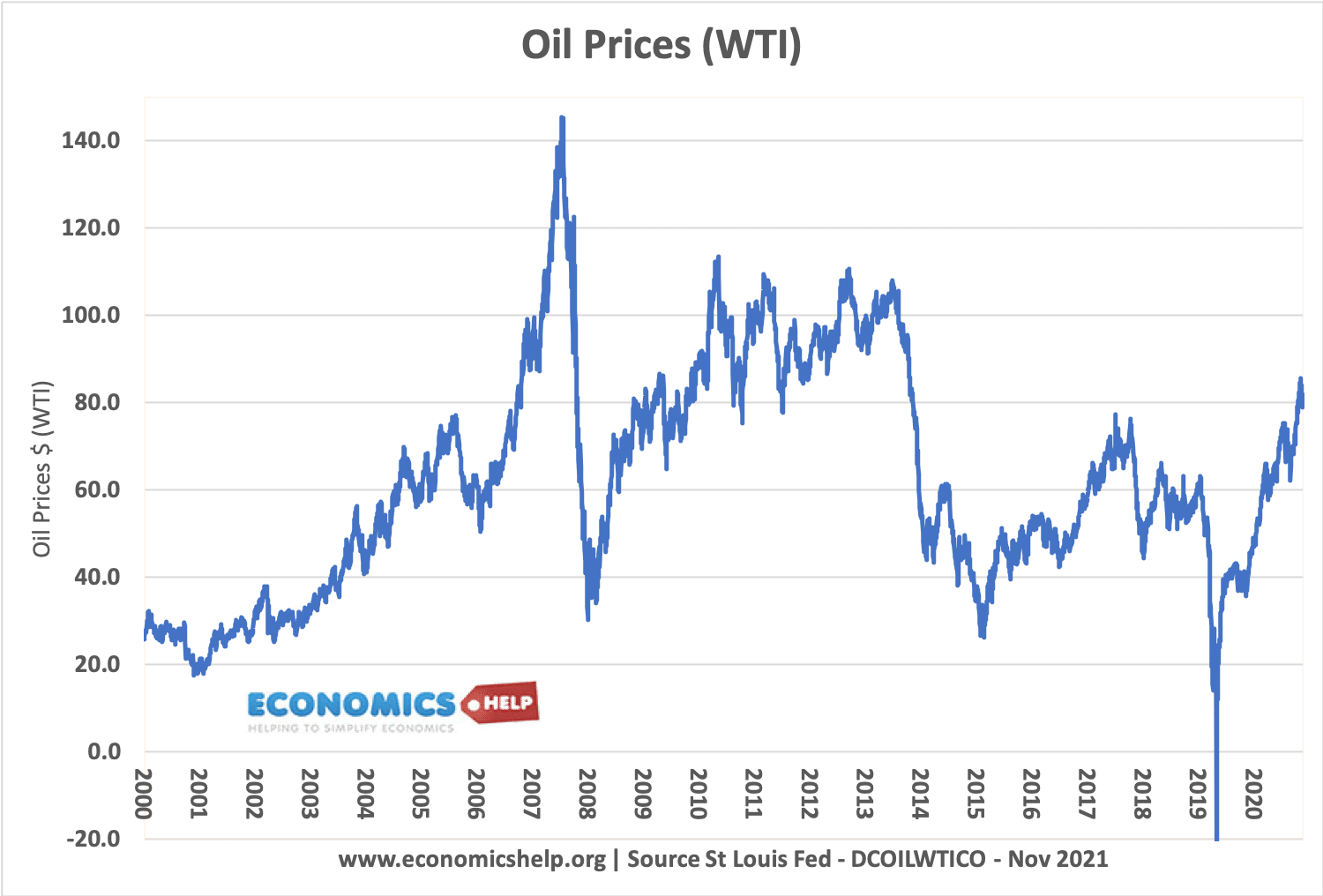
The Organization of the Petroleum Exporting Countries and its allies, known as OPEC+, continue to function as the primary regulator of global oil supply. Throughout 2026, the alliance has maintained a strategy of "proactive stability." By adjusting production quotas in response to real-time inventory levels, OPEC+ aims to prevent the massive price crashes that characterized the volatility of the mid-2020s.
For stakeholders attempting to forecast price movements, the decisions made at OPEC+ ministerial meetings serve as the most critical indicators. If the alliance senses that the global economy is slowing, they are historically inclined to tighten supply to keep prices from falling below their target budgetary break-even points. Conversely, if prices rise too aggressively, threatening global inflationary pressures, the group has demonstrated a willingness to ease supply restrictions to prevent demand destruction.
Geopolitical Risk Premiums
One of the most persistent variables influencing the question of rising prices is the "geopolitical risk premium." Oil is extracted in some of the most volatile regions of the world, and supply chains are often vulnerable to maritime bottlenecks. When conflict erupts or tensions rise in major producing regions, markets immediately build a risk premium into the price of a barrel.
In 2026, market participants must account for:
- Maritime Security: The safety of key transit chokepoints, such as the Strait of Hormuz, remains a constant point of concern for insurance underwriters and shipping companies.
- Sanctions and Trade Policy: Ongoing trade restrictions on major oil-producing nations limit the amount of crude reaching the global market, effectively tightening supply and exerting upward pressure on prices.
- Domestic Energy Policy: Legislative changes in major consuming nations, such as the United States or the European Union, regarding drilling permits or strategic petroleum reserve (SPR) management, can lead to localized price fluctuations.
Comparison of Primary Drivers Affecting Oil Price Projections
| Driver Type | Mechanism of Action | Expected Impact on Price |
|---|---|---|
| Supply Quotas | OPEC+ production cuts | Upward pressure |
| Global Demand | Emerging market industrialization | Upward pressure |
| Energy Transition | Adoption of EVs and renewables | Downward pressure |
| Geopolitical Risk | Conflict or supply chain disruption | Sharp, short-term spikes |
| Inventory Data | Levels of US and global stockpiles | Counter-cyclical |
The Impact of Energy Transition and Technology
The long-term outlook for oil prices is significantly tempered by the global energy transition. By 2026, the efficiency of battery technology and the expansion of renewable energy grids have reached a scale that creates a "substitution effect." When oil prices remain high for an extended period, it incentivizes industries and consumers to shift toward cheaper, alternative energy sources.
This phenomenon creates a psychological ceiling on oil prices. If the price per barrel climbs too high, it accelerates the transition away from fossil fuels, which eventually crushes demand and causes prices to collapse. Consequently, producers are increasingly aware that maintaining prices within a "Goldilocks zone"—high enough to remain profitable but low enough to avoid mass adoption of alternatives—is essential for the long-term viability of the industry.
Evaluating Inventory and Stockpile Reports
Investors and businesses closely monitor the weekly reports on commercial crude oil inventories. In the United States, the Energy Information Administration (EIA) releases data that acts as a barometer for market health. When inventories show an unexpected draw—meaning more oil is being used than is being produced or imported—the market typically interprets this as a signal that prices will rise.
Conversely, if storage facilities approach capacity, it signals a supply glut, leading to downward price pressure. In 2026, these reports are more critical than ever, as global logistics have become more streamlined, making the market react faster to minor imbalances between extraction and consumption.
Frequently Asked Questions
Why do oil prices fluctuate even when supply seems steady? Oil prices are driven by speculative trading and futures markets. Traders react not only to what is happening today but to what they believe will happen in six to eighteen months. Fears of future shortages or expectations of future economic growth often cause price shifts before physical supply or demand changes actually occur.
How do electric vehicle sales influence global oil prices? While EVs have captured a significant portion of the light-duty vehicle market, they have not yet made a major dent in the demand for oil used in petrochemicals, shipping, aviation, or heavy industry. EVs reduce gasoline demand, but the industrial sector remains a steadfast consumer, which is why oil prices have not plummeted despite the rise of EVs.
Can individual investors hedge against rising oil prices? Yes, investors often use instruments such as exchange-traded funds (ETFs) or futures contracts linked to oil prices to hedge against fuel cost increases. However, these are highly complex financial products with significant risk of loss, and they are typically reserved for institutional or sophisticated retail investors.
What is the role of the U.S. Strategic Petroleum Reserve (SPR) in price stabilization? The SPR is a massive stockpile of crude oil maintained by the U.S. government. By releasing oil from these reserves, the government can theoretically increase supply during times of extreme shortage to dampen price spikes. Conversely, purchasing oil to refill the SPR can create a floor for prices during a market slump.
Are renewable energy sources replacing oil as a global fuel source? Renewables are replacing oil in electricity generation, but oil remains difficult to replace in aviation, maritime shipping, and plastics manufacturing. The transition is additive rather than purely subtractive, meaning renewables meet new energy demand rather than immediately eliminating the need for oil in all sectors.
Next Steps for Monitoring Market Trends
If you are tracking oil prices for business budgeting or investment purposes, you should prioritize the following actions to maintain a clear perspective:
- Monitor Official Data: Regularly review the monthly short-term energy outlooks published by the U.S. Energy Information Administration (EIA) and the IEA for non-biased supply and demand forecasts.
- Track OPEC+ Statements: Pay close attention to the outcomes of ministerial meetings, as these represent the most powerful force for intentional supply manipulation.
- Diversify Indicators: Do not rely on oil prices alone; look at the U.S. Dollar Index, as oil is priced in dollars. A stronger dollar often makes oil more expensive for foreign buyers, potentially lowering demand.
- Consult Professionals: If your business is heavily exposed to fuel price fluctuations, consult with a financial advisor or a commodity risk manager who can assist with hedging strategies tailored to your specific consumption patterns.
Disclaimer: This information is for educational purposes and does not constitute financial or investment advice. Commodity markets are inherently volatile, and historical data does not guarantee future results. Please consult with a qualified financial advisor before making decisions based on market projections.