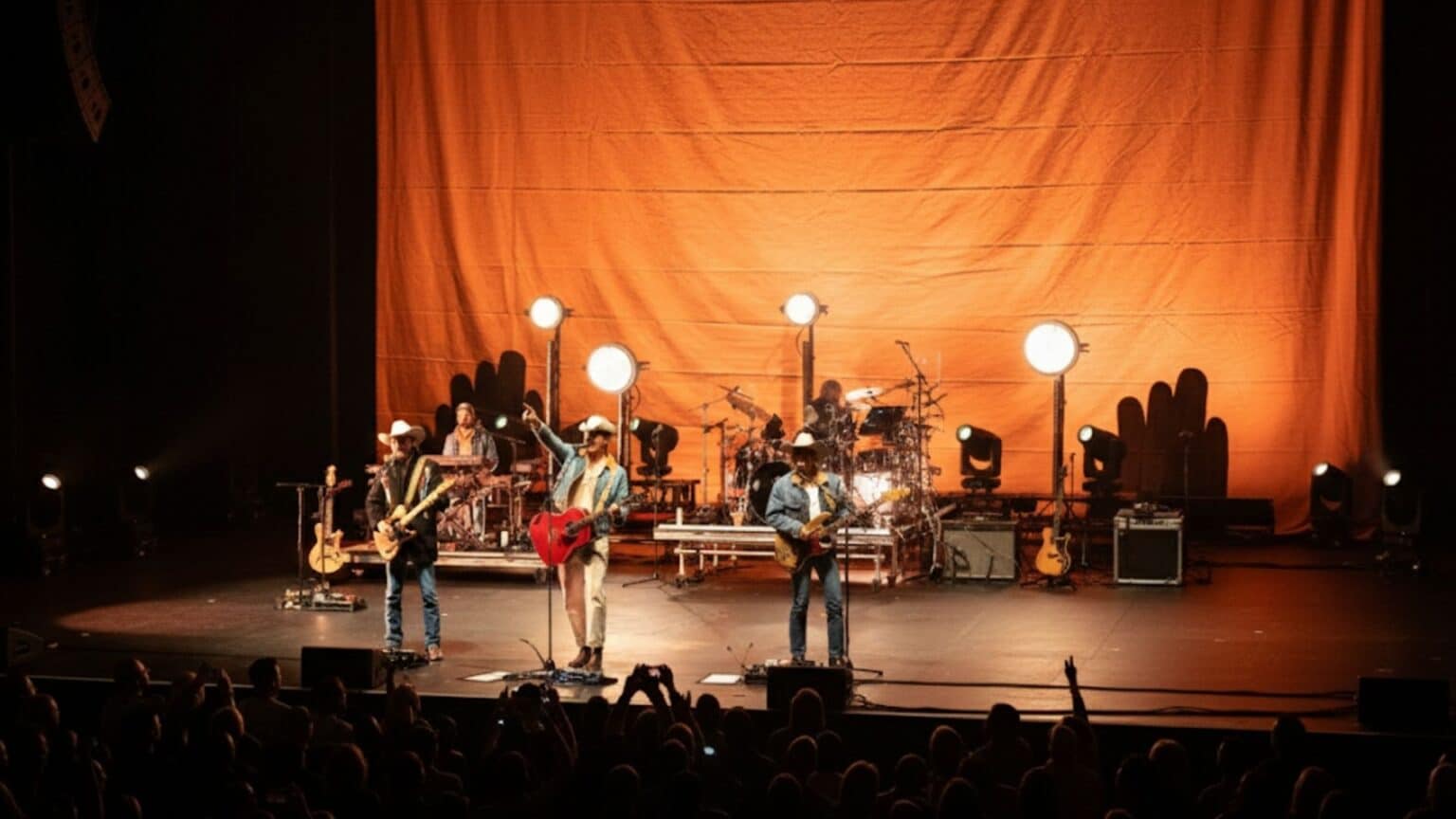
The original Argent band members included founder Rod Argent (keyboards/vocals), Russ Ballard (guitar/vocals), Jim Rodford (bass/vocals), and Robert Henrit (drums). This "classic" lineup remained intact from 1969 to 1973, producing their greatest hits. Following Ballard's departure in 1974, the band recruited John Verity and John Grimaldi before disbanding in 1976.
The Genesis of Argent: From The Zombies to a New Era
To understand the composition of Argent, one must first look at the dissolution of The Zombies in 1968. Following the completion of the masterpiece Odessey and Oracle, the members of The Zombies went their separate ways. Rod Argent, the band’s primary songwriter and keyboardist, was not ready to leave the music industry. He sought to create a new vehicle for his increasingly complex musical ideas, moving away from the 1960s beat-pop sound toward the burgeoning progressive and hard rock movements of the early 1970s.
Rod Argent teamed up with his cousin, Jim Rodford, who had been playing with the Mike Cotton Sound. They recruited Robert Henrit and Russ Ballard, both formerly of the band Unit 4 + 2. This quartet formed the bedrock of Argent, a group that would eventually bridge the gap between high-concept progressive rock and commercially accessible hard rock.
Rod Argent: The Architect
Rod Argent was the driving force and namesake of the group. As a classically trained musician, his approach to the Hammond B3 organ and the Mellotron gave the band a sophisticated edge. Unlike many of his contemporaries who used keyboards as rhythmic backing, Argent used his instruments as lead voices, often engaging in complex, fugue-like solos that became a hallmark of the band's sound. His leadership ensured that while the band had hit singles, their albums were often experimental and technically demanding.
Russ Ballard: The Hitmaker
Russ Ballard provided the necessary counterbalance to Rod Argent’s progressive tendencies. While Argent was interested in long-form compositions and intricate arrangements, Ballard possessed a preternatural gift for the three-minute rock anthem. He was a prolific songwriter, penning many of the band’s most famous tracks, as well as songs that would become hits for other artists. His vocal style—emotive and powerful—became the definitive voice of the band during their commercial peak.
The Classic Lineup (1969–1973): Achieving Commercial Zenith
The period between 1969 and 1973 is widely considered the "Golden Era" of the band. During these years, the chemistry between Argent, Ballard, Rodford, and Henrit was at its most potent. This lineup released several influential albums, including Argent (1970), Ring of Hands (1971), All Together Now (1972), and In Deep (1973).
Deep Dive: Jim Rodford and Robert Henrit
While the frontmen received much of the spotlight, the rhythm section of Jim Rodford and Robert Henrit was essential to the band's versatility.
- Jim Rodford: A rock-solid bassist with a melodic sensibility, Rodford’s playing provided a sturdy foundation for Rod Argent’s keyboard excursions. His ability to navigate complex time signatures while maintaining a "groove" was a rare asset in the 1970s rock scene.
- Robert Henrit: Henrit was more than just a timekeeper; he was a technical drummer who influenced a generation of percussionists. His work on tracks like "Hold Your Head Up" showcased a discipline and power that allowed the band to pivot from jazz-inflected prog to heavy rock effortlessly.
The Breakthrough: "Hold Your Head Up"
The 1972 hit "Hold Your Head Up" remains the definitive Argent song. Written by Rod Argent and Chris White (a former Zombies bandmate who continued to collaborate as a writer/producer), the song reached the top five in both the UK and the US. The track is notable for its extended organ solo, which was unheard of for a Top 40 radio edit at the time. This success validated the band's approach: blending technical virtuosity with a hook-laden chorus.
The Stylistic Shift: The Departure of Russ Ballard
By 1973, creative tensions began to surface. Russ Ballard’s songwriting was increasingly leaning toward straightforward rock and pop, while Rod Argent wanted to push further into fusion and progressive territories. Following the release of the album In Deep and its hit single "God Gave Rock and Roll to You," Ballard decided to leave the group to pursue a solo career and focus on songwriting for others.
Ballard’s departure was a seismic shift for the band. He wasn’t just the guitarist; he was a primary vocalist and the source of their most radio-friendly material. His post-Argent career would see him write massive hits like "Since You Been Gone" (Rainbow) and "New York Groove" (Ace Frehley), confirming his status as a master of the rock hook.
The Second Era (1974–1976): John Verity and John Grimaldi
Rather than replacing Ballard with a single member, Rod Argent decided to expand the band into a five-piece. This transition aimed to fill the void left by Ballard's multi-instrumental talents while exploring a denser, more experimental sound.
John Verity: The New Voice
John Verity was recruited from his own group, the John Verity Band. He brought a bluesier, more soulful vocal style to Argent. His guitar work was proficient, though his role was often to serve the broader arrangements dictated by Rod Argent. Verity helped the band maintain its rock edge, but the group struggled to replicate the commercial success of the Ballard years.
John Grimaldi: The Fusion Influence
The addition of John Grimaldi on guitar added a new layer of complexity. Grimaldi was an adventurous player with interests in jazz-fusion and avant-garde rock. His presence was felt most strongly on the albums Nexus (1974) and Circus (1975). These records moved away from the "hit single" format toward concept-driven pieces and instrumental prowess. While critically respected among prog-rock aficionados, these albums failed to capture the mainstream audience.
Comparing the Two Eras of Argent
The following table outlines the differences in personnel and musical focus between the two primary iterations of the band.
| Feature | Classic Lineup (1969–1973) | Second Lineup (1974–1976) |
|---|---|---|
| Key Members | Rod Argent, Russ Ballard, Jim Rodford, Robert Henrit | Rod Argent, Jim Rodford, Robert Henrit, John Verity, John Grimaldi |
| Primary Songwriters | Russ Ballard, Rod Argent, Chris White | Rod Argent, Chris White, John Grimaldi |
| Musical Style | Hard Rock, Prog-Rock, Pop-Rock | Jazz-Fusion, Experimental Prog, Blues-Rock |
| Defining Albums | All Together Now, In Deep | Nexus, Circus, Counterpoints |
| Commercial Peak | High (Top 5 Singles in UK/US) | Moderate/Niche (Focus on Albums) |
| Key Singles | "Hold Your Head Up", "Liar" | "Thunder and Lightning" |
Life After Argent: The Legacy of the Members
When Argent finally disbanded in 1976, its members did not fade into obscurity. Instead, they became some of the most sought-after musicians and songwriters in the British rock industry.
The Kinks Connection
In a notable twist of rock history, both Jim Rodford and Robert Henrit eventually joined The Kinks. Jim Rodford joined in 1978 and remained their bassist for nearly two decades, contributing to their late-70s and 80s resurgence. Robert Henrit joined The Kinks in 1984, replacing founding drummer Mick Avory. This essentially meant that for a significant period, the rhythm section of The Kinks was the original rhythm section of Argent.
Rod Argent’s Continued Influence
Rod Argent returned to his roots, eventually reforming The Zombies with original lead singer Colin Blunstone in the late 1990s. This partnership has proven incredibly durable, leading to new albums and a 2019 induction into the Rock and Roll Hall of Fame. As of 2026, Rod Argent remains a respected figure in the industry, though he announced a retirement from touring in 2024 following a health scare, focusing instead on studio work and composition.
The Passing of Members
The Argent family has lost key figures over the years. John Grimaldi passed away in 1983 due to illness. Jim Rodford passed away in 2018 at the age of 76 following a fall; his death was widely mourned in the rock community, with Ray Davies of The Kinks and Rod Argent both paying tribute to his immense talent and character.
Reunions and Late-Career Appearances
Despite the band’s relatively short original run, the "classic" quartet of Argent, Ballard, Rodford, and Henrit remained on good terms. This led to several high-profile reunions in the 21st century.
- 2010 High Voltage Festival: The original four members reunited for a performance at the High Voltage Festival in London. This was their first performance together in 37 years.
- 2012 Short Tour: Following the success of the 2010 show, the band embarked on a brief five-date UK tour. The chemistry was reported to be intact, with Ballard and Argent sharing vocal duties seamlessly.
- 2013 Final Appearances: The band played a few more select dates before returning to their individual projects. These reunions were significant because they allowed fans to hear "Hold Your Head Up" and "God Gave Rock and Roll to You" performed by the original creators one last time.
Analyzing the Songwriting Dynamics
The tension between Rod Argent and Russ Ballard is often cited as the reason for the band's split, but it was also the reason for their success. Rod Argent brought the "Art," while Russ Ballard brought the "Heart."
Rod Argent’s compositions often utilized:
- Contrapuntal Melodies: Influence from Baroque music.
- Extended Solo Sections: Allowing for improvisational flair.
- Complex Time Signatures: Moving beyond the standard 4/4 rock beat.
In contrast, Russ Ballard’s songs focused on:
- Anthemic Choruses: Designed for crowd participation.
- Relatable Lyrics: Often focusing on perseverance and rock-and-roll mythology.
- Driving Riffs: Providing a more visceral, immediate impact.
When these two styles merged, as they did on the album All Together Now, the result was a unique brand of "Symphonic Hard Rock" that stood out from the blues-based heavy metal of Led Zeppelin or the more whimsical prog of early Genesis.
FAQs About Argent Band Members
Who were the original members of the band Argent?
The original 1969 lineup consisted of Rod Argent (keyboards, vocals), Russ Ballard (guitar, vocals), Jim Rodford (bass), and Robert Henrit (drums). This quartet is responsible for the band's most commercially successful period and their most enduring hits.
Why did Russ Ballard leave Argent?
Russ Ballard left in 1974 to pursue a solo career. While the split was amicable, it was driven by a divergence in musical direction. Ballard preferred more direct, song-oriented rock, while Rod Argent was moving toward more complex, instrumental-heavy progressive rock and fusion.
Did any Argent members play in other famous bands?
Yes, quite extensively. Rod Argent was a founding member of The Zombies. Jim Rodford and Robert Henrit both became long-term members of The Kinks. Additionally, Russ Ballard became a highly successful songwriter for artists like KISS, Rainbow, and Santana.
Is the band Argent still active in 2026?
As of 2026, Argent is not an active touring or recording entity. The original lineup last performed together in 2013. Rod Argent has retired from touring as of 2024, and bassist Jim Rodford passed away in 2018. However, their music continues to be celebrated through reissues and the ongoing work of Rod Argent and Russ Ballard.
Who replaced Russ Ballard in the band?
After Ballard's departure, the band was joined by John Verity on lead vocals and guitar, and John Grimaldi on guitar. This changed the band from a quartet to a quintet and shifted their sound toward a more experimental fusion style.
What happened to Jim Rodford?
Jim Rodford had a long and illustrious career, playing with Argent, The Kinks, and the reformed Zombies. He passed away in January 2018 at the age of 76. He is remembered as one of the most reliable and talented bassists in British rock history.
Final Recommendation for Fans and Researchers
For those looking to explore the work of Argent's members, the best starting point is the 1972 album All Together Now. It represents the perfect equilibrium between the various members' talents. To understand the individual brilliance of the members post-split, listen to Russ Ballard’s 1974 self-titled solo debut and The Zombies' later work like Still Got That Hunger, which features Rod Argent and Jim Rodford. For a technical deep dive into Robert Henrit's drumming, his instructional books remain a staple for percussion students.