Argentine culture is a complex blend of European traditions, indigenous roots, and a unique Southern Cone identity that often defies international stereotypes. Understanding Argentina requires looking past tango and steak to recognize its diverse geography, the nuances of Rioplatense Spanish, and a resilient society shaped by specific socio-economic history.
To truly grasp the essence of Argentina in 2026, one must move beyond the postcard versions of Buenos Aires. While the country is famous for its passion—be it in football, politics, or dance—the reality is far more layered. From the sub-Antarctic winds of Tierra del Fuego to the high-altitude deserts of Jujuy, the cultural fabric changes significantly, challenging the notion of a monolithic national identity.
Beyond the Jungle: The Myth of a Tropical Climate
A frequent misconception among northern hemisphere travelers is that Argentina, being in South America, is a tropical paradise characterized by humid rainforests and year-round heat. While the northeast (Misiones) does feature the subtropical climate of the Iguazú Falls, the vast majority of the country does not fit this description.
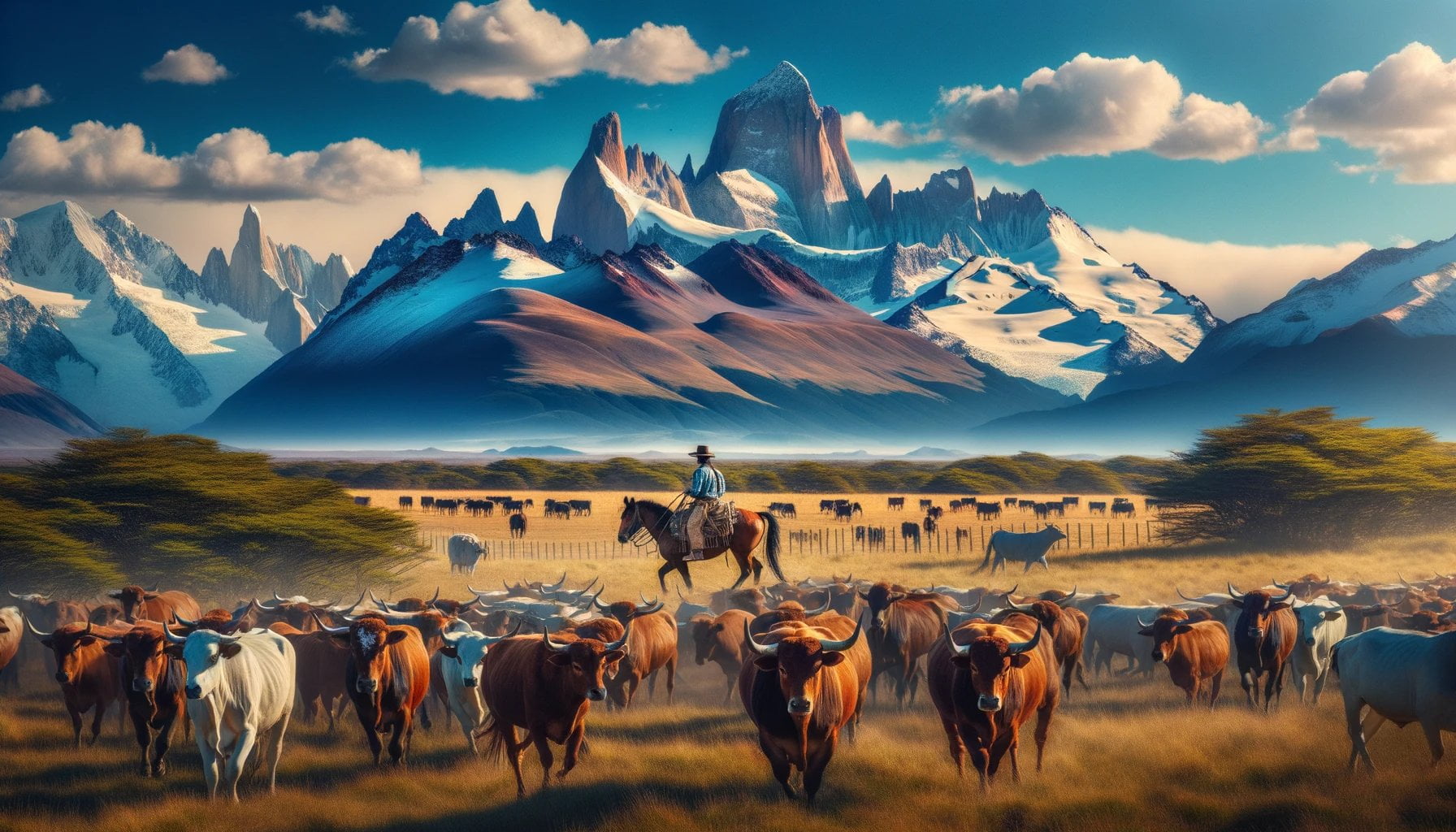
Argentina is the eighth-largest country in the world, spanning a massive latitudinal range. The central region, including Buenos Aires and the Pampas, experiences a temperate climate with four distinct seasons. Winters can be damp and chilly, often requiring heavy coats and indoor heating. Further south, Patagonia offers a landscape of glaciers, fjords, and alpine forests where snow is a staple of the long winter months.
In the west, the Andes Mountains create a rain shadow, resulting in arid and semi-arid regions like Mendoza, famous for its high-altitude vineyards. In the northwest, the Puna plateau sits at over 3,000 meters above sea level, featuring extreme temperature fluctuations between day and night. Understanding this geographic diversity is essential for anyone planning a visit or studying the regional cultures that have developed in response to these varied environments.
The Culinary Reality: Is It Only Steak and Malbec?
The image of the Argentine asado (barbecue) is iconic, and for good reason. Argentina consistently ranks among the highest per capita consumers of beef globally. However, the myth that Argentines eat nothing but steak ignores the deep-seated Italian influence that defines the national palate.
Following massive waves of immigration between 1880 and 1950, Italian traditions became the backbone of Argentine home cooking. In 2026, you are just as likely to find a family gathering over a large bowl of homemade "tallarines" (fettuccine) or "sorrentinos" (large round ravioli) as you are around a grill. Pizza is a national obsession, though the Argentine style—characterized by "media masa" (thick, fluffy dough) and an abundance of melted mozzarella—is distinct from the thin-crust Neapolitan variety.
Furthermore, regional cuisines provide a sharp contrast to the beef-heavy diet of the Pampas. In the north, dishes like locro (a hearty corn and bean stew), humita (steamed fresh corn cakes), and empanadas salteñas (noted for being smaller and juicier than their Buenos Aires counterparts) are the cultural staples. In Patagonia, lamb (cordero patagónico) and trout are preferred over beef. The diet is rounded out by the ubiquitous consumption of mate, a caffeinated herbal infusion that serves as a social glue, shared among friends in a ritual that transcends social class.
Rioplatense Spanish: More Than Just an Accent
Many students of Spanish arrive in Argentina only to find that the language sounds fundamentally different from what they learned in textbooks or heard in Mexico or Spain. The myth that "Argentines speak the same Spanish as everyone else" is quickly debunked by the reality of Rioplatense Spanish.
The primary differentiator is the use of voseo. In Argentina, the pronoun tú is virtually non-existent, replaced by vos. This also changes the verb conjugations (e.g., tú hablas becomes vos hablás). Additionally, the pronunciation of "ll" and "y" (known as yeísmo) is distinct; rather than a "y" sound, it is pronounced as a "sh" sound (e.g., calle is pronounced "ca-she").
Perhaps the most significant layer of the language is Lunfardo. Originally a slang developed in the lower-class neighborhoods of Buenos Aires in the late 19th century, Lunfardo incorporated words from Italian dialects, French, and Portuguese. While it began as a way for criminals to communicate without being understood by the police, it has since permeated all levels of society. Words like laburar (to work), guita (money), and fiaca (laziness) are used daily by professionals and politicians alike. This linguistic evolution reflects the country’s history as a melting pot and its ability to reinvent European influences into something uniquely Argentine.
The Tango Myth: Expectations vs. Daily Life
When people think of Argentina, they often envision people dancing tango in the streets of every city. In reality, tango is primarily an urban phenomenon centered in Buenos Aires and, to a lesser extent, Rosario. While it remains a vital part of the national heritage and a major tourist draw, it is not the "pop music" of the modern Argentine youth.
For many Argentines, especially those outside the capital, Folclore (folk music) is the true heart of national identity. Genres like Chacarera, Zamba, and Chamame dominate festivals in the interior of the country. These dances are communal and practiced by all generations, often involving traditional costumes and rhythmic footwork (zapateo).
In the contemporary landscape of 2026, Rock Nacional remains one of the most significant cultural movements. Since the 1960s, Argentine rock has served as a voice for social and political commentary. Artists like Charly García, Luis Alberto Spinetta, and Gustavo Cerati are national heroes whose influence exceeds that of any tango singer. Additionally, genres like Cumbia Villera and urban trap have become the dominant sounds among the younger generation, reflecting the socio-economic struggles and triumphs of modern life in the suburbs.
Navigating the Economic Paradox
A common myth is that Argentina is an "inexpensive" destination because of its historical struggles with inflation. While the exchange rate often favors those with hard currencies (like the US dollar or Euro), the reality is a complex "dual economy" that can be difficult for outsiders to navigate.
As of 2026, Argentina continues to manage a multi-tiered exchange rate system. The "official" rate is often significantly different from the "Dólar Blue" (the parallel, market-driven rate). This means that price labels in stores do not always reflect the true cost for a visitor or an expat. Furthermore, the high rate of inflation means that prices for services, dining, and transport can change monthly, if not weekly.
For locals, this economic instability has fostered a unique cultural trait: a high degree of financial adaptability and a focus on immediate consumption. Because savings in the local currency (the Peso) lose value quickly, Argentines are known for spending on experiences, dining out, and travel when they have the means. This contributes to the vibrant, bustling atmosphere of cities like Buenos Aires, where cafes are full even during times of economic hardship.
| Feature | Common Myth | Cultural Reality |
|---|---|---|
| Primary Diet | Only beef and red wine | Heavily influenced by Italian pasta, pizza, and regional corn-based dishes. |
| Language | Standard Latin American Spanish | Rioplatense Spanish using voseo and heavy Lunfardo slang. |
| Dance | Tango is danced everywhere | Tango is urban/niche; Folclore and Rock Nacional are more widespread. |
| Climate | Tropical/Hot year-round | Diverse: temperate in the center, arid in the west, and sub-polar in the south. |
| Demographics | Entirely of European descent | A mix of European, Mestizo, and indigenous heritages (approx. 2-5% indigenous). |
| Economy | Consistently cheap for travelers | High inflation makes pricing volatile; dual exchange rates require local knowledge. |
The "European" Identity and Indigenous Reality
There is a persistent saying that "Argentines are Italians who speak Spanish and think they are British." This highlights the strong European influence, particularly in the architecture of Buenos Aires, which earned it the nickname "The Paris of the South." However, the myth that Argentina is "a white country" overlooks the significant Mestizo and indigenous populations.
Historically, the narrative of the "desert conquest" suggested that the indigenous population was entirely displaced. Modern genetic studies and census data (including the updated 2022 and 2026 projections) show a much more nuanced picture. Significant portions of the population, particularly in the northern provinces like Jujuy, Salta, and Chaco, identify with their Diaguita, Kolla, or Wichí roots. In the south, the Mapuche people continue to play a vital role in the social and political landscape of Patagonia.
Furthermore, the influence of Afro-Argentines, though often silenced in historical texts, is visible in the foundations of tango and various rhythmic traditions. Acknowledging this multi-cultural reality is essential to understanding the modern social movements in Argentina that seek to reclaim and celebrate non-European identities.
Social Etiquette: The Late-Night Lifestyle
Visitors often struggle with the Argentine clock. The myth that people are "lazy" because things start late is a misunderstanding of a society that operates on a shifted schedule. In Argentina, the workday may start at 9:00 AM, but the social day doesn't end until well after midnight.
Dinner in Argentina rarely begins before 9:00 PM or 10:00 PM. On weekends, it is common for families to sit down for a meal at 11:00 PM. Nightlife reflects this: "boliches" (nightclubs) typically don't see crowds arrive until 2:00 AM, and they stay open until the sun comes up. This late-night culture is supported by a strong emphasis on social connection. Argentines are notoriously gregarious; a "quick coffee" can easily turn into a three-hour debate on politics or football.
Physical touch is also a standard part of social interaction. The "one-kiss" greeting on the cheek is standard for everyone—men greeting men, women greeting women, and across genders—regardless of how well they know each other. This warmth and proximity are central to the Argentine concept of amistad (friendship), which is celebrated annually on July 20th as "Friendship Day," a holiday arguably more important to locals than Valentine’s Day.
Frequently Asked Questions
Is it safe to travel to Argentina in 2026?
Argentina remains one of the safer countries in South America for travelers. However, like any large urban center, cities like Buenos Aires and Rosario require standard precautions against petty crime. It is advisable to be aware of your surroundings, especially when using mobile phones in public, and to use official "Radio Taxis" or reputable ride-sharing apps.
Do I need to speak Spanish to get around?
In major tourist areas and high-end hotels, English is widely spoken. However, because Argentine Spanish (Rioplatense) is so distinct, even those who speak standard Spanish may need a few days to adjust to the accent and local slang. Learning basic Lunfardo terms and understanding the voseo will greatly enhance your experience and rapport with locals.
What is the "Blue Dollar," and should I use it?
The "Blue Dollar" refers to the unofficial exchange rate. Historically, travelers have received a significantly better rate by exchanging physical US dollar bills (preferably new 100-dollar notes) at informal exchange houses known as cuevas. By 2026, while digital payment systems have improved, the gap between official and parallel rates often persists, making cash an essential tool for cost-effective travel.
Is Argentina expensive for foreigners?
The cost of living in Argentina is highly volatile due to inflation. While dining out and local services can be very affordable if you are using hard currency, imported goods (electronics, high-end clothing) are often significantly more expensive than in the US or Europe due to high import taxes.
What is the most important cultural "taboo" to avoid?
While Argentines are generally open and enjoy debate, it is wise to approach the topic of the Falkland Islands (known as Las Malvinas) with extreme sensitivity. The 1982 conflict remains a deeply emotional subject and a cornerstone of national sovereignty claims. Additionally, avoid comparing Argentina unfavorably to its neighbors, as national pride is a powerful cultural force.
Practical Recommendations for Cultural Immersion
To experience Argentina beyond the myths, travelers should prioritize regional exploration. While Buenos Aires is a world-class city, the "real" Argentina is found in the Sunday ferias of Salta, the vineyards of the Uco Valley, and the community mate circles in provincial plazas.
- Attend a Peňa: Instead of a commercial tango show, look for a peňa in the northern provinces. These are folk music gatherings where locals eat empanadas and dance the chacarera.
- Learn the Mate Etiquette: Never stir the straw (bombilla) when someone serves you mate, as it is considered rude to the cebador (the person preparing the drink). Only say "gracias" when you do not want any more.
- Use Public Transport: The "Subte" (subway) in Buenos Aires is the oldest in Latin America and a great way to see the city's different neighborhoods.
- Monitor the Exchange Rate: Before arriving, check current reliable sources for the "Dólar Blue" rate to ensure you are getting fair value for your currency.
By acknowledging the complexities of its economy, the diversity of its landscape, and the multi-layered history of its people, you can move past the common myths and appreciate Argentina for the sophisticated and resilient nation it is in 2026.