Argentina is internationally renowned for its diverse natural wonders, ranging from the subtropical Iguazu Falls to the subantarctic glaciers of Patagonia. It is the birthplace of the tango, a world-leader in premium beef and Malbec wine production, and a global football powerhouse defined by legends like Diego Maradona and Lionel Messi.
As the second-largest country in South America, Argentina presents a complex tapestry of European influence and indigenous roots. Whether you are planning a visit in 2026 or researching its global contributions, understanding what makes Argentina unique requires looking at its geography, its culinary traditions, and its deep-seated passion for the arts and sports. This guide explores the most famous aspects of Argentine identity, providing the technical depth and cultural context needed to appreciate this vibrant nation.
Natural Wonders: From the Devil’s Throat to Glacial Walls
Argentina’s geography is one of extremes, housing some of the most dramatic landscapes on Earth. These sites are not only famous for their beauty but also for their ecological significance and the infrastructure that allows millions of visitors to witness them annually.
Iguazu Falls (Cataratas del Iguazú)
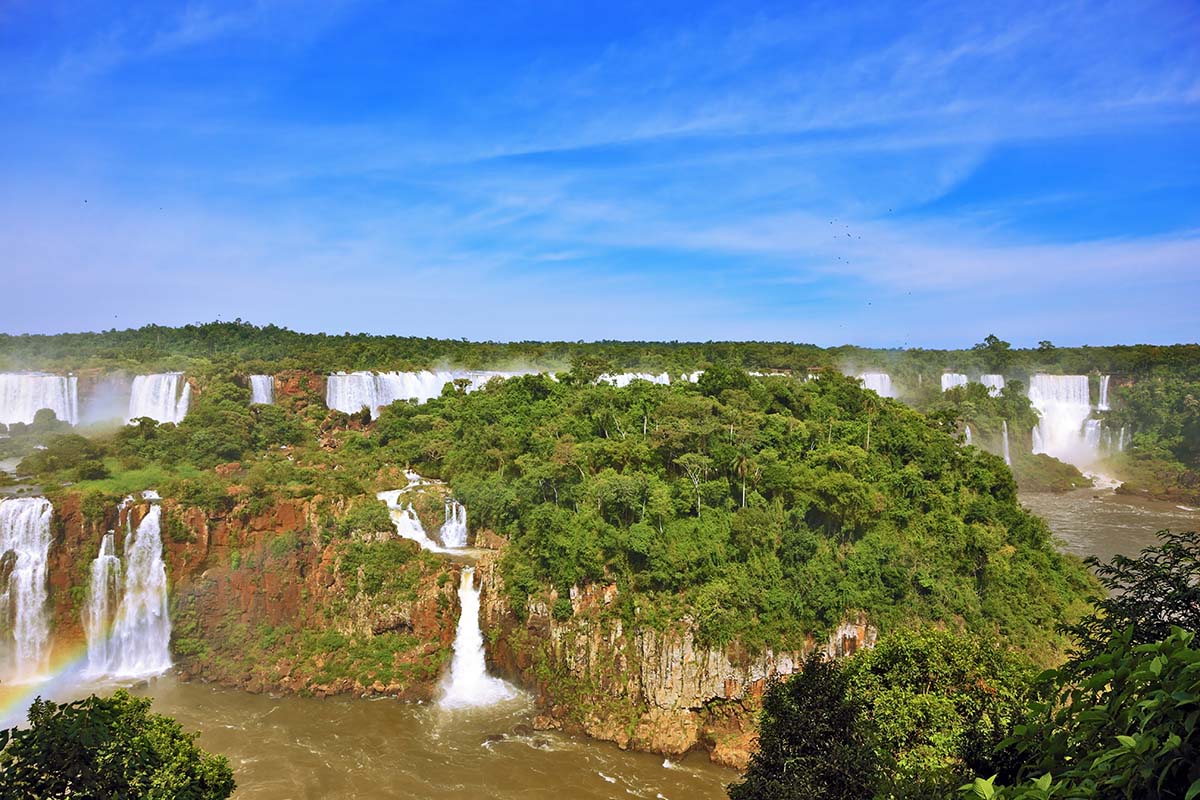
Located on the border with Brazil, Iguazu Falls is a UNESCO World Heritage site and one of the New Seven Wonders of Nature. It consists of approximately 275 individual drops, but the most famous is the Garganta del Diablo (Devil’s Throat). This U-shaped chasm is 82 meters high and 150 meters wide, creating a perpetual mist that sustains a lush rainforest ecosystem. In 2026, the park remains a global model for sustainable tourism, utilizing eco-trains to transport visitors to the upper and lower walkways.
Perito Moreno Glacier
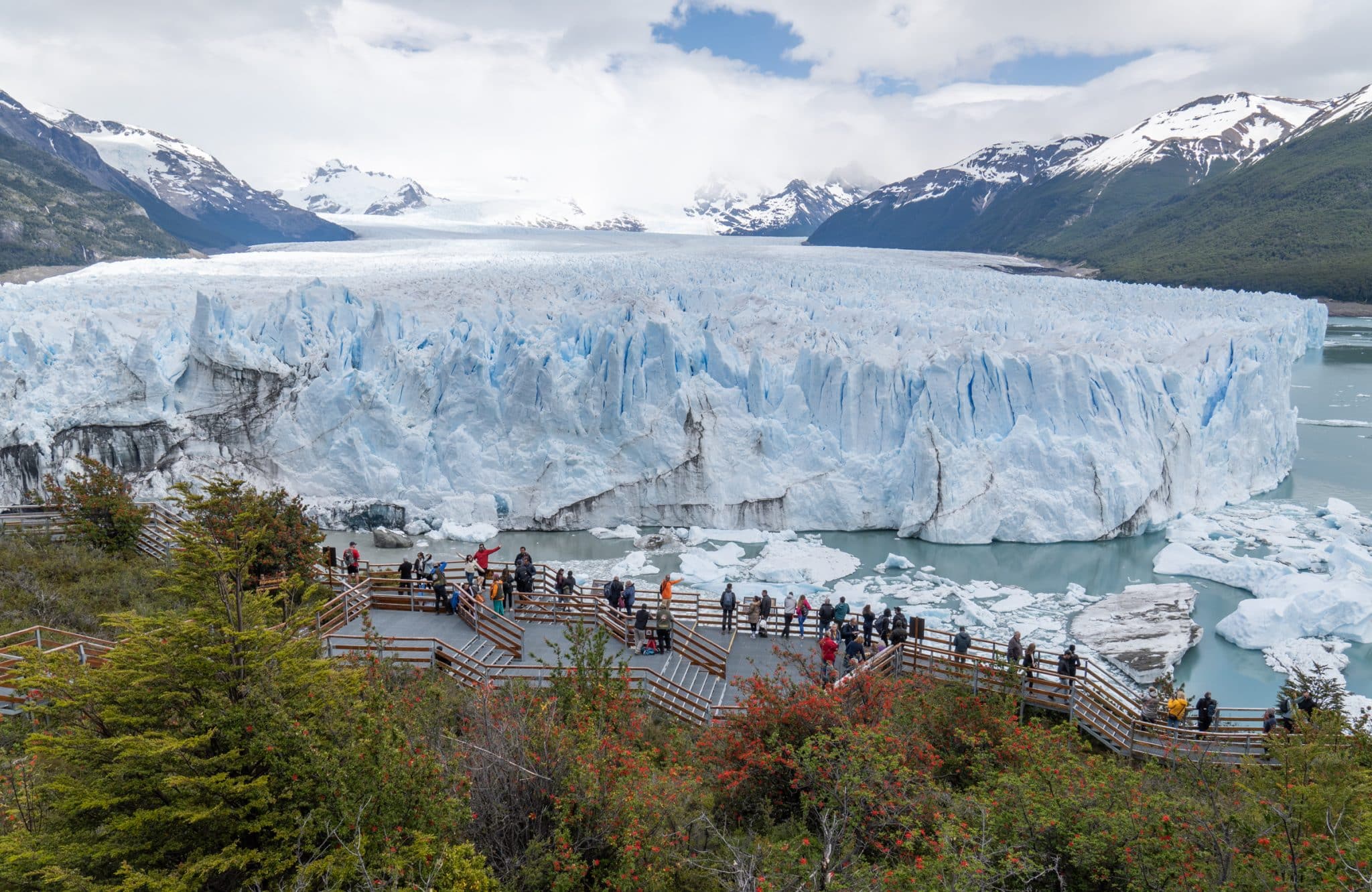
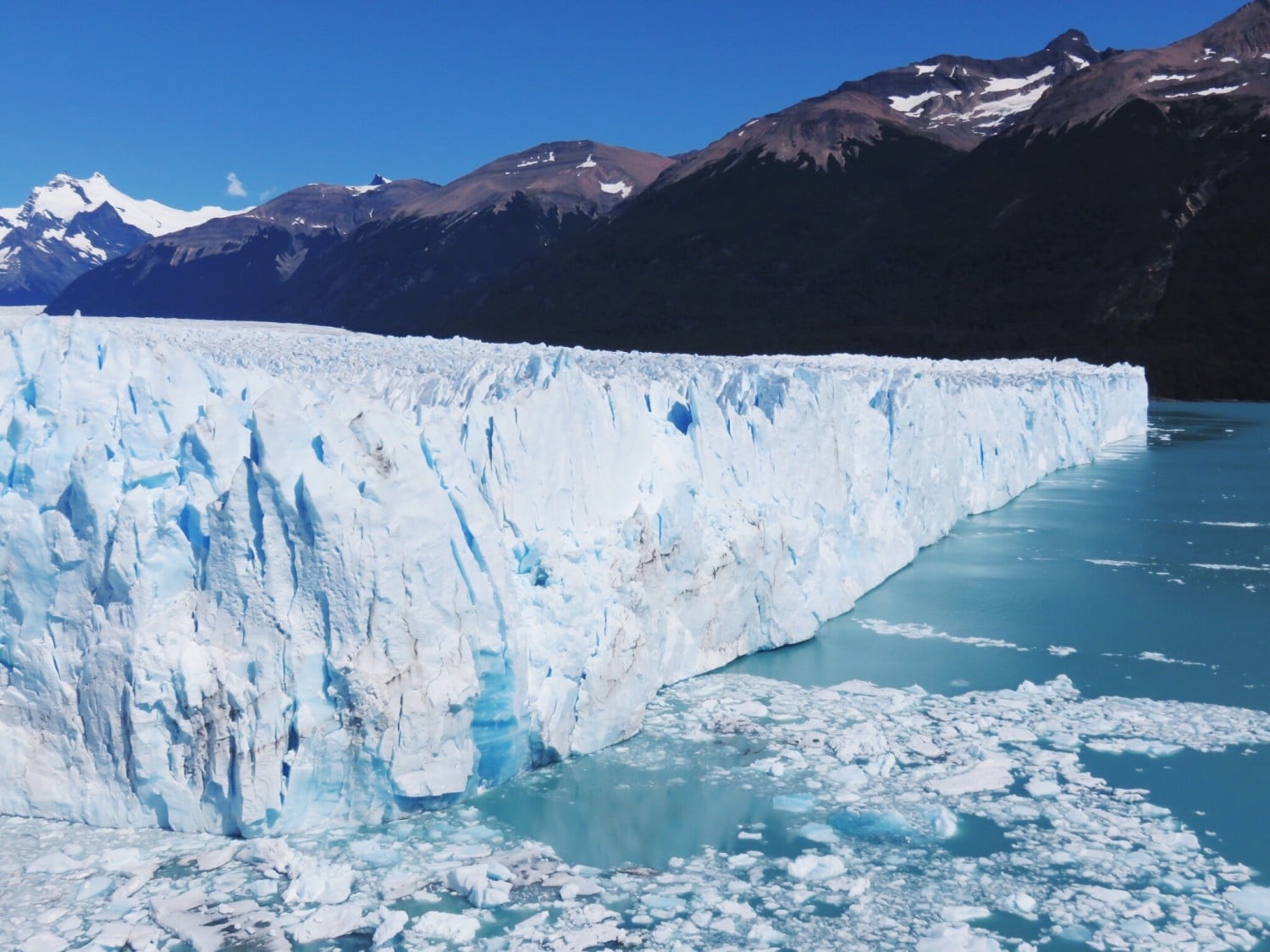
In the southern province of Santa Cruz lies the Perito Moreno Glacier, one of the few glaciers in the world that is currently in equilibrium rather than retreating. This massive wall of ice, part of the Los Glaciares National Park, is famous for the "rupture" event—a natural phenomenon where the ice creates a dam across Lake Argentino, eventually collapsing under the pressure of the rising water. For travelers, the glacier is accessible via a series of steel boardwalks and boat tours, offering a rare, close-up look at the jagged blue ice formations.
Mount Aconcagua
For the mountaineering community, Argentina is synonymous with Aconcagua. Standing at 6,961 meters (22,837 feet), it is the highest peak in both the Western and Southern Hemispheres. It serves as a major training ground for those preparing for the "Seven Summits" challenge. The surrounding provincial park in Mendoza offers varying levels of trekking, making it a cornerstone of Argentina’s adventure tourism industry.
The Soul of the Nation: Tango and Urban Culture
Tango is perhaps Argentina’s most famous cultural export. Originating in the late 19th century in the working-class neighborhoods of Buenos Aires and Montevideo, it evolved from a marginalized dance of immigrants into a sophisticated art form recognized by UNESCO as part of the Intangible Cultural Heritage of Humanity.
The Evolution of Tango
The dance is characterized by its intense connection between partners and its complex footwork. However, tango is equally about the music—defined by the melancholic sound of the bandoneón (a type of concertina). Famous figures like Carlos Gardel, who popularized tango song (tango-canción) in the 1920s and 30s, and Astor Piazzolla, who revolutionized the genre with "Tango Nuevo" in the 1950s, ensured the genre’s survival on the global stage.
The Milongas of Buenos Aires
In 2026, the milonga (a social dance event) remains a central pillar of life in Buenos Aires. These gatherings are governed by strict traditional codes of etiquette, such as the cabeceo—a subtle nod used to invite a partner to dance. Neighborhoods like San Telmo and La Boca are the traditional hearts of tango, where street performers and high-end dinner shows coexist.
Gastronomy: The Art of Asado and Malbec
Argentina’s culinary reputation is built on high-quality ingredients and a social approach to dining. The "asado" is not just a meal; it is a fundamental social ritual that defines Argentine weekends.
The Asado Ritual
The asado (barbecue) is the national dish. Unlike American BBQ which often uses sauces, the Argentine asado relies on the quality of the grass-fed beef and the skill of the parrillero (grill master). Key cuts include:
- Ojo de Bife: Ribeye.
- Bife de Chorizo: Sirloin or New York Strip.
- Asado de Tira: Short ribs.
- Vacío: Flank steak.
The meat is typically cooked over wood or charcoal and seasoned only with coarse salt or served with chimichurri, a piquant herb sauce made of parsley, garlic, oregano, oil, and vinegar.
Viticulture and the Malbec Grape
While the Malbec grape originated in France, it found its true expression in the high-altitude vineyards of Mendoza. The combination of intense sunlight, low rainfall, and alluvial soils creates a wine that is deep in color and rich in dark fruit flavors. The Uco Valley and Luján de Cuyo are the primary regions driving the international acclaim of Argentine wine. By 2026, Argentina has also gained significant traction for its high-altitude white wines, particularly the aromatic Torrontés from the Cafayate region in Salta.
Mate: The Social Lubricant
Yerba mate is an herbal infusion drunk from a hollowed-out gourd through a metal straw called a bombilla. It contains caffeine and is shared among friends and family in a specific order, emphasizing community and patience. Visitors will see Argentines carrying thermoses and mate kits in parks, offices, and on public transport.
Sports Excellence: A National Obsession
Argentina’s contribution to world sports is disproportionate to its population. The country’s passion for competition is most evident in football and polo.
Football (Soccer)
Argentina is a three-time FIFA World Cup champion (1978, 1986, and 2022). The sport is a cultural bedrock, with the rivalry between Boca Juniors and River Plate being one of the most famous in the world. The country has produced two of the greatest players in history:
- Diego Maradona: Known for his legendary performance in the 1986 World Cup and his status as a folk hero.
- Lionel Messi: Often cited as the greatest of all time, whose 2022 World Cup victory solidified his legacy before his transition to the twilight of his career in the mid-2020s.
Polo and Rugby
Argentina is the undisputed world leader in Polo. The country produces the world’s best players and the finest polo ponies. The Argentine Open, held in Palermo, Buenos Aires, is the most prestigious tournament in the sport. Additionally, the national rugby team, the Pumas, has become a consistent top-tier competitor in the Rugby Championship, known for its fierce scrummaging and defensive play.
Regional Comparison: A Diverse Landscape
To understand Argentina, one must recognize that it is divided into distinct regions, each with its own climate, economy, and attractions.
| Region | Primary City | Climate Type | Key Famous Feature |
|---|---|---|---|
| The Pampas | Buenos Aires | Temperate | Gaucho culture, agriculture, and beef |
| Patagonia | Bariloche / El Calafate | Arid / Subpolar | Glaciers, trekking, and lakes |
| Cuyo | Mendoza | Semi-arid | Wine production and Mount Aconcagua |
| The North (NOA) | Salta | Subtropical / High Desert | Colorful mountains, folklore, and salt flats |
| The Northeast (NEA) | Iguazú | Subtropical | Iguazu Falls and yerba mate plantations |
Historical Icons and Global Influences
Argentina’s history is marked by figures who have achieved global recognition, often becoming symbols of political movements or religious shifts.
- Eva Perón (Evita): The First Lady of Argentina from 1946 until her death in 1952. She remains a powerful icon for her work with the poor and her role in women's suffrage. Her life was famously immortalized in the musical Evita.
- Pope Francis: Born Jorge Mario Bergoglio in Buenos Aires, he became the first Pope from the Americas in 2013. His papacy has been marked by a focus on humility and social justice, reflecting his roots in the Jesuit tradition of Argentina.
- Che Guevara: Though primarily associated with the Cuban Revolution, Ernesto "Che" Guevara was born in Rosario, Argentina. His early travels through South America, starting from his home country, were the catalyst for his political radicalization.
Architecture and the "Paris of the South"
Buenos Aires is frequently referred to as the "Paris of the South" due to its stunning European-style architecture. During the late 19th and early 20th centuries, Argentina was one of the wealthiest countries in the world, and its leaders commissioned French and Italian architects to design the city's grand boulevards and public buildings.
Key architectural landmarks include:
- Teatro Colón: Consistently ranked as one of the best opera houses in the world for its acoustics and opulent décor.
- Recoleta Cemetery: A "city of the dead" featuring elaborate marble mausoleums, including the final resting place of Eva Perón.
- The Pink House (Casa Rosada): The executive mansion and office of the President, famous for its distinctive color and the balconies from which historic speeches were delivered.
Frequently Asked Questions
What is the best time of year to visit Argentina?
Because Argentina is in the Southern Hemisphere, the seasons are reversed. The best time depends on the region. For Patagonia and the glaciers, the southern summer (December to March) is ideal. For the Northwest or Iguazu Falls, the shoulder seasons of spring (September to November) or autumn (March to May) offer milder temperatures and fewer crowds.
Is Argentina expensive for tourists in 2026?
Argentina has historically experienced fluctuating economic conditions. In 2026, it remains a destination where travelers can find significant value, especially when using the "MEP" or "Blue" exchange rates, which often provide better purchasing power for foreign currencies than the official bank rate. However, prices for high-end luxury services in Buenos Aires are comparable to other global capitals.
What should I know about the "Gaucho" culture?
The Gaucho is the Argentine equivalent of the cowboy—a skilled horseman who lived on the vast grasslands of the Pampas. Today, Gaucho culture is preserved through traditional festivals, artisan leatherwork, and "Estancias" (ranches) where tourists can experience the rural lifestyle, horse riding, and traditional folk music.
Do I need a visa to visit Argentina?
Citizens of many countries, including the United States, Canada, the United Kingdom, and most EU nations, typically do not require a visa for stays of up to 90 days for tourism purposes. It is essential to check the latest requirements from the Argentine Ministry of Foreign Affairs before travel, as reciprocity fees or entry requirements can change based on diplomatic status in 2026.
What is the significance of the "Madres de Plaza de Mayo"?
This is a famous human rights association of Argentine mothers whose children "disappeared" during the military dictatorship (1976–1983). They became a global symbol of resistance and justice. Visitors can still see them marching in the Plaza de Mayo in Buenos Aires on Thursday afternoons, a powerful reminder of Argentina’s modern history and its commitment to human rights.
Recommendation for Travelers and Researchers
If you are exploring Argentina's fame for travel, prioritize a "dual-destination" approach. Do not limit your experience to the urban sophistication of Buenos Aires; pair it with one of the natural extremes—either the thunderous heat of Iguazu or the crisp, glacial air of El Calafate. For researchers and business professionals, focusing on Argentina’s agricultural technology and its growing renewable energy sector (particularly wind and lithium in the North) provides a forward-looking perspective on the nation's global standing in 2026.