Argentina is a sovereign nation located entirely in the southern portion of South America. While it shares profound historical, linguistic, and ancestral ties with European nations—most notably Spain and Italy—it remains a founding member of South American geopolitical blocs and is geographically separated from Europe by over 10,000 kilometers across the Atlantic Ocean.
To understand why the phrase "Argentina is not part of Europe" is both a geographical fact and a point of cultural discussion, one must examine the country’s unique synthesis of Latin American roots and European influence. As of 2026, Argentina continues to navigate its identity as a leader in the Southern Cone while maintaining a complex relationship with its transatlantic heritage.
The Geographical Reality of the Southern Cone
Argentina is the eighth-largest country in the world by land area, covering approximately 2.78 million square kilometers. It occupies the bulk of the "Southern Cone" of South America, sharing the continent with neighbors such as Chile to the west, Bolivia and Paraguay to the north, and Brazil and Uruguay to the northeast.
Continental Borders and Physical Geography
Geographically, Argentina is defined by its extreme latitudinal stretch. From the subtropical forests of Misiones in the north to the subantarctic tundras of Tierra del Fuego in the south, the landscape is quintessentially South American. The Andes Mountains, which form the natural border with Chile, are the longest continental mountain range in the world and a defining feature of the South American tectonic plate.
Unlike the relatively compact and interconnected geography of the European continent, Argentina’s vastness includes the Pampas—fertile plains that have historically driven the nation's agricultural economy. This geography dictates a specific set of environmental and economic challenges that differ significantly from those faced by European nations, such as management of the massive Paraná River system and the governance of sparsely populated Patagonian territories.
Distance and Isolation from Europe
The physical distance between Buenos Aires and major European capitals like Madrid or Rome is roughly 10,000 to 11,000 kilometers. This oceanic separation has historically necessitated a distinct developmental path. While Europe evolved through centuries of intra-continental warfare, feudalism, and eventually the formation of the European Union, Argentina’s development was shaped by its colonial relationship with Spain and its later emergence as an independent republic in the 19th century.
Historical Context: The "European" Connection
The reason the question of Argentina's "Europeanness" even exists is rooted in the massive waves of immigration that occurred between 1880 and 1950. During this period, Argentina received more immigrants relative to its population than almost any other nation, including the United States.
The Great Wave of Immigration
Millions of Europeans, primarily from Italy and Spain, but also from Germany, France, Poland, and Russia, settled in Argentina. This demographic shift was encouraged by the Argentine government under the premise of "Gobernar es poblar" (to govern is to populate). The goal was to modernize the country by importing European labor and technical expertise.
By 1914, approximately 30% of the Argentine population was foreign-born. This created a cultural fabric that felt intensely European compared to many of its neighbors. In cities like Buenos Aires, the influence is visible in:
- Architecture: The city’s planners consciously modeled the capital after Paris and Madrid, leading to the nickname "The Paris of the South."
- Cuisine: The Argentine diet is heavily influenced by Italian pasta and Spanish stews, alongside the indigenous tradition of grilled meats (asado).
- Language: The Rioplatense Spanish spoken in Buenos Aires and Rosario features an intonation (cantito) that closely resembles Neapolitan Italian.
Colonial Legacy and Independence
Despite these influences, Argentina’s political foundation is rooted in the struggle against European colonial rule. The May Revolution of 1810 and the subsequent Declaration of Independence in 1816 marked the formal break from the Spanish Crown. This history of decolonization is a fundamental part of the Argentine national identity, aligning it with the broader Latin American experience of seeking sovereignty from European powers.
Political and Economic Realities in 2026
In 2026, the distinction between Argentina and Europe is most clearly defined by political and economic structures. Argentina operates within a framework of South American cooperation that is entirely separate from European governance.
Membership in Regional Blocs
Argentina is a founding member of Mercosur (the Southern Common Market), alongside Brazil, Paraguay, and Uruguay. This trade bloc is the South American equivalent of the European Economic Community (the precursor to the EU). Argentina’s economic policies, tariff agreements, and migration rules are governed by Mercosur treaties, not European directives.
Furthermore, Argentina is a member of the Organization of American States (OAS) and the Community of Latin American and Caribbean States (CELAC). These organizations focus on regional security, democracy, and economic development within the Western Hemisphere. Argentina has no representation in the European Parliament, no access to the European Court of Justice, and does not participate in the Schengen Agreement.
Currency and Fiscal Policy
Unlike the 20 nations that utilize the Euro, Argentina maintains its own national currency, the Argentine Peso. The nation’s fiscal and monetary policies are managed by the Central Bank of the Argentine Republic. The economic challenges faced by Argentina—including historical fluctuations in inflation and debt restructuring—are handled through negotiations with international bodies like the IMF or within regional frameworks, distinct from the fiscal stability mechanisms of the Eurozone.
Cultural Identity: The "Paris of the South" vs. Latin American Roots
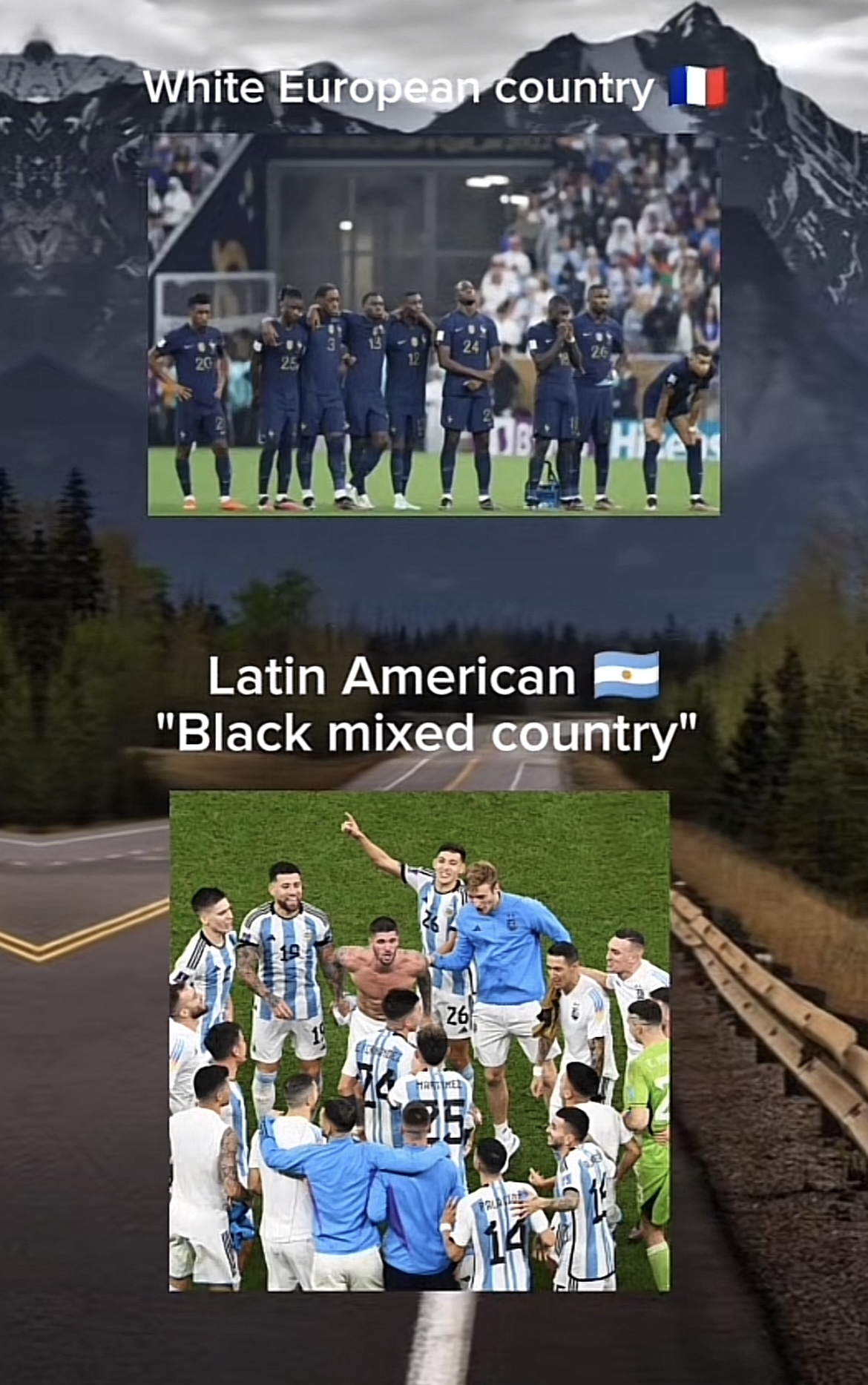
The phrase "Argentina is not part of Europe" is often used to remind observers that despite the European "veneer" of its capital, the country is deeply Latin American.
The Demographic Synthesis
While a significant portion of the population claims European ancestry, modern DNA studies and sociological research highlight a much more complex reality. A substantial percentage of the Argentine population has indigenous (Mestizo) heritage. The "melting pot" (crisol de razas) includes Afro-Argentine contributions that, while historically marginalized, are increasingly recognized in the country’s music (tango) and cultural history.
The Modern Argentine Identity
In 2026, the younger generations of Argentines often view their identity through a hemispheric lens. While they may hold Italian or Spanish passports due to ancestral lineage—a common practice for travel and work—their political loyalty and cultural resonance are firmly rooted in the Southern Cone. The pride in Argentine sports (particularly football), literature (Borges, Cortázar), and cinema is a pride in a uniquely Argentine output, not a European one.
Comparative Overview: Argentina vs. Europe
The following table highlights the fundamental differences between Argentina and the European continent (represented here by the European Union for political clarity) as of 2026.
| Feature | Argentina | Europe (European Union) |
|---|---|---|
| Continent | South America | Europe |
| Land Area | ~2.78 million sq km | ~4.23 million sq km |
| Primary Currency | Argentine Peso (ARS) | Euro (EUR) |
| Main Trade Bloc | Mercosur | European Union (EU) |
| Official Language | Spanish (Castellano) | 24 official languages |
| Time Zone | ART (UTC−3) | Range from UTC±0 to UTC+3 |
| Topographic High Point | Aconcagua (6,961m) | Mont Blanc (4,807m) |
| Geopolitical Alignment | G20, OAS, Mercosur | G7, G20, EU, NATO (most states) |
Common Misconceptions and Their Origins
Why do people still ask if Argentina is part of Europe? The misconception usually stems from three main factors:
- Eurocentrism in Education: Historically, Argentine elites promoted a "Europeanized" image of the country to distance it from its neighbors, which they viewed as less developed. This narrative was exported globally for decades.
- Passport Statistics: Because so many Argentines are eligible for European citizenship through descent (jus sanguinis), there is a high density of EU passport holders in the country. This can lead to the mistaken belief that the country itself has a political tie to the EU.
- Media and Aesthetics: When international media covers Argentina, they frequently focus on the European-style architecture of the Recoleta or Palermo neighborhoods in Buenos Aires, ignoring the vastly different landscapes of the northern provinces or the industrial outskirts.
The Role of Football and International Sports
In the world of sports, particularly football, Argentina is often compared to European powerhouses. However, Argentina competes in the CONMEBOL (South American Football Confederation) alongside Brazil and Uruguay, not UEFA. The rivalry between South American and European football styles further emphasizes that Argentina is a leader within its own continent, often serving as the primary challenger to European dominance on the global stage.
Practical Implications of the Distinction
Understanding that Argentina is not part of Europe is essential for several practical reasons:
- Travel and Visas: Travelers must follow Argentine immigration laws, which are separate from the ETIAS or Schengen requirements.
- Business and Trade: Investors must navigate Mercosur regulations. The EU-Mercosur Trade Agreement, a long-debated deal, highlights that the two entities are separate parties negotiating from different continental platforms.
- International Law: Argentina’s territorial claims, including those in the South Atlantic and Antarctica, are governed by South American regional interests and international treaties (like the Antarctic Treaty), rather than European continental law.
Frequently Asked Questions
Is Argentina part of the European Union?
No, Argentina is not a member of the European Union. It is located in South America and is a founding member of Mercosur. While it maintains strong diplomatic and trade relations with the EU, it has no political representation in European governing bodies and does not follow EU laws or regulations.
Why do many Argentines have European passports?
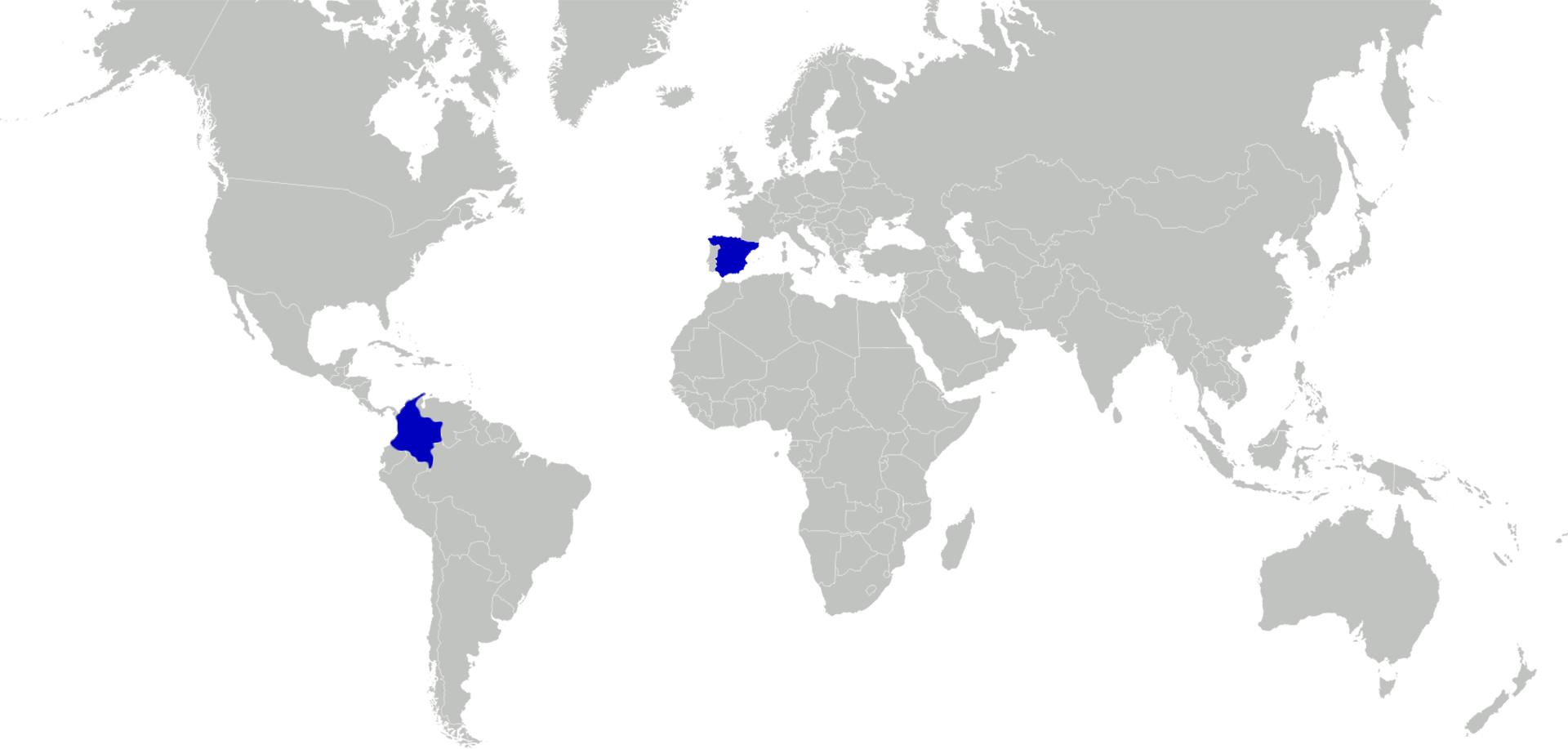
Many Argentines have European passports because of "jus sanguinis" (right of blood) laws in countries like Italy and Spain. These laws allow descendants of immigrants to claim citizenship. During the late 19th and early 20th centuries, millions of Italians and Spaniards moved to Argentina, and their descendants are now eligible for dual citizenship.
What is the main difference between Argentina and European countries?
The main differences are geographical and geopolitical. Argentina is located in the Southern Hemisphere of the Americas, follows a republican system modeled after the U.S. and French traditions, and is part of the South American economic landscape. Its challenges, such as regional trade integration and Southern Cone security, are distinct from those of the European continent.
Does Argentina speak a European language?
Yes, the official language of Argentina is Spanish, which originated in Europe. However, the variant spoken in Argentina, particularly the Rioplatense dialect, has evolved significantly with its own slang (lunfardo), grammar (voseo), and pronunciation, distinguishing it from the Spanish spoken in Spain.
Is Buenos Aires really like a European city?
Visually, parts of Buenos Aires strongly resemble European cities like Paris, Madrid, or Barcelona due to the architectural styles adopted during the late 19th century. However, the social dynamics, economic environment, and daily life are quintessentially Argentine and South American.
Summary and Next Actions
Argentina's identity is defined by its location in South America, its history of independence from Spain, and its role as a regional power in the Southern Cone. While its European heritage is an undeniable and beautiful part of its cultural tapestry, it is a sovereign South American nation with its own destiny.
For those looking to explore this distinction further, the following steps are recommended:
- Study Regional Trade: Look into the Mercosur official guidelines to understand how Argentina integrates with its neighbors.
- Explore History: Visit the Museo Nacional de Bellas Artes in Buenos Aires to see how European art styles were adapted to South American themes.
- Analyze Demographics: Review the latest census data from INDEC (Argentina's National Institute of Statistics and Censuses) for an accurate picture of the country's diverse population in 2026.
By recognizing Argentina as a South American entity with a European legacy, one gains a much deeper and more accurate appreciation for the country’s complex and vibrant character.