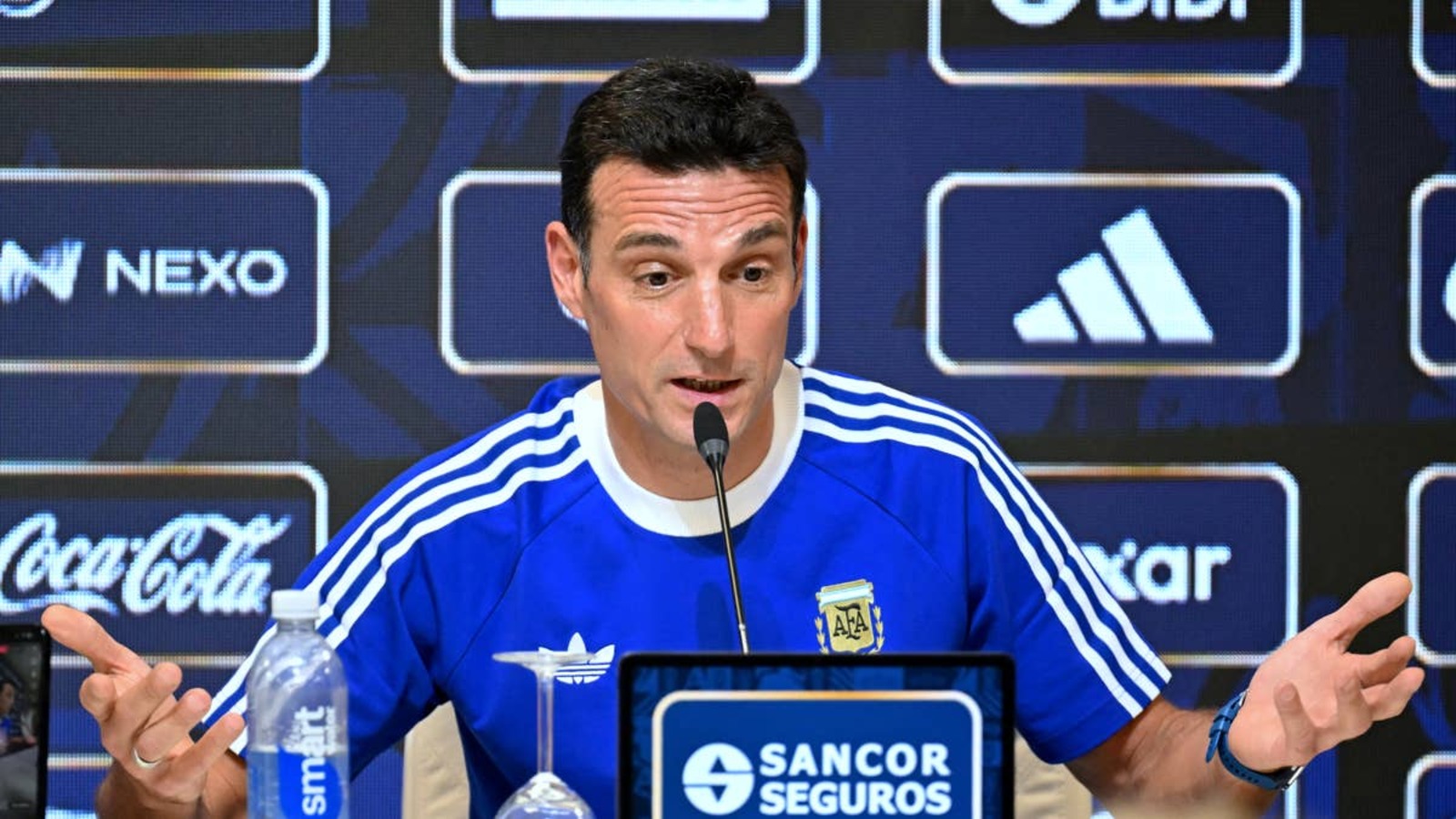
In the 2026 World Cup cycle, Argentina’s selection dilemma centers on balancing the integration of elite young talent with the managed involvement of veteran legends like Lionel Messi. Manager Lionel Scaloni must navigate a surplus of world-class midfielders and a high-stakes competition between strikers Julián Álvarez and Lautaro Martínez to maintain the chemistry that secured their previous global dominance.
As the 2026 FIFA World Cup approaches, hosted across Canada, Mexico, and the United States, the Argentine National Team—affectionately known as the Scaloneta—finds itself at a fascinating crossroads. Unlike the 2022 campaign, where the primary objective was ending a 36-year drought, the 2026 mission is about succession, evolution, and the logistical challenges of a 48-team tournament. The coaching staff faces the enviable but grueling task of narrowing down a golden generation of talent into a final 26-man roster.
The Messi Factor: Icon vs. Utility in 2026
The most significant selection dilemma revolves around the greatest player to ever wear the blue and white stripes. By mid-2026, Lionel Messi remains the spiritual leader of the squad, but his role has naturally evolved. The dilemma for Scaloni is not whether to include him—Messi's presence is a given—but how to architect a team that maximizes his vision without becoming overly dependent on a player in the twilight of his career.
In the qualification rounds leading up to 2026, we have seen a shift in how Argentina utilizes Messi. The tactical setup often transitions into a system where Messi operates as a "quarterback" or a deep-lying playmaker, rather than the explosive winger of a decade ago. This creates a secondary dilemma: who provides the verticality and pace that Messi can no longer sustain for 90 minutes? The selection of high-intensity players like Alejandro Garnacho and Nico González becomes mandatory to compensate for the captain's more stationary, albeit lethal, positioning.
Furthermore, the physical toll of the North American climate and the increased travel between host cities in 2026 means the squad must have a "Plan B" that does not include Messi on the pitch. Scaloni has experimented with a midfield-heavy 4-4-2 that focuses on ball retention, ensuring that when Messi is rested, the team’s structural integrity remains intact.
The Midfield Engine Room: A Surplus of Riches
Argentina’s greatest strength in 2026 is also its most difficult selection headache. The midfield trio that won the trophy in Qatar—Enzo Fernández, Alexis Mac Allister, and Rodrigo De Paul—remains world-class. However, the emergence of younger prospects and the peak form of bench options have made the starting spots highly contested.
The Rise of the Next Generation
Players like Valentín Carboni and the continued excellence of Exequiel Palacios at the club level have forced Scaloni to reconsider his "untouchables." The dilemma here is tactical profile:
- Enzo Fernández provides the passing range and tempo control.
- Alexis Mac Allister offers the tactical intelligence to play multiple roles (6, 8, or 10).
- Rodrigo De Paul is the "motor" and the primary protector of the space Messi leaves behind.
If Scaloni opts for more defensive solidity, he might sacrifice one of these creative hubs for a more traditional holding midfielder. Additionally, the need for "interior" players who can dribble in tight spaces—a role previously filled by Angel Di Maria—has led to the inclusion of younger, more agile options who are still proving their mettle under the high pressure of a World Cup environment.
The Number 9 Debate: Lautaro Martínez vs. Julián Álvarez
Perhaps the most debated topic in Argentine sports bars is who should lead the line. Both Lautaro Martínez and Julián Álvarez are in their prime in 2026, and both present vastly different tactical advantages.
Lautaro Martínez, the captain of Inter Milan, is a traditional "killer" in the box. His ability to hold up the ball and his physical presence against large North American or European defenders is invaluable. However, Julián Álvarez offers a level of defensive pressing and "off-the-ball" work rate that is arguably the best in the world. In the 2026 format, where teams may face more defensive "low blocks" from lower-ranked nations, Álvarez’s ability to find space and disrupt build-up play often gives him the edge in Scaloni's high-pressing system.
The dilemma isn't just about who starts, but how they coexist. While they have played together, it often requires sacrificing a midfielder, which can leave the defense exposed. Scaloni’s 2026 strategy appears to favor a "horses for courses" approach, switching between the two based on the opponent's defensive line height.
Defensive Transition: Replacing the Old Guard
While the attack and midfield grab headlines, the defense is undergoing a critical transition. Nicolás Otamendi has been the bedrock of the defense for over a decade, but 2026 represents the final handover to the "Cuti" Romero and Lisandro Martínez partnership.
The Romero-Martínez Synergy
Cristian "Cuti" Romero and Lisandro Martínez are widely considered one of the most complementary center-back pairings in international football. Romero provides the aggression and aerial dominance, while Martínez offers elite ball progression and recovery speed. The selection dilemma here is the backup depth.
The coaching staff must decide if they take veteran leaders for "locker room presence" or prioritize younger defenders like Leonardo Balerdi or Facundo Medina, who offer more longevity and speed. Given the 48-team format, squad depth is more important than ever; a single injury to Romero could destabilize the entire high-line defense that Argentina favors.
| Position | Primary Starter (2026) | Primary Challenger/Dilemma | Key Attribute at Stake |
|---|---|---|---|
| Goalkeeper | Emiliano Martínez | Walter Benítez | Personality vs. Shot-stopping |
| Right Back | Nahuel Molina | Gonzalo Montiel | Offensive overlap vs. Defensive reliability |
| Center Back (R) | Cristian Romero | Leonardo Balerdi | Aggression vs. Tactical discipline |
| Center Back (L) | Lisandro Martínez | Nicolás Otamendi | Modern build-up vs. Veteran experience |
| Left Back | Nicolás Tagliafico | Valentín Barco | Defensive stability vs. Elite crossing |
| Defensive Mid | Enzo Fernández | Leandro Paredes | Tempo control vs. Aggressive shielding |
| Central Mid | Rodrigo De Paul | Exequiel Palacios | Work rate vs. Technical precision |
| Attacking Mid | Alexis Mac Allister | Valentín Carboni | Tactical fluidity vs. Raw creativity |
| Forward/Winger | Lionel Messi | Alejandro Garnacho | Playmaking vs. Raw pace/Verticality |
| Striker | Julián Álvarez | Lautaro Martínez | High-pressing vs. Clinical finishing |
Logistical and Tactical Adaptations for 2026
The 2026 World Cup is unique due to its geography. The Argentine Football Association (AFA) has had to factor in the "Selection Dilemma" of squad fitness. Playing a match in the heat of Monterrey, Mexico, and then flying to the cooler climates of Toronto or the high altitude of certain US stadiums requires a roster with immense physical versatility.
Scaloni’s selection process now includes "physical durability" as a core metric. This has put pressure on players who are injury-prone, regardless of their technical ability. The dilemma often comes down to choosing a "7/10" player who is always fit over a "9/10" player who might miss the knockout rounds due to muscle fatigue.
This is particularly relevant for the wing-back positions. In the modern game, and specifically in Scaloni’s system, the full-backs (Molina and Tagliafico) are expected to cover more ground than almost anyone else. The emergence of Valentín Barco has created a dilemma on the left flank: do you trust the youngster's incredible offensive output, or do you stick with the defensive reliability of the veteran Tagliafico?
The "Final Five" Spots: The Bubble Players
The most agonizing part of the selection process involves the final few spots on the 26-man roster. These are typically reserved for "tactical wildcards" or young players being integrated for the future.
- The Third Goalkeeper: While Dibu Martínez is the undisputed number one, the third-choice keeper is often a morale-booster. However, in 2026, Scaloni has leaned toward selecting a younger keeper to shadow Martínez for the 2030 cycle.
- The "Di Maria" Archetype: With "El Fideo" retired from international duty, there is a vacuum for a player who can hug the touchline and beat a man 1v1. Alejandro Garnacho is the frontrunner, but his integration into the team's defensive structure remains a point of contention among the coaching staff.
- The Midfield Utility: A player who can play as a 6, 8, or even a wing-back in an emergency. This "Swiss Army Knife" role is vital for tournament football.
Navigating the Pressure of the Title Defense
The final layer of the selection dilemma is psychological. Argentina enters 2026 not as hunters, but as the hunted. The pressure on the younger players—many of whom were children or teenagers during the 2022 triumph—is immense. Scaloni has frequently emphasized that "the shirt doesn't win games," and his selection reflects a desire for players who are hungry rather than those who are satisfied with past glory.
This led to the difficult decision to phase out some heroes of the 2021-2022 era. The dilemma of "loyalty vs. form" is one that every World Cup-winning manager faces. Scaloni’s history suggests he will prioritize current form and tactical fit over historical sentiment, but the internal politics of a tightly-knit locker room make this a delicate balancing act.
FAQs About the Argentina 2026 Selection
Is Lionel Messi officially playing in the 2026 World Cup? As of 2026, Lionel Messi is part of the squad and has participated in the qualification process. While his minutes are managed more carefully than in previous tournaments, he remains the captain and a central figure in Scaloni's tactical plans. His role focuses more on playmaking and set-piece delivery.
Who is the primary replacement for Angel Di Maria? The "Di Maria role"—providing width and 1v1 dribbling—is currently contested by Alejandro Garnacho and Nicolás González. Garnacho offers more explosive pace and "flair," while González is preferred by Scaloni for his superior defensive work rate and aerial ability in both boxes.
Will Argentina stick to the 4-3-3 formation? Argentina is highly adaptable. While 4-3-3 is the baseline, they frequently transition to a 4-4-2 (with a midfield diamond) to accommodate Messi, or even a 3-5-2 against teams with two strikers. The selection dilemma often revolves around which formation best suits the specific opponent in the knockout stages.
What is the "Dibu" Martínez backup situation? Gerónimo Rulli and Walter Benítez are the primary backups. The dilemma for the coaching staff is that "Dibu" Martínez has a very specific, aggressive style and a massive psychological presence. Finding a backup who can replicate that confidence is nearly impossible, so the focus is on technical reliability.
How does the 48-team format change the squad selection? The expanded format means more matches to reach the final (an extra knockout round). This requires a deeper squad and more rotation. Scaloni is forced to select players who can contribute immediately off the bench, making "game-changers" just as important as the starting XI.
Final Recommendation for the 2026 Campaign
To navigate the 2026 selection dilemma successfully, the coaching staff must prioritize physical adaptability and tactical flexibility. The North American tournament will be a test of endurance as much as skill. Argentina’s best path forward is to utilize a "core" of the 2022 winners (Romero, De Paul, Mac Allister, Martínez) while fearlessly integrating the pace of Garnacho and the versatility of the younger midfield crop. Fans should expect a roster that looks to dominate possession but possesses the "emergency" speed to transition quickly—a necessary evolution to stay ahead of the world's elite.