As of 2026, Argentina peso notes serve as the primary physical medium for daily commerce in a highly cash-centric economy. Currently, the most relevant banknotes in circulation range from 1,000 to 20,000 pesos, following the 2024 introduction of higher denominations to address logistical challenges caused by inflation and to improve transaction efficiency across the country.
The Argentine Peso (ARS) has undergone significant transformations over the last decade, transitioning from a series of notes featuring indigenous fauna to a collection celebrating historical "Heroes and Heroines." For residents and visitors alike, understanding the physical nuances, security features, and practical value of these notes is essential for navigating the local economy safely and effectively.
The Evolution of Argentine Banknote Design
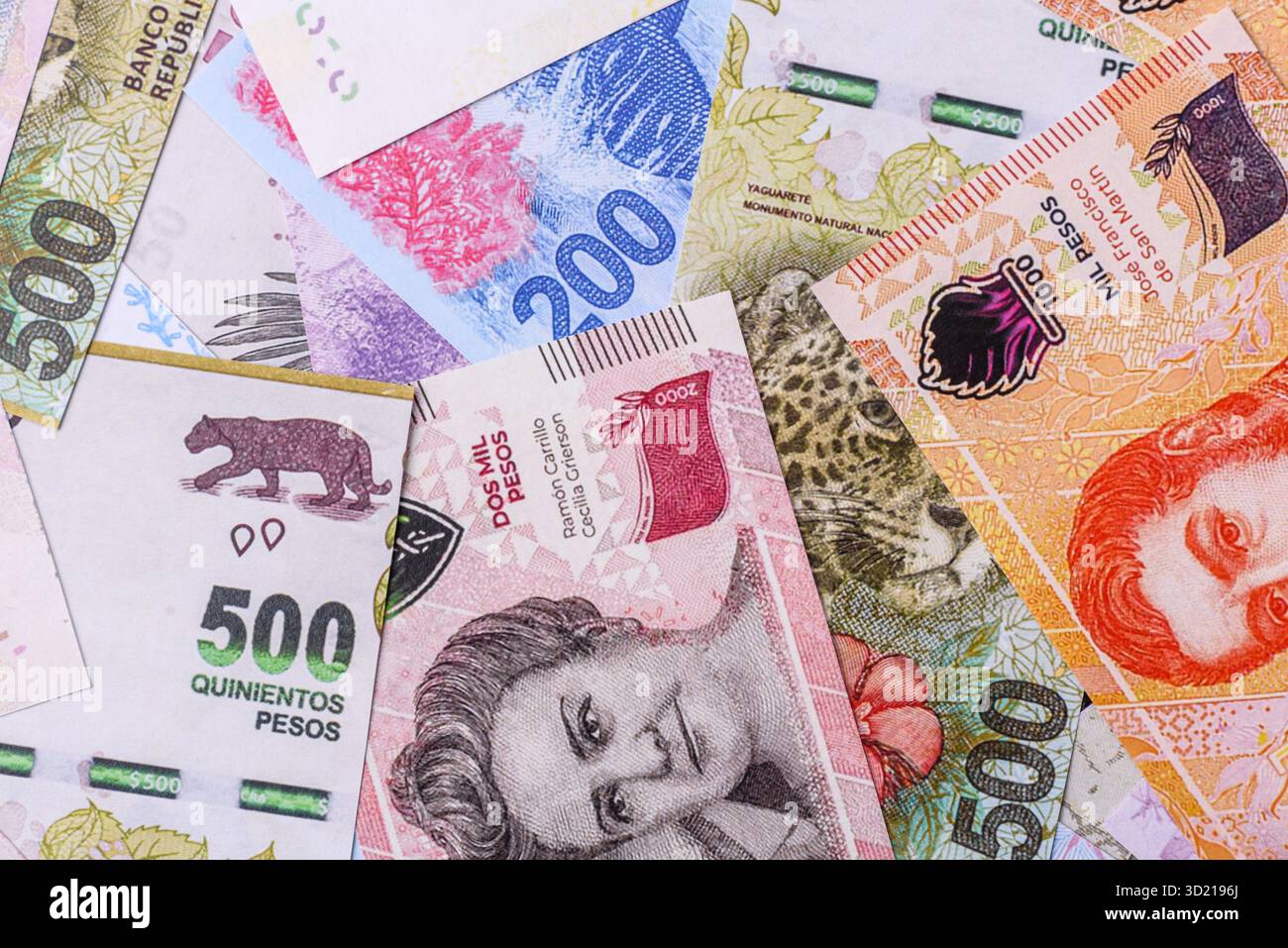
To understand Argentina peso notes today, one must look at the ideological and economic shifts that shaped them. In the mid-2010s, the Central Bank of the Argentine Republic (BCRA) launched the "Native Animals" series. This series featured the southern right whale ($200), the jaguar ($500), and the rufous hornero ($1,000), among others. The intent was to move away from political figures and focus on the country’s natural biodiversity.
However, starting in 2022, the administration shifted back toward historical portraiture with the "Heroines and Heroes of the Nation" series. This transition was not merely aesthetic; it was also a response to the need for higher denominations. As the purchasing power of the lower denominations faded, the BCRA began prioritizing the production of larger bills, eventually leading to the massive rollout of the 10,000 and 20,000 peso notes.
The Shift from Animals to Historical Figures
The "Animals" series remains legal tender in 2026, but they are increasingly rare in high-value transactions. Most of the cash flow is now dominated by the newer series featuring figures like María Remedios del Valle, Manuel Belgrano, and Juan Bautista Alberdi. This change reflects a cultural effort to re-establish national identity through the currency, even as the currency itself faces the technical hurdles of a high-inflation environment.
Current Denominations in Circulation
While notes as low as 10, 20, and 50 pesos technically exist, they have largely disappeared from circulation in 2026 due to their negligible value. Most automated teller machines (ATMs) and businesses focus on denominations of 1,000 pesos and above.
The 1,000 and 2,000 Peso Notes
The 1,000 peso note, once the highest denomination, is now considered "small change" for many daily items. There are two primary versions: the orange "Hornero" (bird) and the newer version featuring General José de San Martín. The 2,000 peso note, introduced in 2023, features pioneers of Argentine medicine, Cecilia Grierson and Ramón Carrillo. This note was the first to implement significantly upgraded security features to combat the rise in sophisticated counterfeiting.
The 10,000 Peso Note
Introduced in mid-2024, the 10,000 peso note was a turning point for cash logistics in Argentina. It features:
- Manuel Belgrano: The creator of the Argentine flag and a key figure in the War of Independence.
- María Remedios del Valle: A soldier known as the "Mother of the Homeland," who fought in the Army of the North.
The portrait of Belgrano used on this note is attributed to the French artist François-René Moreaux, providing a classic, dignified look to the currency.
The 20,000 Peso Note
The 20,000 peso note is currently the highest denomination in the ARS system. It honors Juan Bautista Alberdi, the primary architect of the Argentine Constitution of 1853. The reverse side of the note depicts a recreation of his childhood home, symbolizing the intellectual foundations of the nation. These high-value notes are essential for larger purchases, as they reduce the physical volume of cash required—a major pain point for the Argentine banking system prior to 2024.
Technical Specifications and Security Features
Given the high volume of cash in circulation, the BCRA and the Argentine Mint (Casa de Moneda) utilize advanced printing technologies. Authentic Argentina peso notes are printed on 100% cotton fiber paper, which has a distinct "crunch" and texture that is difficult to replicate with standard commercial papers.
Primary Security Indicators
To verify an Argentina peso note, users should employ the "Touch, Look, and Tilt" method:
- Watermarks: When held against the light, high-denomination notes ($2,000, $10,000, and $20,000) reveal portraits of the featured historical figures along with their initials in a light-colored area.
- Security Thread: A micro-perforated or "windowed" security thread is woven into the paper. In the 10,000 and 20,000 peso notes, this thread exhibits a dynamic effect where the color changes when the note is tilted.
- Optically Variable Ink (OVI): Certain elements, such as the denomination number or a specific symbol (like a sun or a shield), are printed with ink that shifts from green to blue or gold to green depending on the angle of light.
- Intaglio Printing: The portraits and the words "Banco Central de la República Argentina" are printed in raised ink. You should be able to feel the texture by running a fingernail across the surface.
- Latent Images: Small initials or symbols are hidden within the design, visible only when the note is held horizontally at eye level.
Microtext and UV Features
Under a magnifying glass, authentic notes contain incredibly small text that appears as solid lines to the naked eye. Furthermore, under ultraviolet (UV) light, specific fibers embedded in the paper glow in different colors, and the serial numbers fluoresce.
Practical Handling and Exchange in 2026
For those dealing with Argentina peso notes, the "Blue Dollar" (informal exchange rate) remains a critical factor. While the official rate is used for government transactions and some bank operations, the informal market often dictates the actual purchasing power of the notes in the street.
Cash Storage and Logistics
Due to the sheer number of bills often required for mid-sized transactions (like a dinner for four or a grocery run), many residents use larger wallets or small pouches. When receiving a large stack of 1,000 or 2,000 peso notes, it is standard practice in Argentina to count them carefully. Locals often use a "fanning" technique to quickly verify the quantity and look for the security thread.
The Preference for "Crisp" Notes
In the parallel exchange market, there is a strong preference for high-value foreign currency (like 100 USD bills) that is in "pristine" condition. Conversely, when you receive Argentina peso notes, you may find they vary significantly in wear. As long as the security features are intact and both serial numbers are visible, the note is legal tender. However, notes that are torn or taped are often rejected by automated machines and some cautious merchants.
Comparison of Major Argentina Peso Notes
The following table outlines the key characteristics of the most commonly used banknotes in 2026.
| Denomination | Color Palette | Primary Figure(s) | Key Security Feature |
|---|---|---|---|
| $1,000 | Orange / Violet | Rufous Hornero / San Martín | Watermark and windowed thread |
| $2,000 | Dark Grey / Pink | Grierson & Carrillo | Green-to-blue OVI ink |
| $10,000 | Blue / Turquoise | Belgrano & Remedios del Valle | Dynamic security thread |
| $20,000 | Blue / Red | Juan Bautista Alberdi | SPARK Flow color-shifting ink |
Common Mistakes and How to Avoid Counterfeits
Counterfeiting remains a concern, particularly with the newer 10,000 and 20,000 peso notes. Because these notes represent significant value, they are primary targets for illicit duplication.
- Avoid "Washed" Notes: Some counterfeiters take a low-value note (like an old $100) and print the image of a $10,000 note over it. While the paper feels "real," the watermark will still show the original $100 figure. Always check that the watermark matches the printed portrait.
- Check the Edges: Authentic notes have clean, precise edges. If a note feels slightly fuzzy or the ink looks "bleached" at the margins, it may be a high-quality photocopy or a digital print.
- The Serial Number Test: Every note has two serial numbers (one horizontal and one vertical). On authentic notes, these must match perfectly. Many low-grade counterfeits fail to synchronize these numbers.
For more information on the official designs and historical context of the currency, you can visit the Banco Central de la República Argentina (BCRA) website.
The Future of Physical Currency in Argentina
While digital payment methods like "Mercado Pago" and bank transfers have exploded in popularity, Argentina peso notes remain indispensable. The informal economy—which accounts for a significant portion of the country's GDP—operates almost exclusively in cash. Furthermore, in rural areas or during frequent power outages/connectivity issues, physical currency is the only reliable way to conduct business.
The BCRA continues to monitor the need for even higher denominations. If inflation trends persist, there is ongoing debate about the introduction of a 50,000 peso note. However, for 2026, the 20,000 peso note remains the flagship of the Argentine monetary system, representing the peak of the nation's security printing capabilities.
FAQ
Are the old 100 peso notes still valid?
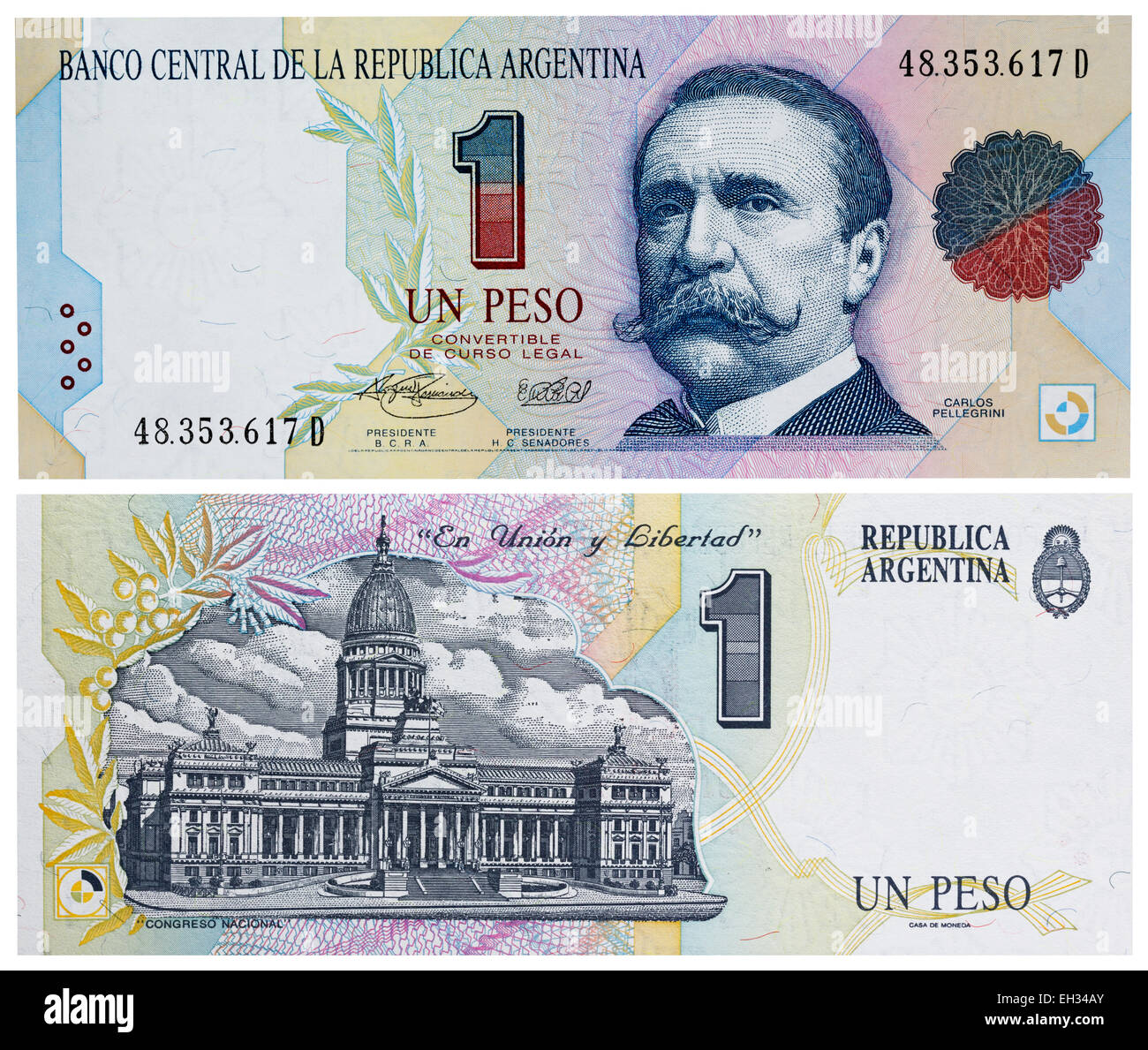
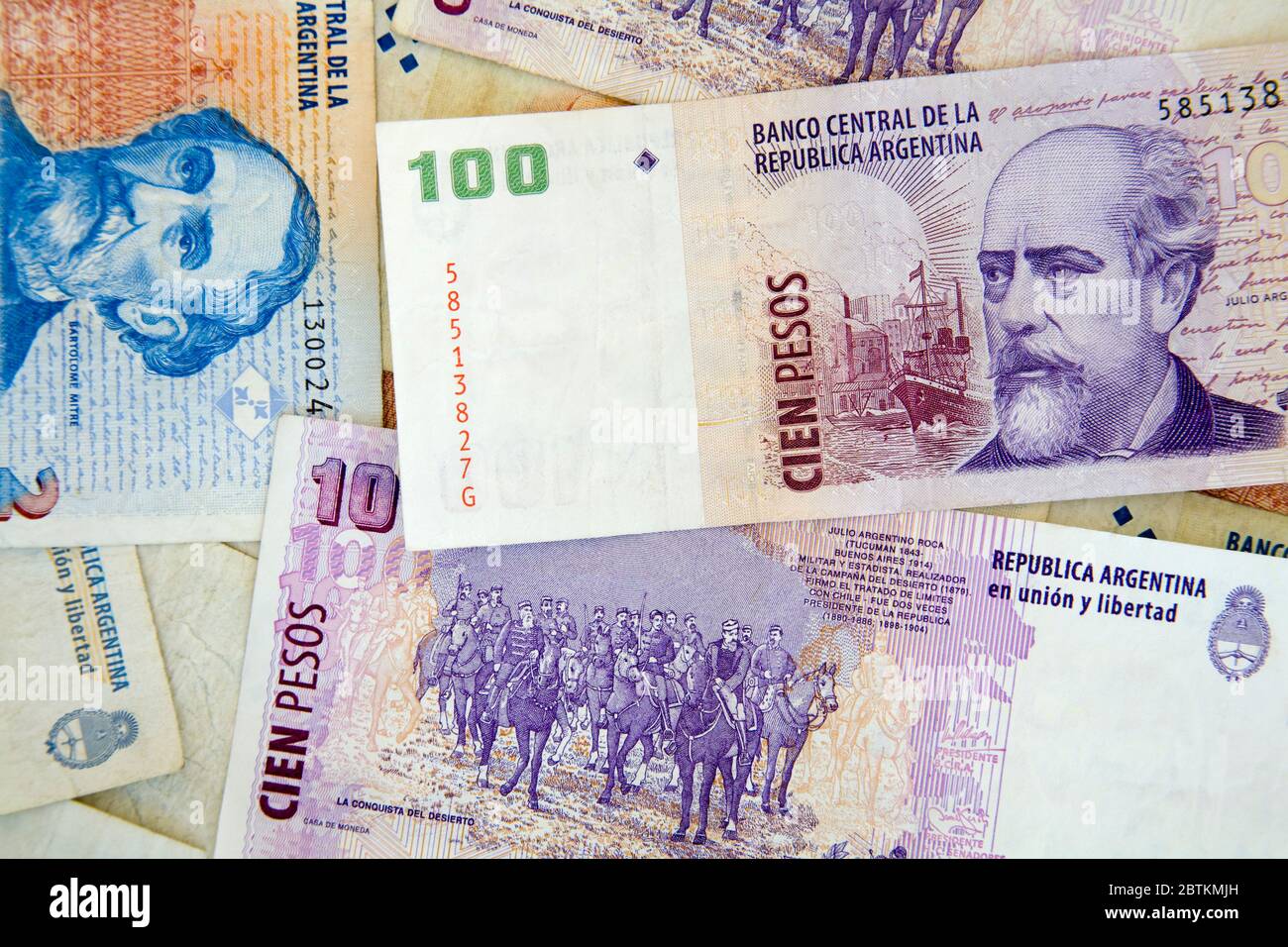
Yes, the various versions of the 100 peso note (featuring Julio Argentino Roca, Eva Perón, or the Taruca deer) are still legal tender. However, in 2026, their value is so low that they are rarely used for anything other than small change in supermarkets. Most street vendors and taxis may find them cumbersome if used for larger payments.
How can I tell if a 20,000 peso note is real?
The most reliable way is to check the SPARK Flow element. When you tilt the note, you should see a bright ring of light moving across the denomination number or symbol. Additionally, check for the watermarked portrait of Juan Bautista Alberdi, which should be clear and highly detailed, not blurry.
Why are there two different 1,000 peso notes?
Argentina is currently in a transition period between the "Animals" series (the orange Hornero bird) and the "Heroes" series (San Martín). Both were printed in massive quantities and are equally valid. The San Martín version was introduced later to align with the government's shift back to historical figures.
Can I exchange damaged peso notes?
Yes. If a note is torn, stained, or partially destroyed, you can take it to any commercial bank or the Central Bank (BCRA) for a replacement, provided that at least 60% of the note is intact and the security features are verifiable.
Do ATMs in Argentina dispense 20,000 peso notes?
As of 2026, most modern ATMs in major cities like Buenos Aires, Córdoba, and Rosario have been recalibrated to dispense 10,000 and 20,000 peso notes. However, older machines in smaller towns may still dispense 1,000 or 2,000 peso notes, which can result in very thick stacks of cash for even modest withdrawals.
Final Recommendation for Users
When handling Argentina peso notes in 2026, your best strategy is to familiarize yourself with the $10,000 and $20,000 denominations, as these will constitute the bulk of your high-value transactions. Always verify security features—specifically the watermarks and color-shifting ink—whenever you receive change in an informal setting. If you are a visitor, try to use digital payments for large expenses like hotels, but keep a healthy supply of high-denomination peso notes for dining and local markets where "cash is king" and often earns you a "descuento" (discount).