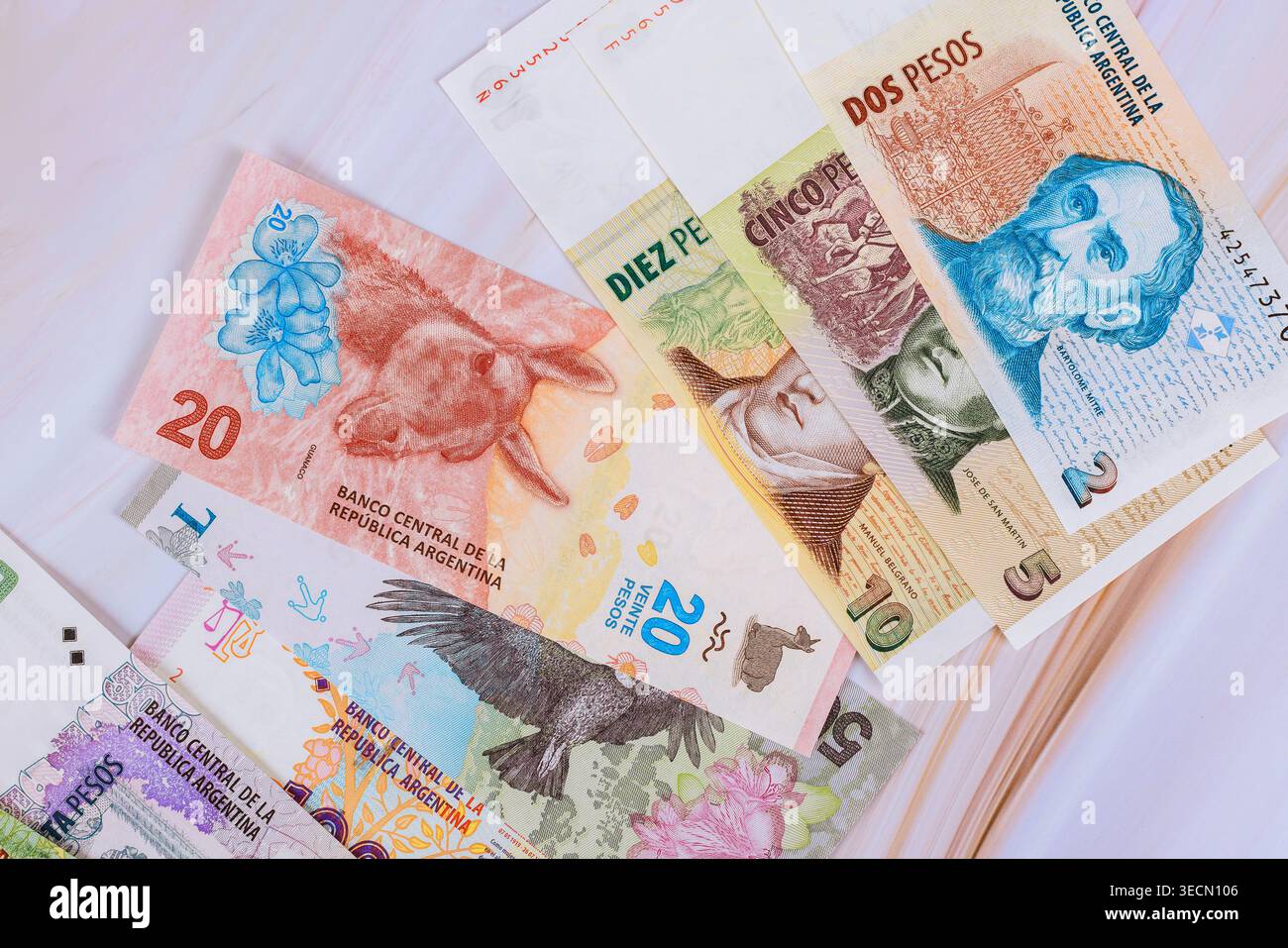
Argentina values are defined by a unique blend of European heritage and Latin American passion, prioritizing deep-rooted family loyalty, intense social connectivity, and a resilient, adaptive approach to both personal and professional life. These values manifest through high-context communication, a preference for trust-based relationships over rigid contracts, and a collective national pride centered on intellectualism and cultural expression.
In 2026, understanding the nuances of Argentine values is essential for travelers, expatriates, and business professionals alike. While "values" can occasionally refer to economic indicators like the exchange rate of the Argentine Peso or market valuations, the primary search intent revolves around the societal norms and ethical frameworks that govern life in this South American nation. This guide explores the foundational pillars of Argentine identity, offering a roadmap for navigating its complex social landscape.
The Bedrock of Argentine Society: Family and the Inner Circle
At the heart of Argentina values lies an unwavering commitment to the family unit. Unlike the more individualistic cultures of Northern Europe or North America, Argentina maintains a collectivist approach where the family serves as the primary source of emotional and financial support.
The Role of the Extended Family
In Argentina, the definition of family extends far beyond the nuclear unit. Grandparents, aunts, uncles, and cousins often play active, daily roles in one another’s lives. It is standard practice for multi-generational families to gather every Sunday for an asado (barbecue), a ritual that reinforces hierarchy, tradition, and belonging. In 2026, even as urbanization and digital lifestyles evolve, these weekly gatherings remain a non-negotiable aspect of the social calendar.
Loyalty and Trust (Confianza)
The concept of confianza (trust) is the currency of Argentine life. Trust is not given automatically; it is built over time through shared meals, long conversations, and mutual favors. Once someone is admitted into the inner circle, the level of loyalty expected is absolute. This often translates into a "favor-based" economy where people prefer to do business or solve problems through known contacts rather than anonymous institutions.
Communication Styles: Passion, Proximity, and Eloquence
Argentine communication is famously vibrant, often characterized by a high degree of emotional expression and physical proximity. Understanding these traits is vital for avoiding cultural misunderstandings.
High-Context and Indirect Communication
Argentines are high-context communicators. This means that the meaning of a conversation is often found in the "how" rather than just the "what." Tone of voice, facial expressions, and situational context carry significant weight. While Argentines can be incredibly blunt regarding personal opinions or appearances, they may be indirect when delivering bad news or saying "no" to avoid causing offense or damaging a relationship.
Physical Proximity and Body Language
In Argentina, personal space boundaries are significantly smaller than in many other Western cultures. It is customary to greet friends, colleagues, and even new acquaintances with a single kiss on the cheek (un beso). During a conversation, touching an arm or standing close is a sign of engagement and warmth, not an intrusion. Retracting or maintaining a wide distance can be misinterpreted as coldness or elitism.
Intellectualism and Debate
Argentina values education and intellectual prowess. The nation boasts a high literacy rate and a long history of literary and scientific achievements. Consequently, lively debates about politics, philosophy, and history are common social pastimes. Being able to articulate a position with passion and eloquence is highly respected, even if the parties involved disagree vehemently.
Professional Values and Workplace Etiquette
Navigating the Argentine business world requires a shift from "task-oriented" to "relationship-oriented" thinking. Success in this market is rarely about the best price or the fastest delivery; it is about who you know and how much they trust you.
Relationship-First Business
Cold calling or jumping straight into a business pitch is often counterproductive in Argentina. Initial meetings are frequently dedicated entirely to getting to know one another. Discussing family, hobbies, and general interests is a prerequisite for any formal agreement. In 2026, while digital communication has accelerated the pace of business, the "coffee culture" remains the primary venue for closing deals.
Hierarchy and Decision-Making
Argentine companies tend to be hierarchical. While the younger generation of tech entrepreneurs is adopting flatter structures, traditional firms still rely on a top-down approach. Decisions are usually made by the highest-ranking individual, and subordinates may be hesitant to contradict their superiors in public. When negotiating, it is crucial to ensure you are speaking with the person who has the final authority.
Flexibility and "La Cintura"
Due to decades of economic volatility, Argentines have developed an incredible capacity for improvisation, known locally as having cintura (literally "waist," referring to the ability to dodge and weave). Flexibility is valued more than rigid adherence to a long-term plan. In the workplace, this means that deadlines might be fluid, and strategies may change overnight in response to new government regulations or market shifts.
| Value | Cultural Context | Practical Application for Foreigners |
|---|---|---|
| Family | Highest priority; the center of social life. | Avoid scheduling business on Sunday afternoons. |
| Punctuality | Fluid in social settings; stricter in business. | Arrive on time for work, but expect parties to start late. |
| Loyalty | Deep commitment to the "inner circle." | Invest time in building long-term relationships. |
| Communication | Passionate, tactile, and expressive. | Embrace eye contact and the cheek-kiss greeting. |
| Resilience | Ability to adapt to economic instability. | Remain calm during sudden logistical or financial changes. |
The "Aguante" Mentality: Resilience in the Face of Adversity
One cannot discuss Argentina values without mentioning aguante. This term roughly translates to "stamina" or "holding on." It describes the collective pride Argentines take in their ability to endure and overcome economic crises, political shifts, and social upheavals.
Economic Resilience and Material Values
The historical instability of the Argentine Peso has shaped a specific set of economic values. There is a traditional preference for "hard assets" like real estate or US Dollars over local savings accounts. In 2026, this resilience is visible in the way Argentines manage their finances—often being highly sophisticated in their understanding of inflation, currency hedging, and alternative investments.
The Value of "Viveza Criolla"
A controversial but undeniable part of the national psyche is viveza criolla—a type of "native cunning" or "street smarts." It refers to the ability to find a clever, sometimes unconventional way around a problem or a rule. While many modern Argentines view this trait critically as a barrier to institutional progress, it remains a recognized part of the social fabric, often celebrated in humor and folklore.
Rituals and Cultural Symbols
Values are often expressed through symbols. In Argentina, these symbols are not merely decorations but active participants in daily life.
- Mate: The traditional herbal tea shared from a common gourd. Drinking mate is the ultimate expression of equality and community. To be offered a mate is a sign of acceptance into a social circle.
- Fútbol (Soccer): More than a sport, soccer is a vessel for national identity and communal passion. The values of teamwork, suffering for one's colors, and local pride are all distilled into the 90 minutes on the pitch.
- The Arts: From Tango to avant-garde cinema, Argentina values the "soul" of the artist. Creativity is seen as a vital response to the human condition.
Navigating Social Etiquette: Common Pitfalls
To successfully integrate or conduct business in Argentina, certain social "rules" should be observed to show respect for local values.
- Gifting: If invited to an Argentine home, it is customary to bring a gift. High-quality wine or chocolates are excellent choices. Avoid giving personal items like clothing unless you know the person very well.
- Dining Times: Dinner in Argentina happens late, rarely before 9:00 PM or 10:00 PM. Arriving at a restaurant at 7:00 PM will likely find you in an empty room.
- Conversation Topics: Argentines are very open about their opinions. However, as a foreigner, it is wise to listen more than you speak when the topic turns to the Falkland Islands (Islas Malvinas) or sensitive historical periods like the "Dirty War."
- Punctuality nuances: For a social party at a home, arriving "on time" is often considered too early. Arriving 30 to 60 minutes after the stated time is the norm. For a business meeting, however, punctuality is expected.
Frequently Asked Questions
What are the most important core values in Argentina?
The most important core values are family loyalty, social connection, and personal honor. Argentines place a high premium on maintaining deep relationships and being "present" for their loved ones. This collectivist spirit informs everything from Sunday dinners to how business deals are negotiated through personal networks.
How does the concept of time differ in Argentina?
Time in Argentina is perceived as "polychronic," meaning people are more important than schedules. While professional environments are becoming more punctual, social life remains fluid. It is common for social gatherings to start much later than the invitation suggests, as the focus is on the quality of the interaction rather than adhering to a clock.
Is religion a major factor in Argentine values?
While Argentina is traditionally a Catholic country and the church remains an influential institution, the society is increasingly secular, especially in urban centers like Buenos Aires. For many, Catholic traditions are more about cultural heritage and family rituals (such as baptisms and weddings) than strict religious observance.
Why is friendship so highly valued in Argentina?
Friendship is considered a chosen family. The national "Friend's Day" (Día del Amigo) on July 20th is one of the most important dates on the calendar, often rivaling Christmas in terms of social activity. In a country that has faced frequent institutional and economic challenges, a strong network of friends is a vital safety net for emotional and practical support.
What should I know about Argentine business culture?
In business, focus on building a personal rapport before discussing numbers. Expect meetings to be long and discursive. Respect the hierarchy, but also be prepared for sudden changes in plans. Flexibility and the ability to build trust (confianza) are the most valuable assets you can bring to an Argentine business relationship.
Recommended Next Actions
If you are planning to engage with Argentine culture or business in 2026, your first step should be to invest in relationship-building. Rather than relying solely on email or formal correspondence, prioritize face-to-face meetings or video calls where you can discuss non-business topics.
Additionally, familiarize yourself with the local history and current events. Argentines are deeply proud of their culture and intellectual heritage; showing a genuine interest in their literature, music, or political landscape will go a long way in establishing the confianza necessary for a successful and fulfilling experience in the country. For specific legal or financial matters, always consult with a local professional who understands the current 2026 regulatory environment, as the "rules of the game" can change frequently.