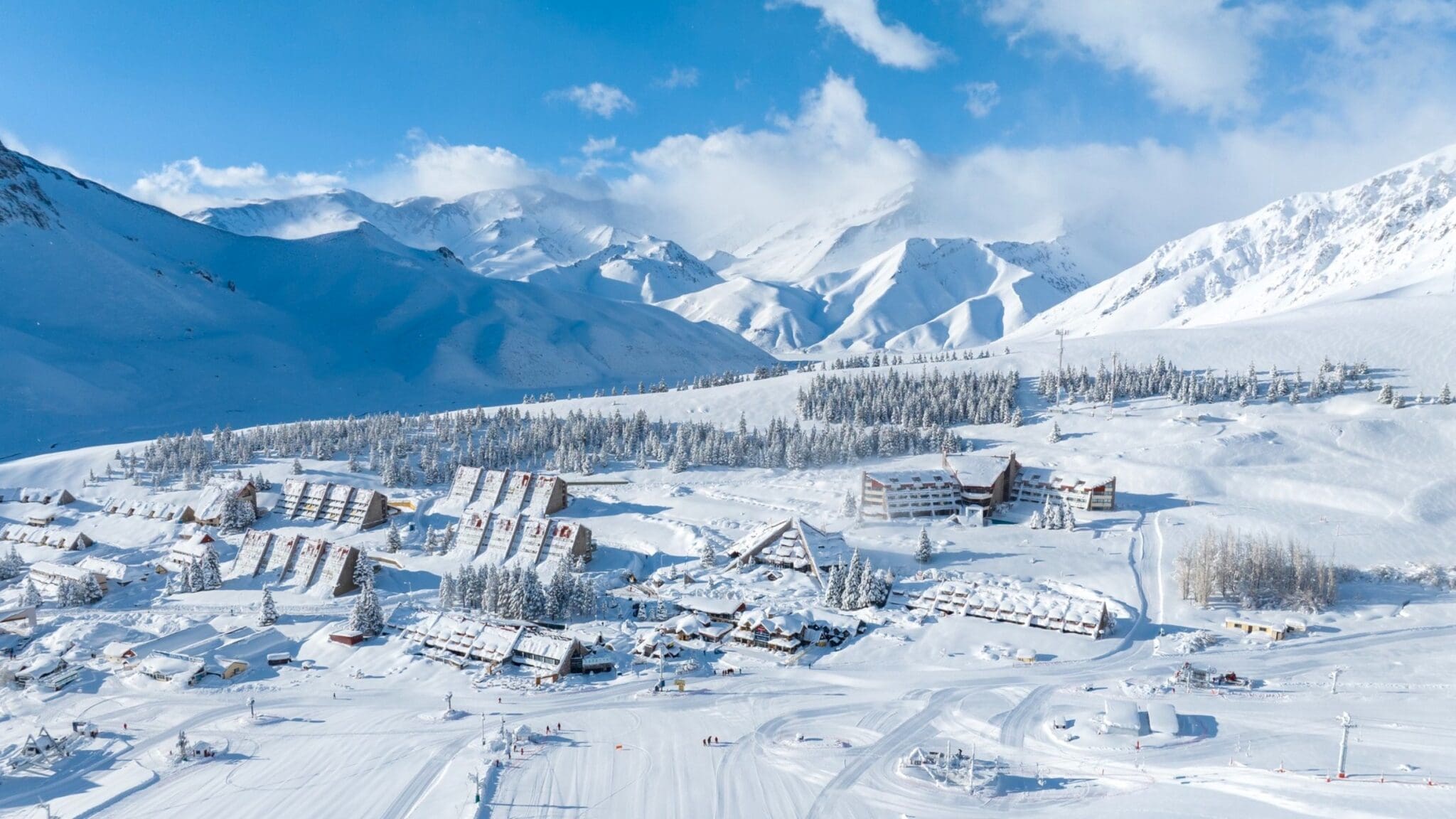
Argentina offers the premier ski experience in the Southern Hemisphere, combining vast Andean terrain, world-class infrastructure, and a vibrant cultural scene. To successfully navigate the 2026 season, travelers should focus on the Lake District for variety, Mendoza for extreme terrain, and Tierra del Fuego for the most reliable snow conditions and longest season.
The Argentine Andes span thousands of miles, but the skiing is concentrated in three primary regions: Cuyo (Mendoza), the Northern Lake District (Neuquén and Río Negro), and Southern Patagonia (Chubut and Tierra del Fuego). Each region caters to different skill levels and lifestyle preferences, from the high-altitude, steep chutes of Las Leñas to the family-friendly, forested slopes of Chapelco. As we enter the 2026 winter season, the infrastructure at major resorts has seen significant modernization, including expanded snowmaking capabilities and high-speed lift replacements aimed at reducing wait times during the peak July holidays.
Understanding the Argentine Ski Season and Climate
The ski season in Argentina typically runs from mid-June through early October. However, the timing of your trip significantly impacts both the quality of the snow and the cost of the experience.
The Peak vs. Value Periods
July is the busiest month, coinciding with Argentine school winter holidays. During this period, resorts like Catedral Alta Patagonia and Chapelco operate at maximum capacity. Expect higher prices for accommodation and lift passes, as well as longer queues at primary base lifts. By 2026, many resorts have implemented tiered pricing systems that favor those booking "low season" windows in late August and September.
August is widely considered the "sweet spot" for international travelers. The snow base is usually at its deepest, the weather stabilizes with more "bluebird" days, and the crowds begin to thin after the mid-July rush. September offers excellent spring skiing, particularly in high-altitude resorts like Las Leñas or the southernmost slopes of Cerro Castor, where the cold latitude preserves the pack.
Snow Quality and Terrain
Unlike the light, dry "champagne powder" often found in the Utah Rockies, Argentine snow varies by latitude. In the Lake District (Bariloche), the snow can be heavier due to the proximity to Pacific moisture. In contrast, the high-altitude desert climate of Mendoza produces drier snow, though it is more susceptible to wind-scouring. For the most consistent, powdery conditions in 2026, skiers often look toward Cerro Castor in Ushuaia, which benefits from lower temperatures and a unique microclimate.
Major Resort Profiles: Where to Ski in 2026
Choosing the right resort is the most critical decision for an Argentine ski holiday. The "Big Four"—Catedral, Las Leñas, Chapelco, and Cerro Castor—represent the pinnacle of the country's offerings, but several "boutique" resorts provide compelling alternatives.
Catedral Alta Patagonia (San Carlos de Bariloche)
Located just 12 miles from the city of Bariloche, Catedral Alta Patagonia is the largest ski center in the Southern Hemisphere. It boasts over 1,200 hectares of skiable terrain and more than 30 lifts.
- Best For: Variety, nightlife, and infrastructure.
- The Experience: Catedral is a "mega-resort" in every sense. It offers everything from gentle beginner slopes at the base to challenging off-piste bowls at the summit. The 2026 season sees the full integration of the "Master Plan" infrastructure upgrades, including the high-speed sextuple lifts that have dramatically increased uphill capacity from the base area.
- The Town: Bariloche is the "Chocolate Capital" of Argentina. After a day on the slopes, the city offers world-class dining, craft breweries, and luxury hotels overlooking Lake Nahuel Huapi.
Las Leñas (Mendoza)
Situated in the heart of the Andes in Mendoza Province, Las Leñas is a pilgrimage site for extreme skiers and snowboarders. It is famous for its steep, lift-accessed backcountry and the legendary "Marte" chairlift.
- Best For: Expert terrain, big mountain lines, and ski-in/ski-out convenience.
- The Experience: The resort is a purpose-built village. While there are beginner and intermediate runs, the real draw is the "off-piste" bowls. If the Marte lift is open (it is highly dependent on wind and weather), it unlocks some of the most challenging lift-served terrain in the world.
- Technical Note: Because of its high base elevation (7,349 ft), altitude sickness can be a factor for some visitors. It is recommended to stay hydrated and allow for an acclimatization day.
Chapelco (San Martín de los Andes)
Frequently voted as the best ski resort in Argentina by the World Ski Awards, Chapelco offers a more refined, scenic, and family-oriented experience than the bustling Catedral.
- Best For: Families, intermediate skiers, and scenery.
- The Experience: The resort is famous for its ancient Lenga forests. Skiing through these "fairytale" woods provides natural wind protection and a unique aesthetic. The views of the Lanín Volcano and Lake Lácar are arguably the best in the country.
- The Town: San Martín de los Andes is a picturesque mountain village with strict building codes, ensuring a cozy, alpine atmosphere without the high-rise sprawl seen in other cities.
Cerro Castor (Ushuaia)
Located at the "End of the World" in Tierra del Fuego, Cerro Castor is the southernmost ski resort on the planet. Its unique location means the base is nearly at sea level, but the temperatures remain cold.
- Best For: Snow consistency, long seasons, and modern lift tech.
- The Experience: Because of its southern latitude, the sun stays low in the sky, preventing the snow from melting and refreezing as quickly as it does further north. It is a favorite training ground for European and North American Olympic teams during their off-season.
Comparison of Top Argentina Ski Resorts (2026 Season Data)
| Resort Name | Location | Max Elevation (m) | Vertical Drop (m) | Best Skill Level | Nearest Airport |
|---|---|---|---|---|---|
| Catedral Alta Patagonia | Bariloche | 2,180 | 1,150 | All Levels | BRC (Bariloche) |
| Las Leñas | Mendoza | 3,430 | 1,200 | Expert / Extreme | AFA (Malargüe) |
| Chapelco | San Martín | 1,980 | 730 | Intermediate / Family | CPC (Chapelco) |
| Cerro Castor | Ushuaia | 1,057 | 800 | All Levels | USH (Ushuaia) |
| Cerro Bayo | Villa La Angostura | 1,782 | 700 | Boutique / Luxury | BRC (Bariloche) |
| La Hoya | Esquel | 2,075 | 645 | Budget / Freeride | EQC (Esquel) |
Logistics: Getting to the Slopes in 2026
Traveling to Argentina for skiing requires a two-step flight process for most international visitors. All major international flights arrive at Ministro Pistarini International Airport (EZE) in Buenos Aires.
Domestic Connections
While some domestic flights depart from EZE, the majority of flights to the mountains leave from Aeroparque Jorge Newbery (AEP), the city-center airport. When booking for 2026, ensure you allow at least 4 to 5 hours for the transfer between EZE and AEP, as Buenos Aires traffic can be unpredictable.
- To Bariloche/Chapelco: Frequent daily flights (approx. 2 hours).
- To Las Leñas: Flights to Malargüe (AFA) are limited. Many travelers fly to Mendoza (MDZ) and take a 4-5 hour private transfer or bus.
- To Cerro Castor: A 3.5-hour flight from Buenos Aires to Ushuaia (USH).
Equipment Rentals and Gear
By 2026, all major resorts have modernized their rental fleets. Top-tier "Demo" packages featuring the latest models from brands like Rossignol, Salomon, and Atomic are widely available. If you are an expert skier heading to Las Leñas, bringing your own boots is highly recommended, even if you choose to rent wide-body powder skis locally.
Costs, Budgeting, and Currency
In 2026, Argentina's economy remains a factor for travelers to monitor. While lift tickets (locally called "pases") are generally more affordable than those at major US or European resorts, inflation and exchange rate fluctuations can change prices rapidly.
- Lift Tickets: Expect to pay between $60 and $90 USD per day for a standard adult pass at major resorts like Catedral or Las Leñas. Multi-day discounts (5-7 day passes) are standard and offer 10-15% savings.
- Dining: Argentina offers incredible value in gastronomy. A mountainside lunch of choripán or milanesa is affordable, while a high-end steak dinner with Malbec wine in town remains a highlight of the trip.
- Payment Methods: Credit cards are accepted at all major resorts and hotels. However, carrying some local currency (Argentine Pesos) is useful for small tips, mountain huts (refugios), and smaller shops.
Safety and Backcountry Considerations
For those looking to explore the backcountry (fuera de pista), safety must be the priority. The Andes are a wild and often unforgiving mountain range.
- Avalanche Awareness: Unlike US resorts, "in-bounds" avalanche control in Argentina can be less rigorous in remote bowls. Always check the daily avalanche report provided by the Centro de Información de Avalanchas (CIAV).
- Hiring Guides: If you plan to ski the Marte at Las Leñas or the backcountry of Catedral, hiring a local UIAGM-certified guide is essential. They not only ensure safety but also know which couloirs have the best snow accumulation.
- Insurance: Ensure your travel insurance explicitly covers "mountain sports" or "off-piste skiing." Standard policies often exclude these activities.
Frequently Asked Questions
Do I need to speak Spanish to ski in Argentina?
While not strictly necessary at major resorts like Catedral or Las Leñas, where many instructors and hotel staff speak English, having a basic grasp of Spanish is very helpful. Most ski schools offer lessons in English, but it is best to book these in advance during the 2026 peak season to ensure availability.
Is the "Blue Dollar" still a thing for travelers in 2026?
The currency landscape in Argentina has historically involved multiple exchange rates. Travelers should check current regulations before departure. In recent years, many international credit cards have been granted a preferential "MEP" exchange rate, making it unnecessary to carry large amounts of physical cash to get a fair price.
What is the "Refugio" culture?
Argentine skiing features a unique "Refugio" (mountain hut) culture, particularly in Bariloche. These are rustic, high-altitude shelters where you can eat a hearty meal or even stay overnight. Visiting a refugio like Refugio Frey is a rite of passage for adventurous skiers, though it requires a hike or skin-in.
Can I ski a volcano in Argentina?
Yes. Several resorts are located on or near dormant or active volcanoes. Caviahue is located at the base of the Copahue Volcano and offers "snow-cat" skiing to the crater's edge. Chapelco and Cerro Bayo also offer stunning views of the volcanic chain along the border with Chile.
What should I pack for an Andean winter?
The Andes are known for high winds (the "Zonda" wind). Quality hardshell outer layers are more important here than in many other regions. Additionally, the sun is exceptionally strong at high altitudes; high-SPF sunscreen and Category 4 polarized lenses are non-negotiable.
Final Recommendation for 2026
For a first-time visitor in 2026, San Carlos de Bariloche remains the best starting point. The combination of the massive terrain at Catedral Alta Patagonia, the logistical ease of a major airport, and the world-class amenities of the city provides a comprehensive introduction to South American ski culture. If you are an expert seeking the ultimate challenge, split your trip between Bariloche and Las Leñas to experience both the scale and the steepness of the Argentine Andes.