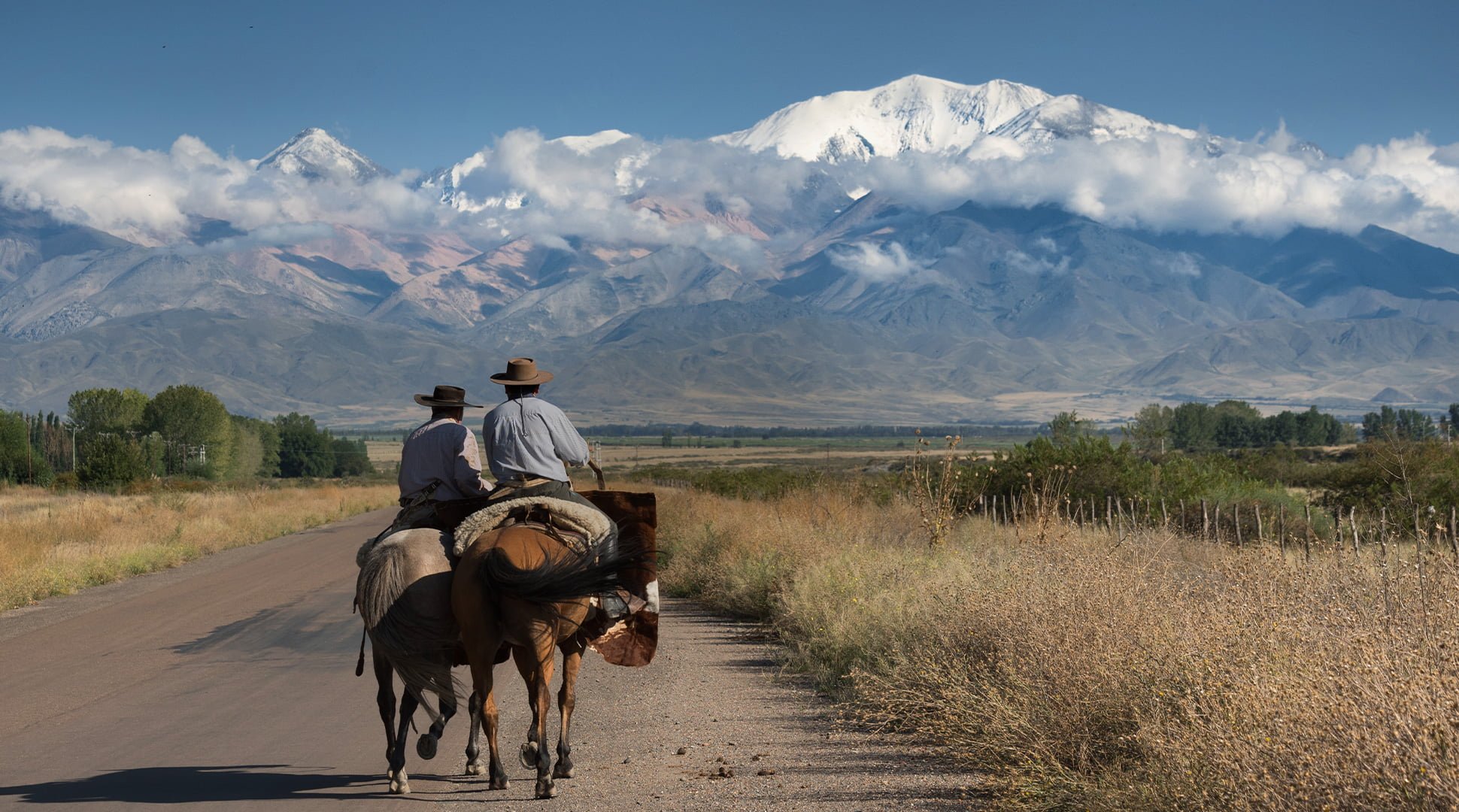
An Argentina honeymoon offers a diverse blend of European-style elegance, world-class viticulture, and some of the planet’s most dramatic natural wonders. From the sultry tango halls of Buenos Aires to the glacier-carved peaks of Patagonia, couples in 2026 can expect high-end luxury infrastructure paired with adventurous itineraries tailored to every romantic preference.
Argentina remains one of the most compelling honeymoon destinations in the Southern Hemisphere because it refuses to be just one thing. It is simultaneously a metropolitan cultural hub and a rugged frontier. For couples planning their nuptials in 2026, understanding the logistical nuances of this vast country—spanning nearly 3,500 miles from north to south—is the key to a seamless experience. Whether you are looking for the "Paris of South America" in Buenos Aires, the high-altitude vineyards of Mendoza, or the thundering cascades of Iguazú, Argentina provides a backdrop that is as grand as the occasion itself.
Why Argentina is a Premier Honeymoon Choice in 2026
By 2026, Argentina has solidified its position as a top-tier luxury destination while maintaining a sense of authentic "off-the-beaten-path" charm. The country’s hospitality sector has evolved to offer boutique "estancias" (ranches) and eco-lodges that compete with the best in the world.
One of the primary draws is the diversity of ecosystems. You can wake up in a sub-tropical rainforest near the Brazilian border and, after a few hours of flight, find yourself staring at a massive blue glacier in the Antarctic-adjacent south. This variety allows couples to combine multiple "mini-moons" into one cohesive trip. Furthermore, the cultural depth—centered around fine dining, world-renowned Malbec, and the intimate art of Tango—adds a layer of sophistication that is often missing from purely beach-focused honeymoon spots.
From a value perspective, Argentina continues to offer a high level of luxury for the investment. While high-end lodges in Patagonia and the Uco Valley are priced according to international standards, the day-to-day costs of fine dining and local experiences often provide more "bang for your buck" than comparable destinations in Europe or the South Pacific.
The Best Time to Visit: Navigating the Seasons
Argentina is in the Southern Hemisphere, meaning its seasons are the reverse of those in North America and Europe. Because the country covers such a vast latitudinal range, the "best" time depends entirely on your specific itinerary.
- Spring (September to November): This is arguably the best window for a comprehensive Argentina honeymoon. Buenos Aires is in bloom with purple jacaranda trees, the weather in the Lake District is mild, and the crowds are thinner than in the summer.
- Summer (December to February): Ideal for those heading deep into Patagonia or trekking in El Chaltén. The days are long (with sunsets as late as 10:00 PM in the south), though it is also the peak tourist season, meaning you must book the most popular luxury lodges at least 10–12 months in advance.
- Autumn (March to May): This is the "Golden Season" for Mendoza and the wine regions. The harvest festivals (Vendimia) occur in March, and the changing colors of the vineyards against the snow-capped Andes provide a stunning photographic backdrop.
- Winter (June to August): Best for couples looking to combine their honeymoon with world-class skiing in Bariloche or Las Leñas. It is also a great time to visit the Northwest (Salta and Jujuy), where the dry season offers clear blue skies and manageable daytime temperatures.
Top Regions for an Argentina Honeymoon
Buenos Aires: The Urban Romance
The capital city is the logical starting point for most honeymoons. To experience the city correctly in 2026, couples should focus on the Palermo Soho and Recoleta neighborhoods. Palermo offers leafy streets, boutique shopping, and some of the world's best restaurants (including multiple Michelin-recognized spots). Recoleta provides the classic "Belle Époque" architecture that earned the city its European nickname.
A quintessential Buenos Aires honeymoon experience involves a private Tango lesson followed by an evening at a "Milonga" (local dance hall) rather than just a staged dinner show. For dining, reservations at "parrillas" (steakhouses) like Don Julio remain a rite of passage, though the city's burgeoning plant-based and fusion scenes are equally impressive.
Mendoza: Wine, Wellness, and the Andes
For many, a honeymoon isn't complete without luxury relaxation. Mendoza, specifically the Uco Valley, is home to architectural marvels that serve as wine lodges. These properties often feature private villas with plunge pools overlooking the Andes.
Couples can spend their days on horseback tours through the vineyards, participating in private blending sessions with winemakers, or indulging in vinotherapy spa treatments. The focus here is on "slow travel"—long, multi-course lunches paired with world-class Malbecs and Cabernet Francs.
Iguazú Falls: Power and Purity
Located on the border with Brazil, the Iguazú Falls are a UNESCO World Heritage site and one of the New Seven Wonders of Nature. For honeymooners, the experience is best enjoyed by staying at the Gran Meliá Iguazú, the only hotel located inside the national park on the Argentine side. This allows couples access to the trails before the park opens to the general public.
The "Garganta del Diablo" (Devil’s Throat) is the highlight, where the sheer volume of water creates a mist that often produces permanent rainbows. For a romantic touch, consider a "Full Moon Walk," an exclusive tour offered only a few nights a month when the falls are illuminated by moonlight.
Patagonia: Glaciers and Lakes
Patagonia is divided into two main areas of interest for honeymoons:
- El Calafate & El Chaltén: Home to the Perito Moreno Glacier. Luxury here means staying at an "estancia" like Eolo, where the windows frame the vast Patagonian steppe. Couples can take "ice trekking" tours directly on the glacier.
- Bariloche & The Lake District: Often compared to Switzerland, this region features deep blue lakes and ancient forests. Staying at the historic Llao Llao Hotel provides a sense of old-world grandeur, while smaller boutique lodges offer more intimacy for hikers and nature lovers.
Honeymoon Comparison by Region
| Region | Primary Vibe | Best For | Recommended Duration | Luxury Highlight |
|---|---|---|---|---|
| Buenos Aires | Cosmopolitan / Sexy | Culture, Food, Nightlife | 3–4 Days | Private Tango in a San Telmo mansion |
| Mendoza | Sophisticated / Relaxed | Wine Lovers, Spas, Views | 3–4 Days | Sunrise hot air balloon over vineyards |
| Iguazú Falls | Awe-Inspiring / Tropical | Nature, Photography | 2 Days | Helicopter tour over the cascades |
| Patagonia | Adventurous / Grand | Hiking, Glaciers, Solitude | 5–7 Days | Gourmet picnic at the base of Fitz Roy |
| Salta & NW | Earthy / Traditional | History, Landscapes, Art | 4 Days | High-altitude wine tasting in Cafayate |
Practical Logistics for 2026
Entry Requirements and Visas
As of 2026, citizens of the United States, Canada, the United Kingdom, and the European Union generally do not require a visa for stays of up to 90 days for tourism purposes. However, it is essential to check the latest updates from the Argentine Ministry of Foreign Affairs prior to departure, as "reciprocity fees" or electronic travel authorizations can be reinstated based on diplomatic shifts.
Currency and Payments
Argentina’s economy has historically been volatile, making currency strategy a vital part of planning. In 2026, the MEP Rate (or "Tourist Exchange Rate") remains the most efficient way for foreigners to pay. When using a foreign-issued credit card (Visa or Mastercard), the transaction is automatically processed at a much more favorable rate than the official government rate, nearly matching the parallel "Blue Dollar" market without the need to carry large amounts of physical cash.
Note: Always notify your bank of your travel plans to avoid fraud triggers in Argentina.
Domestic Travel: Navigating the Distances
Do not underestimate the size of the country. A flight from Buenos Aires to El Calafate takes approximately 3.5 hours.
- Aerolíneas Argentinas is the national carrier with the most extensive network.
- FlyBondi and JetSmart offer low-cost alternatives, though they often fly from smaller airports or have stricter baggage limits.
- Pro-Tip: If you are visiting multiple regions, look into a "multi-city" ticket or a regional pass to save on individual flight legs.
Essential Honeymoon Planning Steps
- Define Your "Anchor" Regions: Choose two or three regions. Attempting to see the whole country in 10 days leads to "airport burnout."
- Book "The Big Three" Early: The most famous luxury hotels—Llao Llao (Bariloche), The Vines (Mendoza), and Gran Meliá (Iguazú)—often sell out a year in advance for peak dates.
- Hire a Local Concierge: Given the complexity of logistics and the "who you know" nature of the best dining reservations in Buenos Aires, a local fixer can be invaluable.
- Pack for "The Layer Effect": Even in summer, Patagonia can be freezing and windy, while Buenos Aires is humid and hot. High-quality technical layers are essential for the south, while "smart casual" is the norm for city dining.
Common Mistakes to Avoid
- Over-scheduling: Argentina operates on a later clock. Dinner rarely starts before 9:00 PM. If you book early morning flights every day, you will miss the best part of the local culture.
- Ignoring the Northwest: While Patagonia gets the fame, the Salta and Jujuy regions offer stunning multi-colored mountains and a rich indigenous culture that is often more affordable and less crowded.
- Tipping Confusion: In restaurants, a 10% tip is standard (referred to as "propina"). It is often better to tip in cash (pesos or USD) even if you pay the bill by card.
- Underestimating the Wind: In Patagonia, the wind can literally stop tours or flights. Build a "buffer day" into your southern itinerary to account for weather delays.
Frequently Asked Questions
Is Argentina safe for honeymooners?
Argentina is generally safe for tourists, particularly in the main honeymoon hubs like Mendoza and Patagonia. In Buenos Aires, standard "big city" precautions apply: be mindful of your belongings in crowded areas like La Boca or on the subway. Use "Remises" (private car services) or reputable ride-sharing apps like Cabify rather than hailing street taxis late at night.
Do I need to speak Spanish?
In luxury hotels and high-end restaurants in Buenos Aires and Mendoza, English is widely spoken. However, in more remote parts of Patagonia or the Northwest, a basic grasp of Spanish phrases is highly beneficial and appreciated by locals.
What is the "Blue Dollar"?
The "Blue Dollar" refers to the unofficial, parallel exchange rate. For years, travelers brought USD cash to exchange for a better rate. However, with the implementation of the MEP rate for foreign credit cards, most honeymooners no longer need to worry about the black market; simply using your credit card now provides a competitive exchange rate.
Is the water safe to drink?
In Buenos Aires and most major cities, tap water is treated and generally safe to drink, though many travelers prefer bottled water ("agua mineral") to avoid stomach sensitivity to different mineral contents. In Patagonia, the tap water is often some of the purest in the world, coming directly from glacial runoff.
How long should an Argentina honeymoon be?
To truly experience the country without feeling rushed, 14 days is the ideal duration. This allows for 3 days in Buenos Aires, 3 days in Iguazú, 4 days in Patagonia, and 4 days in Mendoza. If you have only 7–10 days, it is better to pick just two regions (e.g., Buenos Aires and Mendoza).
Final Recommendation
For a 2026 honeymoon, start your journey in Buenos Aires to adjust to the timezone and soak in the culture. Move quickly to Iguazú Falls for a 48-hour "nature shock," then spend the bulk of your second week in either Mendoza (for relaxation) or Patagonia (for adventure). Ending your trip in the wine country allows you to return home refreshed rather than exhausted from hiking. Always ensure your travel insurance covers "adventure activities" if you plan on trekking or ice-climbing.