Argentina summer holidays offer an unparalleled diversity of experiences, ranging from the heat-soaked streets of Buenos Aires and the thunderous Iguazú Falls to the windswept glaciers of Patagonia. To make the most of the December-to-February season, travelers should prioritize early bookings for southern regions, prepare for varied microclimates, and utilize the preferential tourist exchange rates currently available for international visitors.
Understanding the Argentinian Summer: Climate and Timing
Summer in Argentina officially spans from late December to late March, with January and February serving as the peak months for both international tourists and domestic vacationers. Because the country stretches nearly 3,800 kilometers from north to south, "summer" manifests differently depending on your coordinates.
In the northern provinces, such as Salta and Misiones, summer is characterized by tropical heat and the rainy season. While the landscapes are lush and vibrant, the humidity can be intense. Conversely, Central Argentina, including Buenos Aires and the Pampas, experiences hot, humid days with temperatures frequently exceeding 30°C (86°F), often punctuated by dramatic late-afternoon thunderstorms.
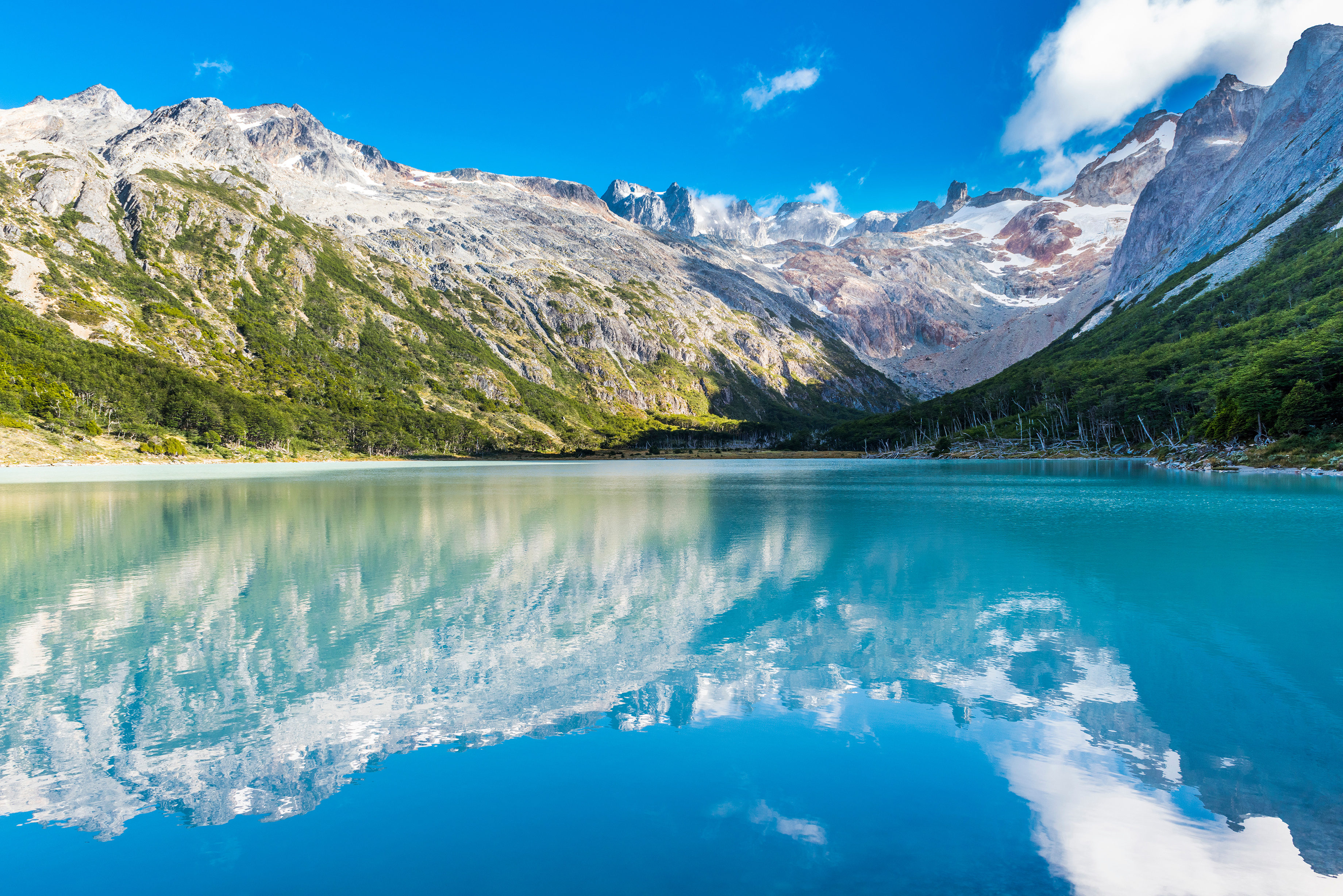
For many, the primary draw of an Argentina summer holiday is Patagonia. In the southern regions of Chubut, Santa Cruz, and Tierra del Fuego, the "summer" is mild and manageable. This is the only time of year when many hiking trails are fully accessible and the legendary Patagonian winds, while still present, are accompanied by long daylight hours—sometimes up to 17 hours of light in Ushuaia.
The Peak Season Crunch
It is vital to understand that January is the traditional holiday month for Argentines. During this time, coastal cities like Mar del Plata and mountain retreats like Bariloche reach maximum capacity. Prices for accommodation and domestic flights typically peak between December 20th and the end of February. For 2026, travelers are advised to secure reservations at least six to eight months in advance, particularly for high-demand hubs like El Calafate and Iguazú.
Premier Destinations for a 2026 Summer Itinerary
Patagonia: The Trekking Mecca
Patagonia is the crown jewel of Argentina summer holidays. The region is divided into the Lake District (North) and the Glaciers (South).
- San Carlos de Bariloche: Located in the Lake District, Bariloche offers alpine scenery, world-class chocolate, and trekking. In summer, the focus shifts from skiing to kayaking on Lake Nahuel Huapi and hiking to Refugio Frey.
- El Chaltén: Known as the trekking capital of Argentina, this village sits at the base of Mount Fitz Roy. Summer provides the most stable (though still unpredictable) weather for the Laguna de los Tres and Laguna Torre treks.
- El Calafate: This is the gateway to the Perito Moreno Glacier. Summer allows for "mini-trekking" excursions directly on the ice, a highlight of any southern itinerary.
Buenos Aires: The Cultural Epicenter
While many locals flee the city for the coast in January, Buenos Aires remains a vibrant destination. The "empty" city feel can actually be a benefit for tourists, as reservations at world-famous "parrillas" (steakhouses) like Don Julio or La Cabrera become slightly easier to obtain. Summer evenings are perfect for outdoor milongas (tango dances) in San Telmo or exploring the botanical gardens of Palermo.
Iguazú Falls: Power and Humidity
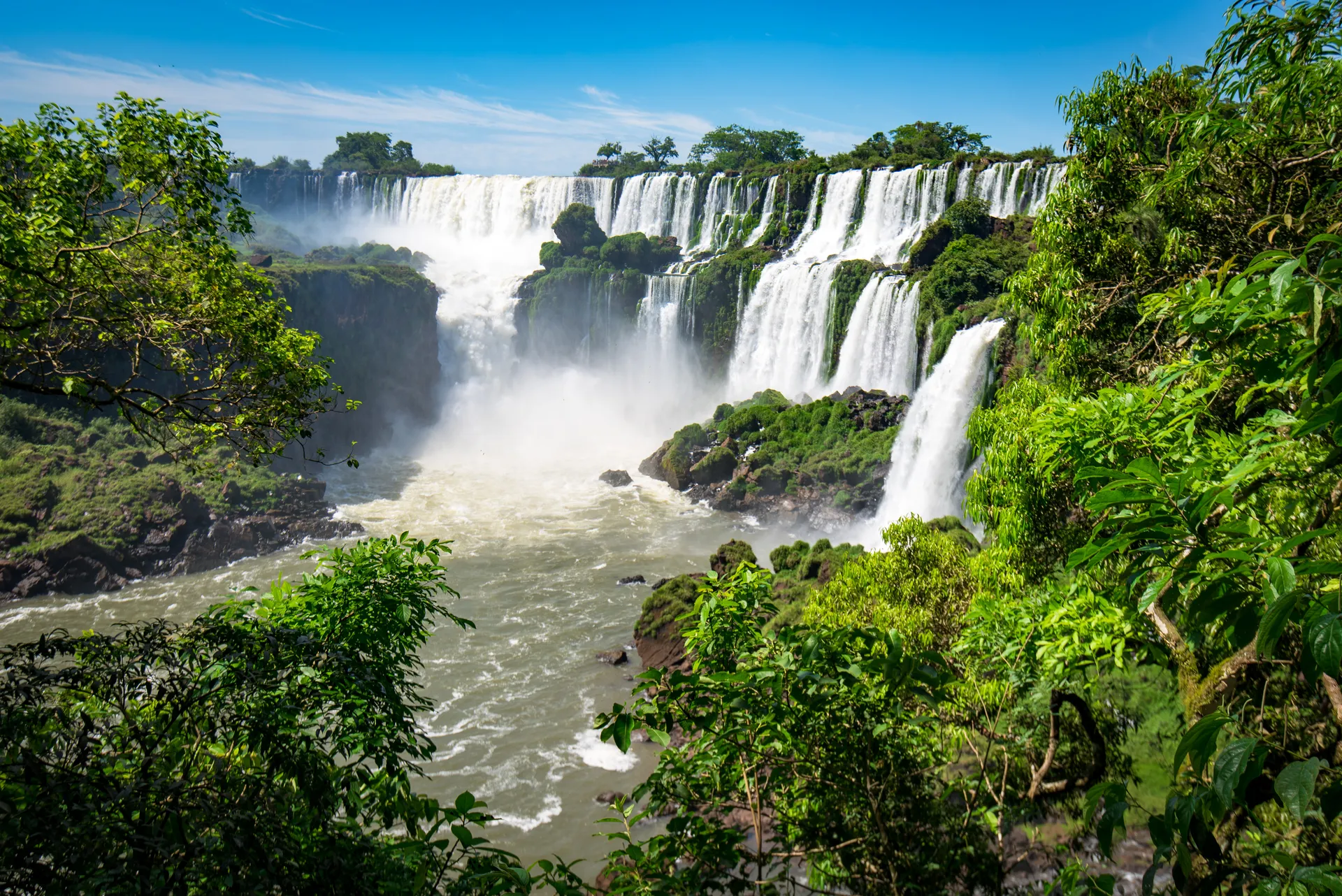
Located on the border with Brazil, the Iguazú Falls are a UNESCO World Heritage site. In summer, the water volume is often at its highest due to tropical rains. Visitors should prepare for temperatures around 35°C (95°F) and high humidity. The "Great Adventure" boat ride, which takes passengers directly under the falls, is particularly refreshing during the summer heat.
Mendoza: Vineyards and the High Andes
Summer is a critical time for Mendoza as the grapes ripen ahead of the March harvest (Vendimia). Wine tours in Luján de Cuyo and the Uco Valley are best enjoyed in the mornings. For adventure seekers, summer is the primary climbing season for Aconcagua, the highest peak in the Southern Hemisphere. Even if you aren't an elite mountaineer, day hikes in the Parque Provincial Aconcagua offer stunning vistas of the "Stone Sentinel."
Regional Comparison for Summer Travelers
The following table compares the primary regions to help you prioritize your 2026 summer itinerary based on climate and activity preferences.
| Region | Primary Hub | Average Summer Temp | Best For | Accessibility |
|---|---|---|---|---|
| The North | Iguazú / Salta | 25°C - 38°C | Waterfalls, Culture, Landscapes | High (Major Airports) |
| Central | Buenos Aires | 22°C - 32°C | Food, Nightlife, History | High (International Hub) |
| Cuyo | Mendoza | 18°C - 30°C | Wine, Mountaineering, Spas | Medium (Domestic Flights) |
| Lake District | Bariloche | 10°C - 24°C | Lakes, Kayaking, Hiking | High (Busy Airport) |
| Southern Patagonia | El Calafate | 5°C - 15°C | Glaciers, Wildlife, Trekking | Medium (Flights required) |
Essential Logistics: Entry, Money, and Transport
Visa and Entry Requirements for 2026
As of 2026, citizens of the United States, Canada, the United Kingdom, and the European Union generally do not require a visa for stays of up to 90 days for tourism. However, you must have a passport valid for at least six months beyond your departure date. Always check the latest updates from the Dirección Nacional de Migraciones before travel, as reciprocity fee structures can change based on bilateral agreements.
Navigating the Currency Exchange
Argentina’s economy has historically been complex, and in 2026, the "Preferential Tourist Rate" remains the most efficient way for foreigners to spend. When using international credit or debit cards (Visa/Mastercard), transactions are usually processed at a rate close to the "MEP dollar," which is significantly more favorable than the official government rate. Carrying some USD or Euros in cash is still recommended for tipping and small vendors in remote areas of Patagonia.
Domestic Transport: Air and Ground
Argentina is the eighth-largest country in the world. Traveling from Buenos Aires to Ushuaia takes approximately 3.5 hours by plane.
- Air Travel: Aerolíneas Argentinas is the national carrier, supplemented by low-cost options like Flybondi and JetSmart. For summer 2026, it is highly recommended to book "multi-destination" tickets rather than individual one-way legs to save on costs and simplify baggage transfers.
- Bus Travel: For shorter distances or budget-conscious travelers, the "Coche Cama" (sleeper bus) system is excellent. These buses offer reclining seats, meals, and are often more comfortable than short-haul flights.
Packing Essentials for the Varied Climates
Because an Argentina summer holiday often involves both the heat of the north and the chill of the south, "layering" is the fundamental rule.
- For the North/Buenos Aires: Lightweight, breathable linen or moisture-wicking fabrics. High-SPF sunscreen and insect repellent (essential for Iguazú) are non-negotiable.
- For Patagonia: A high-quality windbreaker or hardshell jacket is essential, even in January. Bring thermal base layers, sturdy waterproof hiking boots, and a warm hat (beanie) for glacier excursions.
- For the Cities: Argentines tend to dress "smart-casual." While shorts are fine for sightseeing, locals often wear long trousers or stylish dresses for dinner and evening events.
Cost Considerations and Budgeting
As of 2026, Argentina remains a mid-range destination. While it is more expensive than neighboring Bolivia, it offers high value compared to Western Europe or North America, especially regarding high-end dining and leather goods.
- Accommodation: Expect to pay $150–$300 USD per night for boutique hotels in Palermo (Buenos Aires) or luxury lodges in El Calafate. Budget hostels are available for $30–$50 USD.
- Dining: A high-end steakhouse dinner with a bottle of Malbec will typically cost between $40 and $70 USD per person. Street food like empanadas or choripán can be found for under $5 USD.
- Tours: Major excursions, such as the Minitrekking on the Perito Moreno Glacier, are significant expenses, often costing upwards of $250 USD per person including transfers.
Sustainable Travel in Argentina
With the surge in tourism to fragile ecosystems like the Iberá Wetlands and the Patagonian ice fields, sustainability is a focus for 2026. Travelers are encouraged to follow "Leave No Trace" principles, particularly in national parks. Use authorized mountain guides (registered with the Asociación de Guías de Montaña) to ensure safety and environmental compliance. Supporting local cooperatives for textiles in the Northwest (Salta and Jujuy) ensures that tourism revenue directly benefits indigenous communities.
Frequently Asked Questions
Is it safe to travel to Argentina during the summer?
Argentina is generally safe for tourists, but standard urban precautions apply. In Buenos Aires and Mendoza, be mindful of "motochorros" (thieves on motorcycles) who may target phones or bags. In Patagonia, the primary safety concerns are environmental—always check weather reports before hiking, as summer storms can bring sudden temperature drops and high winds.
Do I need to speak Spanish?
In major tourist hubs like Buenos Aires, Iguazú, and El Calafate, English is widely spoken in hotels and high-end restaurants. However, having a basic grasp of Spanish is highly beneficial for navigating public transport and interacting with vendors in smaller towns. Argentines use the "voseo" (using 'vos' instead of 'tú'), which is a distinctive local linguistic trait.
What is the tipping culture in Argentina?
Tipping is customary but not mandatory. In restaurants, a 10% tip (known as "propina") is standard for good service. It is often preferred in cash, even if you pay the main bill by card. For tour guides and drivers, a tip of $5–$10 USD per day is appreciated.
Can I drink tap water?
In Buenos Aires and most major cities, tap water is treated and safe to drink. In remote parts of Patagonia, the water is often some of the purest in the world, though travelers with sensitive stomachs may still prefer bottled or filtered water to avoid minor disruptions to their holiday.
What are the "Blue" and "MEP" exchange rates?
These are "parallel" or market-based exchange rates that reflect the actual market value of the Argentinian Peso. In 2026, the MEP (Mercado Electrónico de Pagos) rate is automatically applied to most foreign credit card transactions, making it unnecessary for tourists to carry large amounts of physical cash to exchange on the street.
Final Recommendation for 2026
For the most balanced Argentina summer holiday, aim for a 14-to-21-day itinerary that begins in Buenos Aires for three days of culture, moves to Iguazú Falls for two days of nature, and concludes with 10 days in Southern Patagonia. This allows you to experience the country’s climatic extremes while dedicating the most time to Patagonia during its brief, spectacular peak season. Always purchase domestic flights on a single booking reference where possible to protect against the schedule changes that occasionally occur in the region.