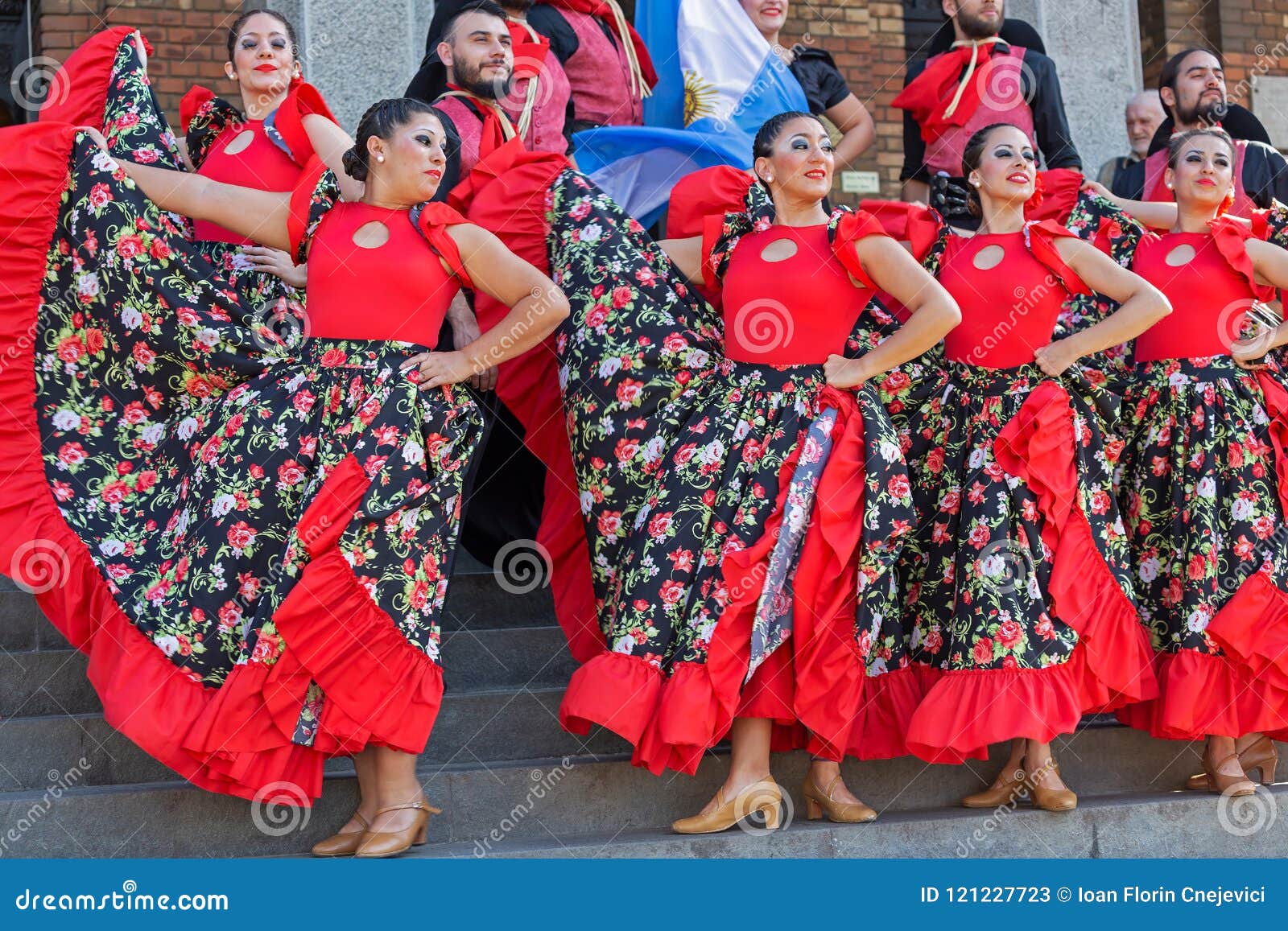
In Argentina, the tradition of welcoming spring is fixed on September 21st, a date that combines the "Día de la Primavera" (Spring Day) with "Día del Estudiante" (Student Day). Astronomically, however, the spring equinox in the Southern Hemisphere varies, typically falling between September 22nd and 23rd. For 2026, the astronomical equinox officially occurs on September 22nd at 18:05 ART (21:05 UTC).
The Cultural Significance of September 21st in Argentina
The celebration of spring in Argentina is far more than a simple acknowledgement of changing weather; it is a profound cultural milestone that unites the entire country in outdoor festivities. Traditionally, September 21st is the day when students at all levels—particularly high school and university—are granted a holiday from classes. This tradition has its roots in the late 19th century and has evolved into a nationwide "ritual of the parks."
The choice of September 21st is not accidental. While it aligns closely with the change of seasons, it specifically commemorates the arrival of the remains of Domingo Faustino Sarmiento in Buenos Aires in 1888. Sarmiento, known as the "Father of the Classroom," was a president and educator who revolutionized the Argentine school system. In 1902, Salvador Debenedetti, then a student leader and later a renowned archaeologist, proposed celebrating "Student Day" on this date to honor Sarmiento’s legacy. Over time, the celebration of youth and education merged seamlessly with the natural arrival of spring.
In 2026, as in previous decades, the parks of Buenos Aires—most notably the Bosques de Palermo—will become the epicenter of these celebrations. Thousands of young people gather with blankets, "mate" kits, and guitars. The atmosphere is one of collective joy, marking the end of the harsh winter and the beginning of the "flowering" of both nature and social life. Similar celebrations occur in major hubs like Córdoba’s Parque Sarmiento and the sprawling waterfronts of Rosario.
Understanding the Astronomical Spring Equinox
While culture dictates a fixed calendar date of September 21st, the Earth’s mechanics operate on a different schedule. The astronomical spring equinox, also known as the Southward Equinox, is the specific moment when the Sun crosses the celestial equator from north to south. At this precise instant, the Earth's axis is tilted neither toward nor away from the Sun, resulting in nearly equal amounts of daylight and darkness across the globe.
The reason the equinox does not fall on the same day every year—and rarely on exactly September 21st—is due to the discrepancy between the Gregorian calendar and the tropical year. A tropical year (the time it takes Earth to complete one orbit around the Sun) is approximately 365.2422 days. Because our standard calendar uses 365 days, with a leap year added every four years to compensate, the timing of the equinox "drifts" slightly.
For the year 2026, astronomical data from the Servicio Hidrografía Naval and international observatories confirm that the Southern Hemisphere will officially enter spring on September 22nd. During this event, the subsolar point—the spot on Earth where the Sun is directly overhead—will cross the equator. This marks the beginning of the period where the Southern Hemisphere begins to tilt toward the Sun, leading to longer days, higher temperatures, and the biological awakening of the region’s diverse ecosystems.
The Science of Seasonal Transitions: Why the 2026 Timing Matters
The astronomical timing of spring is not merely a curiosity for stargazers; it dictates the biological and meteorological rhythms of the Southern Cone. In 2026, the 18:05 ART timing on September 22nd means that the "true" first full day of astronomical spring will be September 23rd.
The Mechanics of the Equinox
The equinox is defined by the intersection of the ecliptic (the Sun's apparent path across the sky) and the celestial equator. Because the Earth's axis is tilted at an angle of approximately 23.5 degrees, different parts of the planet receive varying amounts of sunlight throughout the year.
- The Southward Path: During the September equinox, the Sun moves into the celestial southern hemisphere.
- Daylight Parity: The term "equinox" is derived from the Latin aequus (equal) and nox (night). However, due to atmospheric refraction and the way we measure sunrise/sunset (the top edge of the sun vs. the center), day and night are not perfectly equal on the day of the equinox itself; this parity usually occurs a few days closer to the winter solstice.
- Solar Radiation: Following the equinox, the intensity of solar radiation increases daily in Argentina. This triggers photosynthesis in native flora, such as the Ceibo (Argentina's national flower) and the Jacaranda trees that line the streets of Buenos Aires.
Comparing the Cultural vs. Astronomical Calendars
In Argentina, there is often a humorous or slightly frustrated public discourse when the weather on September 21st is cold or rainy. Many locals refer to this as "nature not getting the memo." This perceived mismatch is actually a result of the gap between the fixed holiday and the variable astronomical event.
| Feature | Cultural Spring (Día de la Primavera) | Astronomical Spring (Equinox) |
|---|---|---|
| Fixed Date | September 21st (Every year) | Variable (Sept 22nd or 23rd) |
| 2026 Timing | September 21st | September 22nd at 18:05 ART |
| Primary Theme | Youth, Students, Sarmiento, Socializing | Planetary Tilt, Solar Alignment, Biological Cycles |
| Legal Status | Non-working day for schools/universities | Scientific event (no legal holiday) |
| Main Activities | Picnics, outdoor concerts, mate drinking | Astronomical observation, seasonal tracking |
| Observational Focus | Weather conditions in local parks | The Sun's position relative to the Equator |
The Impact of Regional Geography on Spring Traditions
Argentina’s vast latitudinal range means that "spring" feels very different depending on where one is located. While the astronomical timing is uniform across the country, the physical manifestation of the season varies significantly.
Northern Argentina (The Tropics and Subtropics)
In provinces like Salta, Jujuy, and Misiones, the transition to spring is often marked by a sharp increase in heat. By the time the September 22nd equinox arrives in 2026, these regions may already be experiencing summer-like temperatures. The tradition here often involves vibrant parades and the "Fiesta Nacional de los Estudiantes" in Jujuy, which is one of the most significant student festivals in the country.
The Pampa and Central Region
This is the heartland of the September 21st tradition. In Buenos Aires, Santa Fe, and Córdoba, the climate is temperate. The astronomical timing aligns well with the "first bloom." The 2026 spring is expected to follow typical patterns where the humidity from the Río de la Plata begins to rise, and the first "Tormenta de Santa Rosa" (usually occurring in late August or early September) has already cleared the way for milder air.
Patagonia and the South
In the southern regions of Tierra del Fuego and Santa Cruz, the September 22nd equinox is a welcome sign of the returning sun, but it does not necessarily mean "warmth." Snow can still fall in Bariloche or Ushuaia during the Spring Day festivities. For these communities, the astronomical timing is a vital marker of the end of the long, dark sub-Antarctic winter, even if the "tradition" of picnicking outdoors is often moved indoors due to the wind and cold.
Practical Considerations for 2026: Planning and Safety
If you are planning to participate in the 2026 spring festivities or observe the astronomical event, several factors should be considered to ensure a smooth experience.
Planning for the September 21st Festivities
Because the 21st falls on a Monday in 2026, many celebrations will likely begin during the preceding weekend (September 19-20). Public parks will be at maximum capacity.
- Transportation: In Buenos Aires, expect significant traffic diversions near the Rosedal de Palermo and Parque Tres de Febrero. Use public transit (Subte) where possible.
- Security: Large-scale events usually have a heightened police presence to ensure the safety of the thousands of teenagers congregating. It is traditional for these events to be "alcohol-free" zones in public parks.
- Weather Monitoring: Always check the Servicio Meteorológico Nacional (SMN) 48 hours in advance. "Spring Day" is notoriously unpredictable in the Río de la Plata region.
Observing the Equinox on September 22nd
For those interested in the astronomical aspect, the 2026 equinox occurs at sunset (18:05 ART).
- Shadow Observation: At the moment of the equinox, if you are at the equator, a vertical object will cast no shadow. In Argentina, you can observe that the Sun rises exactly in the east and sets exactly in the west.
- Photography: The "golden hour" on the 22nd will be particularly significant for photographers, as it marks the official transition of the solar season.
Common Misconceptions About Spring in Argentina
There are several myths surrounding the start of the season that frequently resurface in local media and casual conversation.
Misconception 1: Spring always starts on September 21st. As established, this is a cultural convention. The Earth does not reach the equinox point on a fixed 24-hour cycle that aligns with our calendar every year.
Misconception 2: The "Tormenta de Santa Rosa" is part of the Spring Equinox. The Santa Rosa storm is a meteorological phenomenon traditionally expected around August 30th (St. Rose of Lima's feast day). While it signals the atmospheric changes leading into spring, it is not scientifically linked to the astronomical equinox itself, which occurs nearly three weeks later.
Misconception 3: Day and night are exactly 12 hours each on the Equinox. Because of the Sun's diameter and the way the atmosphere bends light (refraction), the day is actually slightly longer than 12 hours on the day of the equinox. The date of true "equilux" (equal light) in Buenos Aires for 2026 will occur a few days before the 22nd.
FAQ: Argentina Spring and Astronomical Timing
Why is Student Day celebrated on the same day as Spring Day?
Student Day (Día del Estudiante) commemorates the day the remains of Domingo Faustino Sarmiento arrived in Argentina from Paraguay in 1888. Because this occurred on September 21st, and that date was already associated with the onset of warmer weather, the two celebrations merged into a single day dedicated to youth and the renewal of nature.
What is the exact time of the 2026 Spring Equinox in Argentina?
The astronomical spring equinox for the Southern Hemisphere in 2026 will occur on September 22nd at 18:05 ART (Argentina Time).
Is September 21st a national holiday in Argentina?
It is not a "feriado nacional" (national holiday) for the general workforce. However, it is a "asueto" (day off) for students and teachers at high schools and universities. Most businesses and government offices operate normally.
Where are the best places to celebrate Spring Day in Buenos Aires?
The most iconic location is the Bosques de Palermo (Parque Tres de Febrero). Other popular spots include Parque Centenario, Parque Chacabuco, and the Costanera Sur Ecological Reserve.
Does the astronomical timing affect the weather immediately?
Not necessarily. The equinox is a geometric alignment of the Earth and Sun. While it marks the increase in solar energy reaching the Southern Hemisphere, local weather is influenced by atmospheric pressure systems, ocean currents, and humidity. It is common to have a "veranito" (little summer) or a cold snap immediately following the equinox.
How does the 2026 timing compare to previous years?
The equinox usually fluctuates between September 22nd and 23rd. In 2024 it was on the 22nd, and in 2025 it was also on the 22nd. The 2026 timing of 18:05 ART is relatively late in the day compared to years where it occurs in the morning hours.
Final Recommendation for Residents and Travelers
To fully experience the intersection of Argentina's spring tradition and its astronomical reality in 2026, it is best to separate your activities into two parts. On Monday, September 21st, embrace the local culture: head to a public park with a thermos of mate and enjoy the social energy of "Día del Estudiante." On Tuesday, September 22nd, acknowledge the astronomical shift: observe the sunset at 18:05 to mark the precise moment the Earth tilts toward the sun, signaling the true, physical beginning of the 2026 spring season. By understanding both the cultural legacy of Sarmiento and the orbital mechanics of our planet, you gain a deeper appreciation for this unique South American transition.