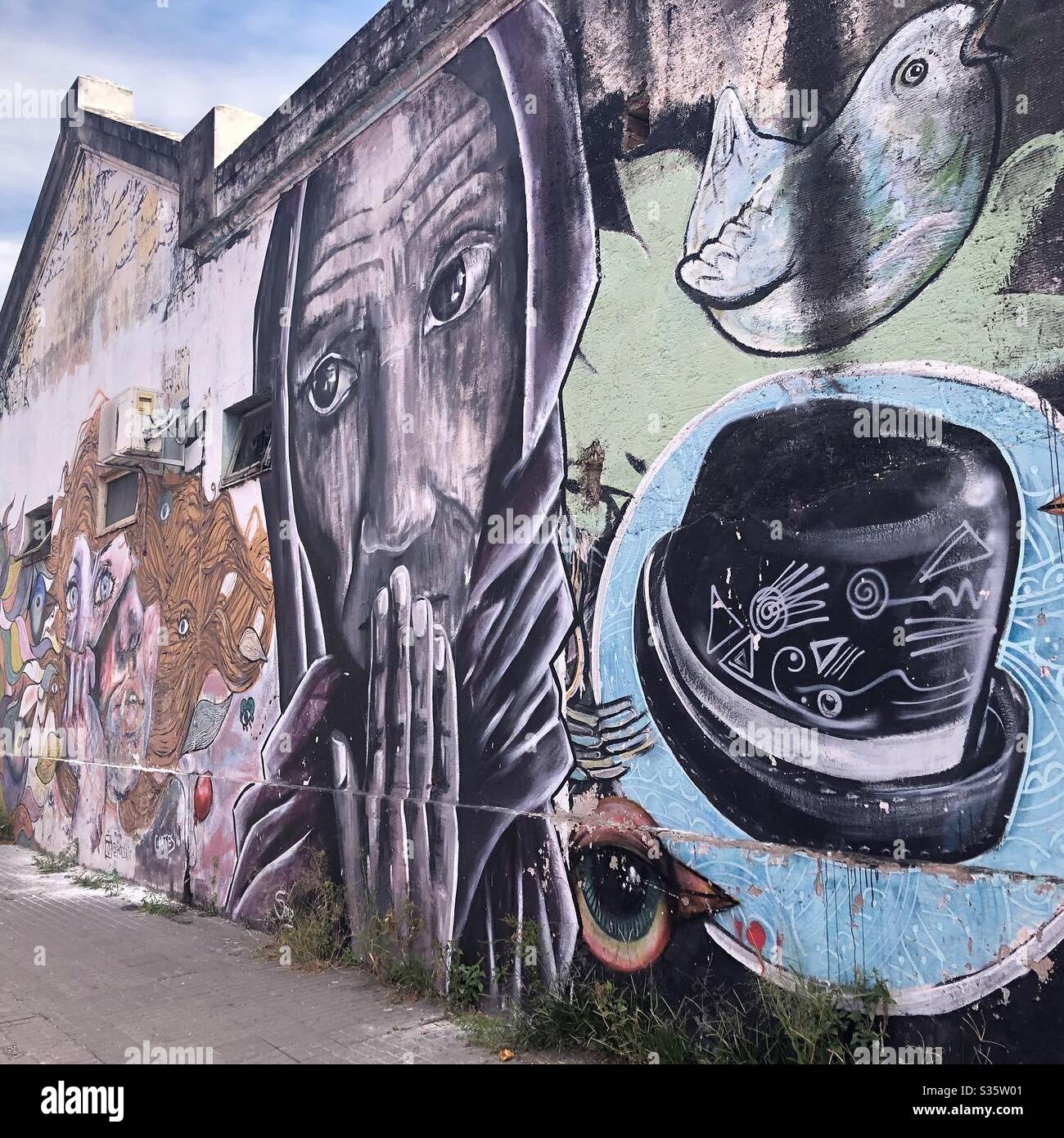
Argentina’s streets serve as a global benchmark for urban art, where public spaces function as a living, open-air museum. This wide urban canvas is characterized by a unique blend of political activism, traditional decorative arts like Fileteado Porteño, and contemporary muralism, fostered by a legal environment that encourages large-scale creativity on both private and public facades.
The concept of the street as a "canvas" in Argentina is not merely a metaphor; it is a physical and cultural reality. In cities like Buenos Aires, Rosario, and Córdoba, the transition from grey concrete to vibrant narrative is a constant process. As of 2026, this movement has matured into a sophisticated ecosystem involving international festivals, government-sanctioned preservation projects, and a tourism sector dedicated entirely to the appreciation of muralism. To understand this phenomenon, one must look beyond the aesthetics and examine the legal, historical, and social frameworks that allow these streets to speak so loudly.
The Cultural Roots of the Argentine Urban Canvas
The transformation of Argentine streets into a wide urban canvas began long before the invention of the spray can. The foundation lies in two distinct traditions: the decorative "Fileteado Porteño" and a deep-seated history of political muralism. These elements provide the stylistic and ideological DNA for the contemporary scene.
Fileteado Porteño: The Traditional Brushstroke
Fileteado Porteño is a stylized form of drawing and painting that originated in Buenos Aires at the end of the 19th century. Originally used to decorate horse-drawn wagons, it evolved to adorn trucks, buses (colectivos), and eventually building facades. Characterized by vibrant colors, symmetrical arrangements, and flowery scrolls, it was declared part of the Intangible Cultural Heritage of Humanity by UNESCO in 2015.
In 2026, Fileteado remains a vital part of the urban canvas. Unlike modern graffiti, it requires rigorous technical training. Modern practitioners have moved this art from small signs to massive murals, blending the traditional swirls with contemporary portraits. This provides the streets with a "locally rooted" aesthetic that distinguishes Argentina from the more homogenized street art found in European or North American hubs.
The 2001 Crisis and the Explosion of Expression
The modern boom of the Argentine urban canvas is inextricably linked to the socio-economic crisis of December 2001. When the economy collapsed and trust in institutions evaporated, the people took to the streets. While some protested, others used the walls as their only available medium for communication.
During this period, the streets became a primary source of news and sentiment. Collective groups began using stencils and wheatpastes to critique the government and express solidarity. This era normalized the idea that "the street belongs to everyone," a sentiment that persists in 2026. This history explains why Argentine society generally views street art as a form of cultural reclamation rather than vandalism.
Legal Landscapes: Why Argentina is a Street Art Paradise
One of the most frequent questions from international observers is how Argentina manages to maintain such high-quality, large-scale murals without constant police intervention. The answer lies in the country's unique legal approach to public space.
Permission-Based Freedom
Unlike the rigid "anti-graffiti" squads found in cities like London or New York, the legal framework in Argentina—particularly in Buenos Aires—is remarkably permissive. Generally, if an artist has the permission of the property owner, they are free to paint the facade. There is no requirement for a complex bureaucratic permit process for most residential or commercial buildings.
This lack of "red tape" has several practical effects on the urban canvas:
- Time and Detail: Artists can spend days or even weeks on a single piece, using scaffolding and high-end materials, without fear of arrest. This leads to the hyper-realistic and highly detailed murals for which Argentina is famous.
- Community Engagement: Because artists need the owner's consent, the creation of a mural often involves a dialogue with the neighborhood. This creates a sense of communal ownership, making the art less likely to be tagged or defaced.
- Global Attraction: International artists flock to Argentina specifically because they can execute ambitious projects that would be impossible or illegal in their home countries.
Geographic Hubs of the Urban Canvas
While the entire country embraces street art, certain districts have become world-renowned for their density and quality of work. These neighborhoods function as distinct "galleries" within the wider urban canvas.
Buenos Aires: The Epicenter
The capital city remains the heart of the movement. Several neighborhoods stand out for their specific contributions to the street art scene:
- Palermo (Soho and Hollywood): This is the most accessible area for visitors. The art here tends to be more aesthetic, colorful, and decorative, often commissioned by trendy boutiques and restaurants. It serves as a gateway for those new to the urban art world.
- Villa Crespo: Located adjacent to Palermo, this neighborhood offers a more "authentic" and less commercial vibe. Here, the murals often feature narrative themes and surrealism, reflecting the area's residential and industrial history.
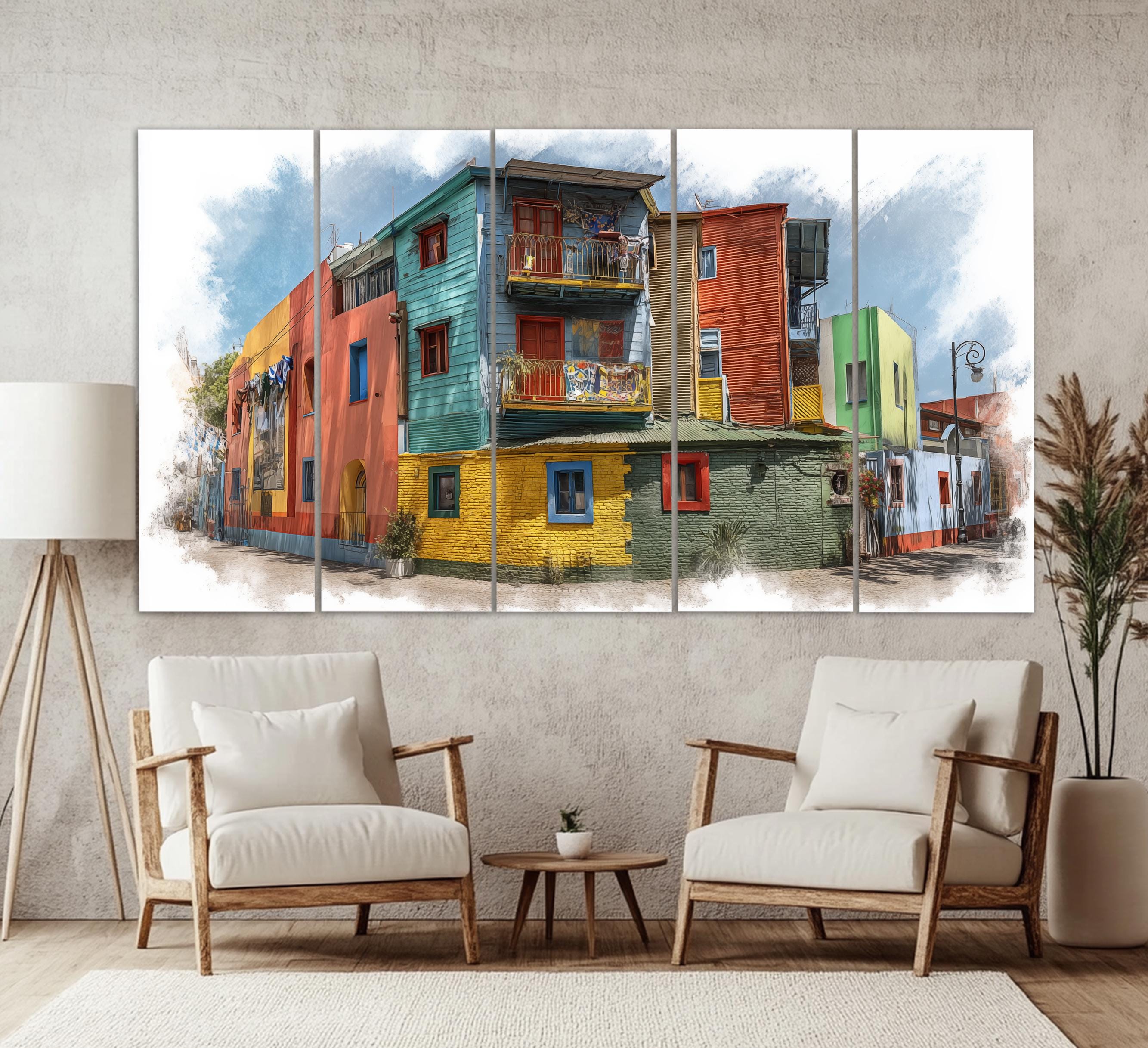
- La Boca and Barracas: This is where the canvas meets traditional history. The "Calle Lanín" project in Barracas, led by artist Marino Santa María, transformed an entire street using mosaic and paint. In La Boca, the murals often pay homage to the neighborhood’s immigrant roots and the legacy of painter Benito Quinquela Martín.
- Coghlan and Saavedra: These quiet, residential areas have become an unlikely destination for massive scale murals. Due to the large, flat walls of the houses and low foot traffic, artists have been able to create some of the city's most ambitious "super-murals."
Rosario and Córdoba
Beyond the capital, the urban canvas continues to expand. Rosario, the birthplace of Che Guevara and Lionel Messi, features a significant amount of art dedicated to these local icons. The city’s waterfront has been revitalized through the "Museo de Arte Urbano a Cielo Abierto" (Open Air Urban Art Museum), which organizes large-scale interventions on silos and industrial buildings.
Córdoba, with its massive student population, leans toward the experimental and political. The "cañada" (the city’s central canal) and the Güemes neighborhood are hotspots for stencils and collaborative pieces that tackle environmental and social issues.
Key Styles and Techniques in 2026
As of 2026, the techniques used on the Argentine urban canvas have evolved from simple aerosol sprays to a multi-disciplinary approach.
| Technique | Description | Notable Area |
|---|---|---|
| Hyper-realism | Large-scale portraits that look like photographs, often using a mix of spray and rollers. | Coghlan, Buenos Aires |
| Abstract Geometric | Focus on shapes and color theory to interact with the building's architecture. | Palermo, Buenos Aires |
| Stencil & Wheatpaste | Rapid-application methods often used for political or social commentary. | San Telmo, Buenos Aires |
| Mosaic & Ceramic | Permanent installations that add texture and longevity to the canvas. | Calle Lanín, Barracas |
| Fileteado 2.0 | Traditional swirls and fonts applied to modern contexts and large scales. | Abasto, Buenos Aires |
The Rise of Bio-Paints and Sustainable Art
A significant trend observed in 2026 is the shift toward sustainability. Many muralists have begun using smog-eating paints (photocatalytic paints) that neutralize pollutants in the air. This shift has transformed the urban canvas from a purely aesthetic or social medium into an environmental tool. When an artist covers a 20-story building in this paint, it can provide the same air-purifying effect as planting dozens of trees.
The Socio-Political Impact of the Urban Canvas
The "wide urban canvas" is not just for looking at; it is a tool for memory and justice. In Argentina, the streets are frequently used to commemorate historical events and advocate for human rights.
The "Madres de Plaza de Mayo" (Mothers of the Plaza de Mayo) and their symbolic white headscarves are a recurring motif across the country. Similarly, themes related to the Malvinas (Falklands) War and the "Desaparecidos" (the disappeared during the dictatorship) are common. These murals ensure that history is not tucked away in textbooks but remains a visible, unavoidable part of daily life.
Furthermore, the urban canvas serves as a voice for the marginalized. In the "villas" (informal settlements or slums), street art projects have been used to change the narrative of the neighborhood. Projects like those in Villa 31 have used bright colors and community-led murals to foster pride and attract positive attention to areas previously ignored by the state.
Practical Guide for Exploring the Urban Canvas
For those wishing to engage with the Argentine streets, 2026 offers more infrastructure than ever before. However, a successful exploration requires some planning.
- Timing: The best time for photography is early morning or late afternoon (the "golden hour") to avoid harsh shadows on the building facades. Sundays are particularly good for exploring commercial areas like San Telmo or Palermo, as the metal shutters (which are often painted) are closed and visible.
- Guided vs. Solo: While many areas are safe for solo walking, specialized tours (such as those offered by Graffiti Mundo or local artist collectives) provide essential context. They explain the "why" behind the mural, the artist’s history, and the hidden political meanings.
- Safety: Standard urban safety rules apply. Keep expensive camera equipment discreet when moving between murals, especially in less touristy areas like Barracas or parts of La Boca.
- Interaction: If you see an artist working, it is generally polite to watch from a distance. Many are happy to chat if they are on a break, but avoid interrupting them while they are on scaffolding or using a spray mask.
Future Outlook and Preservation
The challenge facing the Argentine urban canvas in 2026 is one of longevity. Street art is, by nature, ephemeral. Sun, rain, and urban pollution eventually degrade the pigments.
There is an ongoing debate within the Argentine art community regarding "restoration versus replacement." Some argue that murals should be allowed to fade or be painted over, reflecting the changing nature of the street. Others, particularly in the case of works by masters like Martin Ron or Milu Correch, advocate for state-funded preservation.
The government of Buenos Aires has responded by creating a digital archive of the city’s murals, ensuring that even if the physical "canvas" is lost, the cultural record remains. This digital-physical hybrid approach ensures that Argentina remains a leader in how cities manage their visual culture.
FAQ
Is it legal to paint on any wall in Argentina? No. While the laws are permissive, you must have the permission of the property owner. Painting on public buildings or monuments without government authorization is still considered vandalism and can result in fines or legal action.
Who are the most famous artists currently active in 2026? Names like Martin Ron, known for his massive hyper-realistic portraits, and Milu Correch, known for her surreal and often dark imagery, continue to dominate. Other significant figures include Lean Frizzera and the duo Medianeras.
Are there street art festivals in Argentina? Yes, several. The "Color BA" festival is one of the most prominent, bringing together local and international artists to revitalize specific neighborhoods. Regional festivals in Rosario and San Luis also draw significant crowds.
Does the weather affect the street art tours? Most street art is outdoor, so tours may be canceled or rescheduled during heavy rain. However, the high quality of paint used means the colors remain vibrant even after years of exposure to the intense Argentine sun.
Can I buy street art in Argentina? While you cannot "buy" a street mural, many prominent street artists have gallery representations. Neighborhoods like Palermo Soho have several galleries specializing in "urban contemporary art," where you can buy canvases or prints from the same artists who paint the streets.
Practical Recommendation
If you have only one day to experience the Argentine urban canvas, start in the neighborhood of Colegiales and walk toward Coghlan. This route offers a high concentration of world-class, large-scale murals in a safe, residential setting that feels far removed from the typical tourist traps. For the best experience, download a local street art map or use a dedicated app to identify the artists and titles of the works as you go.