Repairing a foundation in Cleveland requires a strategic approach tailored to the region's unique clay-heavy soil and freeze-thaw climate. Costs typically range from $4,000 for localized crack injections to over $20,000 for comprehensive piering systems. Homeowners must assess structural signs, obtain site-specific engineering reports, and select specialized remediation methods like carbon fiber straps, helical piers, or basement waterproofing to ensure long-term stability.
Understanding the Cleveland Foundation Environment
Cleveland’s geography presents specific challenges for residential foundations. The region’s subsoil, often characterized by heavy clay deposits, is prone to expansion and contraction depending on moisture levels. This process, known as soil heaving or settling, exerts immense pressure on concrete block or poured concrete basement walls.
Furthermore, the Great Lakes region experiences significant seasonal temperature fluctuations. The freeze-thaw cycle causes water in the soil to expand when frozen and contract when melted. This dynamic environment can lead to hydrostatic pressure, which pushes against basement walls, causing bowing, cracking, and water infiltration. Recognizing these environmental pressures is the first step in diagnosing why your home’s foundation may be failing.
Identifying Signs of Foundation Distress
Before seeking quotes, homeowners should conduct a thorough inspection. Not every crack signifies a total structural failure; however, some indicators necessitate immediate professional attention.
- Horizontal Cracking: This is a primary sign of lateral earth pressure. A horizontal crack across a basement wall often indicates that the wall is bowing inward and may eventually collapse without reinforcement.
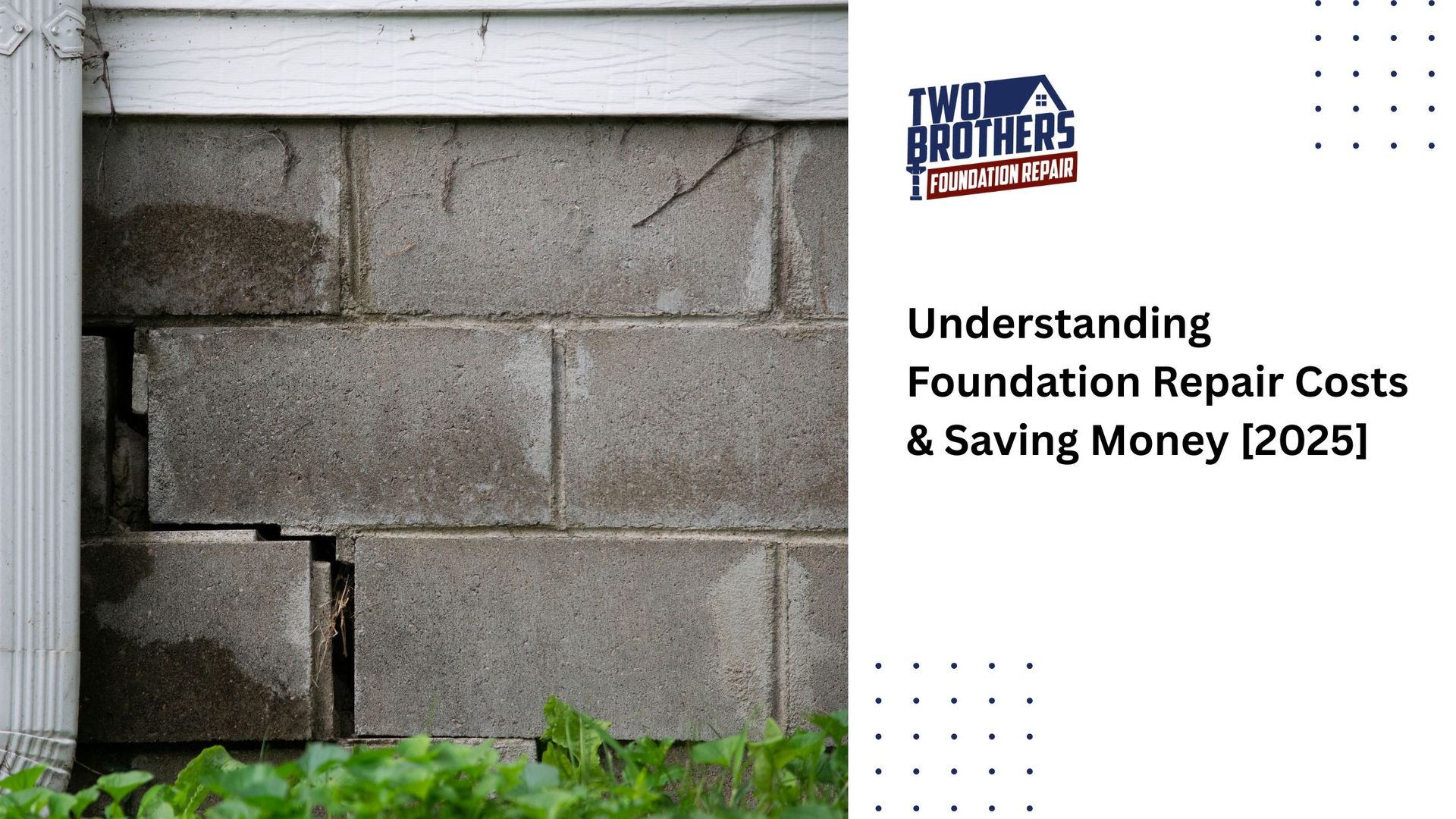
- Stair-Step Cracking: Common in concrete block foundations, these cracks move diagonally through mortar joints. They indicate that a corner or section of the wall is sinking or shifting.
- Door and Window Misalignment: If doors fail to latch or windows become difficult to open, the foundation may be shifting, causing the frame of the house to rack or tilt.
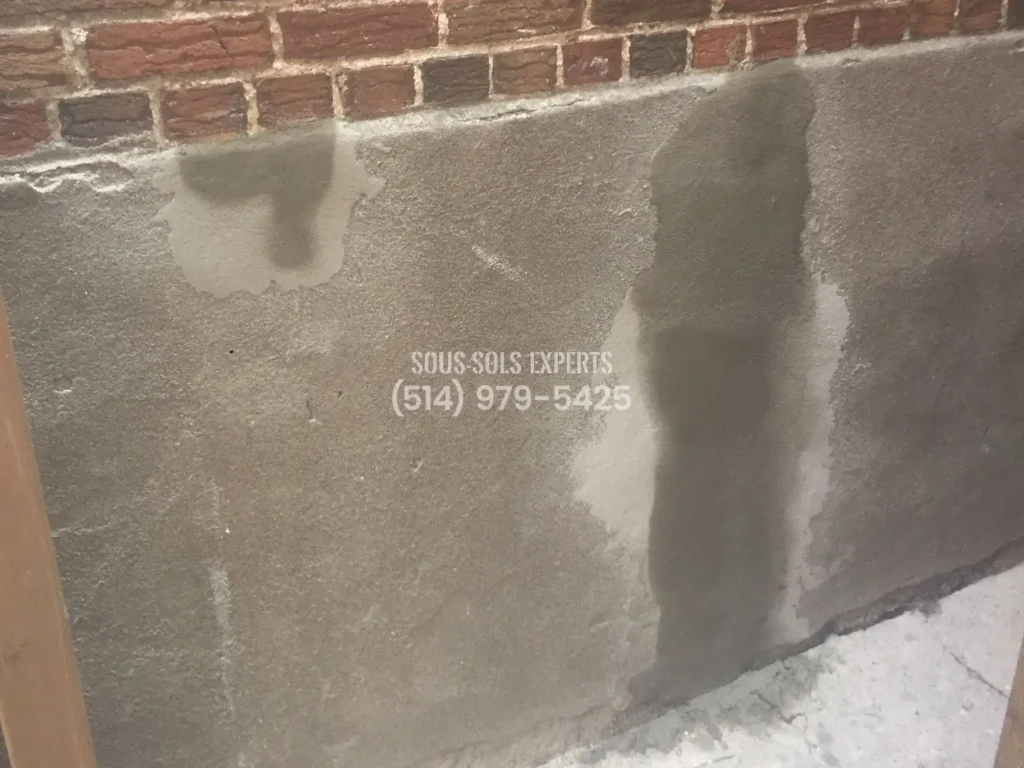
- Water Seepage: While not always structural, water entering through cracks often accelerates the deterioration of concrete and the corrosion of steel reinforcement bars (rebar), leading to more severe issues over time.
- Visible Tilting: A chimney that is pulling away from the house or a foundation wall leaning significantly indicates severe settling that requires urgent structural intervention.
Common Foundation Repair Methods
Professional contractors in Cleveland employ several distinct methods depending on the severity of the damage and the type of foundation.
1. Carbon Fiber Straps
Carbon fiber reinforcement is a non-intrusive method used to stabilize bowing walls. Contractors epoxy high-tensile carbon fiber straps directly to the interior of the wall. This prevents further inward movement. While effective for structural stabilization, it does not "fix" the wall’s position or address the underlying soil pressure issues permanently, though it is a cost-effective solution for walls that have not yet failed.
2. Helical and Push Piers
When a foundation is sinking (settlement), steel piers are the industry standard.
- Helical Piers: These are screwed into the stable soil deep beneath the foundation. They are ideal for lighter structures or smaller sections of a home.
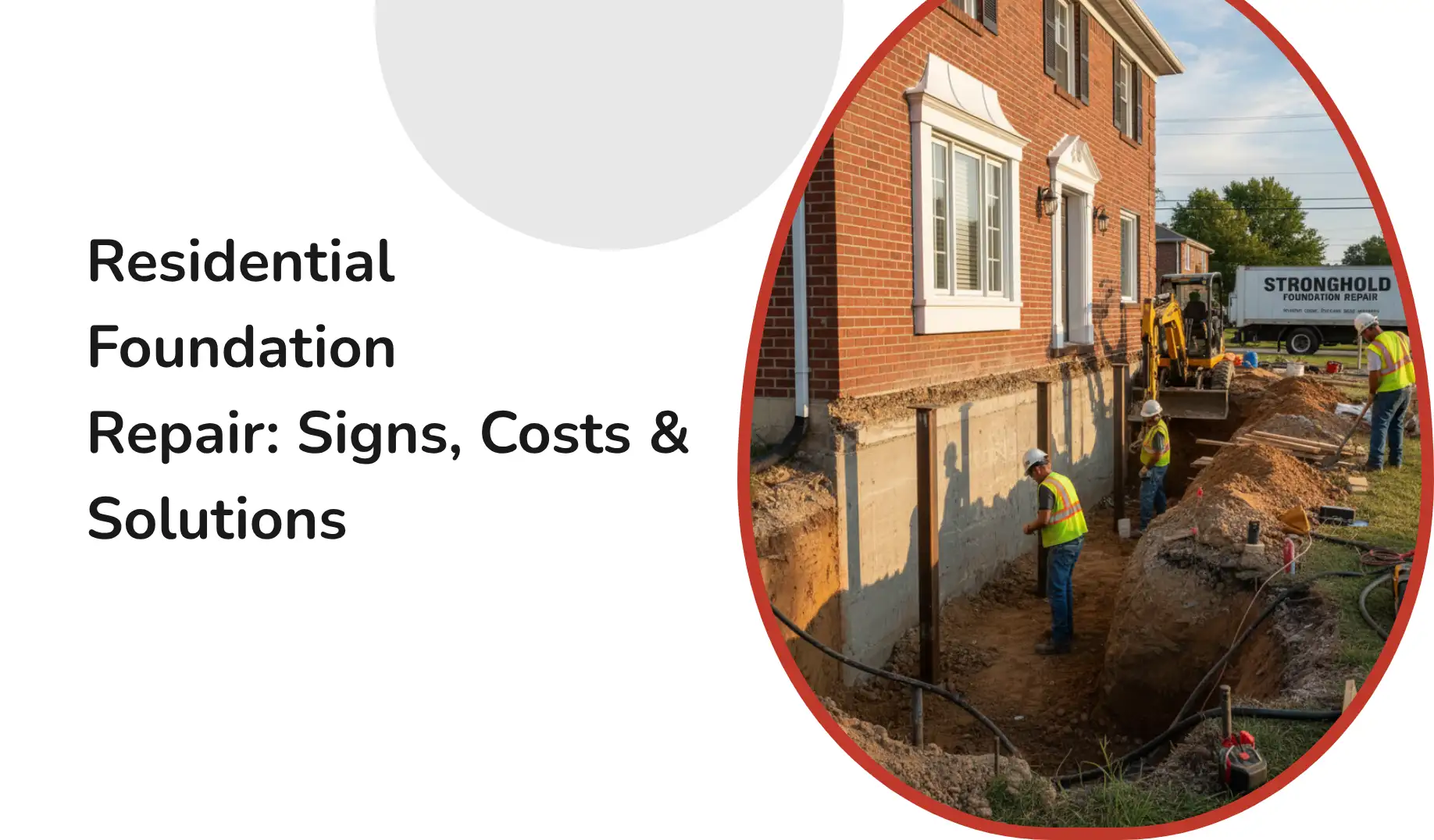
- Push Piers: These are driven hydraulically until they reach load-bearing bedrock or dense strata. They are used for heavier homes and significant sinking issues. Both systems effectively underpin the house, transferring the structural load to the deeper, stable earth.
3. Wall Anchors and Tie-Backs
Wall anchors involve installing plates on both the interior of the basement wall and the exterior soil, connected by steel rods. By tightening the rod, the contractor can gradually pull the wall back into a plumb position. This is a highly effective method for bowing walls that are significantly displaced.
4. Pressure Grouting and Mudjacking
Used primarily for concrete slabs (like garages or driveways), this involves pumping a stabilizing material beneath the concrete to fill voids created by soil erosion or compaction, effectively lifting the slab back to its original elevation.
Cost Factors in the Cleveland Market
Costs in the Cleveland area are influenced by the scope of work, labor rates, and the complexity of accessing the site. As of 2026, prices reflect regional labor and material supply chains.
| Repair Method | Average Estimated Cost Range | Best For |
|---|---|---|
| Crack Injection (Epoxy/Polyurethane) | $500 – $1,500 | Minor, non-structural leaks |
| Carbon Fiber Straps | $800 – $1,500 per strap | Stabilization of bowing walls |
| Wall Anchors | $3,000 – $6,000 | Correcting lateral wall movement |
| Helical/Push Piers | $10,000 – $25,000+ | Severe foundation settlement |
| Interior Drain Tile/Waterproofing | $4,000 – $10,000 | Managing water pressure/leaks |
Note: These figures represent national and regional averages for 2026 and can vary significantly based on specific site conditions.
Evaluating Contractors and Professional Standards
Selecting a reputable foundation contractor is as critical as the repair method itself. In Ohio, while some general contracting licenses apply, specialized structural work often requires specific insurance and certifications.
- Request an Engineering Report: If the damage is extensive, consult a structural engineer who is not affiliated with a repair company. They can provide an unbiased assessment of whether you need structural stabilization or merely cosmetic crack sealing.
- Verify Licensing and Insurance: Ensure the contractor carries both general liability and workers' compensation insurance. Foundation work is inherently dangerous; you do not want to be liable for injuries on your property.
- Check for Warranty Details: Reputable firms typically provide a lifetime transferable warranty on piering systems. Ask specifically if the warranty covers the "entire" system or just the materials, and confirm it is transferable to future owners.
- Avoid High-Pressure Sales: Beware of contractors who suggest immediate, expensive work based on fear tactics without providing a written assessment.
Common Mistakes to Avoid
- Ignoring Small Cracks: Small, thin cracks are often the first stage of soil pressure. Applying a topical seal without evaluating the wall for movement is a temporary fix that ignores the progression of structural damage.
- Prioritizing Cosmetics Over Structure: Patching cracks or painting over walls hides the problem but does nothing to resolve the underlying structural shift.
- Skipping Permits: Foundation repairs often involve altering the structural integrity of the home. Always verify if the city of Cleveland or your specific suburb requires building permits for the work. Failing to pull a permit can cause complications when you decide to sell the home.
- Failing to Fix Drainage: Foundations fail due to water. If you fix the foundation but do not improve your gutter extensions, grading, or exterior drainage, the repair is likely to fail again as the soil continues to expand and contract.
Frequently Asked Questions
Will my homeowners' insurance cover foundation repair?
Generally, no. Most standard homeowners' policies cover "sudden and accidental" damage, such as a burst pipe. They typically exclude damage resulting from "earth movement," settlement, or poor construction, which are the most common causes of foundation distress in Cleveland. Always review your specific policy or speak with your agent to clarify exclusions.
How do I know if my foundation crack is serious?
A crack that is wider than 1/8 inch or is actively leaking water is a concern. If the crack is horizontal, or if it is "stepped" in a zigzag pattern, it indicates structural movement. Vertical cracks are often caused by initial concrete shrinkage during the curing process and may be less critical, but they should still be monitored.
Can I repair a foundation during the winter in Cleveland?
Technically, yes. Interior work, such as carbon fiber installation or crack injection, can be performed year-round. Exterior work, like installing piers or excavating for wall anchors, is more difficult due to frozen ground, but it can be done by contractors equipped for cold-weather construction. Expect potential surcharges for winter labor.
Does a repaired foundation decrease home value?
A properly repaired foundation, documented with an engineering report and a transferable warranty, often provides peace of mind to future buyers. In fact, a non-repaired foundation with known issues can be a significant "red flag" that discourages buyers or complicates financing. Transparency through professional documentation is your best asset when selling.
Recommended Next Steps
Start by monitoring the area. If you find a crack, draw a small line at the end of the crack and date it. If the crack extends past that mark over the next few months, the foundation is moving. At that point, contact a local structural engineer to determine if the movement is active. Once you have a professional evaluation, solicit at least three quotes from licensed contractors. Compare their proposed solutions, verify their warranty terms, and ensure they provide a detailed scope of work before signing any contract.