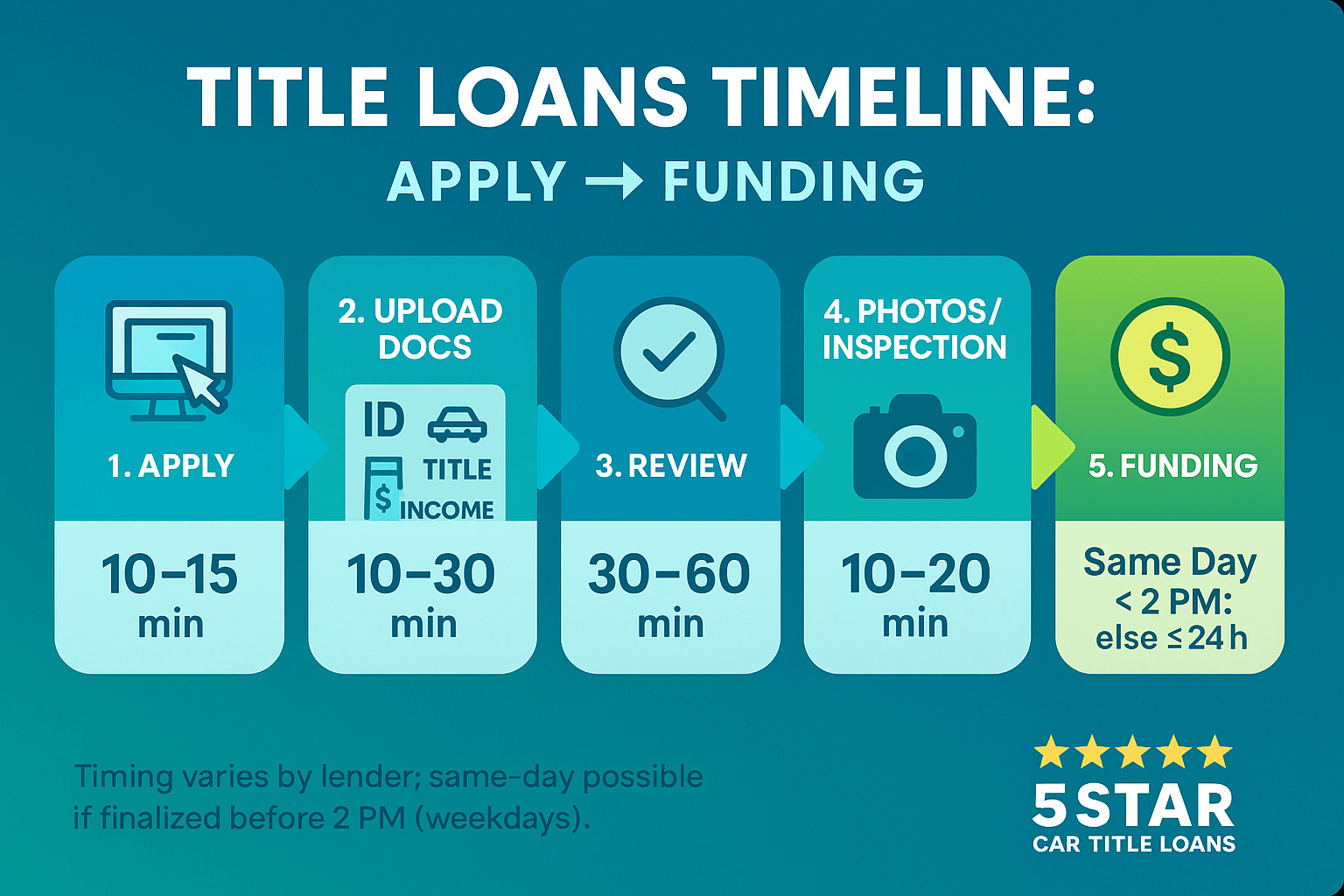
Deciding whether a car title loan in Knoxville is "worth it" depends entirely on your specific financial situation, the urgency of your need, and your ability to repay the debt within the contract terms. While these loans offer immediate access to cash for vehicle owners, they are high-cost financial products that carry significant risks, including the potential loss of your vehicle.
Understanding Title Loans in Tennessee
In Tennessee, a title loan—often referred to as a motor vehicle title pledge—is a short-term, high-interest loan secured by the equity in your personal vehicle. Unlike traditional bank loans that weigh heavily on your credit score, title loans prioritize the value of your car, truck, or motorcycle. Because the vehicle serves as collateral, the lender holds the physical title until the loan is paid in full.
In Knoxville, these transactions are regulated under state law. Tennessee Code Annotated (TCA) Title 45, Chapter 15, known as the Title Pledge Act, sets the legal framework for these lenders. Under this law, lenders must be licensed by the Tennessee Department of Financial Institutions. This regulation ensures that businesses follow specific interest rate caps and disclosure requirements, though it does not eliminate the inherent costliness of the product.
The Mechanism of a Title Loan
When you approach a lender in Knoxville, the process typically begins with an appraisal of your vehicle. The lender determines the "liquidation value" of the car—what they could realistically sell it for at an auction—rather than the retail value you might see on platforms like Kelley Blue Book.
Once the value is established, the lender offers a percentage of that equity as a loan. You sign a contract agreeing to the principal amount, the interest rate, and the repayment schedule. Because these loans are designed to be "short-term," the repayment period is often quite aggressive. If you fail to make payments, the lender has the legal right to repossess your vehicle without additional court approval, as you have already pledged the title as security.
Analyzing the "Worth" of the Loan
To determine if a title loan is worth it, you must conduct a personal cost-benefit analysis. The "worth" is usually measured by the mitigation of an immediate emergency versus the long-term financial strain caused by the loan.
When it Might Be Considered
- Emergency Liquidity: If you are facing an essential expense—such as a medical bill, a utility shutoff notice, or a necessary home repair—that, if left unpaid, would cost more than the interest on the loan, the utility of the cash may outweigh the cost.
- Accessibility: If your credit score is too low to qualify for a personal loan from a bank or credit union, a title loan may be one of the only ways to secure immediate capital.
- Retention of Use: Unlike a pawn shop, where you must leave your asset on-site, a title loan allows you to keep driving your car while you repay the debt.
When it Becomes Financially Destructive
- The Debt Trap: If you use the loan to pay for non-essential expenses, the high interest rates can quickly lead to a cycle of "rolling over" the loan, where you pay interest only but never touch the principal, causing your debt to balloon over several months.
- Income Instability: If you do not have a guaranteed way to repay the loan by the next due date, you are effectively gambling with your primary mode of transportation.
- Replacement Cost: If you lose your vehicle, the cost of replacing it (including the down payment for a new car and the loss of the asset you already owned) far exceeds the benefit of the initial cash injection.
Comparative Financial Overview
The following table illustrates how title loans compare to other common, though often difficult-to-access, sources of emergency funding.
| Feature | Title Loan | Personal Loan (Bank) | Credit Card Cash Advance | Pawn Shop Loan |
|---|---|---|---|---|
| Collateral | Vehicle Title | Usually Unsecured | Unsecured | Physical Goods |
| Credit Check | Minimal | Stringent | Moderate | None |
| Speed | Instant/Same Day | Days to Weeks | Instant | Instant |
| Interest Rate | Very High | Low to Moderate | High | High |
| Risk | High (Repossession) | Low (Impacts Credit) | Moderate | Asset Loss |
Key Risks and Legal Protections
Tennessee law requires that title pledge agreements be written in clear language, specifying the total amount of the loan, the interest rate, and the due date. The interest rate on these loans is significantly higher than that of traditional consumer credit. Before signing, it is critical to confirm that the lender is registered with the state. Unlicensed lenders—often operating online or through predatory storefronts—may ignore state regulations regarding grace periods or interest caps.
One of the most significant risks in 2026 is the rising cost of used vehicle repairs. If your car requires maintenance while a lien is placed on it, you may find yourself in a difficult position where you cannot afford the repairs, yet you need the car to maintain the income required to pay off the title loan. This can lead to a total loss of both the asset and the funds invested.
Alternatives to Consider
Before committing to a title loan, explore these alternatives, which may prove more cost-effective:
- Credit Union Emergency Loans: Many Knoxville-based credit unions offer small-dollar, short-term loans specifically designed to help members avoid predatory lending. These often carry interest rates significantly lower than title or payday lenders.
- Payment Extensions: If you are struggling with a specific bill, contact the creditor directly. Utility companies, landlords, and medical providers often have hardship programs or can offer payment extensions if you communicate with them before a missed deadline.
- Local Non-Profits: Organizations like the Knoxville-Knox County Community Action Committee (CAC) provide resources and assistance programs for residents facing financial crises.
- Selling Unused Assets: If you have items of value, selling them outright may provide the necessary cash without creating a debt obligation that puts your vehicle at risk.
Frequently Asked Questions
Does a title loan affect my credit score in Knoxville? Generally, title lenders do not report your loan status to major credit bureaus. However, if you default and the lender initiates legal action to recover the debt or repossess the car, the resulting judgment can appear on your credit report and damage your score significantly.
Can I get a title loan if I still owe money on my car? Most reputable lenders require that you own the vehicle outright, meaning you hold the title free of any liens. If you are still making payments to a bank or finance company, the lender cannot verify that they have primary rights to the vehicle, making a title loan unlikely.
What happens if I cannot pay the loan back on time? If you cannot meet the terms, the lender may offer to "renew" or "roll over" the loan. This is expensive, as you typically pay additional interest and fees. If you continue to miss payments, the lender will eventually trigger the repossession process as stipulated in your contract.
Are there limits on how much I can borrow? The loan amount is determined by the vehicle's appraised value, not necessarily your financial need. In Tennessee, lenders must abide by state-regulated caps on interest and the specific terms outlined in the Title Pledge Act, which effectively limits the total cost of the loan over time.
Final Recommendation
If you are considering a Knoxville title loan, view it strictly as a "last resort" option. Before signing any documentation, calculate the exact total cost of the loan, including all fees, and confirm that your future income can realistically cover the repayment without compromising your basic living expenses. If your budget does not allow for a prompt payoff, seek out local non-profit assistance or credit union alternatives first. The risk of losing your vehicle—and the independence it provides—should be treated as the primary factor in your decision-making process.