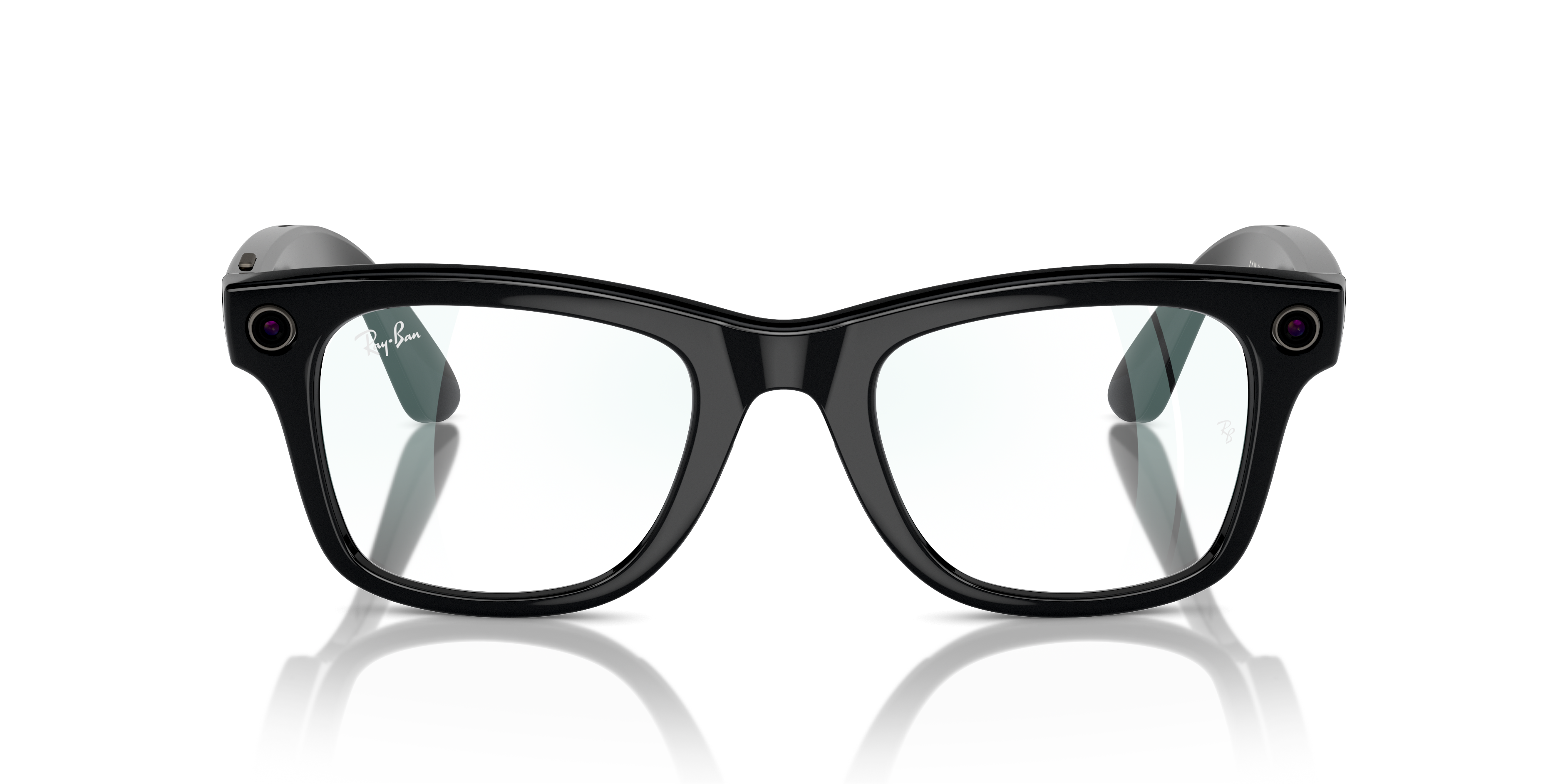
LensCrafters lenses are generally considered high-quality, optical-grade products backed by a significant retail infrastructure that emphasizes convenience and standardized manufacturing. Whether they are the right choice for you depends on your specific vision correction needs, your budget, and the importance you place on in-store versus online service models. As one of the largest optical retailers in North America, LensCrafters utilizes a combination of proprietary lens technology and recognized industry standards to provide prescription eyewear for a wide range of patients.
To understand if their lenses meet your expectations, it is essential to evaluate the materials used, the coating options available, the manufacturing consistency, and how these factors compare to independent optical boutiques or online-only retailers.
The Lens Manufacturing Process at LensCrafters
LensCrafters operates under the umbrella of EssilorLuxottica, the world’s largest eyewear company. This vertical integration is a critical factor in understanding the quality of their lenses. Because they are part of the same corporate ecosystem that produces many of the lenses supplied to private practices and other retail chains, the core technology—the chemical composition of the plastic, the precision of the surfacing, and the application of anti-reflective coatings—is consistent with high-end industry standards.
When you purchase lenses from LensCrafters, they are often processed in centralized, high-tech labs. This move away from "in-store" grinding, which was once their hallmark, toward centralized lab manufacturing has resulted in higher consistency. Using advanced digital surfacing technology, these labs can create lenses that are thinner, lighter, and more optically precise than traditional "stock" lenses. This is particularly beneficial for those with high prescriptions, as it reduces peripheral distortion and minimizes the "magnification effect" often associated with thick lenses.
Assessing Lens Quality: Materials and Coatings
The quality of a lens is rarely about the brand name alone; it is defined by the material and the treatments applied to that material. LensCrafters offers a spectrum of choices, ranging from standard CR-39 plastic to high-index materials and polycarbonate.
Lens Materials
- CR-39 Plastic: The standard choice for low prescriptions. It is affordable and offers excellent optical clarity, though it is prone to cracking and is thicker than other options.
- Polycarbonate: Highly impact-resistant and ideal for children or active individuals. However, it can have slightly more chromatic aberration (color fringing) than other materials.
- High-Index (1.60, 1.67, 1.74): These materials are designed to be thin and lightweight. As the "index" number increases, the lens becomes thinner. For those with strong prescriptions, 1.67 or 1.74 index lenses are standard for cosmetic appeal and comfort.
Coating Technology
The "goodness" of a lens is heavily dependent on the coatings applied. LensCrafters’ proprietary and branded anti-reflective (AR) coatings—such as those featuring their anti-smudge and anti-scratch treatments—are highly competitive. A quality AR coating does more than reduce glare; it increases light transmission to the eye, improving night driving and reducing eye strain in front of digital screens.
Comparing LensCrafters to Alternatives
Consumers often ask how LensCrafters stacks up against independent optometrists and online retailers. The following table provides a comparison based on typical service models observed as of 2026.
| Feature | LensCrafters | Independent Optician | Online Retailer |
|---|---|---|---|
| Customization | High (Corporate standards) | Very High (Bespoke) | Low (Template-based) |
| Turnaround | Moderate (Often 1–2 weeks) | Varies (Often slower) | Varies (Usually fast) |
| Convenience | High (Many locations) | Low (Few locations) | High (At-home) |
| Price Point | Mid-to-High | High | Low |
| Professional Fit | Expert (In-person) | Expert (In-person) | None (User-measured) |
The Importance of Professional Fitting
Even the most expensive, high-index lens will perform poorly if the "optical center" is not aligned with your pupils. This is the primary reason why LensCrafters lenses often outperform online-purchased lenses. In-store staff use precise measurements, including pupillary distance (PD) and segment height, to ensure the lens is centered correctly in the frame.
If the lens is tilted incorrectly (pantoscopic tilt) or if the optical center is off by even a few millimeters, you may experience headaches, eye strain, or a "swimming" sensation. LensCrafters staff are generally well-trained in using digital measuring tools, such as their "AccuFit" system, which provides a high level of accuracy that is difficult to replicate at home.
Considerations for Specific Prescription Needs
Progressive Lenses
If you require bifocals or progressives, the quality of the "corridor" (the area for intermediate and near vision) is paramount. LensCrafters offers high-end digital progressives that provide wider fields of view. These lenses are "free-form" generated, meaning they are mapped to your specific eye anatomy, which significantly reduces the "side-blur" common in cheaper, older progressive lens designs.
Blue Light and Digital Use
For individuals who spend significant time on digital devices, LensCrafters offers various blue-light-filtering options. While clinical evidence on the efficacy of blue light filters for preventing eye disease remains debated, many users report a subjective improvement in comfort when viewing screens for extended periods.
Common Criticisms and Limitations
While the hardware is solid, criticism of LensCrafters often focuses on the retail experience rather than the lens material itself. Because they are a large chain, service consistency can vary by location. Some customers report pressure to purchase additional coatings, unnecessary upgrades, or premium frames that drive up the total cost.
Furthermore, price transparency can be an issue. Because they often bundle frames and lenses into packages, it can be difficult to compare the "cost per lens" against an independent shop that may offer a similar, or better, lens at a different price structure.
How to Get the Best Value
If you decide to proceed with LensCrafters, follow these steps to ensure you are getting the most value for your money:
- Understand Your Needs: Do you need high-index lenses, or are you paying for a feature you don't require? Ask the optician to explain why a particular material is recommended for your specific prescription.
- Verify Insurance: LensCrafters is usually "in-network" for most major vision insurance plans. Check your plan's coverage for "lens upgrades" specifically, as basic lenses are often covered, but premium coatings may involve out-of-pocket costs.
- Review the Warranty: Ask about their breakage and scratch warranties. A good lens should come with a manufacturer's warranty for the coating, typically covering defects for a year.
- Prioritize the Fit: Never skip the in-person fitting. Even if you choose a mid-tier lens, a perfect fitting will make it more comfortable than a high-tier lens that is poorly centered.
Frequently Asked Questions
Do LensCrafters lenses scratch easily?
All plastic lenses are susceptible to scratching, but the longevity of your lenses depends heavily on the quality of the anti-scratch coating applied. LensCrafters’ higher-tier coatings are chemically hardened to resist common environmental abrasions. However, no lens is truly "scratch-proof"; proper cleaning with a microfiber cloth and lens spray is required regardless of the quality.
Are LensCrafters lenses overpriced?
"Overpriced" is subjective, but LensCrafters is generally positioned as a premium retail chain. You are paying for the convenience of one-stop shopping, standardized quality control, and an extensive warranty network. If you prioritize the lowest possible cost, online retailers may be cheaper; if you prioritize professional accuracy and the ability to return to a store for adjustments, the pricing is generally considered standard for the industry.
Can I bring my own frames to LensCrafters?
Yes, most LensCrafters locations will allow you to put their lenses into frames you own, provided the frames are in good condition and structurally sound. However, there are often limitations based on the frame's material or age, as old frames can be brittle and prone to breaking during the lens-cutting process.
How long do LensCrafters lenses last?
With proper care, a pair of lenses should last between 18 to 24 months, which aligns with the average schedule for a new vision exam. After this period, your prescription may change, or the lens coatings may begin to break down due to heat, UV exposure, and cleaning friction.
Final Recommendation
LensCrafters lenses are an excellent choice for individuals who want a balance of high-quality optical performance and the safety net of a large retail brand. They are particularly well-suited for patients with complex prescriptions—such as progressives or high-index needs—who require precise, professional in-person fitting to avoid visual discomfort.
If you are currently wearing generic lenses or have experienced poor results from online vendors, upgrading to a LensCrafters digital lens with a premium anti-reflective coating is likely to yield a noticeable improvement in visual clarity and daily comfort. Before purchasing, confirm your vision insurance benefits, ensure you are comfortable with the store's optician, and prioritize the correct lens material over unnecessary cosmetic add-ons.