Life insurance and medical insurance are fundamentally different financial products designed to address distinct risks. Medical insurance is intended to cover the costs of healthcare services, including doctor visits, hospital stays, and medications while you are alive. Conversely, life insurance is a contract that provides a death benefit to designated beneficiaries after the insured individual passes away.
Understanding the distinction between these two forms of coverage is critical for sound financial planning. While both are essential components of a risk management strategy, they serve non-overlapping functions. Medical insurance is an operational tool for managing your health and immediate financial burden during illness or injury, whereas life insurance acts as a legacy tool or income replacement mechanism for your dependents.
The Core Purpose of Medical Insurance
Medical insurance, often referred to as health insurance, is a contract between an individual and an insurer. The primary objective of this policy is to mitigate the financial risk associated with healthcare costs. Under this agreement, the insurer agrees to pay for specific medical expenses as defined by the policy’s coverage terms in exchange for the policyholder paying regular premiums.
How Medical Insurance Operates
In practice, medical insurance functions as a gatekeeper to affordable healthcare. It provides a network of providers, such as hospitals, clinics, and specialists. By utilizing in-network providers, policyholders receive negotiated rates for services, which significantly lowers the out-of-pocket costs compared to paying for services as a private individual.
Key features of medical insurance include:
- Preventive Care: Most plans cover annual check-ups, screenings, and immunizations at little to no cost to encourage early detection of health issues.
- Inpatient and Outpatient Coverage: This includes costs for surgeries, emergency room visits, hospital room charges, and diagnostic tests like MRIs or lab work.
- Prescription Drug Benefits: Coverage for maintenance medications and acute treatments varies by plan but is a central component of most modern health insurance policies.
The Core Purpose of Life Insurance
Life insurance is designed to provide financial security to a person’s survivors upon the death of the insured. It is essentially a hedge against the loss of income or the burden of final expenses, such as funeral costs or outstanding debts like mortgages and personal loans.
Types of Life Insurance
Life insurance generally falls into two broad categories, each serving specific long-term goals:
- Term Life Insurance: This provides coverage for a specific period (e.g., 10, 20, or 30 years). If the insured person passes away during this term, the beneficiaries receive the death benefit. If the policy expires while the insured is still alive, the coverage ends without a payout. This is typically the most affordable option.
- Permanent Life Insurance: Policies such as Whole Life or Universal Life offer coverage for the entire duration of the insured’s life, provided premiums are paid. These policies often include a "cash value" component that grows over time, which can potentially be borrowed against or withdrawn under specific terms.
Key Differences at a Glance
To navigate the insurance landscape, it is helpful to contrast these products directly. While both involve premiums and underwriting processes, their underlying financial mechanics and legal triggers differ significantly.
| Feature | Medical Insurance | Life Insurance |
|---|---|---|
| Primary Goal | Healthcare cost management | Income replacement / Legacy |
| Beneficiary | The insured (and providers) | Designated beneficiaries |
| Trigger Event | Illness, injury, or routine check-up | Death of the insured |
| Policy Term | Generally renewable annually | Can be term-based or lifelong |
| Tax Implications | Premiums may be tax-deductible | Death benefit is often income-tax free |
Why You Cannot Use Them Interchangeably
A common point of confusion arises when individuals assume that having one type of insurance eliminates the need for the other. This misconception can leave households vulnerable to severe financial shocks.
If you rely solely on medical insurance, your family will lack the financial cushion necessary to replace your income or settle your debts should you pass away unexpectedly. Conversely, if you carry only life insurance, you have no assistance with the high cost of emergency surgeries, chronic disease management, or routine diagnostic tests that occur during your lifetime.
The Financial Impact of Missing Coverage
- The Health Gap: Without medical insurance, a single catastrophic health event, such as a major surgery or a long-term chronic condition, can deplete a household’s savings rapidly. Even with high-quality medical insurance, out-of-pocket maximums and co-pays remain a reality.
- The Dependency Gap: Without life insurance, surviving dependents may lose their primary source of housing stability, education funding, and daily living expenses. This is particularly critical for young families or those carrying significant debt loads.
Eligibility and Underwriting Processes
The processes for obtaining these two forms of insurance involve different levels of scrutiny.
Medical Insurance Underwriting
In many jurisdictions, specifically under modern regulations such as the Affordable Care Act in the United States, medical insurance issuers are restricted from denying coverage or charging higher premiums based on pre-existing conditions. Enrollment typically occurs during designated open enrollment periods unless a "qualifying life event" (such as marriage, birth of a child, or loss of job-based coverage) triggers a special enrollment period.
Life Insurance Underwriting
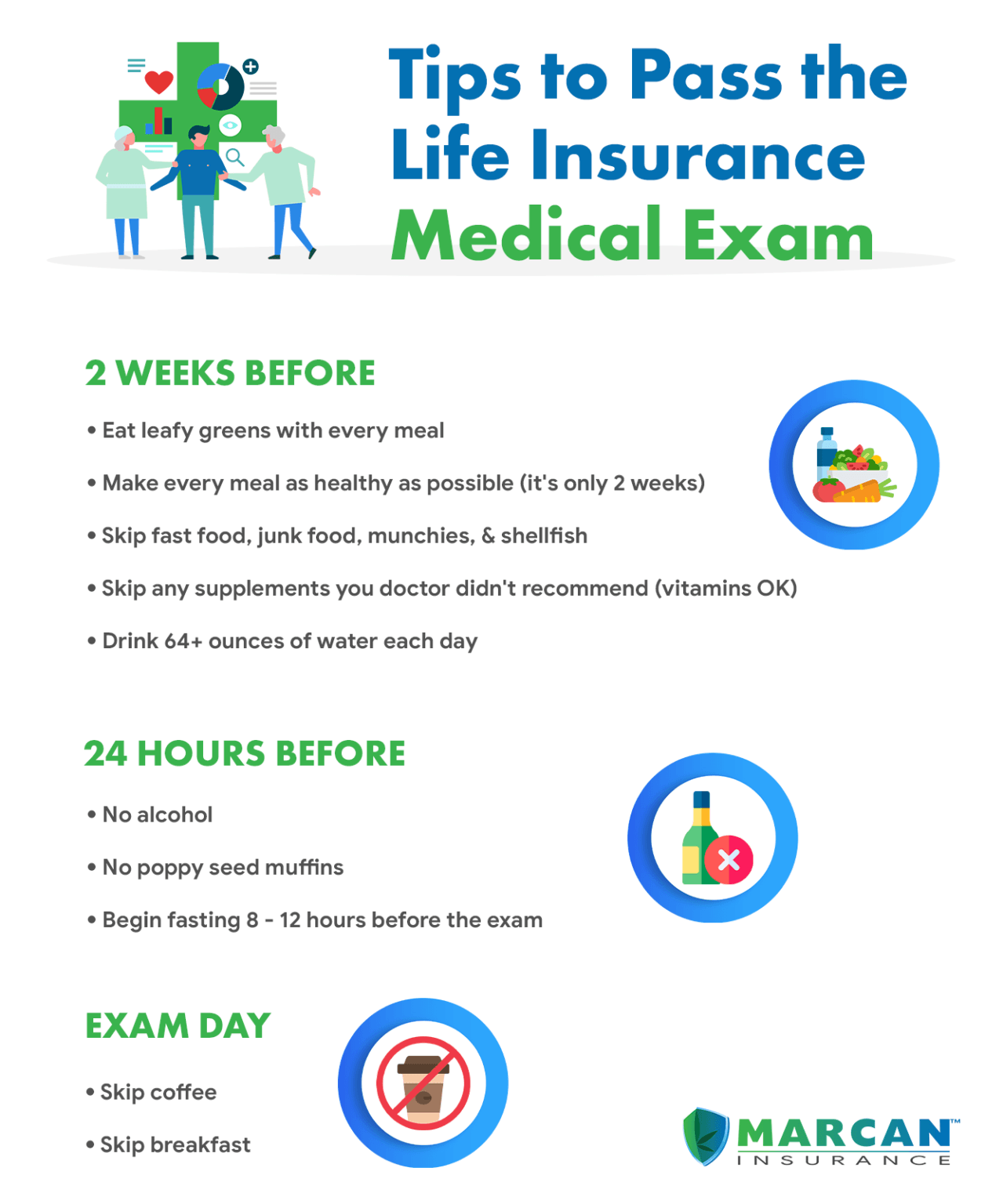
Life insurance underwriting remains a more personalized, risk-based process. Insurers evaluate the applicant's life expectancy based on factors such as age, medical history, occupation, and lifestyle habits (e.g., smoking or extreme sports). The healthier the applicant, the lower the premium. Some "guaranteed issue" policies exist that do not require a medical exam, but these often come with higher premiums and smaller death benefits.
Frequently Asked Questions
Does life insurance pay for hospital bills if I am sick?
No. Life insurance is designed to provide a lump sum to your beneficiaries after your death. It does not cover medical bills, surgery costs, or medications while you are alive. You must rely on medical insurance for those expenses.
Can I include my family members on my life insurance policy?
In most cases, you take out a policy on your own life and name your family members as beneficiaries. However, you can purchase separate policies for family members. Conversely, medical insurance often allows you to add dependents (spouse and children) to a single family plan to share a single deductible and out-of-pocket maximum.
Is it cheaper to have one policy that covers both?
These products are almost never bundled into a single policy because they are regulated differently and cover different entities. You will typically hold separate contracts with separate insurers or specialized divisions within a large insurance company.
What happens if I stop paying my premiums?
In both cases, stopping premium payments typically leads to the lapse of the policy. For medical insurance, you lose coverage immediately. For permanent life insurance, you might lose the accumulated cash value, and the death benefit will be forfeited unless specific "non-forfeiture" clauses exist in your contract.
Should I prioritize one over the other?
Financial planners generally prioritize medical insurance first, as healthcare costs are a constant, immediate risk. Life insurance is then added to protect against the catastrophic risk of death, especially if you have people who rely on your income for survival.
Next Steps for Your Insurance Planning
To ensure you are appropriately covered, you should conduct a brief audit of your current financial situation:
- Assess Your Medical Coverage: Review your current medical plan. Does it meet your family's routine needs? Are you prepared for the annual out-of-pocket maximum? If you are underinsured, look for plans with lower deductibles.
- Evaluate Your Income Replacement Needs: If you passed away tomorrow, what monthly costs would your family face? Consider debts, mortgage payments, and future education costs. This "gap" is the amount your life insurance should aim to cover.
- Consult with Professionals: If you are unsure about the policy terms, contact a licensed insurance broker. They can explain the specifics of various plans and ensure that you are not paying for overlapping benefits while identifying any gaps in your coverage.
By clearly distinguishing between the operational nature of medical insurance and the legacy-driven nature of life insurance, you can build a robust safety net that protects both your current health and your family's long-term future.