The short answer is yes: life insurance agents are inherently mobile, though the definition of mobility has evolved significantly. While agents traditionally traveled to client homes or offices to facilitate physical signatures and medical underwriting, the industry has shifted toward hybrid and fully digital workflows. Most licensed agents today utilize secure, remote-enabled platforms to conduct policy consultations and secure applications from anywhere with a stable internet connection.
The Evolution of Agent Mobility in the Insurance Sector
For decades, the professional identity of a life insurance agent was synonymous with the briefcase-toting professional who conducted “kitchen table” consultations. In this traditional model, mobility meant physical movement—driving between appointments to deliver quotes, gather wet signatures on paper applications, and collect initial premiums. This geographic mobility was essential because the regulatory framework and the underwriting process required face-to-face verification of documents.
By 2026, the landscape has transformed into a digital-first environment. Modern life insurance agents have shifted from physical mobility to functional mobility. This means that while an agent may operate from a home office or a central agency branch, their ability to service clients is no longer tethered to their physical location. Through the adoption of Electronic Applications (eApps), tele-underwriting, and secure identity verification tools, an agent can effectively serve a client residing in a different city or state, provided they are licensed in the client's jurisdiction.
Regulatory Constraints and Geographic Licensing
It is a common misconception that being "mobile" means an agent can operate anywhere without restriction. In reality, the insurance industry is heavily regulated at the state level in the United States and similar jurisdictional bodies globally. An agent’s mobility is bounded by Non-Resident Licensing.
If an agent is based in Texas but a client resides in Florida, that agent must hold a non-resident insurance producer license in Florida to legally offer, negotiate, or sell insurance products to that resident. This is a critical legal threshold:
- Resident License: The baseline license in the agent’s home state.
- Non-Resident License: An additional certification required to conduct business across state lines.
Because of this, an agent’s "mobility" is technically limited by the number of state licenses they choose to maintain. While an agent is technically mobile, they cannot simply walk into a client's home in a state where they are not authorized to practice. Always verify an agent’s standing through the National Insurance Producer Registry (NIPR) before engaging in a policy purchase, as this confirms their legal authority to operate in your specific region.
The Technological Infrastructure of the Mobile Agent
The modern agent’s mobility is supported by a specific suite of technologies that replace physical proximity with digital connectivity. Understanding these tools helps policyholders recognize how their sensitive information is handled during remote interactions.
Secure Communication and Data Privacy
Agents today use encrypted portals rather than traditional email for document sharing. Because life insurance applications involve Protected Health Information (PHI) and sensitive financial data, agents are governed by strict data security mandates. Mobile agents often utilize Virtual Private Networks (VPNs) and multi-factor authentication (MFA) to ensure that their remote access point is as secure as a brick-and-mortar office.
Remote Underwriting and e-Applications
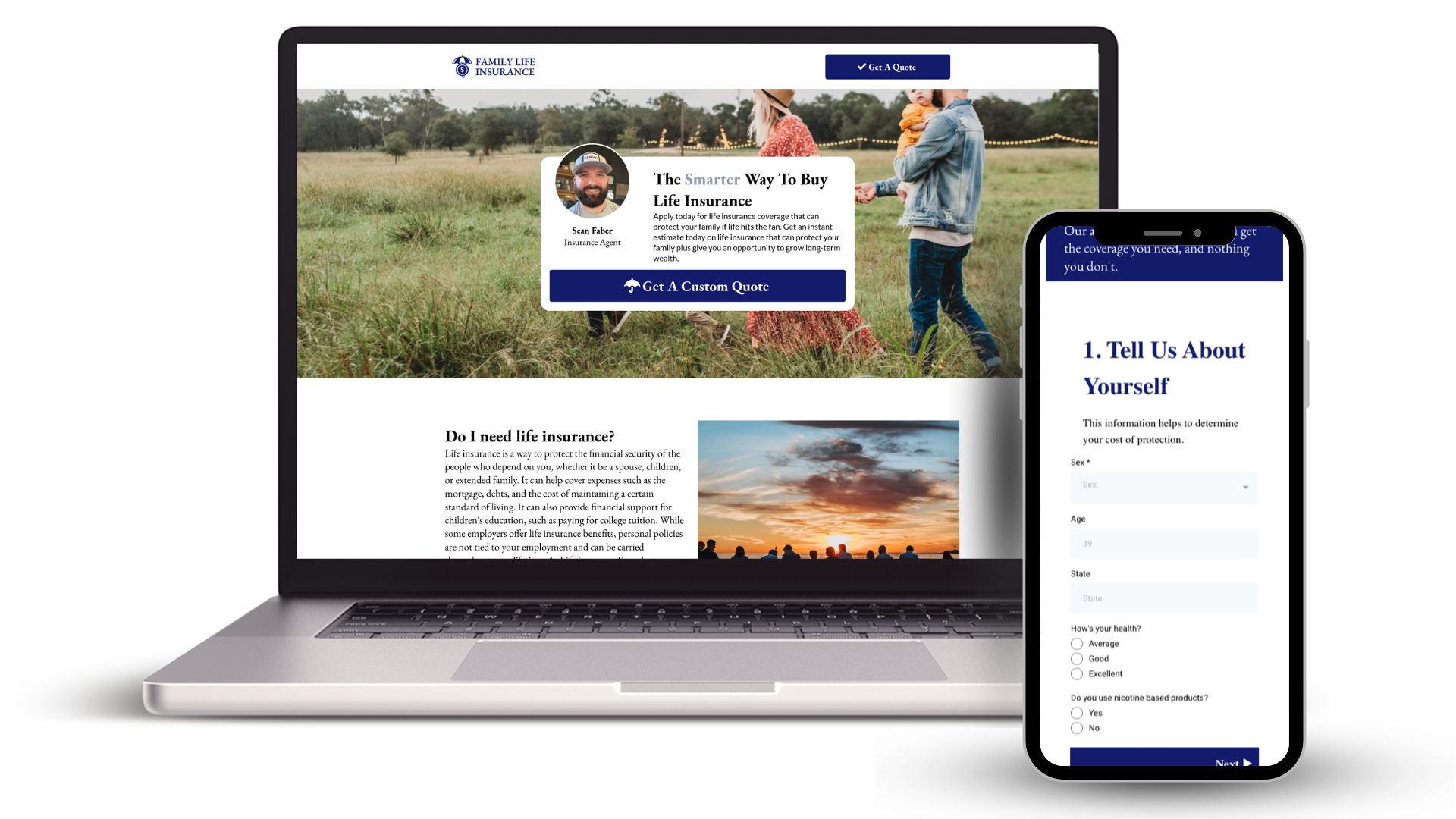
The biggest advancement in agent mobility is the transition to e-applications. Previously, an agent had to be present to witness the signing of the document. Today, services like DocuSign or carrier-specific portals allow for legally binding electronic signatures. Furthermore, medical underwriting has become mobile as well. Many carriers now utilize "paramedical" services that dispatch a mobile examiner to the client’s home or workplace, effectively decoupling the agent from the medical assessment process.
Comparison of Traditional vs. Modern Agent Operations
| Feature | Traditional Agent (Pre-2010s) | Modern Mobile Agent (2026) |
|---|---|---|
| Meeting Location | Client’s Home / Office | Virtual (Zoom, Teams, Phone) |
| Document Signing | Wet Signature (Ink on Paper) | Electronic Signature (eSignature) |
| Underwriting | Physical visit by agent | Remote/Tele-underwriting |
| License Scope | Strictly local / regional | Multi-state (via non-resident apps) |
| Data Storage | Filing cabinets (on-site) | Cloud-encrypted databases |
The Impact on Client Service and Support
The shift toward mobile, remote-capable agents has generally improved the client experience by removing the "high-pressure" environment of in-person sales. When an agent is mobile and working via digital channels, the client often has more time to review policy documents, compare riders, and discuss options without the immediate social pressure of an agent sitting at their kitchen table.
However, this transition also places more responsibility on the consumer. When meeting an agent virtually, the client must be diligent about verifying the agent’s identity and the authenticity of the company they represent. Because digital interaction lacks the physical "proof" of an office address, consumers should always ask for the agent’s National Producer Number (NPN) and cross-reference it with the relevant State Department of Insurance.
Potential Challenges for Mobile Agents
Despite the benefits, mobile operations are not without obstacles. Technical friction remains a primary challenge. If an agent is working remotely and encounters connectivity issues during a critical document upload or a sensitive underwriting interview, the delay can be significant. Furthermore, not all carriers have updated their systems to be fully "mobile-native." Some older insurance carriers still require legacy paper forms or manual processing, which can impede an agent’s ability to provide a fully digital, mobile experience.
Additionally, some high-net-worth clients or complex estate planning scenarios still prefer in-person meetings. In these cases, even the most tech-forward agent may be required to travel. Thus, "mobility" in 2026 is often hybrid—a balance of digital efficiency for routine transactions and physical presence for high-value consultations.
Frequently Asked Questions
Can a life insurance agent help me if I live in a different state?
Yes, but only if the agent is licensed in your state. You can request their non-resident license information or verify their status through your state’s Department of Insurance website. If they are not licensed in your state, they are legally prohibited from providing you with insurance advice or policy applications.
Is it safe to share sensitive financial info with a remote agent?
It is safe if the agent is using a secure, carrier-provided portal. Avoid sending social security numbers or medical data via standard, unencrypted email. A professional agent will guide you to an encrypted application link provided by the insurance carrier itself, ensuring the data goes directly into a protected system.
Do I still need a physical medical exam for life insurance?
Many modern life insurance policies now offer "accelerated underwriting," which allows for approval based on medical records and prescription database checks without a physical exam. However, for larger policies or those with specific health history, a mobile paramedical examiner will likely still be sent to your location, even if your agent is managing the process remotely.
What should I check before hiring a mobile agent?
Verify their license status via the NIPR database, check their professional affiliations (such as NAIFA or MDRT), and ensure they are contracted with reputable, A-rated insurance carriers. A transparent agent will provide their NPN and clear contact information immediately upon request.
Can I finish the entire application process from my smartphone?
In 2026, most major carriers offer mobile-responsive application platforms. You can typically complete your initial consultation, health questionnaire, and signature process using a smartphone or tablet. However, some complex documents may still be easier to review on a desktop browser.
Next Steps for Working with a Mobile Agent
If you are looking to secure life insurance coverage and prefer a mobile or remote engagement, start by identifying your coverage needs—term life, whole life, or universal—before reaching out.
When you connect with an agent, prioritize the following actions to ensure a professional and safe experience:
- Verify Credentials: Ask for the agent's NPN and state license confirmation.
- Confirm Carrier Appointments: Ensure the agent is “appointed” with the insurance companies they are recommending.
- Request Secure Channels: Insist on using the carrier’s secure document portal rather than exchanging sensitive information through personal email or text messaging.
- Schedule a Video Call: Even if the agent is remote, a video call helps build rapport and allows you to see the documents being shared in real-time, providing a superior experience to phone-only consultations.
By confirming these four elements, you can leverage the convenience of the modern mobile agent while maintaining the security and rigor required for significant financial decisions.