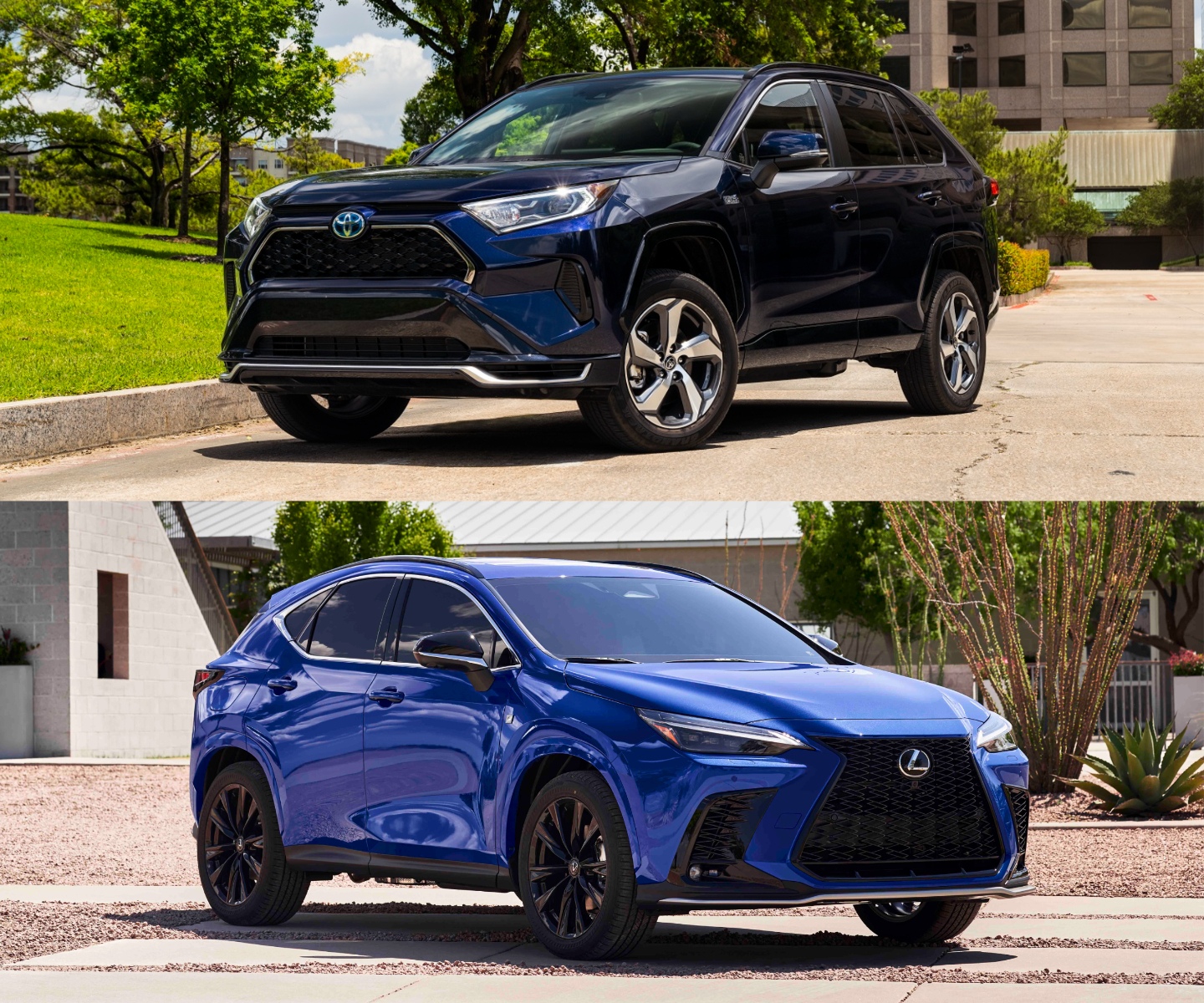
Yes, Lexus cars are manufactured by Toyota. Lexus serves as the luxury vehicle division of the Toyota Motor Corporation. While they operate as distinct entities with separate branding, design philosophies, and customer service experiences, Lexus vehicles are engineered, produced, and managed under the broader umbrella of the Toyota global manufacturing ecosystem, sharing core technologies, supply chains, and corporate leadership.
The relationship between Toyota and Lexus is foundational to the automotive industry’s understanding of platform sharing and luxury segmentation. To understand how this works, one must look past the badge on the hood and examine the shared DNA, manufacturing standards, and engineering architecture that underpin both lineups.
The Corporate Structure: Toyota Motor Corporation
At the apex of this relationship is the Toyota Motor Corporation (TMC). Toyota is not merely an automaker; it is a massive industrial conglomerate. Within this corporate structure, Lexus functions as a specialized division. When Toyota launched Lexus in 1989—primarily targeting the North American market—it did so with the specific intent of competing with established European luxury marques.
By positioning Lexus as a separate division, Toyota allowed its luxury arm to pursue higher standards of materials, sound deadening, and specialized engineering that would be incongruous in a mass-market Toyota vehicle. However, the corporate backbone remains unified. The executive leadership, the financial oversight, and the long-term research and development goals are set at the Toyota corporate level. When you purchase a Lexus, you are buying a product manufactured by an entity that is legally and operationally part of the Toyota Motor Corporation.
Shared Engineering and the TNGA Platform
The most tangible evidence of the link between the two brands is the utilization of shared platforms. In modern manufacturing, developing a vehicle platform—the structural chassis, suspension hardpoints, and drivetrain mounting points—is the most expensive part of automotive engineering.
Toyota utilizes the Toyota New Global Architecture (TNGA) for the vast majority of its current vehicle lineup. This is a modular, scalable platform system that allows engineers to share components across different vehicles to save costs and improve reliability. Lexus vehicles are built on these same modular architectures. For example, the TNGA-K platform is utilized by both the Toyota Camry and the Lexus ES.
While the underlying chassis may be shared, the resulting vehicles are distinct. Lexus engineers calibrate the suspension, use thicker sound-insulating materials, incorporate more complex electronic systems, and employ higher-grade leather and wood trim. The "Toyota DNA" provides the rock-solid reliability and structural integrity, while the "Lexus application" provides the luxury experience, comfort, and premium styling.
Manufacturing Standards and Quality Control
One of the primary reasons Lexus has consistently ranked at or near the top of reliability surveys is its adherence to the Toyota Production System (TPS). The TPS is world-renowned for its emphasis on lean manufacturing, continuous improvement (kaizen), and rigorous quality control.
Lexus manufacturing facilities are often the same plants, or adjacent facilities, that build high-end Toyota models. Workers in these factories are trained to the same exacting standards. For instance, in the Tahara plant in Japan, the manufacturing processes for luxury Lexus sedans are held to the same, if not more stringent, quality-control thresholds as Toyota’s flagship models.
Because Lexus benefits from the massive scale of Toyota’s supply chain, it can secure higher-quality raw materials at a lower cost than a standalone boutique luxury brand might. This synergy is why Lexus can offer a vehicle that is often considered more reliable than its European counterparts, which frequently struggle with the complexity of their bespoke luxury components.
Differentiating Lexus from Toyota
If the parts are the same, why does a Lexus cost more than a Toyota? The difference lies in the "Value-Add" process. When a vehicle moves from a standard Toyota blueprint to a Lexus product, several key differentiators are introduced:
- Materials and Craftsmanship: Lexus interiors use higher-quality polymers, real wood veneers, laser-cut aluminum, and premium hand-stitched leather. The tactile experience of every button, knob, and interior surface is evaluated by engineers for "premium feel."
- Sound Engineering: Lexus invests heavily in Active Noise Cancellation (ANC), acoustic glass, and specialized floor insulation that are not standard on Toyota models.
- Customer Experience: Part of the "Lexus" price tag is the brand experience. This includes higher levels of dealership service, concierge-style maintenance programs, and an emphasis on long-term owner retention that is distinct from the Toyota dealership experience.
- Engineering Tuning: Even when a Lexus and a Toyota share an engine block, the engine management software in the Lexus is often tuned for smoother power delivery or a different acoustic profile.
Comparative Overview: Brand Philosophies
| Feature | Toyota | Lexus |
|---|---|---|
| Market Position | Mass-market, reliability-focused | Luxury, performance-comfort focused |
| Primary Value | Practicality, value for money | Refinement, exclusivity, service |
| Platform | TNGA (shared) | TNGA (shared/optimized) |
| Target Audience | Families, daily commuters | Premium buyers, luxury enthusiasts |
| After-Sales | Standard dealer network | Luxury dealership experience |
Frequently Asked Questions
Are Lexus parts interchangeable with Toyota parts? Many mechanical parts, such as filters, sensors, and gaskets, are indeed interchangeable. However, interior components, body panels, and specific electronic modules are often unique to the Lexus model to ensure the luxury aesthetic and function are maintained.
Does buying a Lexus mean I’m just buying an overpriced Toyota? Not necessarily. While the platforms are shared, the "Lexus" experience encompasses the build quality, material selection, and post-purchase service. You are paying for the refinement and the intensive quality-control processes that exceed the specifications of a standard Toyota-badged vehicle.
Why are Lexus engines often the same as Toyota engines? Toyota engines are known for extreme longevity and reliability. By using these proven powerplants in Lexus vehicles, the company ensures that their luxury cars remain as reliable as their entry-level commuters, which is a major selling point in the luxury segment.
Where are Lexus cars made? Most Lexus vehicles are manufactured in Japan at plants like Tahara, Miyata, and Motomachi. However, some models, such as the RX or ES, have been produced in North American facilities (such as in Ontario, Canada, or Kentucky, USA) to satisfy local market demand, adhering to the same strict global Toyota standards.
Is Lexus better than Toyota? "Better" is subjective. Lexus is designed to provide a more comfortable, quiet, and luxurious driving experience than a Toyota. However, a Toyota is often better suited for budget-conscious buyers who prioritize utility and low-cost maintenance over luxury features and prestige.
The Future of the Toyota-Lexus Partnership
As of 2026, the automotive landscape is shifting toward electrification and autonomous driving. This transition reinforces the connection between Toyota and Lexus. Both brands share the same research into solid-state battery technology and hydrogen fuel cell development. Because Lexus acts as the "technology laboratory" for the broader organization, innovations that debut in high-end Lexus vehicles—such as advanced driver-assistance systems or new interior human-machine interfaces—eventually find their way into the mass-market Toyota lineup.
By maintaining this symbiotic relationship, the Toyota Motor Corporation ensures that its luxury division remains competitive against aggressive global rivals while keeping development costs stable. For the consumer, this remains one of the best value propositions in the luxury car market. You are essentially driving a vehicle engineered with the legendary reliability of a Toyota but refined to the high-performance and luxury standards expected of an elite brand.
When you visit a dealership, you are entering a space where the technical heritage of the world’s largest automaker meets the specialized design requirements of the luxury world. Understanding that Lexus is made by Toyota should not be seen as a negative, but rather as an assurance of durability, engineering excellence, and technological maturity.
Next Action: If you are considering a purchase, research the specific model’s platform sharing. Comparing a Toyota model (such as the RAV4) to its Lexus counterpart (the NX) will allow you to physically feel the differences in materials, cabin quietness, and suspension tuning, helping you decide if the premium "Lexus" experience is worth the price difference for your specific driving needs.