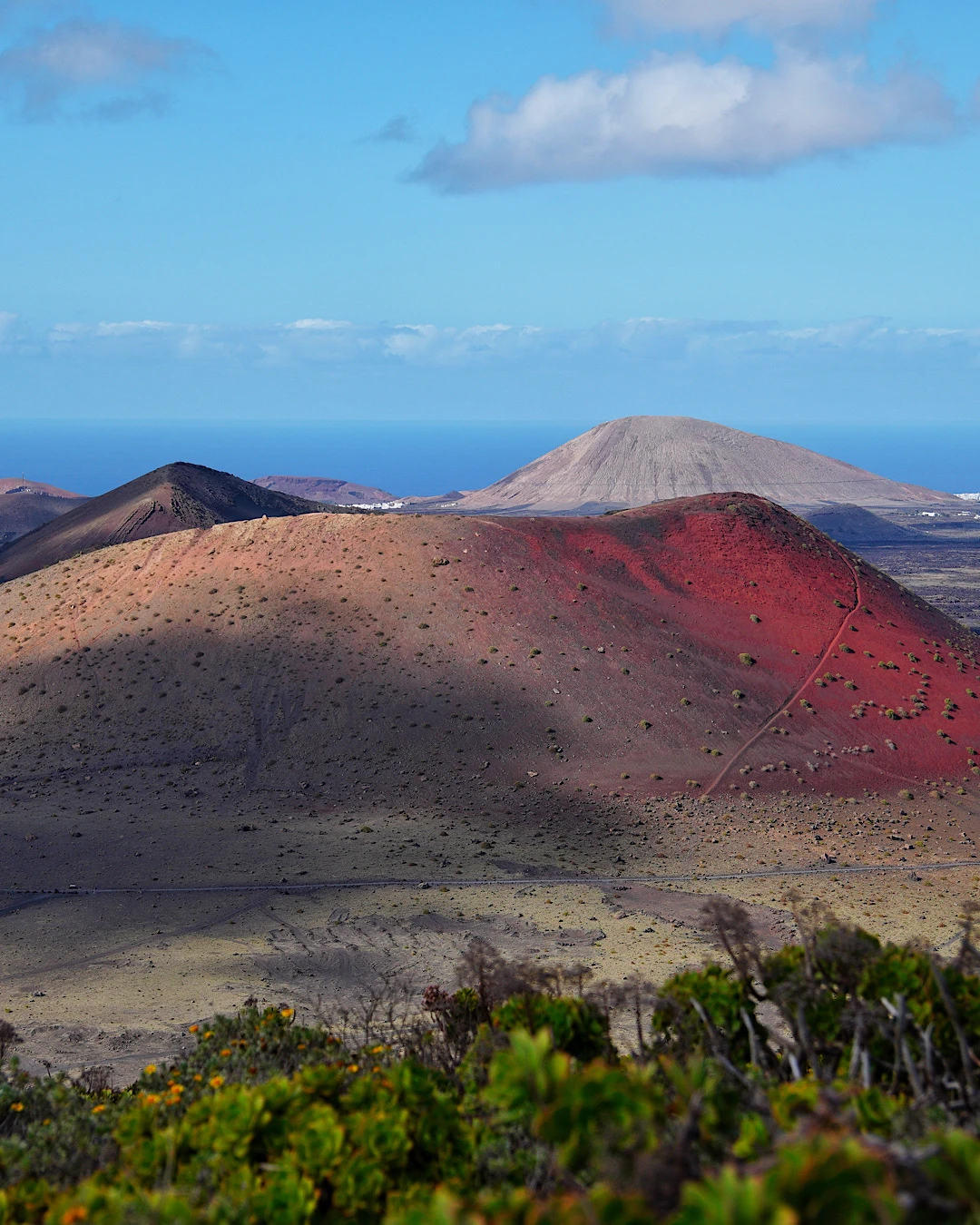
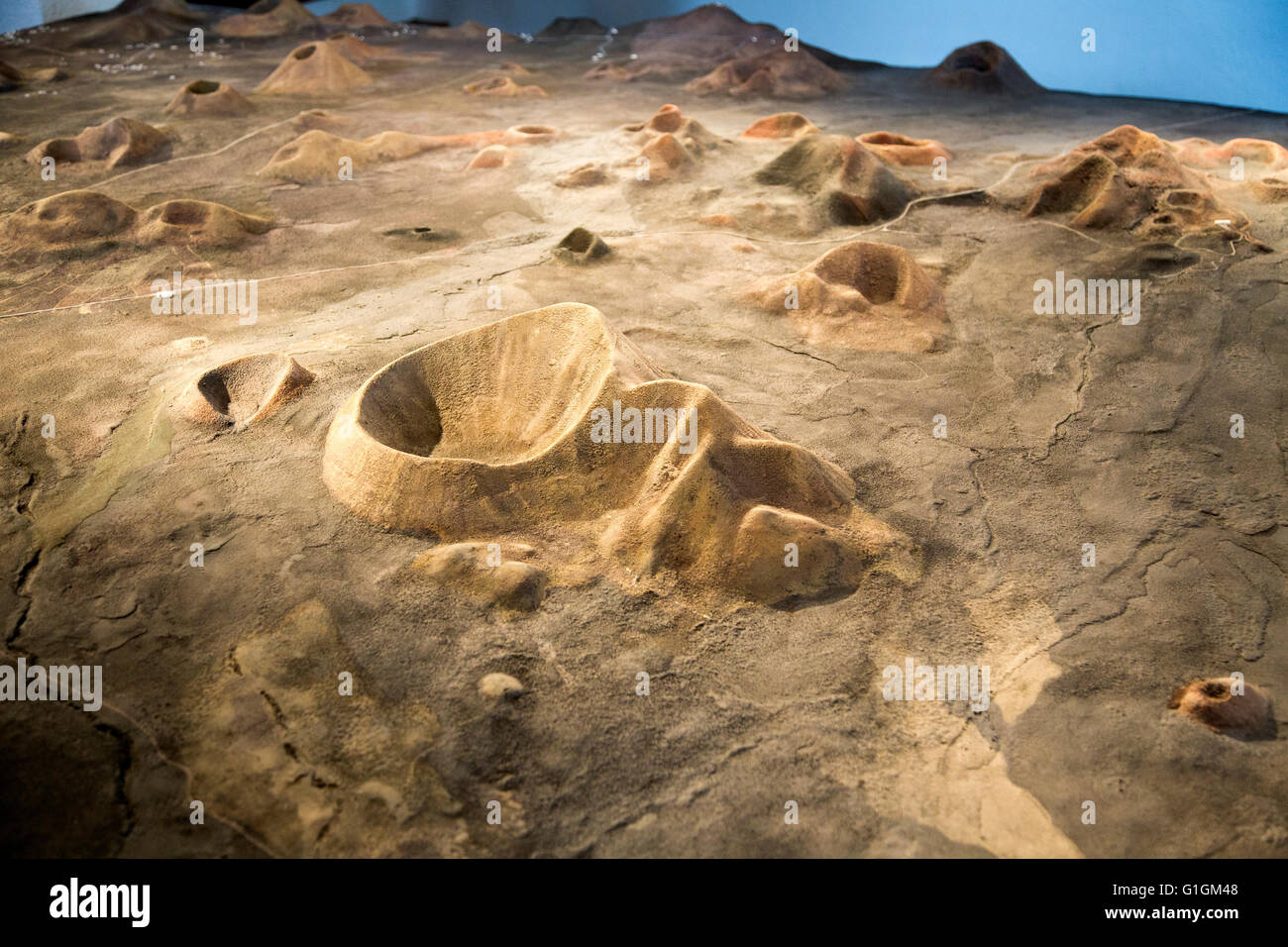
Lanzarote volcanoes pose an extremely low, manageable risk to visitors, primarily because the island’s current volcanic activity is dormant. While the landscape is defined by the massive 18th-century eruptions in Timanfaya National Park, there is no evidence of imminent eruptive activity in 2026. Safety protocols are managed by the Instituto Geográfico Nacional (IGN) to ensure continuous monitoring and public awareness.
Understanding the Volcanic Nature of Lanzarote
Lanzarote is a volcanic island located in the Canary archipelago, sitting atop the African tectonic plate. Its geography is the direct result of millions of years of volcanic activity, most notably the intense eruptions that occurred between 1730 and 1736. These events radically transformed the island, burying a significant portion of its most fertile land under lava and ash.
For the modern traveler, it is crucial to distinguish between the historical, dormant landscape that defines the island’s aesthetic and the actual geological threats of the present day. When visitors explore areas such as the Montañas del Fuego (Mountains of Fire), they are standing on terrain that has been geologically quiet for nearly three centuries. The "risk" often perceived by tourists is an psychological reaction to the barren, otherworldly moonscapes that characterize much of the island, rather than a reflection of active hazardous processes.
Geological Monitoring and Risk Mitigation
In 2026, the Canary Islands operate under a sophisticated surveillance network maintained by the Spanish National Geographic Institute (IGN) and supported by the Volcanological Institute of the Canary Islands (INVOLCAN). This monitoring infrastructure includes:
- Seismic Arrays: Networks of high-precision seismometers detect even the slightest tectonic shifts that might precede magma movement.
- Geochemical Analysis: Regular testing of groundwater, soil gases (such as radon and carbon dioxide), and thermal springs provides early indicators of subterranean pressure changes.
- Geodetic Measurements: Satellite-based radar (InSAR) and ground-based GNSS stations track microscopic deformation of the island's surface, which would indicate volcanic inflation.
Because the last major eruptions on Lanzarote were centuries ago, the island is currently considered geologically stable. However, the Spanish government maintains stringent safety protocols for the entirety of the Canary Islands, as other islands in the chain (such as La Palma) have demonstrated more recent, albeit infrequent, eruptive activity. Should any indicators of unrest appear—such as increased seismic swarms or significant ground deformation—authorities have established clear evacuation routes and communication channels to notify both residents and tourists immediately.
Visitor Safety in Protected Areas
The vast majority of volcanic tourism in Lanzarote occurs within the Parque Nacional de Timanfaya. Access to this area is strictly regulated to protect both the fragile environment and the safety of the public.
When visiting these sites, you are typically required to remain on designated paths or within the confines of authorized tour buses. These restrictions are not solely because of volcanic hazards; they are in place to preserve the unique volcanic soil, which is easily damaged by foot traffic, and to prevent injuries from the rough, jagged ‘a‘ā lava flows that can be hazardous to traverse.
Safety Guidelines for Lanzarote Tourists
To maximize safety while exploring the volcanic landscapes of Lanzarote, adhere to the following recommendations:
- Stay on Marked Trails: Venturing off-trail in volcanic areas can lead to falls on sharp basaltic rock or injury in unstable craters.
- Follow Official Warnings: Always check the latest updates from the official Lanzarote tourism board or the IGN if there are reports of unusual seismic activity in the region.
- Respect Restricted Zones: If a trail or area is marked as closed, it is often due to environmental preservation or potential structural instability of the ground.
- Listen to Tour Guides: Official park guides are trained to handle emergency scenarios and understand the micro-risks of the terrain.
Comparative Risk Assessment: Lanzarote vs. Other Geologically Active Regions
When evaluating the risk profile of Lanzarote, it is helpful to look at how it compares to other regions that experience more frequent volcanic activity. The table below provides a simplified comparison of geological activity status to provide context for your trip planning.
| Region | Primary Volcanic Activity | Risk Level for Visitors | Monitoring Frequency |
|---|---|---|---|
| Lanzarote | Dormant (Historic) | Negligible | Constant/High |
| La Palma | Active (Recent) | Low (Monitored) | Constant/High |
| Iceland | Active (Frequent) | Moderate (Local) | Constant/High |
| Sicily (Etna) | Active (Continuous) | Moderate (Local) | Constant/High |
The risk level for Lanzarote is categorized as "Negligible" because there have been no confirmed eruptive events on the island since the 19th century, whereas areas like Mount Etna have near-constant activity. The sophisticated, multi-layered monitoring provided by the Spanish state ensures that any shift from "dormant" to "active" would be identified months or years in advance, rendering the risk to visitors effectively non-existent under normal operational conditions.
FAQ: Volcanic Safety and Lanzarote Tourism
Is it safe to stay near volcanic parks?
Yes. The areas surrounding the volcanic parks in Lanzarote are home to permanent settlements and tourism infrastructure. Because the activity is closely monitored by regional geologists, there is no increased risk to hotels or residential areas located in the vicinity of protected volcanic zones.
Could a volcano erupt without warning while I am there?
The likelihood of a sudden, unpredictable eruption on Lanzarote is effectively zero. Modern volcanology tracks pre-eruptive signs such as harmonic tremors, gas emissions, and ground swelling. These signals typically appear weeks or months before any eruption occurs, providing ample time for the implementation of safety measures.
What should I do if there is an earthquake during my trip?
Small tremors can occur on any tectonic plate, regardless of volcanic activity. In the event of a tremor, move away from heavy furniture or glass that could fall, find an open space outdoors, and follow the guidance of local emergency services via radio or digital alerts.
Are there toxic gases in the tourist areas?
In some areas of Timanfaya, you may notice a sulfurous odor near geothermal vents. These vents are small, localized, and safely managed. Visitors are kept at a safe distance where gas concentrations are well below any level that would affect human health.
Do I need special insurance for traveling to a volcanic island?
Standard travel insurance generally covers most emergencies. While volcanic activity is often classified as a natural disaster, policies vary. It is recommended to verify that your travel insurance policy covers "natural disasters" or "geological events" if you have specific concerns, though the historical stability of Lanzarote makes this an unlikely necessity.
Conclusion and Recommendations
Lanzarote remains one of the safest destinations in the world for travelers interested in geological wonders. The fear of "volcanic risk" is largely a product of the island's raw, powerful, and dramatic scenery, which can appear foreboding to those unfamiliar with the science of volcanism. In reality, the island is heavily scrutinized by scientific bodies, and the current dormant phase is a matter of geological record.
For your upcoming visit in 2026, the primary "risk" you face is from the sun and the rugged terrain—not from the volcanoes themselves. Focus your preparation on adequate sun protection, sturdy footwear for hiking the volcanic trails, and staying hydrated. By respecting the designated park boundaries and keeping up to date with official alerts, you can enjoy the unique, Martian-like beauty of Lanzarote with complete peace of mind.