In most cases, life insurance death benefit proceeds are not considered taxable income and are not subject to federal income tax for the beneficiary. When a policyholder passes away, the lump-sum payment received by the named beneficiary is generally exempt from income tax under the Internal Revenue Code, provided specific conditions—such as the "transfer-for-value" rule—are not violated.
Understanding the General Tax Exemption
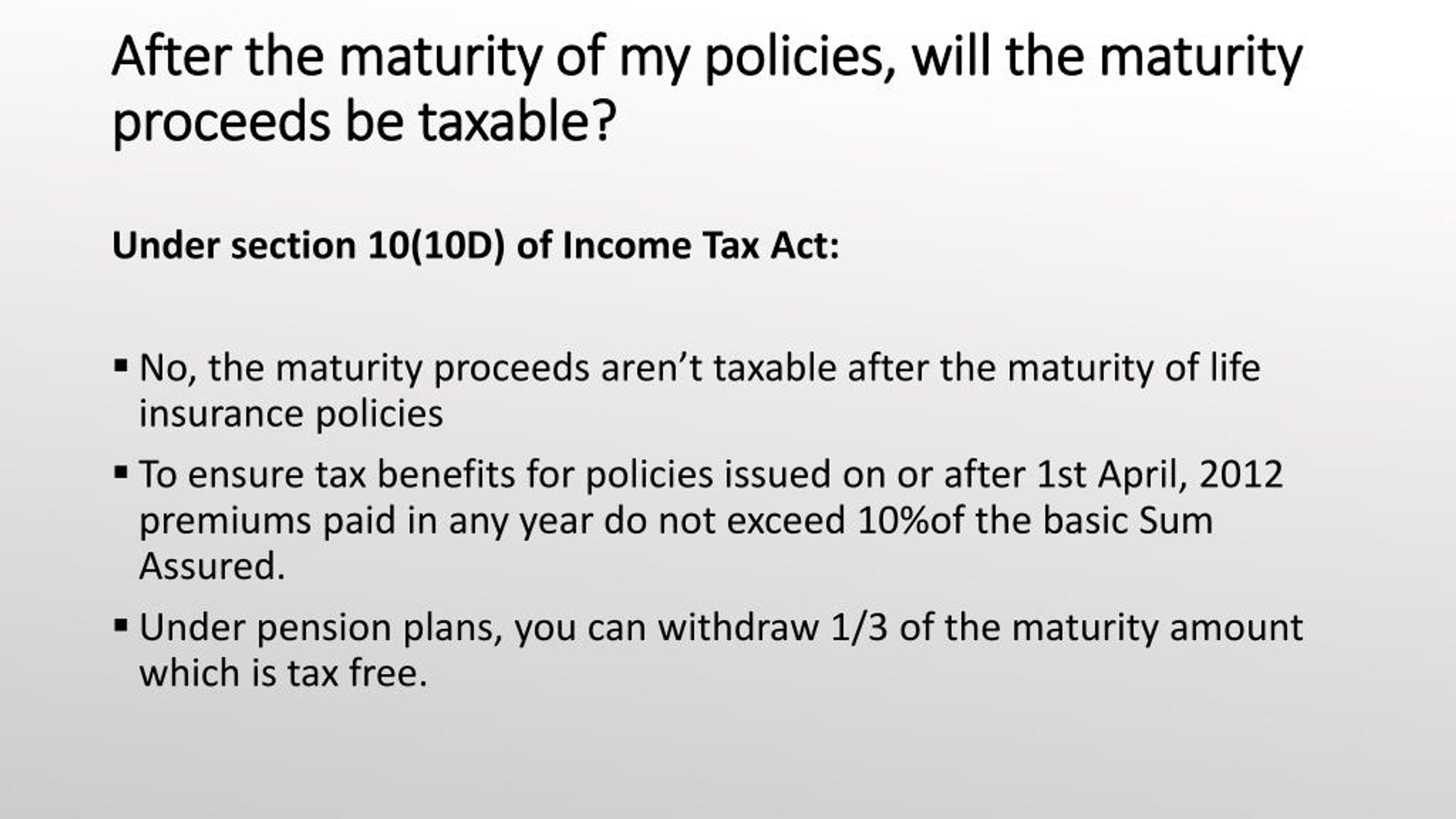
For the vast majority of policyholders and beneficiaries in the United States, the death benefit payout is a tax-free event. This structure exists primarily to ensure that survivors are not burdened by an unexpected tax bill during a period of financial transition or hardship. Under Section 101(a)(1) of the Internal Revenue Code, gross income does not include amounts received under a life insurance contract, if such amounts are paid by reason of the death of the insured.
This exemption applies whether the death benefit is paid as a single lump sum or through an installment method. However, it is essential to distinguish between the principal amount (the face value of the policy) and any interest earned on that amount. While the death benefit itself remains tax-free, any interest that accrues between the date of death and the date of payment is typically considered taxable income to the beneficiary.
The Transfer-for-Value Rule: A Critical Exception
The most significant risk to the tax-free status of a life insurance death benefit is the "transfer-for-value" rule. This rule dictates that if a life insurance policy is transferred to another party for "valuable consideration" (such as cash, property, or another service), the income tax exclusion may be partially or fully lost.
If a policy is sold or transferred for value, the beneficiary may be required to pay income tax on the portion of the death benefit that exceeds the consideration paid plus any premiums the new owner subsequently paid. For example, if an investor purchases an existing life insurance policy from an individual, they generally forfeit the tax-free status of the death benefit.
There are specific statutory exceptions to this rule. If a policy is transferred to the insured, a partner of the insured, a partnership in which the insured is a partner, or a corporation in which the insured is a shareholder or officer, the transfer-for-value rule usually does not apply. If you have purchased a life insurance policy from another person or entity, it is vital to consult with a tax professional to ensure you understand how the transfer affects your tax obligations.
Installment Payments and Interest Income
While receiving a death benefit is generally a tax-exempt event, the way the payout is structured can influence the tax outcome. Many insurers offer beneficiaries the option to receive the proceeds in installments over several years rather than as a single lump sum.
If the insurance company holds the death benefit proceeds and pays them out over time with interest, the principal portion remains income-tax-free. However, the interest component—often referred to as "settlement option interest"—is fully taxable to the beneficiary in the year it is received. Beneficiaries will typically receive a Form 1099-INT from the insurance company reporting this interest income. It is important to keep accurate records of the death benefit amount versus the total payout to correctly identify the taxable interest component when filing tax returns.
Estate Tax Considerations
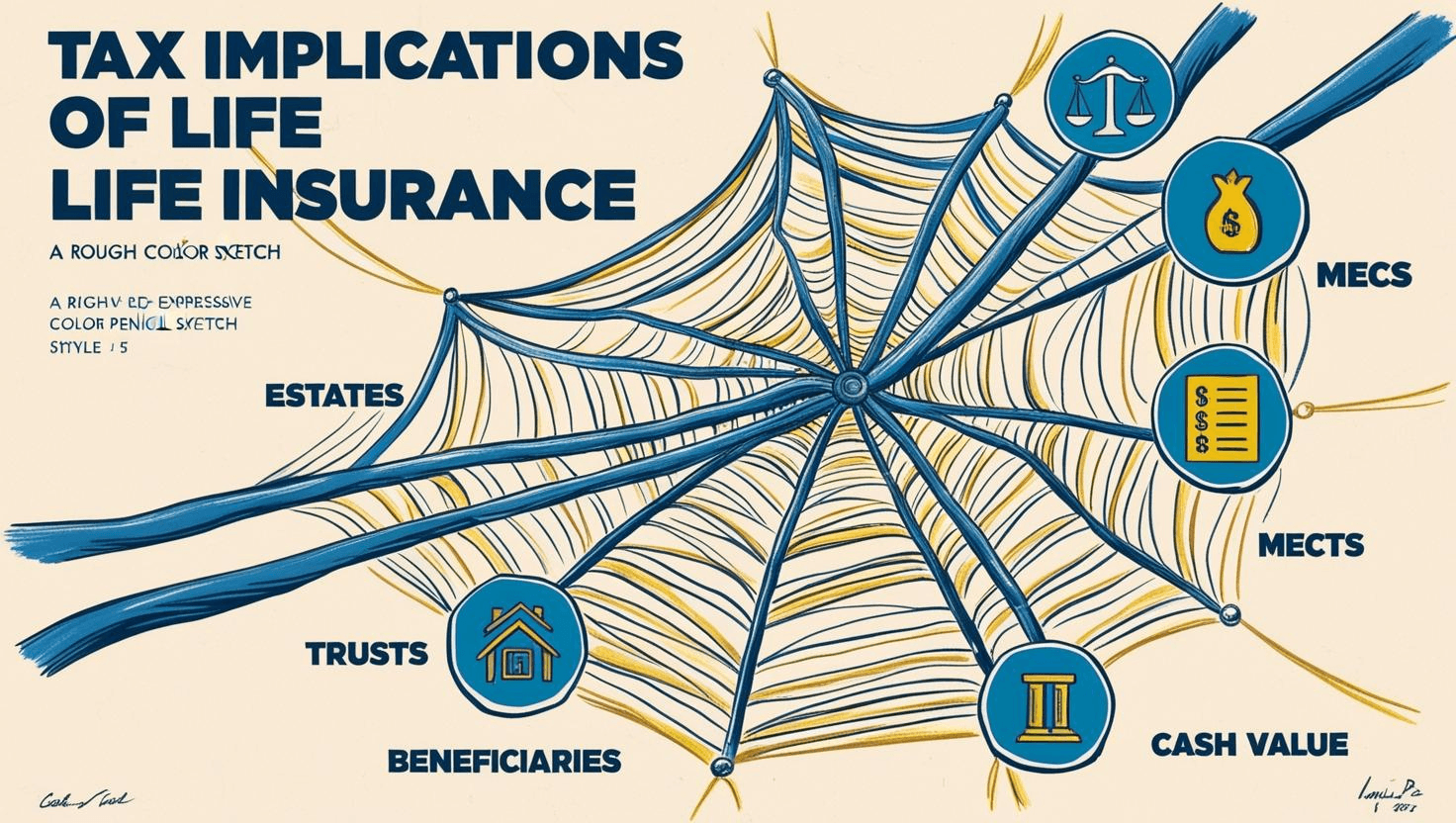
While death benefits are generally free from income tax, they are not always exempt from federal estate tax. A common misconception is that if the proceeds are not income-taxable, they are completely free from all forms of taxation. This is not necessarily true regarding the deceased’s gross estate.
If the deceased owned the policy, or if they possessed "incidents of ownership" at the time of their death—such as the right to change the beneficiary, borrow against the policy, or cancel the coverage—the value of the death benefit is included in the value of their gross estate. If the total value of the estate exceeds the federal estate tax exemption limit, the death benefit could theoretically contribute to the estate's overall tax liability.
To prevent this, high-net-worth individuals often utilize an Irrevocable Life Insurance Trust (ILIT). By placing the policy inside an appropriately structured trust, the policyholder can remove the death benefit from their taxable estate, provided certain legal and timing requirements are met.
Comparing Tax Liabilities by Benefit Type
| Payment Scenario | Income Tax Status | Taxable Component |
|---|---|---|
| Lump sum paid to beneficiary | Generally Tax-Free | None |
| Installment payments (Principal) | Tax-Free | None |
| Installment payments (Interest) | Taxable | The interest portion only |
| Policy sold for value (Non-exempt) | Partially Taxable | Gain over cost basis |
| Death benefit in taxable estate | Estate Tax Eligible | Depends on total estate value |
Common Mistakes and How to Avoid Them
The most common error beneficiaries make is failing to report interest income on installment payouts. Because the principal is tax-exempt, there is a tendency to assume the entire check from the insurer is non-taxable. However, if the insurer provides a 1099 form, the IRS expects that amount to be reported. Failing to do so can trigger an automated audit or adjustment.
Another common mistake involves the mischaracterization of policy loans. If the insured took out a loan against the cash value of the policy and did not repay it before death, the death benefit is reduced by the outstanding loan amount. In some cases, if the policy lapses or is surrendered while the loan balance exceeds the cost basis, the policyholder may face taxable gain. Always review the final statement provided by the insurer to understand how debts were settled against the policy proceeds.
When to Seek Professional Advice
Tax law regarding insurance proceeds can become complex, especially when dealing with high-value policies, business-owned insurance, or intricate trust structures. You should consider consulting with a qualified tax accountant, financial planner, or estate attorney if:
- You acquired the policy through a purchase or transfer rather than as an original beneficiary.
- The death benefit is large enough that it could potentially push an estate over the federal exemption threshold.
- The policy is owned by a business, a partnership, or a corporation.
- You are involved in a dispute over the proceeds that results in court-ordered settlements or legal fees.
Frequently Asked Questions
Are employer-provided life insurance death benefits taxable? Generally, no. Even if your employer pays for the premiums of a group life insurance policy as a benefit of your employment, the death benefit proceeds paid to your beneficiary remain income-tax-free under the same rules that apply to individually purchased policies.
Does the IRS know when I receive a death benefit? Yes. Life insurance companies are required to file informational reports with the IRS when they pay out death benefits. While the proceeds are generally exempt, the insurance carrier maintains a record of the transaction, and it is documented within the financial system.
What happens if I receive a death benefit as a business owner? If a business is the beneficiary of a Key Person insurance policy, the rules change significantly. While the death benefit may be tax-exempt for the business, it may be subject to the Corporate Alternative Minimum Tax (CAMT) depending on the financial accounting standards used by the company. Business-owned insurance taxation is significantly more complex and requires professional guidance.
Is the death benefit taxed if I am the spouse of the deceased? No. Whether you are a spouse, child, or any other named individual beneficiary, the income tax treatment of the death benefit is the same. The relationship to the deceased does not change the basic tax-exempt status of the proceeds.
Can state-level taxes apply to death benefits? While federal income tax generally does not apply, you must remain aware of state-level laws. Some states have their own inheritance or estate taxes that may differ from federal guidelines. Always check with a local tax professional to confirm if your specific state imposes taxes on inherited life insurance proceeds.
Next Actions for Beneficiaries
If you are a beneficiary currently awaiting a death benefit, your immediate step is to work directly with the insurance company's claims department. Provide the required documentation, such as the certified death certificate and the policy number, to facilitate the payout. Once the claim is processed, review the settlement documents provided by the insurer. If the payout includes interest, ensure this is set aside for reporting on your annual tax return. If you suspect the policy was subject to a transfer-for-value or is held within a complex trust, reach out to a tax advisor before depositing or distributing the funds to ensure compliance with all applicable regulations.