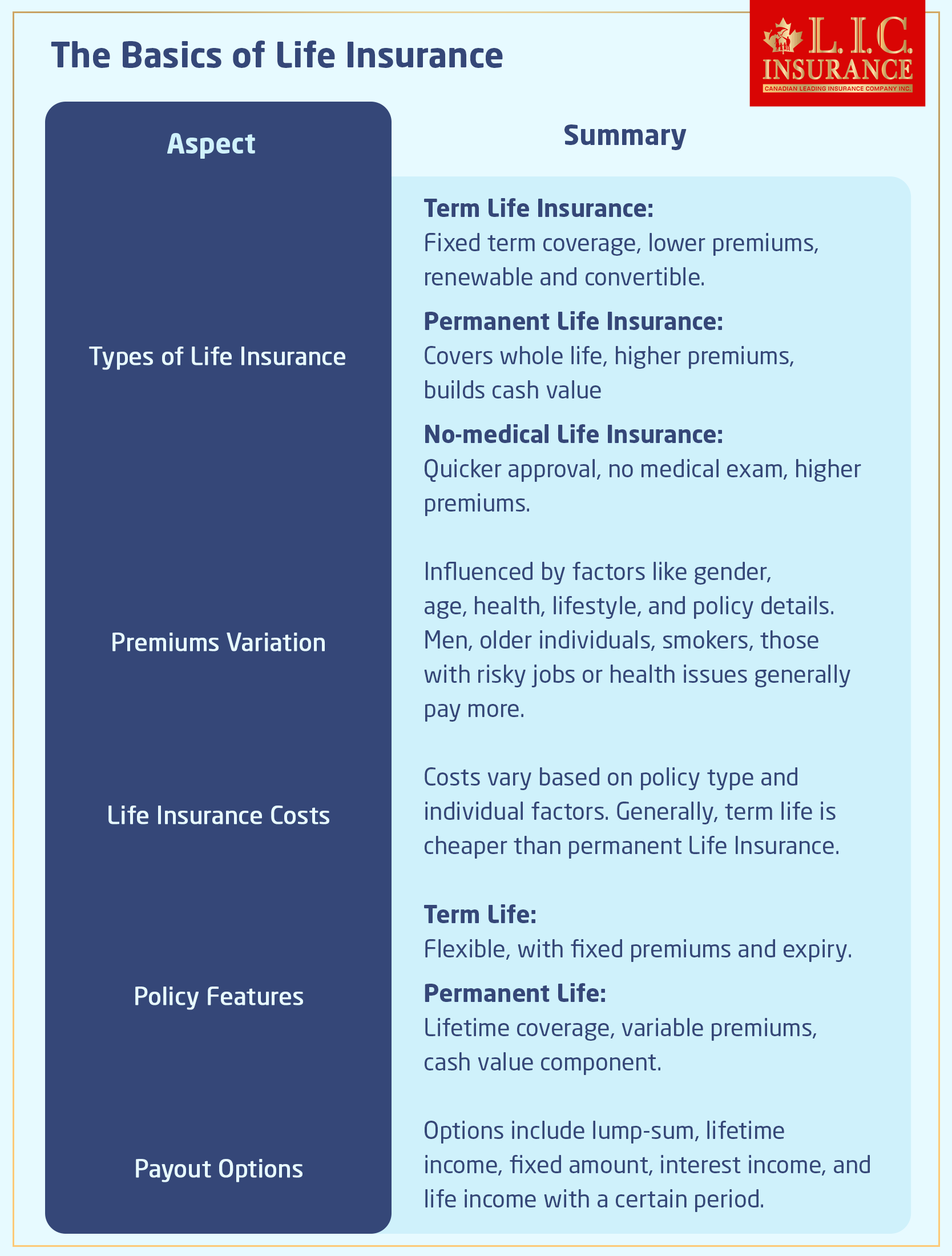
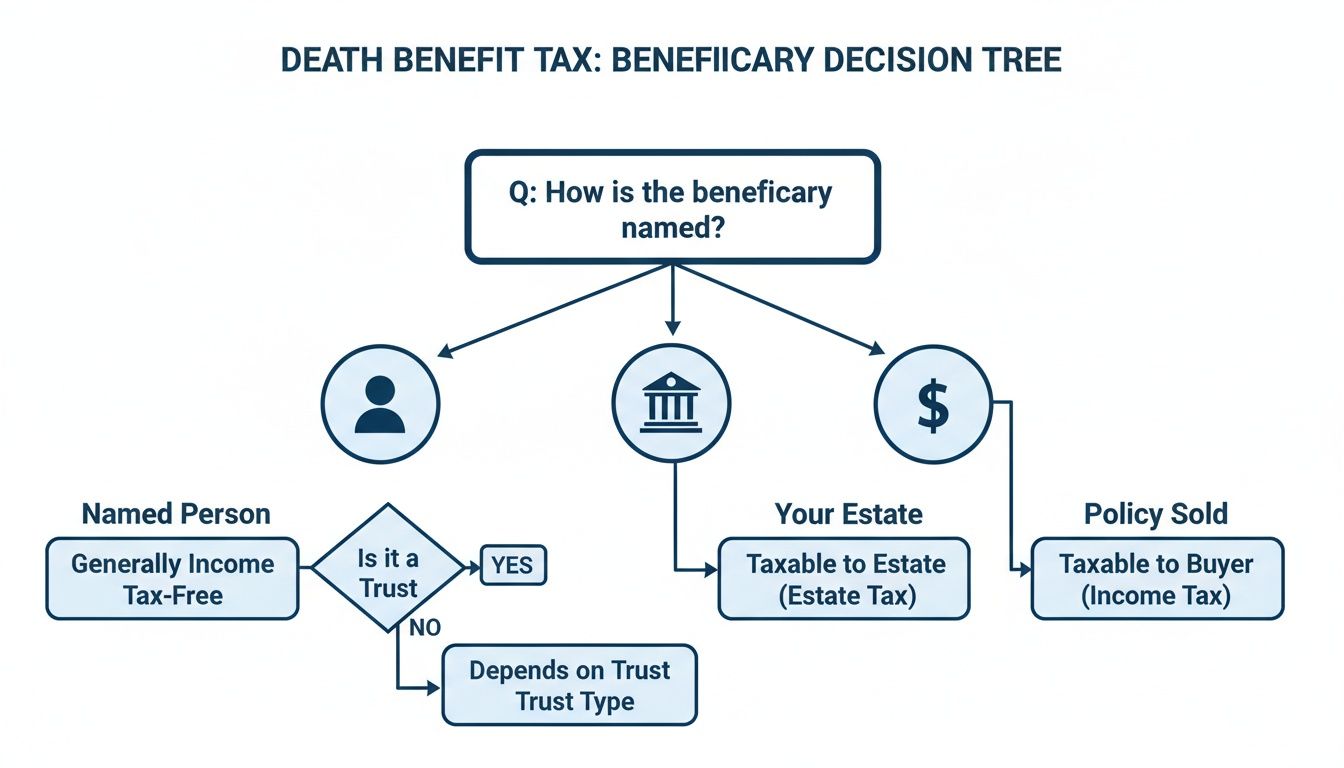
In most cases, dividends received from a life insurance policy are not considered taxable income by the Internal Revenue Service (IRS). Because these dividends are technically viewed as a return of a portion of the premiums you have already paid, they are generally treated as a tax-free reduction in the cost of your insurance rather than as taxable earnings.
The concept of dividends in the context of life insurance can be confusing for policyholders. When you purchase a "participating" life insurance policy—often a whole life insurance contract—you are essentially entering into an agreement with a mutual insurance company. If the company performs better than expected regarding mortality rates, investment returns, or administrative expenses, they may return a portion of that surplus to policyholders in the form of dividends.
To understand why these payments are generally tax-exempt, one must look at the legal and tax framework governing life insurance. The IRS classifies these disbursements differently than the dividends you might receive from stocks or mutual funds, which represent a share of corporate profits. Understanding these distinctions is critical for effective financial planning, especially as you navigate the cash value components of your insurance portfolio.
The Mechanism of Life Insurance Dividends
To determine the taxability of a dividend, it is essential to first understand what it is and where it comes from. Unlike dividends from a publicly traded stock, which are distributions of corporate earnings to shareholders, life insurance dividends are a feature of mutual insurance companies.
When you buy a participating policy, you pay a "gross premium." This premium includes a margin of safety for the insurer to ensure they can cover potential claims, operational costs, and investment fluctuations. If the insurance company finds that its actual costs are lower than the estimates used to set the gross premium, the company has an excess of funds. Rather than keeping these funds as profit, the mutual company returns the excess to the participating policyholders.
Because you paid these premiums with after-tax dollars, the IRS views the dividend as a return of your own capital. You are essentially getting a partial refund of a previous expense. Consequently, the government does not view this return of capital as "income" or "gain," meaning there is no income tax liability associated with the receipt of the dividend.
When Life Insurance Dividends Become Taxable
While the general rule is that life insurance dividends are tax-free, there are specific, critical scenarios where this changes. The most important rule to remember is the "cost basis" principle.
Your cost basis in a life insurance policy is the sum of all premiums you have paid minus any dividends or withdrawals you have previously received. As long as the total dividends you receive over the life of the policy do not exceed your total premiums paid, the dividends remain tax-free.
However, if the cumulative dividends you receive exceed the total amount of premiums paid into the policy, the excess amount is considered taxable income. This is rare in the early or middle stages of a policy, but it can occur in very long-standing policies where the policyholder has received dividends for many decades. If your dividends eventually exceed your cost basis, the insurance company will typically issue a Form 1099-DIV for the excess amount, which you must report as income on your annual tax return.
Strategic Options for Dividend Usage
How you choose to utilize your dividends can also impact your overall tax picture and your policy’s performance. Most insurance carriers offer several options for handling dividend disbursements:
- Cash Payments: You receive the dividend as a check or direct deposit. As noted, this is usually tax-free as long as it does not exceed your cost basis.
- Premium Reduction: The dividend is applied directly to your next premium payment. This reduces your out-of-pocket costs. From a tax perspective, this is treated similarly to a cash payment—it is a return of your own funds and is not taxable.
- Dividend Accumulations: The dividends are left with the insurance company to earn interest. While the dividends themselves are not taxable when credited, the interest earned on those accumulated dividends is taxable in the year it is credited to you. The insurer will typically send a Form 1099-INT for the interest portion.
- Paid-Up Additions (PUA): This is a popular option where dividends are used to purchase additional, small chunks of "paid-up" whole life insurance. This increases your death benefit and your policy’s total cash value. Because you are using the dividend to purchase more insurance, there is no taxable event at the time of purchase.
Comparison of Financial Impact
The way you manage your dividends affects your policy's growth trajectory and tax implications. The following table provides a breakdown of how different dividend treatments are viewed by the IRS.
| Dividend Option | Tax Status of Dividend | Tax Status of Accrued Interest |
|---|---|---|
| Cash Payment | Tax-Free (if < basis) | N/A |
| Premium Reduction | Tax-Free (if < basis) | N/A |
| Paid-Up Additions | Tax-Free | N/A |
| Left to Accumulate | Tax-Free | Taxable as Interest |
Note: For all options, if the total dividends received exceed your cost basis, the excess is subject to ordinary income tax.
The Role of MECs (Modified Endowment Contracts)
A significant danger in overfunding a life insurance policy—often done to maximize cash value—is accidentally creating a Modified Endowment Contract (MEC). If a policy fails the "seven-pay test" set by the IRS, it loses some of the favorable tax treatment associated with life insurance.
If your policy is classified as an MEC, withdrawals and loans are treated much more strictly. Under MEC rules, any distributions, including dividends or cash value withdrawals, are treated as "earnings first." This means you would be taxed on the growth portion of the distribution at your ordinary income tax rate. If you are under the age of 59 ½, you may also be subject to a 10% penalty. It is vital to consult with a financial advisor to ensure your policy structure does not inadvertently trigger MEC status.
Impact of Policy Loans and Surrenders
Many policyholders use their life insurance as a financial tool by taking out loans against the cash value. It is important to distinguish between dividends and loans. A loan is not a dividend; it is a debt collateralized by your policy. Loans are generally tax-free.
However, if you surrender your policy—that is, cancel it entirely—any cash value you receive that exceeds your cost basis will be taxed as ordinary income. Dividends that were used to purchase Paid-Up Additions will be included in the total cash value calculation upon surrender. Understanding your cumulative "cost basis" is essential if you are considering closing your policy or making significant withdrawals.
Frequently Asked Questions
Are life insurance dividends guaranteed? No. Life insurance dividends are never guaranteed. They are paid out at the discretion of the insurance company’s board of directors and are based on the company’s actual financial performance. If the company does not have a surplus, dividends will not be declared for that year.
Do I need to report non-taxable dividends on my tax return? Generally, if a dividend is a non-taxable return of premium, you do not need to report it on your tax return. However, if you receive a Form 1099-DIV from your insurance carrier, you should consult with a tax professional to ensure the reporting is handled correctly, especially if the amount exceeds your total premiums paid.
What is the "Seven-Pay Test"? The Seven-Pay Test is an IRS rule used to determine if a life insurance policy is "overfunded." If you pay more into a policy during the first seven years than the limit allowed by the IRS, the policy becomes an MEC. This changes the tax treatment of any distributions or dividends, making them taxable as income.
If I use my dividends to pay my premiums, can I still deduct the premiums? No. Life insurance premiums are generally personal expenses and are not tax-deductible for individuals, regardless of whether you pay them with cash or with dividends.
Does this change if I have a term life insurance policy? Term life insurance policies generally do not pay dividends. Dividends are almost exclusively a feature of whole life or universal life policies issued by mutual companies. If you have a term policy, you will typically not encounter this tax issue.
Next Steps and Professional Guidance
While the general rule remains that life insurance dividends are a tax-free return of your premiums, the complexity of tax law—especially regarding the "cost basis" and the potential for an MEC classification—means that one size does not fit all.
Before making significant changes to how you handle your policy dividends or if you are considering withdrawing cash from your policy, you should take the following actions:
- Request an In-Force Illustration: Contact your insurance carrier to obtain an updated document showing your current cost basis, total premiums paid, and total dividends received.
- Verify Your Policy Type: Confirm whether your policy is a standard participating whole life policy or if it has any characteristics that might trigger MEC status.
- Consult a Tax Professional: If you are nearing the point where cumulative dividends might exceed your premiums, or if you are planning to surrender your policy, speak with a CPA or tax advisor. They can help you calculate your exact cost basis to avoid unexpected tax bills.
The tax-advantaged nature of life insurance is a primary reason many people use these products for long-term financial planning. By managing your dividends and policy structure with an understanding of these tax rules, you can help preserve the efficiency of your financial safety net.