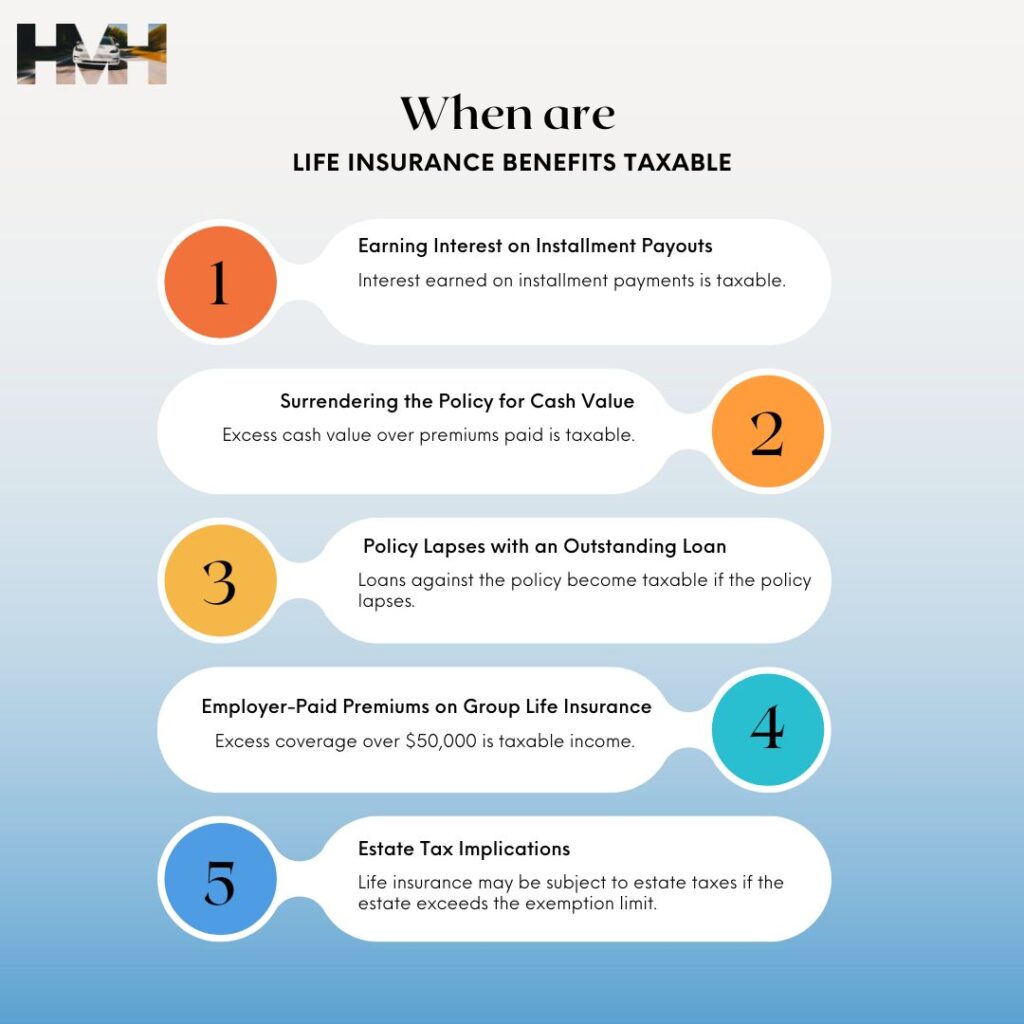
Generally, life insurance death benefits are not subject to income tax in Oklahoma, nor are they subject to state-level estate or inheritance taxes. When a beneficiary receives a payout following the death of an insured individual, the full amount is typically treated as a tax-free transfer of assets. While Oklahoma aligns with most federal tax principles regarding these proceeds, specific financial structures, such as interest-bearing accounts or policy transfers, may trigger unique reporting requirements that beneficiaries should understand to maintain their tax-exempt status.
The Foundation of Tax-Free Death Benefits
Under both the Internal Revenue Code (IRC) and Oklahoma tax statutes, the proceeds of a life insurance policy paid by reason of the death of the insured are generally excluded from gross income. This principle exists to provide financial security to beneficiaries during a period of loss, ensuring that the death benefit remains intact rather than being diminished by immediate tax liabilities.
In Oklahoma, the tax treatment of these proceeds is straightforward because the state does not impose a state-level inheritance tax. Furthermore, since 2010, Oklahoma has not had an estate tax, as it was repealed by the state legislature. Consequently, beneficiaries who receive life insurance proceeds do not need to report these funds as taxable income on their Oklahoma state income tax returns. This holds true for the vast majority of standard term, whole life, and universal life insurance policies.
When Life Insurance May Become Taxable
While the death benefit itself is typically tax-exempt, specific scenarios can shift the taxability of the funds. Understanding these nuances is essential for effective financial planning and for avoiding unexpected tax consequences during the settlement of an estate.
Interest on Insurance Proceeds
If a beneficiary opts to leave the death benefit with the insurance company and collect interest on that balance rather than taking the full payout at once, the interest generated is considered taxable income. While the original death benefit remains tax-free, the growth—the interest paid by the insurer—must be reported as income for both federal and state tax purposes in the year it is earned.
Policies Subject to "Transfer for Value"
A less common but critical exception involves the "transfer for value" rule. If a life insurance policy is sold to another party for valuable consideration (such as cash or other property) during the insured’s lifetime, the tax-free status of the death benefit may be forfeited. In such cases, the new owner may be liable for income tax on the amount of the death benefit that exceeds the purchase price of the policy plus any premiums subsequently paid. This rule is designed to prevent investors from using life insurance as a tax-advantaged investment vehicle.
Ownership and the Federal Estate Tax
While Oklahoma does not impose a state estate tax, federal estate tax laws still apply to residents of Oklahoma. If the deceased individual owned the life insurance policy, or possessed "incidents of ownership" (such as the right to change the beneficiary or borrow against the policy) at the time of their death, the value of the death benefit may be included in the calculation of their gross estate for federal estate tax purposes.
If the total value of the estate—including the life insurance—exceeds the federal lifetime exemption threshold, the estate may face federal taxes. It is vital to consult with a financial advisor or tax professional to determine if a policy should be held in an Irrevocable Life Insurance Trust (ILIT) or owned by another individual to remove the proceeds from the taxable estate.
Comparing State and Federal Tax Considerations
Oklahoma’s tax code is largely piggybacked on federal tax laws. This means that if an amount is exempt from federal income tax, it is generally exempt from Oklahoma state income tax. However, the absence of state-level death taxes provides a simpler landscape for beneficiaries.
| Feature | Federal Tax Treatment | Oklahoma Tax Treatment |
|---|---|---|
| Death Benefit Payout | Generally Tax-Free | Generally Tax-Free |
| Inheritance Tax | N/A (Federal Estate Tax only) | No Inheritance Tax |
| Estate Tax | Taxable if above exemption | No State Estate Tax |
| Interest on Proceeds | Taxable as Ordinary Income | Taxable as Ordinary Income |
| Transfer for Value | Taxable (with exceptions) | Generally Taxable |
Steps to Take When Receiving Proceeds
When you are named the beneficiary of a life insurance policy in Oklahoma, the process of receiving funds is generally streamlined. However, you should take several steps to ensure compliance and proper financial management.
- Request Certified Death Certificates: You will likely need several copies of the death certificate to file claims with insurance companies and update financial accounts.
- Contact the Insurance Provider: Submit the claim form along with the death certificate. The insurer will confirm the policy’s status and verify the beneficiary information.
- Review the Payout Options: Understand the difference between taking a lump-sum payment (which is usually tax-free) versus a structured settlement or interest-bearing account.
- Consult with a CPA or Tax Attorney: Even though the proceeds are likely tax-exempt, if the total estate is large, you may have federal filing requirements. A professional can help you document the receipt of funds to ensure it is clearly identified as a tax-free death benefit.
- Verify Withholding: If the insurance company is paying out interest (e.g., from an account where the proceeds were held), ensure you understand if tax withholding is necessary or if you should make estimated tax payments.
Common Misconceptions Regarding Insurance Taxes
Many beneficiaries mistakenly assume that the amount of the check they receive is taxable simply because it is a large sum of money. It is important to distinguish between the source of the funds and the tax status of the funds. Life insurance proceeds are not "income" in the sense of wages, capital gains, or interest; they are considered a replacement for the financial value of the deceased.
Another common myth is that the beneficiary's relationship to the deceased changes the taxability. In Oklahoma, regardless of whether you are a spouse, child, or a non-relative, the tax status of the death benefit remains the same. The primary factor is not the relationship, but the nature of the policy and whether any "incidents of ownership" issues exist at the federal level.
Regulatory Oversight in Oklahoma
The Oklahoma Insurance Department regulates insurance companies operating within the state, ensuring that claims are handled in accordance with state laws. While they do not provide personal tax advice, they ensure that the contractual obligations of the insurance policy are met. If a beneficiary encounters issues with a claim payout, the Oklahoma Insurance Department serves as the primary resource for consumer protection and dispute resolution regarding the insurance contract itself.
Professional Advice and Liability Limitations
While this information provides a clear overview of the general tax landscape in Oklahoma, individual financial situations can vary. Tax laws are subject to change and are heavily dependent on federal regulations and the specifics of a person's estate plan. This article is intended for informational purposes and should not be construed as professional legal or tax advice. Always consult with a qualified accountant or estate planning attorney regarding your unique circumstances, particularly if the policy involves significant sums, trust ownership, or complex business arrangements.
Frequently Asked Questions
Are life insurance payouts considered income on my Oklahoma tax return? No, life insurance death benefits are generally excluded from gross income for Oklahoma state income tax purposes. You do not need to report the death benefit as income on your Oklahoma return.
Is there an inheritance tax in Oklahoma that would apply to insurance proceeds? No, Oklahoma does not have an inheritance tax. Therefore, receiving a life insurance payout will not trigger any state-level death duties or inheritance-related taxes.
Does the amount of the insurance policy change its tax status? Generally, no. Whether the policy is for $50,000 or $5,000,000, the tax-free status of the death benefit remains the same under Oklahoma law. However, very large policies may be subject to federal estate tax scrutiny if they are part of a taxable estate.
What happens if I take the death benefit in monthly installments? If you choose to receive the death benefit in installments rather than a lump sum, the principal portion of the payment remains tax-free. However, any interest component included in those payments is considered taxable income.
What should I do if I am audited? If you are asked to provide documentation regarding large deposits in your bank account, keep the letter from the insurance company confirming the death benefit payout. This serves as proof that the funds are a non-taxable insurance payout, not earned income.
Do I need to report the payout to the IRS? In most cases, you do not need to report the death benefit on your federal income tax return, as it is excluded from gross income. However, always review your specific situation with a tax professional, especially if interest or estate tax considerations are involved.
Recommendation for Beneficiaries
Upon receiving life insurance proceeds, prioritize depositing the funds into a secure, interest-bearing account while you take the time to process the loss of your loved one. Avoid making immediate, high-stakes financial commitments. Before making any significant moves—such as investing the money or transferring it into a trust—schedule a meeting with a financial advisor or an estate attorney. They can review the policy documentation and ensure that your receipt of these funds is properly documented and aligned with your broader financial and estate planning goals.