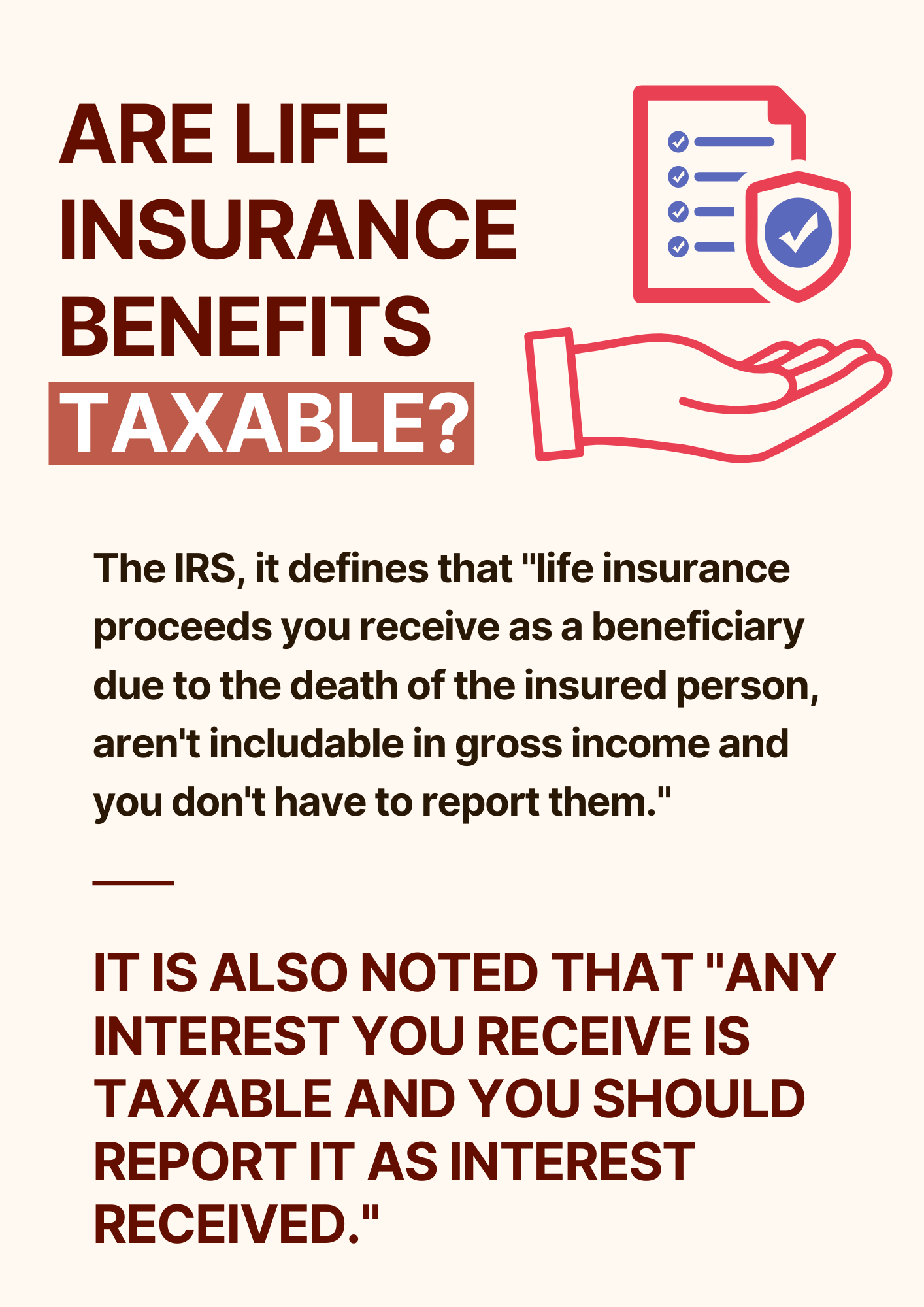
In the vast majority of cases, life insurance death benefits paid to a beneficiary are not considered taxable income by the Internal Revenue Service (IRS). When a policyholder passes away, the proceeds received by the named beneficiary are generally excluded from gross income under Section 101(a) of the Internal Revenue Code. This means that if you are the designated recipient of a life insurance payout, you typically do not have to report the lump sum on your federal income tax return, nor do you pay income tax on the amount received.
Understanding the General Rule of Exclusion
The tax-free nature of life insurance proceeds is rooted in the legislative intent to provide financial security to survivors without placing an additional tax burden on them during a period of bereavement. The IRS treats the death benefit as a transfer of assets rather than as taxable wages or investment gains.
This exclusion applies regardless of the size of the policy. Whether the payout is $50,000 or $5,000,000, the core principle remains consistent: the principal amount of the death benefit is income-tax-free. This protection is a significant benefit of life insurance compared to other forms of financial inheritance, such as traditional retirement accounts (like a 401(k) or IRA), which often trigger income tax liabilities for the beneficiary upon distribution.
The Nuance of Interest Earned
While the death benefit itself is tax-exempt, there is a critical distinction to be made regarding how the money is handled after the insured’s death. If the beneficiary chooses not to take the death benefit in a single lump sum but instead opts for an installment plan or leaves the money with the insurance company to accrue interest, the tax treatment changes.
In these scenarios, the principal amount—the face value of the policy—remains tax-free. However, any interest that accrues on that principal after the date of death is considered taxable income. The insurance company will typically issue a Form 1099-INT to the beneficiary for the amount of interest earned during the tax year. This interest must be reported on the beneficiary’s federal income tax return and is subject to standard income tax rates.
Exceptions Where Life Insurance Proceeds Become Taxable
While the rule of exclusion is robust, there are specific, identifiable situations where life insurance proceeds may lose their tax-exempt status. Understanding these exceptions is vital for estate planning and financial oversight.
1. Transfer for Value Rule
If a policy was transferred to a new owner for a valuable consideration (such as being sold to an investor or a business partner), the death benefit may be subject to income tax. Under the "transfer for value" rule, if a policy is sold, the amount the new owner receives at the time of the insured's death, minus the amount they paid for the policy and any subsequent premiums they covered, may be treated as ordinary income. This rule is designed to prevent the use of life insurance as a speculative investment vehicle to avoid taxes.
2. Policy Ownership and Estate Taxes
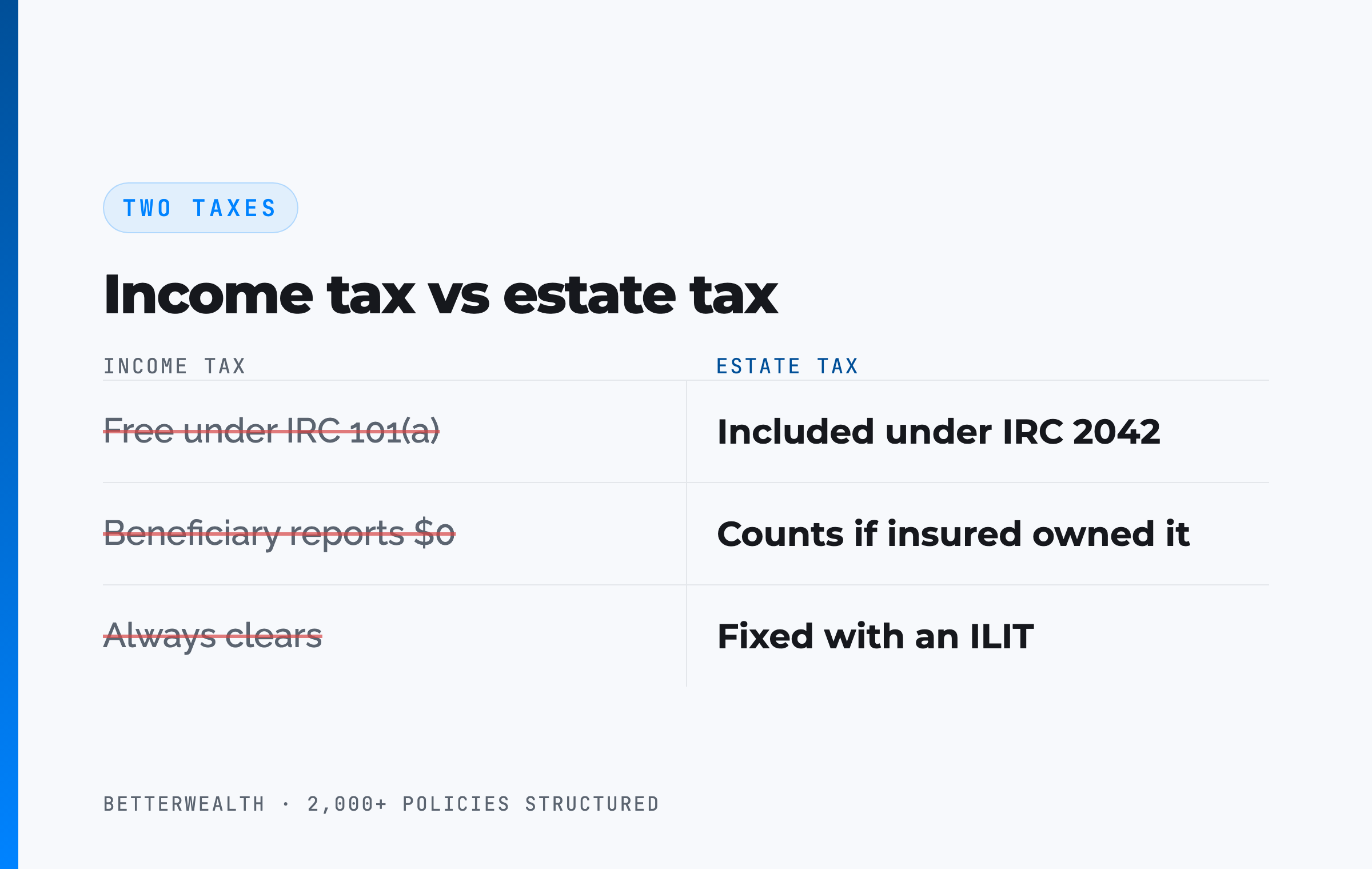
It is important to distinguish between income tax and estate tax. While proceeds are usually income-tax-free, they may be included in the deceased’s "gross estate" for federal estate tax purposes. If the deceased person owned the policy at the time of their death—meaning they possessed "incidents of ownership," such as the power to change the beneficiary or borrow against the policy—the death benefit value could be counted toward the total value of the estate.
As of 2026, the federal estate tax exemption is quite high, meaning most individuals will not face federal estate tax liability. However, those with significant total assets should consult with an estate attorney or tax advisor to determine if an Irrevocable Life Insurance Trust (ILIT) might be necessary to remove the proceeds from the taxable estate.
3. Employer-Owned Life Insurance (EOLI)
If a business owns a policy on an employee, specific rules under Section 101(j) apply. For the proceeds to remain tax-exempt, the employee must have been notified of the policy, consented in writing to the coverage, and met other technical requirements. If these conditions are not met, the business may be subject to income tax on the proceeds.
Comparative Tax Treatment of Financial Inheritances
Different financial assets are treated differently by the tax code. Understanding where life insurance fits into the broader spectrum of inherited wealth helps beneficiaries make informed decisions.
| Asset Type | General Income Tax Status for Beneficiary |
|---|---|
| Life Insurance Death Benefit | Generally Tax-Free |
| 401(k) / Traditional IRA | Taxable as Ordinary Income |
| Roth IRA | Generally Tax-Free |
| Brokerage Account (Stocks/Bonds) | Capital Gains (Step-up in basis) |
| Savings Accounts | Interest is Taxable |
Steps to Take When Receiving Proceeds
If you are a named beneficiary, the process of receiving and managing the funds requires attention to detail.
- Request the Death Certificate: The insurance company will require a certified copy of the death certificate to process the claim.
- Contact the Insurance Carrier: Reach out to the insurance company’s claims department to obtain the necessary claim forms. Verify if they offer a "retained asset account," which acts like a checkbook but holds your money with the insurer.
- Evaluate Payment Options: Decide between a lump-sum payment (which keeps the money in your control) or installment/annuity options. Remember that installments may generate interest, which triggers a tax reporting requirement.
- Consult a Tax Professional: Even though the proceeds are likely tax-free, they will impact your overall financial net worth. A tax professional can help you navigate the potential estate tax implications and integrate the payout into your long-term investment strategy.
Common Misconceptions
One frequent myth is that the tax-free status depends on the beneficiary's relationship to the deceased. This is inaccurate. Whether you are a spouse, a child, a business partner, or a friend, the IRS treats the exclusion of life insurance proceeds based on the nature of the contract, not the personal relationship between the parties.
Another misconception is that the "cash value" built up inside a permanent life insurance policy (like whole life or universal life) is always tax-free. If a policyholder withdraws cash value while they are still alive, they may owe taxes on any amount that exceeds the "basis" (the total amount of premiums paid). However, once the death benefit is triggered, the entire proceeds, including the cash value accumulation, are paid out as a tax-free death benefit.
The Role of State Jurisdictions
While federal law governs the income tax treatment of life insurance, state laws can differ regarding inheritance or estate taxes. Most states do not impose an income tax on life insurance proceeds, but some states have their own estate or inheritance tax regimes. Beneficiaries residing in states with lower estate tax thresholds than the federal government should verify their specific state’s revenue guidelines to ensure full compliance.
Frequently Asked Questions
Does the IRS need to be notified of the death benefit? No, you do not need to report the receipt of the death benefit on your federal income tax return because it is not considered taxable income. However, you should maintain records of the claim and the payout amount in case of future audits or inquiries regarding your total financial profile.
Are there taxes if the policy was a group plan from an employer? Generally, no. Even if the policy was provided by an employer as part of a group life insurance plan, the death benefit remains income-tax-free to the beneficiary. The premiums paid by the employer for coverage up to $50,000 are also generally excluded from the employee's taxable income.
What happens if I receive the money as a beneficiary of a trust? If the life insurance policy is owned by a trust, the trust is the beneficiary. The taxability of the funds then depends on how the trust distributes the money to you. While the proceeds themselves are tax-exempt, the trust structure adds a layer of legal complexity that necessitates guidance from a trustee or trust attorney to ensure proper distribution according to the trust document.
Does it matter if the policy was an "accidental death" policy? No. Whether the policy is a standard term life insurance plan or an accidental death and dismemberment (AD&D) policy, the tax treatment of the death benefit remains consistent. The proceeds are typically free of income tax.
Can the insurance company withhold taxes? Since the benefit is not taxable income, the insurance company will not withhold federal or state income taxes from a standard death benefit payout. If you elect to receive interest on the proceeds, they may ask for a W-9 form to ensure they report the interest earnings correctly to the IRS.
Conclusion and Recommended Action
The receipt of life insurance proceeds is largely shielded from federal income taxation, serving as a stable financial bridge for survivors. Your primary objective should be to secure the documentation required by the insurer and evaluate the payment options that best suit your current financial needs.
If you anticipate receiving a significant sum, the most practical next step is to meet with a fee-only financial planner or a certified public accountant (CPA). They can assist you in verifying whether the death benefit will impact your taxable estate and help you develop a strategy to manage the capital in a way that aligns with your long-term wealth management goals, especially if you are concerned about how these assets interact with other estate planning vehicles.