For most individual policyholders in the United States, life insurance premiums are generally not tax-deductible, nor are they considered taxable income. When you pay for a standard personal life insurance policy, the IRS views these payments as personal expenses rather than business costs or tax-deferred investments. Consequently, you cannot deduct these premiums from your gross income when filing your federal tax return, and the premium payments themselves do not trigger any tax liability for the policyowner.
However, the intersection of tax law and life insurance is multifaceted. The status of your premiums—whether they are deductible or taxable—depends almost entirely on who owns the policy, who pays the premiums, and the specific purpose the policy serves. Understanding these nuances is essential for managing your financial planning effectively in 2026.
Understanding the General Rule: Personal Life Insurance
In the vast majority of cases, individuals purchase life insurance to provide financial security for their families or to cover final expenses. Because this is a private, personal arrangement, the IRS does not provide tax relief for the premiums paid. Under the Internal Revenue Code, personal expenses are not deductible from adjusted gross income (AGI).
When you pay your monthly or annual premiums, you are essentially purchasing a death benefit. From the perspective of the IRS, this is a non-deductible personal expense, similar to purchasing car insurance or homeowner's insurance. Because the premiums are paid with "after-tax" dollars—money that has already been subject to income tax—there is no further tax implication or reporting requirement for the act of paying the premium.
Why Premiums Are Usually Not Deductible
The primary reason life insurance premiums are not deductible for individuals is the lack of a "business nexus." In the United States tax system, deductions are generally reserved for costs incurred while generating income or performing business-related tasks. Since your personal life insurance policy is intended to protect your family's lifestyle rather than to produce taxable revenue, it does not qualify for deduction under current federal guidelines.
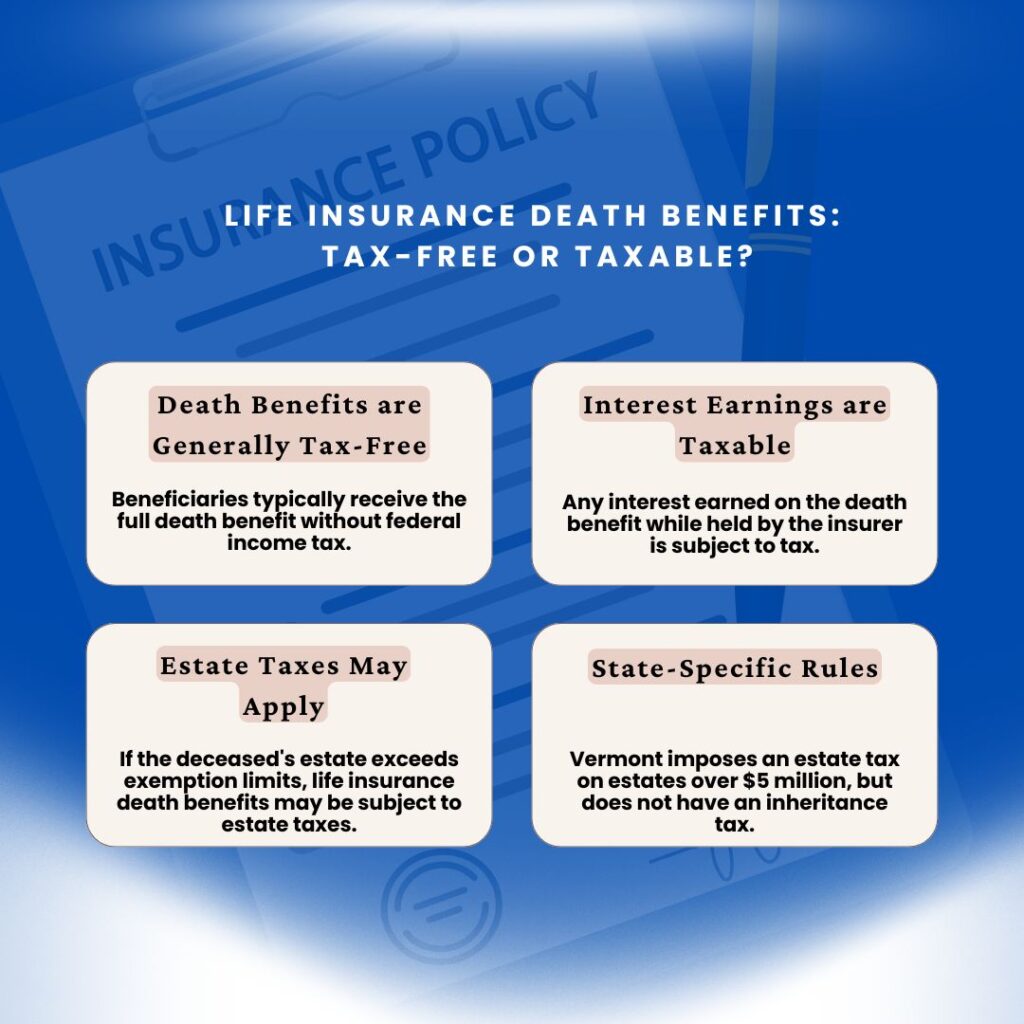
Furthermore, life insurance provides a substantial tax benefit on the "back end": the death benefit paid to beneficiaries is typically entirely free of federal income tax. Because the government grants this significant tax exclusion on the payout, it does not allow the policyholder to take a tax break on the premiums paid during the life of the policy.
Exceptions for Business and Corporate Ownership
While individuals cannot deduct premiums, the landscape changes significantly when a policy is owned by a business entity. Certain business-owned life insurance (BOLI) arrangements or policies used as part of a compensation package may involve different tax treatments.
Key Person Insurance
If a business purchases life insurance on a "key person"—an executive or essential employee whose death would cause financial hardship to the company—the company pays the premiums. In this scenario, the premiums are generally not tax-deductible for the business, even if the policy is intended to protect the company's financial interests. Because the business is typically the beneficiary, the IRS maintains that these premiums are not a business expense that can be written off.
Employer-Provided Group Life Insurance
Group-term life insurance is a common fringe benefit. Under Internal Revenue Code Section 79, the first $50,000 of group-term life insurance coverage provided by an employer is generally excluded from an employee's taxable income.
However, if an employer provides coverage exceeding $50,000, the cost of that "excess" coverage is considered taxable income to the employee. The IRS provides a table (Table I) to calculate the value of this excess coverage. This amount is added to the employee’s W-2 form, and the employee must pay income tax on that calculated value. In this case, while the employee is not "paying" a premium out of pocket, the taxability of the benefit is directly tied to the cost of the coverage provided.
Premiums Paid for Charitable Purposes
Some individuals choose to name a charitable organization as the beneficiary of their life insurance policy. While this is a philanthropic gesture, it is important to note that simply naming a charity as the beneficiary does not make your premiums tax-deductible. To receive a tax deduction, you would generally need to transfer full ownership of the policy to the charity. If you relinquish all rights to the policy—including the right to change the beneficiary or borrow against the cash value—you may be able to claim a charitable deduction for the value of the policy and potentially for future premiums paid, subject to strict IRS documentation and valuation requirements.
Tax Implications of Policy Loans and Withdrawals
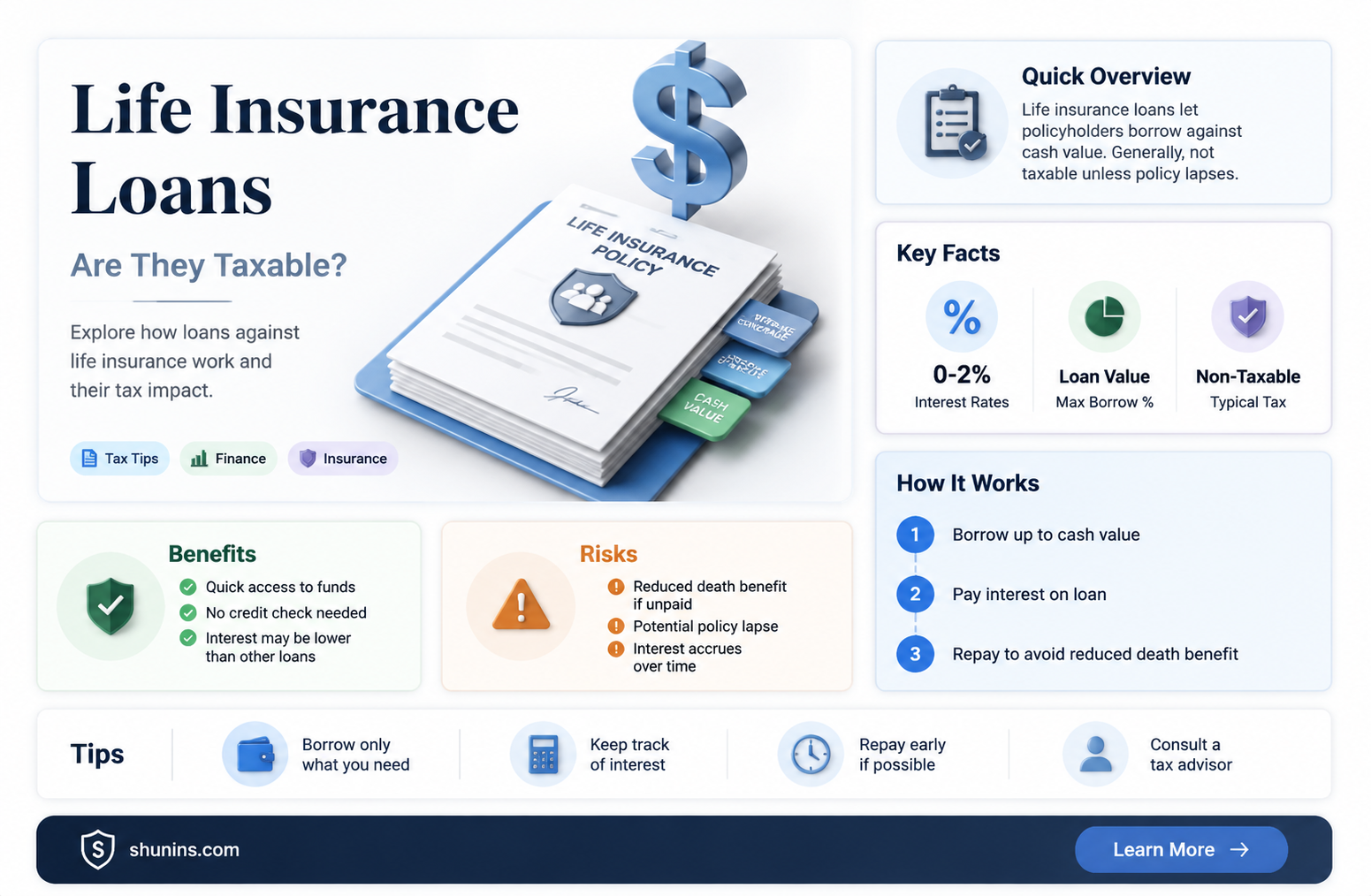
While premiums themselves are not taxable, the "cash value" component of permanent life insurance (like Whole Life or Universal Life) can create complex tax scenarios. Many policyholders mistakenly conflate premiums with cash value.
- Policy Loans: If you borrow against the cash value of your life insurance, the loan proceeds are generally tax-free. You are essentially borrowing against your own collateral. However, if the policy lapses or is surrendered while a loan is outstanding, the IRS may treat the unpaid loan balance as taxable income.
- Withdrawals: If you withdraw cash from your policy, the IRS follows "cost-basis" rules. You can typically withdraw an amount equal to the total premiums you have paid without incurring taxes. Any amount withdrawn above your total premiums (your "basis") is considered taxable income, taxed as ordinary income.
Comparison of Tax Treatment by Policy Type
| Policy Scenario | Tax Deduction Status | Income Tax Status of Premiums |
|---|---|---|
| Personal Life Insurance | Not Deductible | N/A (After-tax) |
| Group Term ($50k or less) | N/A (Benefit) | Not Taxable |
| Group Term (Over $50k) | N/A (Benefit) | Taxable (Table I) |
| Business-Owned (Key Person) | Not Deductible | N/A |
| Charitable Owned (Full Gift) | Potentially Deductible | N/A |
Common Mistakes and Misconceptions
A frequent error among taxpayers is assuming that life insurance is an "investment" that carries the same tax advantages as a 401(k) or IRA. While permanent life insurance does accumulate tax-deferred cash value, it is not a direct tax-deductible investment.
Another common misconception involves "split-dollar" arrangements. These are complex agreements, often between an employer and employee, where they share the costs and benefits of a policy. These require professional legal and accounting oversight, as the IRS has specific regulations regarding the economic benefit provided to the employee, which may be treated as taxable income.
When to Seek Professional Guidance
Because tax laws are subject to interpretation and individual financial situations vary, you should consult with a Certified Public Accountant (CPA) or a tax attorney if you are:
- Considering donating a life insurance policy to a charity.
- Integrating life insurance into a complex business succession plan.
- Managing a policy with a substantial cash value that you intend to tap into for retirement income.
- Unsure about your tax obligations regarding employer-provided coverage exceeding $50,000.
Frequently Asked Questions
Can I deduct my life insurance premiums if I am self-employed?
Generally, no. Even if you are self-employed, life insurance premiums for your personal coverage are considered personal expenses. The IRS does not allow you to deduct these on Schedule C, even if you deem the policy necessary for your family’s protection.
Does the death benefit count as taxable income?
In most cases, no. The death benefit paid to a beneficiary is generally excluded from federal income tax. However, if the policy was transferred to another person for "valuable consideration," the transfer-for-value rule may apply, potentially subjecting a portion of the death benefit to income tax.
Are premiums for universal life insurance tax-deductible?
No. Whether you have term, whole, or universal life insurance, the premiums remain personal expenses. The cash value growth within a universal life policy is tax-deferred, but the contributions (premiums) are not tax-deductible.
Is the cash value of a life insurance policy taxable while it grows?
No. The cash value within a permanent life insurance policy grows on a tax-deferred basis. You do not pay annual income taxes on the interest or dividends credited to your policy's cash value, provided the policy remains in force and meets IRS definitions of life insurance.
What happens if I pay premiums for a policy I don't own?
If you pay premiums on a policy owned by someone else, the IRS may view those payments as gifts. If the total of such payments, combined with other gifts to that individual, exceeds the annual federal gift tax exclusion limit, you may be required to file a gift tax return.
Next Actions
If you are currently evaluating your life insurance strategy, prioritize your financial goals rather than seeking a tax deduction that likely does not exist for personal policies. Ensure your beneficiary designations are current, review your coverage amounts against your long-term liabilities (such as mortgages or education costs), and verify whether your employer-provided insurance requires you to report excess coverage on your annual taxes. If you own a business, consult with a tax professional to determine if you are correctly classifying any business-owned policies to avoid unexpected IRS scrutiny.