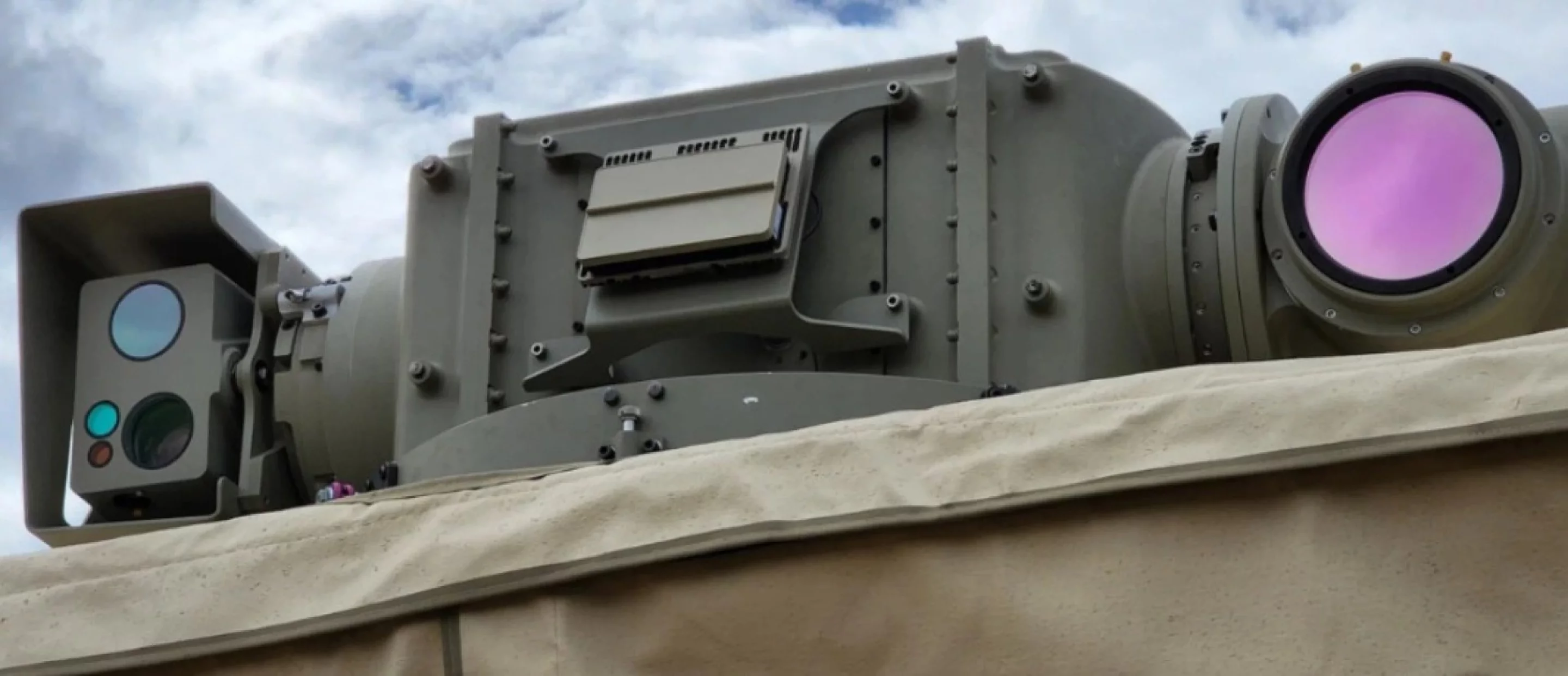
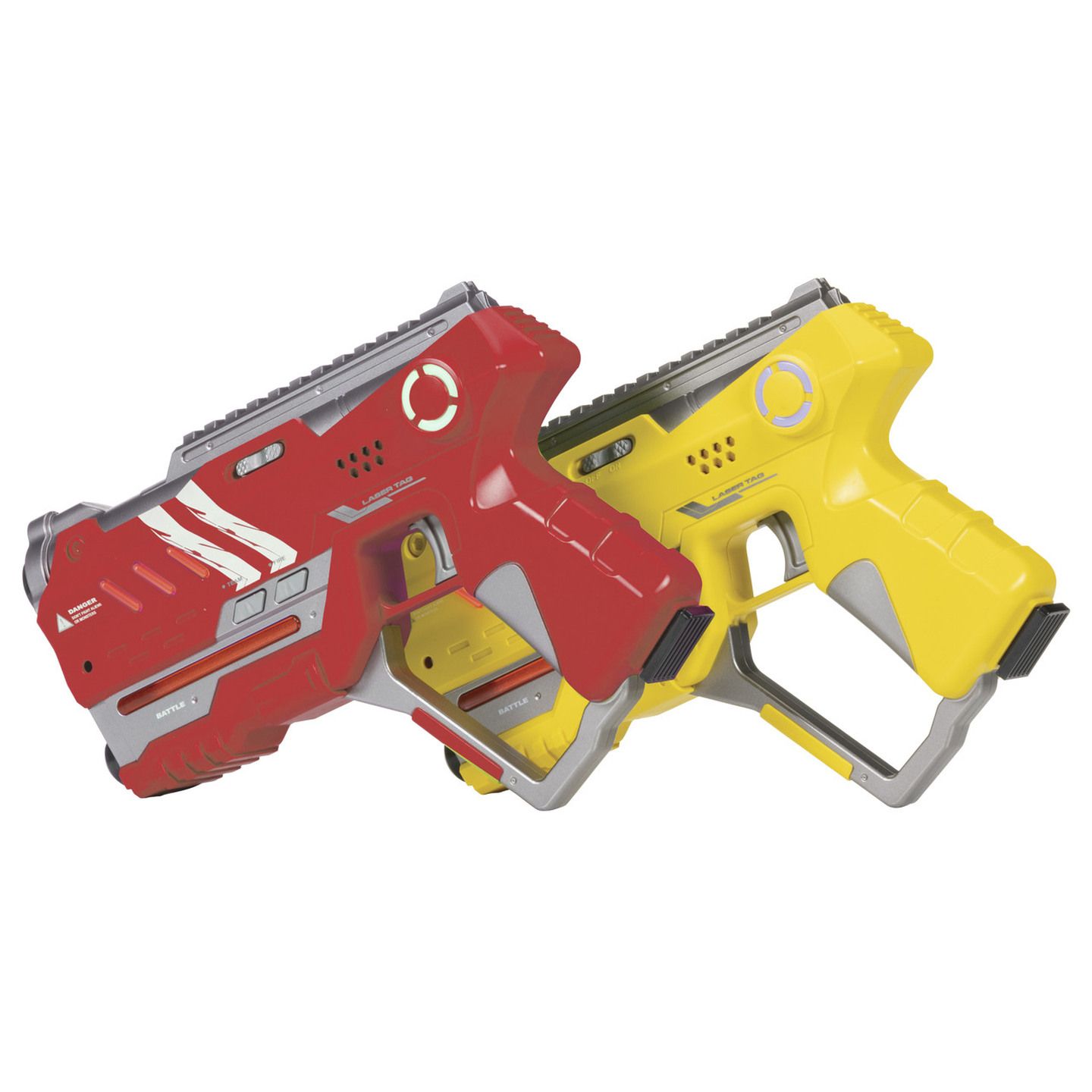
The short answer is yes, but not in the way science fiction suggests. While you will not find handheld "phasers" or "blasters" that create glowing bolts of plasma, Directed Energy Weapons (DEWs)—specifically high-energy laser systems—are a functional reality. They are currently being deployed by world militaries to neutralize drones, missiles, and small watercraft by heating targets until they fail.
Understanding the Reality of Laser Weaponry
For decades, popular culture has cemented the idea of a "laser gun" as a handheld, trigger-operated device capable of firing a visible, slow-moving beam that causes an explosion upon impact. In physics and military engineering, the reality is significantly more nuanced. Modern laser weapons rely on the concentration of photons, which travel at the speed of light, to deliver thermal energy to a specific point on a target.
These systems do not "fire" a projectile. Instead, they focus a high-power beam—usually from the infrared spectrum, making them invisible to the naked eye—onto a target. When this energy is sustained on a specific area, the resulting heat causes structural degradation, ignites fuel, or destroys sensitive electronics. Unlike traditional ballistic ammunition, which relies on kinetic energy and mass, laser systems rely on dwell time: the longer the beam stays on the target, the more damage it accumulates.
From Science Fiction to Military Integration
The transition from conceptual physics to active field utility has been driven by the need for cost-effective counter-measures against "asymmetric threats." In 2026, the primary use case for high-energy lasers is the interception of Unmanned Aerial Systems (UAS).
Traditional interceptors, such as surface-to-air missiles, can cost millions of dollars per shot. When faced with a swarm of low-cost drones—some of which may cost only a few hundred dollars—the economics of missile defense become unsustainable. Laser weapons change this paradigm. Once the initial investment in the system is made, the "cost per shot" is effectively reduced to the price of the electricity required to power the laser. This efficiency makes them a vital component in modern layered defense architectures.
How Directed Energy Systems Operate
To understand why we do not have "laser pistols," one must look at the hardware requirements of these systems. A functional high-energy laser requires three primary components that are currently impossible to shrink into a handheld form factor:
- The Laser Source: Whether using chemical lasers, gas lasers, or modern fiber lasers, the hardware required to generate enough power to burn through steel is massive. It involves complex arrays of fiber-optic cables and gain media that require significant cooling.
- Thermal Management Systems: The process of generating a high-energy beam creates immense amounts of waste heat. A handheld device would melt itself almost instantly if it produced enough power to be a weapon. Modern naval and ground-based laser systems utilize large-scale liquid cooling pumps to keep the system operational.
- Power Supply: Sustaining a beam capable of destruction for several seconds requires a massive electrical draw. While ships can provide this power through their onboard nuclear or gas turbine generators, a handheld device would require a battery pack with energy density far beyond current lithium-ion technology.
Comparison: Science Fiction vs. Engineering Reality
| Feature | Science Fiction "Laser Gun" | Real-World DEW System |
|---|---|---|
| Beam Visibility | Visible glowing bolt | Invisible infrared beam |
| Speed | Travel speed visible to eye | Speed of light (instantaneous) |
| Portability | Handheld | Truck-mounted or ship-based |
| Mechanism | Plasma projectile | Thermal energy deposition |
| Damage Type | Explosive/Kinetic | Structural melting/thermal failure |
| Cost Per Shot | Not defined | Price of electricity (very low) |
Current Limitations and Challenges
Despite their potential, laser weapons face significant atmospheric and environmental limitations. Because lasers rely on a line-of-sight beam of light, they are susceptible to "blooming"—a phenomenon where the beam loses focus due to atmospheric particles, humidity, dust, or smoke.
- Atmospheric Scattering: Rain, fog, and smoke can scatter the light beam, significantly reducing its intensity before it reaches the target. This makes laser weapons less reliable than kinetic interceptors in adverse weather conditions.
- Targeting Precision: Because the beam is invisible, the system must utilize a secondary, lower-power tracking laser to maintain focus on the target. If the tracking system loses lock on a moving drone, the laser ceases to be effective.
- Material Countermeasures: An adversary can theoretically harden their equipment against lasers using ablative coatings, reflective surfaces, or by spinning the target to prevent the beam from dwelling on one point long enough to cause structural failure.
Legal and Ethical Frameworks
The use of laser weaponry is governed by international law, specifically protocols regarding the use of "blinding lasers." Under the Protocol on Blinding Laser Weapons (Protocol IV) to the Convention on Certain Conventional Weapons, the use of lasers specifically designed to cause permanent blindness is prohibited.
Military designers emphasize that current laser systems are developed for "counter-material" purposes—destroying aircraft, drones, or boats—rather than as anti-personnel weapons. The ethical debate surrounding these systems often centers on the threshold for escalation. Because laser weapons are silent and invisible, they may be perceived as "humane" due to their precision, but they also lower the barrier for engagement, potentially leading to more frequent, rapid-fire combat scenarios.
Frequently Asked Questions
Are handheld laser guns being developed for infantry? No. While there are military-grade laser dazzlers used to temporarily distract or signal individuals, they do not function as weapons that cause physical destruction. The power requirements for a "destructive" handheld laser remain outside the bounds of current battery and cooling technology.
Why can't we see the beam in real life? High-energy weapons used in 2026 operate in the infrared part of the electromagnetic spectrum to maximize atmospheric penetration and weapon efficiency. Science fiction portrays lasers as visible "bolts" to allow the audience to follow the action, but real-world tactical lasers are designed to be stealthy to prevent the target from knowing the source of the heat.
What happens to the target when it is hit by a laser? The target does not explode like a movie prop. Instead, the intense concentration of heat melts through the fuselage or heats the internal components. In the case of drones, this often leads to a "soft kill"—where the flight control software fails, the sensors are blinded, or the battery ignites, causing the drone to fall out of the sky.
Can laser weapons shoot down ballistic missiles? Theoretically, yes, but it is extremely difficult. Ballistic missiles move at hypersonic speeds and are often built with specialized heat shielding for re-entry. Destroying one requires an enormous amount of energy sustained over a precise, high-speed tracking duration, which is currently the focus of intense research and development.
Are laser weapons safer than conventional guns? "Safety" is relative. Lasers provide extreme precision, which could theoretically reduce collateral damage by avoiding the risk of "stray bullets" falling back to earth. However, the lack of sound or visual warning makes them harder to detect, and the potential for unintended damage to optics or satellite sensors in the area remains a technical concern.
The Future of Directed Energy
As of 2026, the trajectory of directed energy development points toward increased power scaling and improved atmospheric compensation. Research is currently focused on "phase-locked" arrays, where multiple smaller laser beams are combined into a single, high-intensity output. This allows for modular systems that can be scaled up or down depending on the platform.
While you should not expect to see a portable "laser rifle" in the near future, the integration of laser systems into defense networks is accelerating. They are becoming the primary solution for protecting military assets from the proliferation of inexpensive, autonomous drone technology. For those interested in the progression of this field, following official updates from defense departments regarding prototype testing—often listed under "Directed Energy Maneuver Short-Range Air Defense" (DE M-SHORAD) programs—provides the most accurate picture of where this technology stands today.
If you are researching this for educational or professional purposes, verify current testing milestones through government research agencies, as private sector speculation often conflates these systems with futuristic, non-existent capabilities. The reality of laser weapons is a testament to engineering ingenuity, solving the high-cost problems of modern warfare with the elegance of focused light.