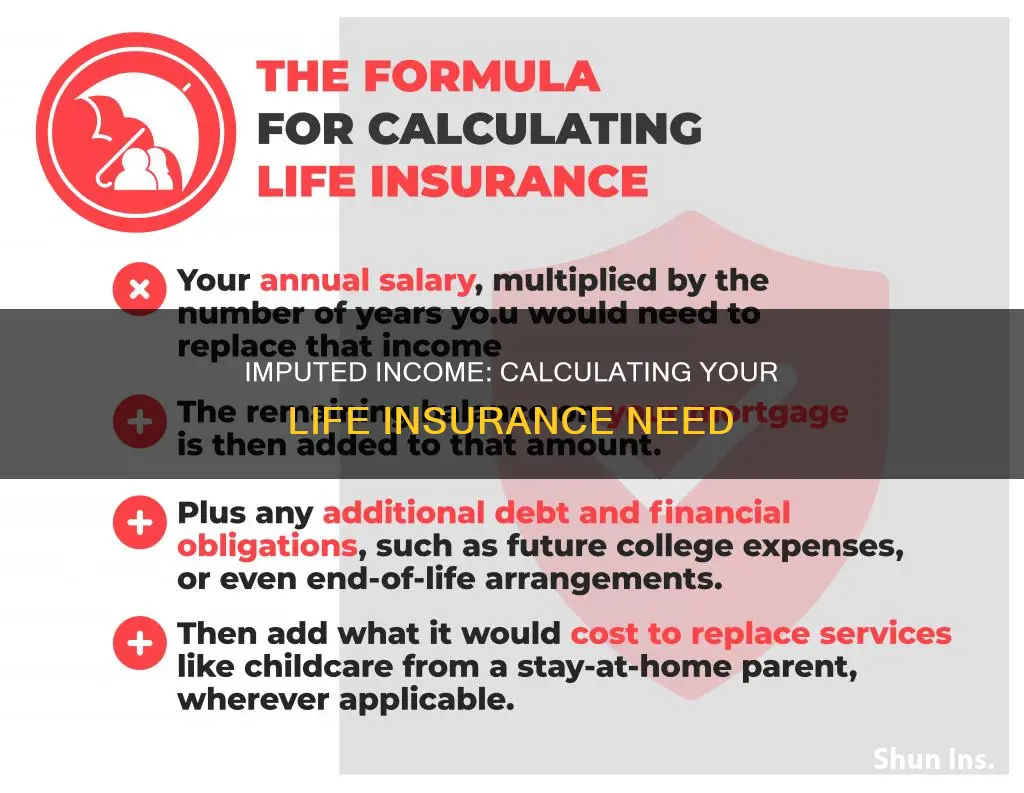
In the vast majority of cases, life insurance death benefits paid to a beneficiary are not considered taxable income and do not need to be reported on your federal income tax return. Because these proceeds are generally excluded from gross income under Internal Revenue Code Section 101(a)(1), the money received from a policy is typically tax-free, regardless of the size of the payout.
Understanding the tax status of life insurance benefits is a critical component of estate planning and financial security. When a policyholder passes away, the financial transition can be overwhelming; knowing that the death benefit is usually exempt from income tax provides a baseline of certainty. However, while the general rule is clear, there are specific scenarios—such as interest payments, policy transfers, or cash value withdrawals—where tax liabilities can arise. This guide explores the foundational rules, exceptions, and practical considerations regarding life insurance and income taxation.
The General Rule: Why Death Benefits Are Tax-Free
The primary purpose of life insurance is to provide a financial safety net for survivors. The federal government recognizes this by excluding life insurance proceeds from federal income tax under the internal revenue code. When an insured individual dies, the insurance company pays a lump sum—the death benefit—to the designated beneficiary. This payment is viewed as a transfer of capital rather than a gain or income.
For the vast majority of beneficiaries, the receipt of these funds requires no complex tax filings. Unlike wages, interest, or dividends, the death benefit does not increase your adjusted gross income (AGI). This distinction is vital because keeping these funds out of your AGI ensures that receiving a death benefit does not inadvertently push you into a higher tax bracket or trigger phase-outs for other tax credits and deductions.
When Life Insurance Proceeds May Be Taxable
While the death benefit itself is generally tax-free, there are specific circumstances where the funds—or portions of them—become subject to taxation. Understanding these exceptions is essential for beneficiaries and policyholders who manage large or complex estates.
Interest Income on Deferred Benefits
If a beneficiary chooses not to receive the death benefit in a lump sum, the insurance company may hold the funds in an interest-bearing account. While the principal (the original death benefit) remains tax-free, any interest earned on that money while it sits with the insurance company is considered taxable income. The insurance carrier will typically issue a Form 1099-INT at the end of the year, and this amount must be reported on your income tax return as interest income.
Transfers for Value
A "transfer for value" occurs if a policy is sold to another party for compensation. If you purchase an existing life insurance policy from someone else and become the beneficiary, you lose the federal income tax exclusion on the death benefit. In this scenario, the death benefit is tax-free only up to the amount you paid for the policy plus any premiums you subsequently paid. Any profit—the difference between the death benefit and your investment—is treated as ordinary income and is taxable.
Policies Owned by a Business
In some corporate settings, businesses own life insurance policies on key employees (known as Key Person Insurance). If the business is the beneficiary, the death benefit is usually received tax-free by the corporation. However, if the business is not the policy owner or does not meet specific "notice and consent" requirements under Section 101(j), the proceeds could lose their tax-exempt status. Employers must strictly adhere to IRS guidelines regarding disclosure and employee consent to ensure the proceeds remain shielded from corporate income tax.
Distinguishing Between Death Benefits and Cash Value
It is important to differentiate between a death benefit and the "cash value" of a permanent life insurance policy, such as Whole Life or Universal Life. Cash value is an accumulation of funds within the policy that the policyholder can access while they are still alive.
When a policyholder withdraws cash value, the tax rules differ significantly:
- Cost Basis: You are generally allowed to withdraw your "cost basis" (the total amount of premiums you have paid into the policy) tax-free.
- Earnings: Any withdrawals that exceed your cost basis are considered taxable income.
- Loans: Policyholders can often take loans against the cash value of a life insurance policy. These loans are generally not taxable, provided the policy remains in force. However, if the policy lapses or is surrendered while a loan is outstanding, the IRS may treat the excess of the cash value over your basis as taxable income.
Estate Taxes: A Different Category of Taxation
While life insurance benefits are rarely considered "income," they may be considered part of your "gross estate" for federal estate tax purposes. If the deceased individual owned the policy or held "incidents of ownership" (such as the right to change beneficiaries or borrow against the policy) at the time of their death, the value of the death benefit is included in their taxable estate.
In 2026, the federal estate tax exemption is significant, meaning most families will not be subject to estate taxes. However, for those with very high-net-worth estates, including life insurance proceeds in the estate can increase the total value, potentially crossing the threshold for federal estate tax. To mitigate this, many high-net-worth individuals place their life insurance policies into an Irrevocable Life Insurance Trust (ILIT). By removing the "incidents of ownership" from the individual and placing them in the trust, the death benefit can often be excluded from the taxable estate.
Comparison Table: Tax Treatment of Life Insurance
The following table summarizes the tax implications of various life insurance transactions to help clarify how and when tax might be triggered.
| Scenario | Tax Status | Explanation |
|---|---|---|
| Lump sum death benefit | Tax-Free | Generally exempt from federal income tax. |
| Interest earned on held benefits | Taxable | Interest payments are treated as ordinary income. |
| Withdrawal of cash value (up to basis) | Tax-Free | Represents a return of your own paid premiums. |
| Withdrawal of cash value (above basis) | Taxable | Treated as taxable gain or ordinary income. |
| Policy loans | Tax-Free | Considered debt, not income, if the policy remains active. |
| Sale of policy (Transfer for Value) | Partially Taxable | Profit above cost basis is subject to income tax. |
Practical Next Steps for Beneficiaries and Policyholders
If you are a beneficiary receiving a death benefit, or a policyholder managing your assets, consider the following actions to ensure compliance and financial clarity:
- Verify the Payment Structure: Determine if you are receiving a single lump sum or if the insurance company is providing an installment plan or interest-bearing account. Request clarification on how much of the payment is the principal death benefit versus accrued interest.
- Maintain Records of Premiums: If you own a permanent life insurance policy, keep accurate records of all premiums paid. This documentation is vital for determining your "cost basis," which prevents you from being taxed on the money you have already contributed.
- Consult an Estate Planner: If you have concerns about the size of your estate and the potential impact of life insurance on estate taxes, speak with an estate planning attorney. They can advise on whether an Irrevocable Life Insurance Trust is appropriate for your specific financial situation.
- Review Beneficiary Designations: Ensure your beneficiaries are up to date. While life insurance proceeds are generally tax-free, failing to update beneficiaries can lead to legal complications that may freeze the distribution of funds.
- Monitor Tax Forms: If you receive a 1099-INT or other tax-related documents from an insurance company, ensure these are provided to your tax professional during the filing season.
Frequently Asked Questions
Do I need to report the life insurance benefit on my tax return if it is tax-free?
Generally, no. Because the death benefit is not considered gross income, you do not need to report it on your Form 1040. However, if you receive a 1099-INT for interest earned on the proceeds, you must report that specific interest amount.
What happens if I receive the death benefit in installments instead of a lump sum?
If the insurance company pays the death benefit in installments over time, the portion of each payment that represents the original death benefit remains tax-free. However, any portion of the installment that represents interest earned by the insurance company during the payment period is taxable as interest income.
Are state taxes applied to life insurance benefits?
Most states follow the federal rule and do not tax life insurance death benefits. However, tax laws vary by jurisdiction. You should check with your state’s department of revenue or a local tax advisor to ensure there are no unique state-level inheritance or income tax rules that apply to your specific situation.
Is the death benefit subject to inheritance tax?
Inheritance tax is determined by state law and is based on who receives the money. While life insurance proceeds are generally exempt from income tax, they could potentially be subject to state inheritance taxes depending on your state of residence and the relationship of the beneficiary to the deceased.
Does the tax status change if I have a term life policy versus a permanent life policy?
No, the tax treatment of the death benefit at the time of death is typically the same regardless of whether the policy is a term life or permanent life product. The "tax-free" nature of the death benefit is a general feature of life insurance policies under the Internal Revenue Code.
Professional Advice Limitation
This information is intended for educational purposes as of 2026 and does not constitute professional tax, legal, or financial advice. Tax laws are subject to change and can vary significantly based on individual circumstances, jurisdiction, and the specific terms of an insurance policy. Always consult with a qualified certified public accountant (CPA) or tax attorney before making significant financial decisions related to your insurance policies or estate planning.