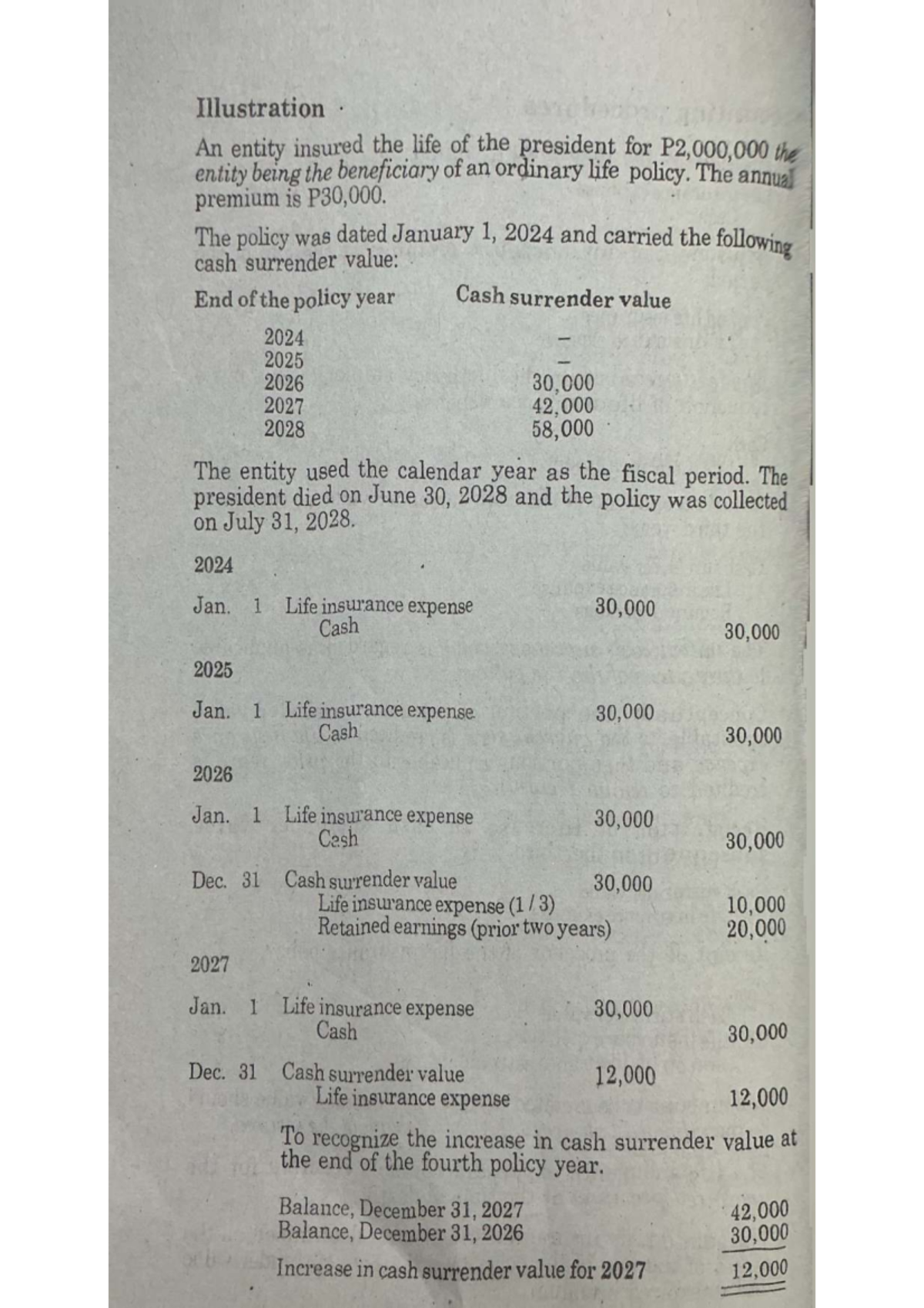
When you surrender a permanent life insurance policy for its cash value in Pennsylvania, the tax implications depend on the relationship between the amount received and the total premiums paid into the policy. Pennsylvania follows specific statutes regarding personal income tax, and while some components of a cash surrender payout may be considered taxable income, the principal portion—representing your original investment—is generally excluded from taxation.
Understanding whether your specific payout constitutes taxable income requires a breakdown of your "cost basis." In the state of Pennsylvania, personal income tax is levied on eight classes of income. Life insurance proceeds generally fall under specific exclusions, but once you move from a death benefit scenario to a lifetime cash surrender, the rules regarding "gain" become the primary focus for tax authorities.
The Pennsylvania Tax Landscape for Life Insurance
Pennsylvania law treats life insurance differently than federal law in certain administrative nuances, though the core concept of "gain" remains consistent. For Pennsylvania personal income tax purposes, the Department of Revenue views the surrender of a life insurance policy as a transaction that may yield taxable income if the payout exceeds the total cost basis.
The cost basis is essentially the total amount of premiums you have paid into the policy over its lifetime, minus any dividends or prior withdrawals you may have already received. If you surrender your policy and the cash surrender value you receive is less than or equal to your cost basis, you have not realized a taxable gain. Conversely, if the payout exceeds your cost basis, the excess amount is considered a gain on the investment and is subject to Pennsylvania’s personal income tax rate.
Calculating Your Cost Basis
To determine if you face a tax liability, you must perform a calculation that reflects your total financial investment in the policy. This is not merely the total premiums paid since the inception of the contract; it is a net figure.
- Sum of Premiums Paid: Aggregate all premiums paid over the life of the policy.
- Subtract Dividends Received: If your policy was participating and you received dividends (either as cash or as credits toward premiums), these must be subtracted from your total premiums.
- Subtract Prior Withdrawals: If you took any partial surrenders or tax-free loans from the policy in previous years, these amounts reduce your remaining cost basis.
- Final Basis: The resulting number is your investment in the contract.
If you surrender the policy for an amount of $50,000, but your calculated cost basis is $45,000, you have realized a gain of $5,000. Under Pennsylvania tax law, that $5,000 is the figure subject to tax, not the full $50,000.
Pennsylvania's Eight Classes of Income
To understand why this gain is taxable, it is helpful to look at how Pennsylvania defines taxable income. Pennsylvania classifies income into eight categories:
- Compensation
- Net profits from business, profession, or farm
- Net gains from the sale, exchange, or disposition of property
- Net gains or income from rents, royalties, patents, and copyrights
- Dividends
- Interest
- Gambling and lottery winnings
- Net gains or income from estates or trusts
The gain from surrendering a life insurance policy is typically classified under "net gains from the sale, exchange, or disposition of property." Because the surrender constitutes a disposition of the contractual rights provided by the insurance policy, the profit portion functions like a capital gain, which is taxable in Pennsylvania at the current personal income tax rate.
The Role of the 1099-R and 1099-INT
When you surrender a policy, the insurance company is required to issue tax forms to both you and the Internal Revenue Service (IRS). While these are federal forms, they provide the data points you need for your Pennsylvania tax return.
- Form 1099-R: This form reports the gross distribution from the policy. It will show the total cash surrender value paid out.
- Form 1099-INT: In some cases, if there was interest credited to the policy that has not yet been taxed, the insurance company may report this separately.
You are responsible for calculating your cost basis and ensuring that the amount reported as taxable income on your Pennsylvania return matches the gain you have calculated. Relying solely on the figures on the 1099-R can be misleading, as that form often displays the gross distribution without subtracting your cost basis.
Comparing Taxable and Non-Taxable Scenarios
| Scenario | Financial Result | Pennsylvania Tax Impact |
|---|---|---|
| Payout is less than cost basis | Realized Loss | No tax liability; loss is generally not deductible |
| Payout equals cost basis | No Gain/No Loss | No tax liability |
| Payout exceeds cost basis | Realized Gain | Excess amount is taxable at state rates |
| Death Benefit payout | Tax-Free | Generally exempt from income tax |
Considerations for Policy Loans
A common misconception involves the use of policy loans. Many policyholders take loans against their cash value to avoid triggering a taxable event. As long as the policy remains in force, a loan is not considered a taxable distribution because it is viewed as debt rather than income.
However, if you surrender your policy while a loan is outstanding, the "amount realized" for tax purposes is the total cash value—including the amount used to pay off the loan. If the total cash value exceeds your cost basis, you may be left with a significant tax bill even if the actual cash you receive in your pocket is minimal. This is a critical trap for policyholders who have utilized their cash value heavily before surrendering.
Documentation and Record-Keeping
The burden of proof regarding your cost basis lies with the taxpayer. If the Pennsylvania Department of Revenue audits your return, they will ask for evidence of the premiums paid. You should maintain:
- Initial policy illustrations showing projected premiums.
- Annual statements from the insurance company confirming premium payments.
- Records of any dividends received.
- Documentation of any prior loans or partial withdrawals.
If you have held a policy for several decades, these records may be difficult to obtain. If your original paperwork is missing, contact your insurance company's policyholder service department to request a history of premiums and distributions. Most major carriers maintain these records indefinitely for their own compliance purposes.
Professional Guidance
Tax laws can be subject to change and interpretation. While the principles of "gain" are well-established, specific nuances—such as the treatment of certain types of policy riders or complex universal life products—may warrant a conversation with a qualified tax professional or a CPA familiar with Pennsylvania state tax law.
If you believe your gain is significant, professional preparation is highly recommended to ensure you are correctly distinguishing between the taxable gain and the return of your principal. Furthermore, if you are surrendering a policy as part of a larger estate or financial strategy, consider the potential implications on your overall net worth and future tax planning.
Common Questions Regarding Cash Surrender Taxability
Does the Pennsylvania Department of Revenue view life insurance dividends as taxable? Generally, dividends paid on a life insurance policy are considered a return of premiums and are not taxable, provided they do not exceed the total premiums paid into the policy. They serve to lower your cost basis.
What happens if I lose money on the policy surrender? If the cash surrender value is less than the total premiums you have paid, you have incurred a financial loss. In Pennsylvania, this loss is generally not deductible against other forms of income, meaning you cannot use it to offset your tax liability from other sources.
Is a 1035 exchange a taxable event? No. Under Internal Revenue Code Section 1035—which is generally recognized for state tax purposes—you can exchange one life insurance policy for another without triggering a taxable event, provided the transaction meets specific requirements. This is a common way to avoid taxation when moving to a new policy.
Are there exemptions for terminal illness? If you accelerate your death benefit due to a terminal illness (viatical settlement), the proceeds are often exempt from income tax. This is distinct from a standard cash surrender. Ensure your 1099-R reflects the nature of the distribution correctly if this applies to your situation.
When should I report the gain? The gain should be reported in the tax year in which you actually received the funds. Even if the policy was surrendered in late December, the tax event is recognized in the year the payment was issued by the insurance carrier.
Next Steps for Policyholders
Before moving forward with a policy surrender, first contact your insurance provider to request a "surrender quote" and a "cost basis report." Most companies can provide a document that explicitly shows the gross cash value and the amount of taxable gain based on their records.
Review this document against your own financial records. If the insurance company’s calculation of your cost basis differs from your own, resolve the discrepancy before filing your taxes. If you determine that the surrender will trigger a substantial tax liability, consider alternative options such as a partial withdrawal, a policy loan, or a 1035 exchange, which might better align with your financial goals while mitigating the immediate tax impact. Always keep copies of your surrender confirmation and final tax forms for at least seven years to satisfy potential state inquiries.