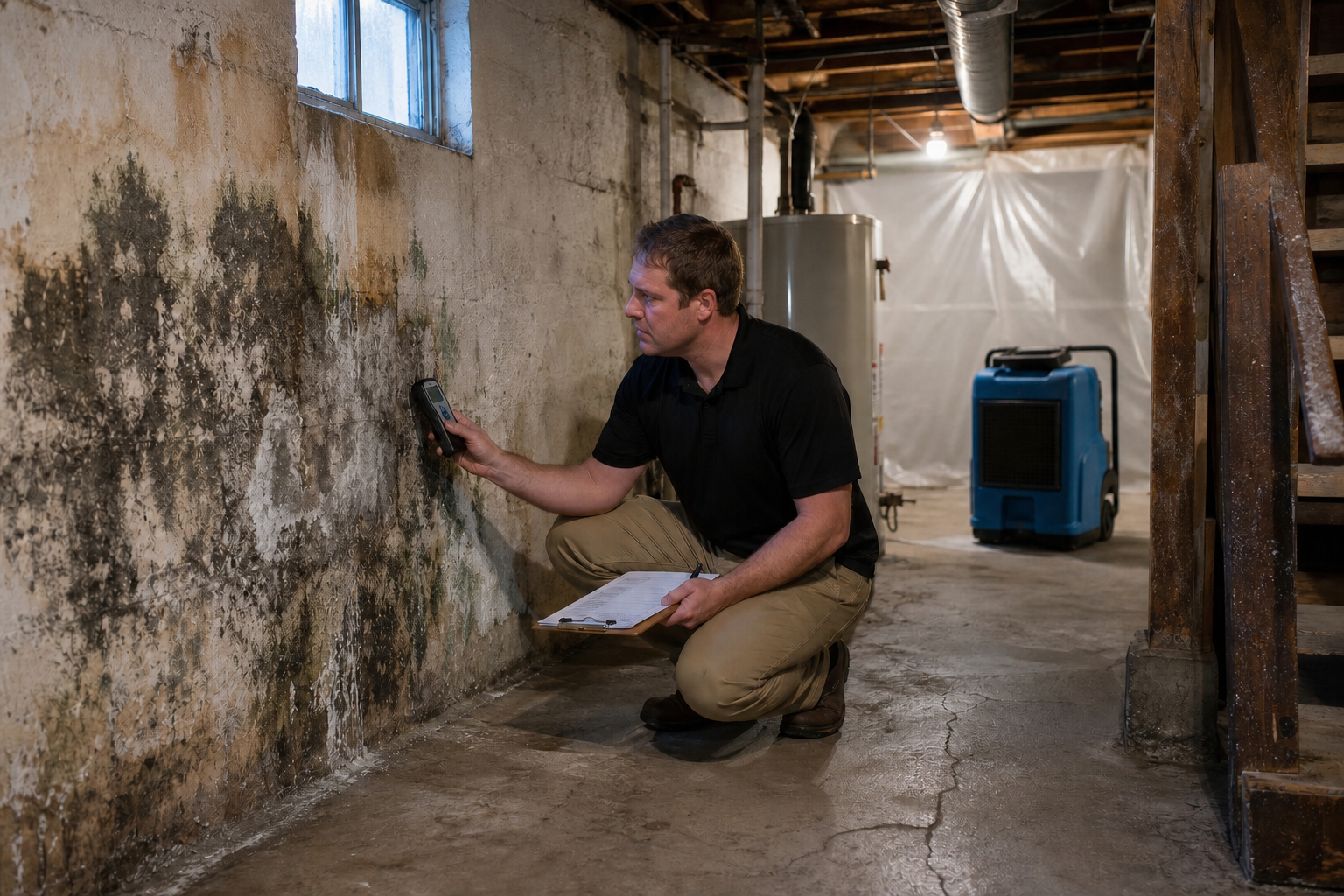
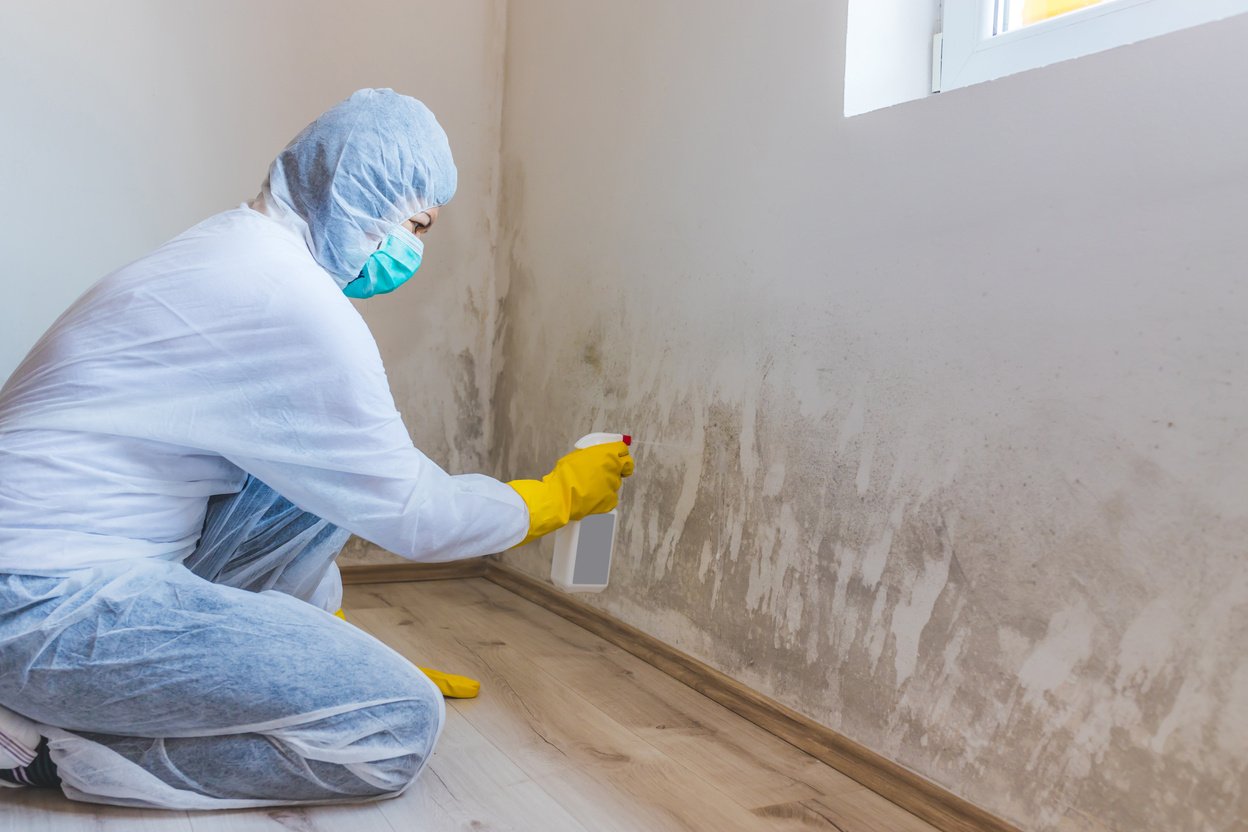
Yes, landlords in New York City are legally responsible for mold remediation in rental properties. Under the New York City Housing Maintenance Code, property owners are required to maintain a safe, sanitary, and hazard-free environment for tenants. This includes the prevention and abatement of mold growth, which is classified as a hazardous condition that landlords must address promptly once they are notified of the issue.
The Legal Framework: Why Landlords Must Act
In New York City, the responsibility for mold remediation is not merely a matter of tenant-landlord courtesy; it is a statutory obligation. The primary mechanism governing this is the Housing Maintenance Code (HMC). Specifically, Local Law 55 of 2018, also known as the "Mold Law," significantly strengthened the city’s ability to hold landlords accountable for indoor mold hazards.
Under these regulations, mold is explicitly categorized as a violation that owners must remedy. The law requires landlords of buildings with three or more units to inspect for and correct mold growth, as well as the underlying moisture problems that cause it. The rationale behind this mandate is public health. Chronic exposure to indoor mold is associated with respiratory issues, allergic reactions, and the exacerbation of asthma, particularly in children and the elderly. Because tenants often lack the authority to perform structural repairs—such as fixing a leaky roof or repairing a faulty plumbing system inside a wall—the law places the burden of remediation squarely on the property owner.
Defining "Mold Remediation" vs. "Cleaning"
It is vital to distinguish between minor housekeeping and professional remediation. A landlord’s duty extends to fixing the source of the mold, not just wiping away surface growth. If a tenant merely cleans mold with bleach, it often returns because the moisture source remains unaddressed.
Legal remediation in NYC involves:
- Identification: Locating the source of moisture (e.g., pipe leaks, roof defects, or poor ventilation).
- Containment: Preventing the spread of mold spores to other parts of the apartment during the repair process.
- Removal: Eliminating the contaminated materials (such as drywall or carpeting) and cleaning non-porous surfaces.
- Correction: Fixing the root cause to ensure the mold does not recur.
Steps to Take When You Discover Mold
If you find mold in your NYC apartment, you must follow a formal process to ensure the landlord is legally obligated to act.
1. Notify Your Landlord in Writing
Verbal communication is insufficient for legal record-keeping. Send a notice via certified mail with a return receipt or through an email that you can save. Clearly state the location of the mold, the suspected cause (if known, such as a water stain or leaking pipe), and request a repair. Keep a log of all interactions and take dated photographs of the affected areas.
2. Allow Access for Inspection
The landlord has a right to inspect the property to verify the condition. You must grant reasonable access during normal business hours to allow them to assess the extent of the work required.
3. Filing a Complaint with 311
If the landlord refuses to address the mold, ignores your request, or performs an inadequate "patch job" that does not fix the underlying leak, you should contact the city. Calling 311 or using the 311 Online portal allows you to file an official complaint with the Department of Housing Preservation and Development (HPD). Once a complaint is filed, an HPD inspector will be dispatched to verify the condition.
4. The Violation Process
If the inspector confirms the existence of a mold hazard, the HPD will issue a Notice of Violation. This legal document mandates that the landlord remediate the mold within a specific timeframe. If the landlord fails to comply, the city can perform the repairs itself and bill the landlord, or impose daily fines until the condition is corrected.
Comparative Responsibilities: Tenant vs. Landlord
| Task Category | Landlord Responsibility | Tenant Responsibility |
|---|---|---|
| Structural Leaks | Required to fix roof, wall, or plumbing leaks. | Notify the landlord immediately upon detection. |
| Ventilation | Maintain bathroom fans/windows to code. | Utilize ventilation and avoid blocking vents. |
| Surface Mold | Remediation if caused by building defects. | Maintain general cleanliness to prevent dust/moisture. |
| Appliances | Repair provided appliances causing leaks. | Avoid damaging appliances through misuse. |
The Role of Local Law 55
Local Law 55 of 2018 was a landmark change for NYC renters. Before this, mold was often treated as a secondary symptom of other plumbing violations. With the passage of this law, mold is treated as a standalone, "Class C" (immediately hazardous) violation in many instances.
The law mandates that owners of buildings with more than 10 apartments must perform an annual inspection for mold. Furthermore, when mold is found, the landlord is prohibited from using simple, unsafe cleaning methods (like just painting over the mold). They are required to use qualified professionals if the moldy area exceeds certain square-footage thresholds, ensuring the health and safety of the residents.
Potential Obstacles and How to Navigate Them
The process is not always straightforward. Landlords may sometimes argue that the mold was caused by a tenant’s lifestyle, such as failing to run a bathroom fan during a shower. While tenants are responsible for general housekeeping, this does not absolve the landlord if the root cause is building maintenance.
If you are facing resistance:
- Gather Evidence: Keep a "paper trail" of all requests for repairs. If you have been forced to discard personal items due to mold damage, take photos of those items before throwing them away.
- Consult Tenant Resources: Organizations such as the Metropolitan Council on Housing or local legal aid societies can provide guidance if the landlord threatens eviction or retaliation for reporting mold.
- Be Wary of "Band-Aid" Repairs: If the landlord sends a superintendent to paint over mold without addressing the leak behind the wall, you are well within your rights to report that the violation has not been properly remediated.
Health and Safety Precautions
While waiting for professional remediation, you should protect yourself. Do not attempt to scrub large areas of mold yourself if you are sensitive to spores. If the mold is widespread, consider using a high-efficiency particulate air (HEPA) filter in your bedroom. Keep the area well-ventilated, but avoid using large fans that might blow spores into other rooms. If you or your family members experience significant respiratory distress, consult a healthcare provider and document these medical issues, as they may become relevant if the legal situation escalates.
Frequently Asked Questions
Can my landlord charge me for mold remediation? No. If the mold resulted from a building-wide issue, a leaky pipe, or exterior moisture ingress, the landlord is entirely responsible for the costs of remediation. They cannot pass this expense on to the tenant.
How long does a landlord have to fix mold in NYC? The timeframe depends on the class of the violation. As a hazardous condition, the HPD typically grants landlords a specific number of days to fix the problem. If they fail to meet this deadline, you can follow up with the HPD to request a re-inspection.
What if my landlord says I caused the mold? The landlord must prove that the mold was caused by your negligence (e.g., leaving a window open during a rainstorm or failing to report a known leak for months). If the mold is located inside a wall or is the result of a structural failure, the responsibility remains with the landlord.
Can I withhold rent to force mold repairs? Withholding rent is a high-risk legal strategy in NYC and is generally discouraged without the explicit guidance of an attorney. You could face an eviction proceeding for non-payment. Instead, use the 311 reporting system and, if necessary, pursue a "HP Action" in Housing Court, which is a legal mechanism to force a landlord to make repairs.
Next Actions for Residents
If you currently have a mold issue, document it thoroughly today. Take high-resolution photos, write down the date the mold first appeared, and send a formal request for repair to your landlord via certified mail. If the issue is not addressed within a reasonable timeframe (usually 24–48 hours for severe cases), call 311 to create an official record. If the mold is causing health issues, consult your doctor and ensure the medical record reflects the presence of mold in your home. Remember, under NYC law, you have a right to a safe home, and the government provides specific channels to enforce that right.