Whether a life insurance company can legally reduce your death benefit or increase your premiums depends entirely on the type of policy you hold and the specific terms outlined in your original contract. While many long-term policies offer guaranteed rates and fixed benefits, certain variations—such as universal or variable life insurance—contain mechanisms that allow for cost adjustments based on market performance, interest rates, and mortality charges.
Understanding the Contractual Foundation of Life Insurance
To determine if your insurer is permitted to change the terms of your policy, you must first distinguish between "guaranteed" and "non-guaranteed" elements of your life insurance plan. The bedrock of any insurance relationship is the policy contract—a legal document that specifies the obligations of both the insurer and the policyholder.
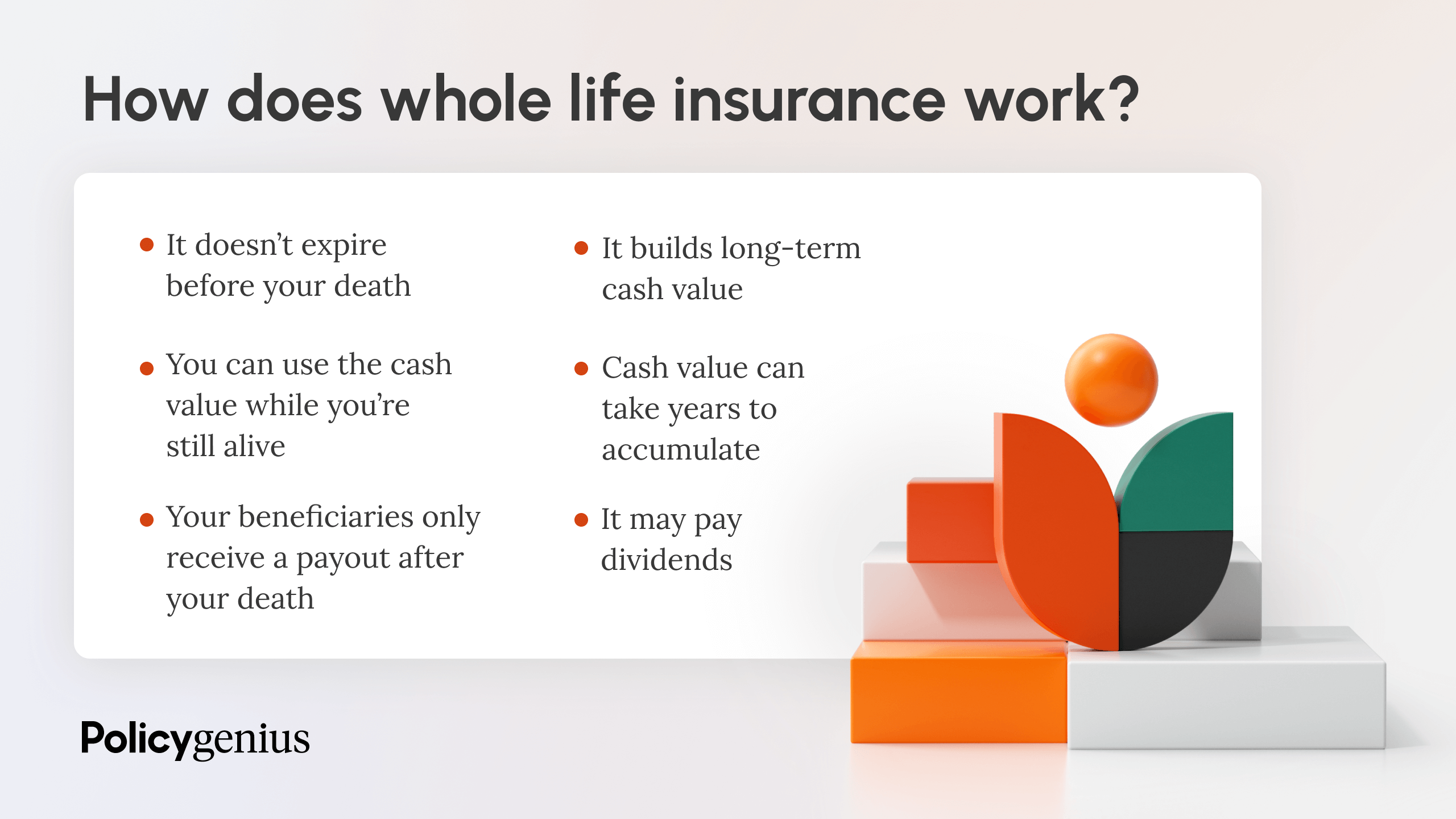
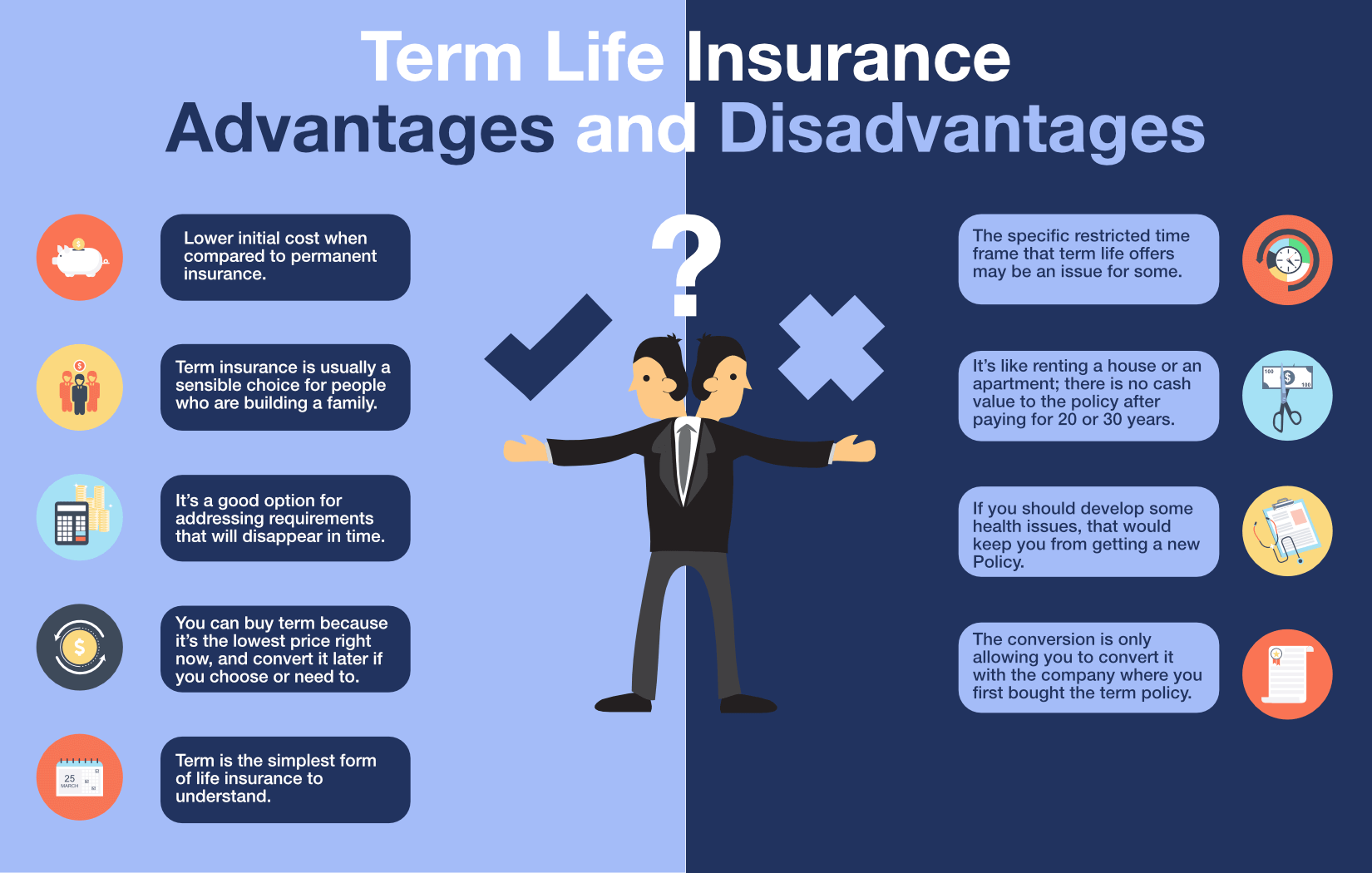
In a guaranteed-level premium policy, such as traditional term life insurance or whole life insurance, the premiums and the death benefit are locked in for the duration of the policy or the life of the insured. In these instances, the company cannot unilaterally raise your rates or decrease your benefit, provided you continue to pay your premiums on time and adhere to the contract.
However, the landscape shifts when dealing with interest-sensitive products. Policies like universal life (UL) or variable universal life (VUL) insurance are designed with flexible components. These policies often split the premium into two parts: one portion covers the cost of insurance (COI), and the other enters an investment-style cash value account. If the cash value account underperforms—due to low interest rates or poor investment returns—the insurer may be contractually permitted to increase the cost of insurance charges. If those charges rise, you are forced to pay higher premiums to keep the policy active or face a reduction in the death benefit if you fail to increase those payments.
Why Premiums Might Rise: The Cost of Insurance (COI)
The "Cost of Insurance" is a technical term representing the actual expense the insurer incurs to cover your risk of death. It is calculated based on your age, health status, and the net amount at risk (the total death benefit minus your current cash value).
In policies with flexible premiums, the insurer has the right to adjust the COI charges within parameters defined in the policy document. This is not arbitrary; it is typically tied to mortality tables and the insurer's actual experience regarding the group of people insured under similar policy types. If the insurance company realizes that it underestimated the cost of insuring a specific block of policies, it may initiate a "cost of insurance increase."
While this sounds like a price hike, the legal framing often characterizes it as an adjustment to the internal fees that keep the policy solvent. Policyholders are usually notified in writing before such an increase takes effect, providing an opportunity to either pay the higher premium or reduce the death benefit to a level that is sustainable under the new cost structure.
Scenarios Where Benefits May Be Lowered
A reduction in benefits is rarely a unilateral action taken by the insurer unless the policyholder defaults on payments or requests a change. However, there are two primary ways a benefit reduction occurs in a managed-risk context:
- Requested Reductions: As a policyholder, you have the right to request a decrease in your death benefit. This is often done to lower premium payments if your financial needs have changed (e.g., children have graduated college, or a mortgage has been paid off).
- Lapsing or Underfunding: If you hold a universal life policy and the cash value drops to zero because of high fees or poor performance, the policy may "lapse." To prevent a total loss, some insurers offer the option to scale back the death benefit, which lowers the required insurance costs and helps keep the policy from terminating entirely.
Comparing Policy Types and Stability
| Policy Type | Premium Stability | Death Benefit Stability | Primary Risk Factor |
|---|---|---|---|
| Term Life | Guaranteed | Guaranteed | Policy expiration |
| Whole Life | Guaranteed | Guaranteed | None (if premiums paid) |
| Universal Life | Variable | Adjustable | Interest rate changes |
| Variable Life | Variable | Adjustable | Market investment losses |
Legal and Regulatory Protections
Insurance companies are heavily regulated at the state level by departments of insurance (DOI). These agencies enforce strict rules regarding how and when companies can modify policies.
Even if a contract allows for a premium increase, the company cannot perform this action discriminatorily. They cannot increase your rates specifically because you developed a chronic illness or because they simply want to earn more profit. Any increase in COI charges must typically be applied to an entire "class" of policyholders—a group sharing the same policy type, age, and risk profile.
If you suspect your insurance company has raised your rates in violation of your contract, the first step is to request a formal explanation of the "cost of insurance adjustment." Regulatory bodies require insurers to provide transparency regarding these shifts. If the explanation does not align with your contract, you may file a complaint with your state’s department of insurance.
Evaluating Your Policy Documentation
To resolve any ambiguity regarding your specific coverage, you must conduct a thorough audit of your policy documents. Look specifically for the following:
- The "Guaranteed Maximums" Table: Most flexible premium policies include a table that explicitly states the maximum cost of insurance charges the company can ever assess. They cannot legally exceed these capped rates.
- The "Non-Guaranteed Elements" Section: This section explains how interest rates or company expenses may impact your premiums or death benefit.
- The "Notice of Change" Provision: Understand the timeframe the insurer must give you before a price change is implemented. Usually, this is 30 to 90 days.
Common Misconceptions
A frequent point of confusion for consumers is the difference between "premium increases" and "interest rate sensitivity." Many policyholders purchase universal life insurance under the assumption that the interest credited to their cash value will always be high enough to cover the COI. When market interest rates drop, the credited interest decreases, and the internal costs begin to consume the cash value. When policyholders receive a notice that their premium must increase, they often mistake this for a company price hike, when in reality, the company is merely adjusting the payments required to offset the lower internal investment performance.
Practical Steps to Protect Your Coverage
If you are worried about rising costs or reduced benefits, consider these proactive measures:
- Request an In-Force Illustration: Contact your insurance agent or the company's customer service department and ask for an "in-force illustration." This is a report that shows exactly how your policy is performing today and what your premiums and death benefits will look like in the future based on current assumptions.
- Review the "Grace Period" Policy: If you are struggling to pay a higher premium, understand the grace period—the window of time you have to make a late payment before the policy lapses.
- Consult a Financial Advisor: If your policy is underperforming, an advisor can help you determine if you should "dump" more money into the cash value to stabilize the policy or if you should seek a replacement policy with more predictable, guaranteed features.
- Verify Licensing: Ensure that the agent who sold you the policy was authorized to operate in your state, as this can affect your ability to seek recourse through state guaranty associations if the company faces insolvency.
Frequently Asked Questions
Can an insurance company change the terms of my policy after I have already signed it? Generally, no. The terms of your policy are legally binding from the date of issue. The company cannot unilaterally change the core promises of the contract. However, they can exercise "right-to-adjust" clauses that were already written into the contract you signed, particularly regarding variable costs in universal or variable life plans.
What happens to my death benefit if I stop paying premiums? In most cases, if you stop paying premiums, the policy will enter a grace period and then lapse, resulting in the loss of your death benefit. However, if you have built up enough cash value, some policies may automatically use that cash value to pay the premiums for you until the funds are exhausted.
Is there a way to lock in my current premium? If you have a flexible premium policy, you may be able to overfund the account (pay more than the minimum) to build up a "cushion" of cash value. This can help cover future increases in the cost of insurance, effectively shielding you from needing to increase your out-of-pocket premium payments.
Does a state insurance guaranty association protect me if my insurance company goes bankrupt? Yes, most states have guaranty associations that provide a safety net for policyholders if an insurance company becomes insolvent. These associations typically cover death benefits up to a specific dollar limit, though the specifics vary by state and policy type.
Next Steps for Policyholders
If you have received notice of a premium increase, do not ignore it. Immediately request the aforementioned in-force illustration to see how long your current payment strategy will sustain the policy. If the increase makes the policy unaffordable, discuss "benefit reduction options" with your agent. By lowering the death benefit intentionally, you may be able to avoid a catastrophic lapse and maintain at least some level of life insurance protection for your beneficiaries. If you feel the increase is unjust or does not match the terms of your contract, gather your documentation and contact your state’s insurance commissioner’s office to verify if the company's actions comply with local regulations.