In New Mexico, life insurance death benefits are generally not considered taxable income for the beneficiary, regardless of whether the policyholder resided in the state at the time of death. Federal law governs the taxation of these proceeds, and New Mexico tax statutes typically mirror these federal exclusions, ensuring that beneficiaries receive the full death benefit amount without a state-level income tax burden.
Understanding the Federal Foundation of Life Insurance Taxation
To comprehend the tax treatment of life insurance in New Mexico, one must first understand that the primary authority regarding the income tax status of life insurance death benefits is the Internal Revenue Code (IRC). Under Section 101(a)(1) of the Internal Revenue Code, amounts received under a life insurance contract, if paid by reason of the death of the insured, are excluded from the gross income of the beneficiary.
Because New Mexico calculates its personal income tax based on the federal adjusted gross income (AGI), any income excluded from federal taxes is effectively excluded from New Mexico state taxes as well. Unless specific state-level modifications exist—which is not the case for standard death benefit payouts—the federal rule acts as the definitive guide for taxpayers in the Land of Enchantment. Whether you are a resident of Albuquerque, Las Cruces, or Santa Fe, the tax-free status of these proceeds remains consistent under current federal and state integration.
The Role of Beneficiaries and Lump-Sum Distributions
In the vast majority of cases, life insurance policies are structured to pay a lump sum to a named beneficiary. When this happens, the payout is considered a tax-free transfer of wealth. It is important to distinguish between the principal benefit amount and any interest that may accrue after the death of the insured.
If the beneficiary elects to leave the death benefit proceeds with the insurance company for a period of time, the company will typically pay interest on that balance. While the principal death benefit remains tax-free, the interest earned on that sum is considered taxable income. This interest is reportable to the Internal Revenue Service (IRS) and, subsequently, the New Mexico Taxation and Revenue Department. Beneficiaries should watch for Form 1099-INT from the insurance carrier, which details the taxable interest earned during the tax year.
Potential Exceptions: When Taxation Might Occur
While the death benefit is usually exempt from income tax, there are specific, albeit uncommon, scenarios where taxes may become a factor. Being aware of these circumstances is crucial for effective estate planning and financial literacy.
The Transfer for Value Rule
If a policy is sold to another party for "valuable consideration"—such as money or property—the portion of the death benefit that exceeds the purchase price plus any subsequent premiums paid by the new owner may become taxable. This rule is designed to prevent the tax-free status of life insurance from being used as an investment vehicle for speculative purposes. If you are an heir to a policy that was transferred or sold, it is highly recommended to consult with a tax professional to determine if you are subject to this specific provision.
Estate Tax Considerations
It is vital to distinguish between "income tax" and "estate tax." New Mexico does not currently impose a state-level estate tax or inheritance tax. However, at the federal level, if the deceased owned the policy at the time of their death—or if they held "incidents of ownership" such as the right to change beneficiaries or borrow against the policy—the proceeds may be included in the taxable estate of the deceased. While the beneficiary themselves does not pay income tax, the estate itself may exceed federal exemption thresholds, necessitating complex legal maneuvering by the executor.
Comparing Life Insurance Tax Scenarios
To clarify how different aspects of a life insurance policy interact with the tax code, the table below provides a breakdown of common scenarios.
| Scenario | Taxable for Beneficiary (Income Tax) | Notes |
|---|---|---|
| Standard Lump-Sum Death Benefit | No | Generally tax-free under IRC Section 101(a). |
| Interest Earned on Payout | Yes | Any interest accrued after the date of death is taxable. |
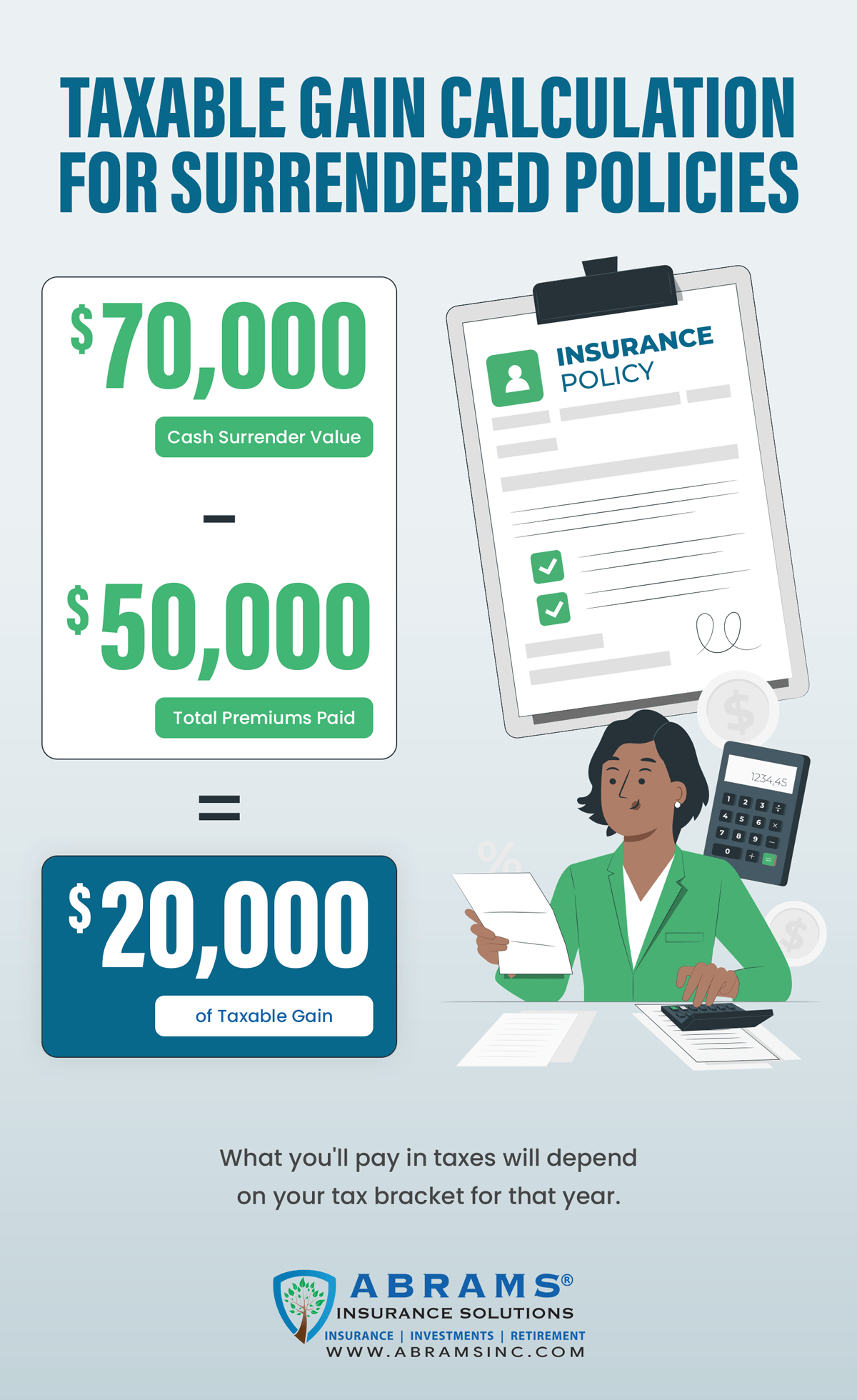
| Surrender of Policy during Lifetime | Partial | Only the gains exceeding the total premiums paid are taxable. |
| Sale of Policy (Transfer for Value) | Possible | Taxable portion depends on purchase price and premiums paid. |
| Dividends from Life Insurance | Partial | Generally tax-free unless they exceed the total premiums paid. |
Practical Steps for Beneficiaries in New Mexico
If you have recently become a beneficiary of a life insurance policy, the process of claiming the benefit is generally straightforward, but there are necessary steps to ensure you remain compliant with tax regulations.
- Obtain Certified Copies of the Death Certificate: The insurance company will require one or more original, certified copies of the death certificate to process the claim.
- Contact the Insurance Carrier: Reach out to the policy administrator or the insurer’s claims department. Most major carriers have dedicated portals to initiate the claims process.
- Review the Beneficiary Designation: Ensure that you are indeed the named beneficiary. If there is a dispute or if the beneficiary is an estate, the process may involve legal intervention.
- Inquire About Payout Options: Understand the difference between receiving a lump sum and choosing a settlement option. If you opt for an annuity or an interest-bearing account, clarify how the interest will be reported on your taxes.
- Maintain Documentation: Keep a record of the communication with the insurance company, the original policy documents, and any tax forms (like 1099s) you receive in the years following the payout.
Common Pitfalls and Misconceptions
One of the most frequent misconceptions is the confusion between "taxable income" and "taxable estate." A common fear is that the IRS or the state of New Mexico will take a "cut" of the death benefit payout. In practice, the death benefit payout is treated as a transfer of assets rather than a source of income.
Another common error involves failing to report interest. If a beneficiary leaves $200,000 in an interest-bearing account with the insurer for three years, that interest accrues annually. Beneficiaries sometimes incorrectly assume that because the original benefit was tax-free, everything associated with that account is tax-free. Always ensure that any generated interest is included in your annual state and federal tax returns.
The Impact of Policy Withdrawals During the Policyholder's Lifetime
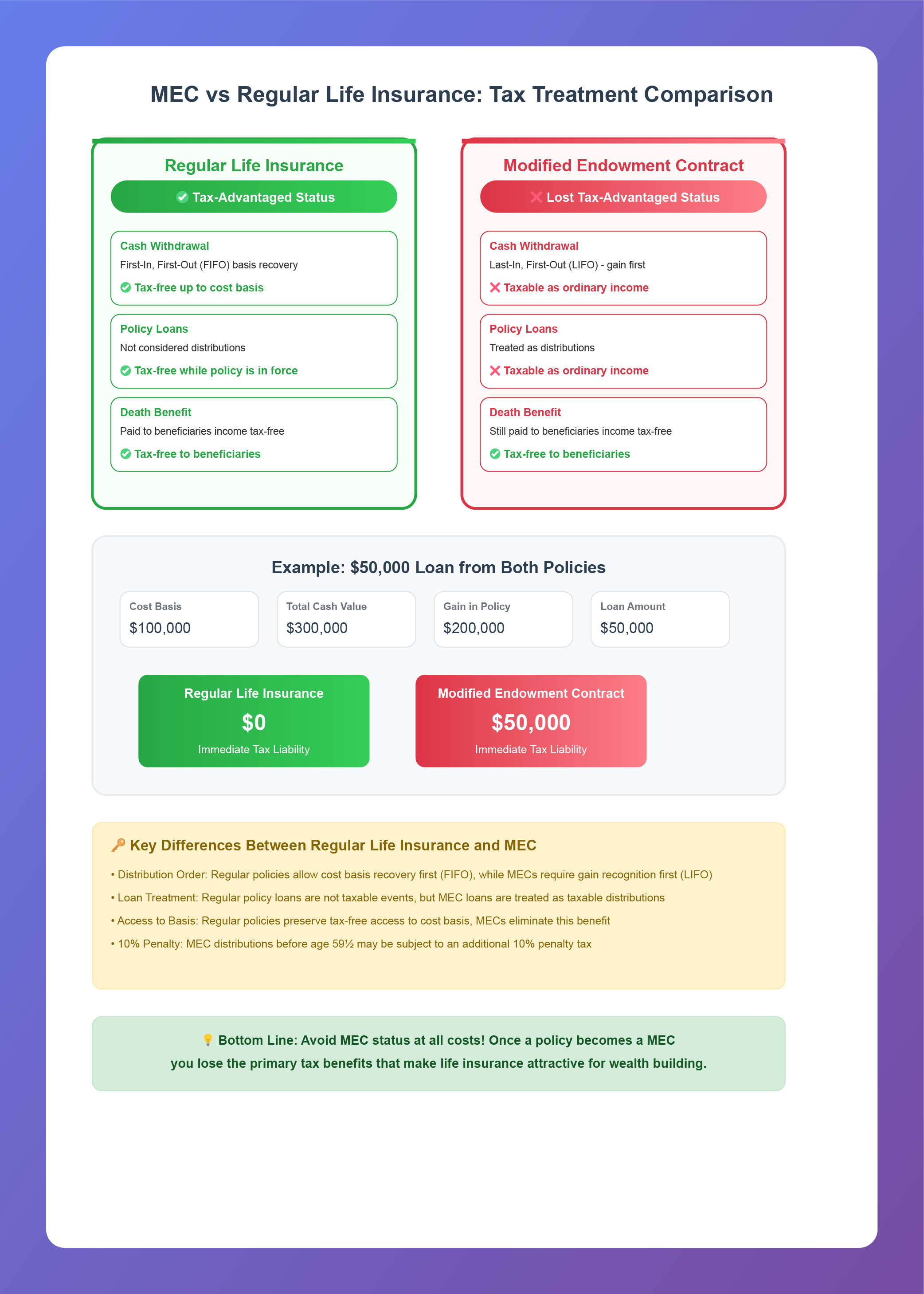
If the owner of the policy takes a loan against the policy or withdraws cash value while they are still alive, the tax implications differ significantly from the death benefit. These are known as "living benefits." Generally, withdrawals are taxed on a "cost-recovery" basis. This means you can withdraw up to the total amount of premiums you have paid into the policy without owing income tax. Any amount withdrawn above that total is considered a gain and is subject to ordinary income tax rates. It is crucial for policyholders in New Mexico to track their "basis"—the total premiums paid—to avoid unexpected tax liabilities during the lifetime of the policy.
Seeking Professional Financial Guidance
While this guide provides a foundation for understanding the tax landscape of life insurance in New Mexico, financial regulations can be nuanced. If you are dealing with a high-value policy, a complex estate, or a policy that has been sold or transferred, professional guidance is essential. A Certified Public Accountant (CPA) or a qualified tax attorney specializing in estate law can provide advice tailored to your specific financial situation.
In 2026, the tax laws remain stable regarding life insurance benefits. However, always verify that your understanding is based on current statutes, as legislative changes at the federal level could impact how New Mexico conforms its tax code.
Frequently Asked Questions
Do I need to report the life insurance death benefit on my New Mexico state tax return?
No. Because the death benefit is excluded from your federal gross income, it is not included in the calculation of your New Mexico state taxable income. You do not need to report the principal amount as income on your state return.
Is the interest earned on a death benefit taxable in New Mexico?
Yes. If you choose to keep the proceeds with the insurance company and they accrue interest, that interest is considered taxable income. You must report this interest to both the IRS and the state of New Mexico on your income tax returns.
Are there inheritance taxes in New Mexico that would affect my payout?
No. New Mexico does not have an inheritance tax or a state estate tax. You will not owe state-level taxes on the receipt of life insurance proceeds, regardless of the size of the benefit.
What happens if the policyholder resided in a different state?
Life insurance taxation is generally determined by federal tax law and the tax laws of the state where the beneficiary resides. If you reside in New Mexico, New Mexico state law applies to how you report your income, but the overarching federal tax exclusion for life insurance remains constant across the United States.
Do I need a lawyer to receive my life insurance benefits?
In most cases, no. If you are the named beneficiary, you simply provide the death certificate and the claim form to the insurance company. Legal counsel is typically only required if there is a dispute regarding the beneficiary designation, an issue with the estate, or complex tax implications involving the transfer of the policy.
Conclusion and Next Actions
In summary, for the vast majority of New Mexicans, life insurance death benefits are a tax-free financial lifeline. The primary rule is that the principal amount of a death benefit is not subject to income tax. As a next step, if you have recently become a beneficiary, confirm the specific payout terms with your insurer. If you are a policyholder concerned about the tax impact of future withdrawals or estate planning, maintain meticulous records of your premium payments and consult with a qualified financial advisor to ensure your legacy strategy aligns with both your goals and current tax laws.