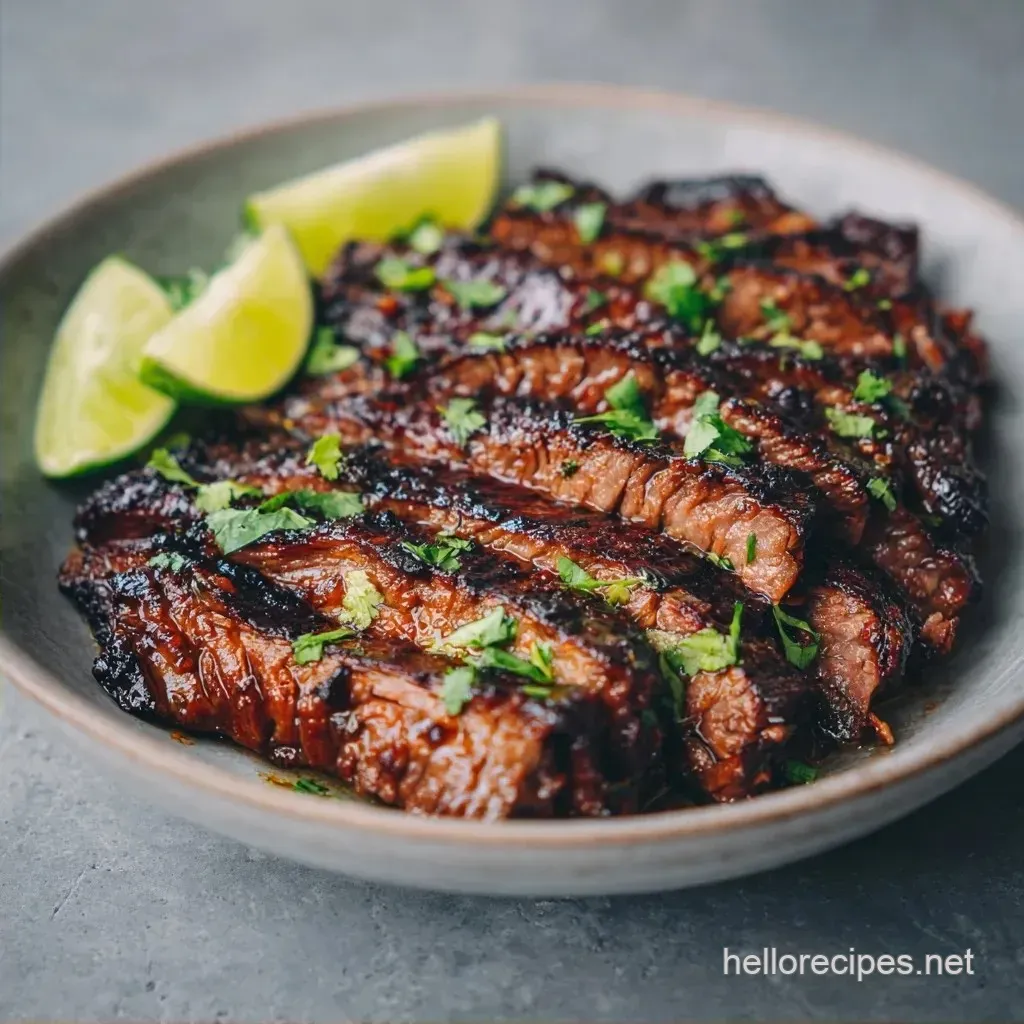
Asian skirt steak is a flavorful, thin, and highly prized cut of beef known for its deep, intense meaty profile and ability to absorb complex marinades. Characterized by its loose muscle fibers and rich marbling, this cut thrives under high-heat cooking methods such as searing or grilling, making it a staple in Southeast and East Asian cuisines.
Understanding the Anatomy of Skirt Steak
To master skirt steak, one must first understand its place in the anatomy of the steer. Skirt steak originates from the plate section of the cow, specifically the diaphragm muscles. There are two distinct types of skirt steak: the "inside" skirt and the "outside" skirt.
The outside skirt is generally considered the superior cut, as it is slightly thicker and more uniform in shape. However, in most retail environments, the inside skirt is the more common variety encountered by home cooks. Both varieties are defined by their pronounced, grain-heavy structure. Unlike a filet mignon or a ribeye, which are prized for their tenderness, the skirt steak is prized for its "beefy" intensity. Its coarse texture is actually an advantage in Asian-style preparations, as the deep grooves and long fibers act as channels to carry savory sauces, soy-based glazes, and spicy aromatics deep into the meat.
Why Asian Flavor Profiles Enhance Skirt Steak
The synergy between the robust nature of skirt steak and the flavor profiles of Asian cuisine is no accident. Asian culinary traditions—particularly those from Japan, Korea, China, and Vietnam—frequently employ ingredients that tenderize tough proteins while amplifying their natural richness.
The high iron content in skirt steak requires punchy, acidic, or fermented components to balance the palate. Soy sauce provides the necessary salinity, while mirin or brown sugar introduces sweetness that caramelizes beautifully under high heat. Aromatics such as ginger, garlic, and scallions are essential, as they cut through the significant fat content of the cut. Furthermore, the use of acidic agents—such as rice vinegar, citrus juices (like yuzu or lime), or even the enzymes found in grated Asian pear—serves to break down the connective tissue, resulting in a more pleasant mouthfeel without sacrificing the steak’s signature chew.
Essential Prerequisites for Preparation
Before you begin cooking, ensuring the meat is prepared correctly is as critical as the recipe itself. Because skirt steak is naturally fibrous, failure to manage its physical structure will result in a tough, unappealing meal.
- Trimming: Always check for excessive silver skin or tough connective tissue on the surface. While the fat within the muscle provides flavor, thick ribbons of connective tissue should be carefully trimmed away with a sharp boning knife.
- Portioning: Skirt steak often comes in very long, uneven strips. Cut the steak into manageable segments that fit comfortably in your pan or on your grill rack. Ensure these segments are cut across the grain if possible, or at least oriented so that the final slicing process will be intuitive.
- The Marinade Window: Because of the loose grain, skirt steak does not need to marinate for extended periods. A soak of 30 minutes to two hours is sufficient. Over-marinating, especially in highly acidic mixtures, can turn the texture mushy rather than tender.
Comparative Analysis: Skirt Steak vs. Flank Steak
Many home cooks confuse skirt steak with flank steak, but understanding the difference is essential for recipe success.
| Feature | Skirt Steak | Flank Steak |
|---|---|---|
| Origin | Diaphragm muscle | Abdominal muscles |
| Texture | Coarse, loose grain | Tighter, leaner grain |
| Fat Content | Higher (richer flavor) | Lower (briefer, cleaner taste) |
| Cooking Speed | Fast (high heat) | Moderate (medium heat) |
| Best Application | Stir-fry, quick searing | Grilling, fajitas, thin slicing |
While flank steak is a suitable substitute in many recipes, it lacks the intense, buttery fat content of the skirt. If you substitute flank for skirt, consider increasing the amount of fat (such as toasted sesame oil) in your marinade to compensate for the lower lipid content.
The Art of the Searing Process
The goal when cooking Asian skirt steak is to achieve a dark, savory crust (the Maillard reaction) while keeping the interior medium-rare to medium. Because the cut is thin, this must happen rapidly.
Using a cast-iron skillet or a well-seasoned carbon steel wok is recommended. These materials hold heat effectively, allowing for an immediate sear upon contact. Ensure the pan is smoking hot before adding the steak. Pat the meat dry with paper towels before it touches the heat; surface moisture is the enemy of a good crust. Once the steak is in the pan, resist the urge to move it for at least 60 to 90 seconds. Flip it once, cook for another minute, and immediately remove it from the heat.
The Importance of Slicing Across the Grain
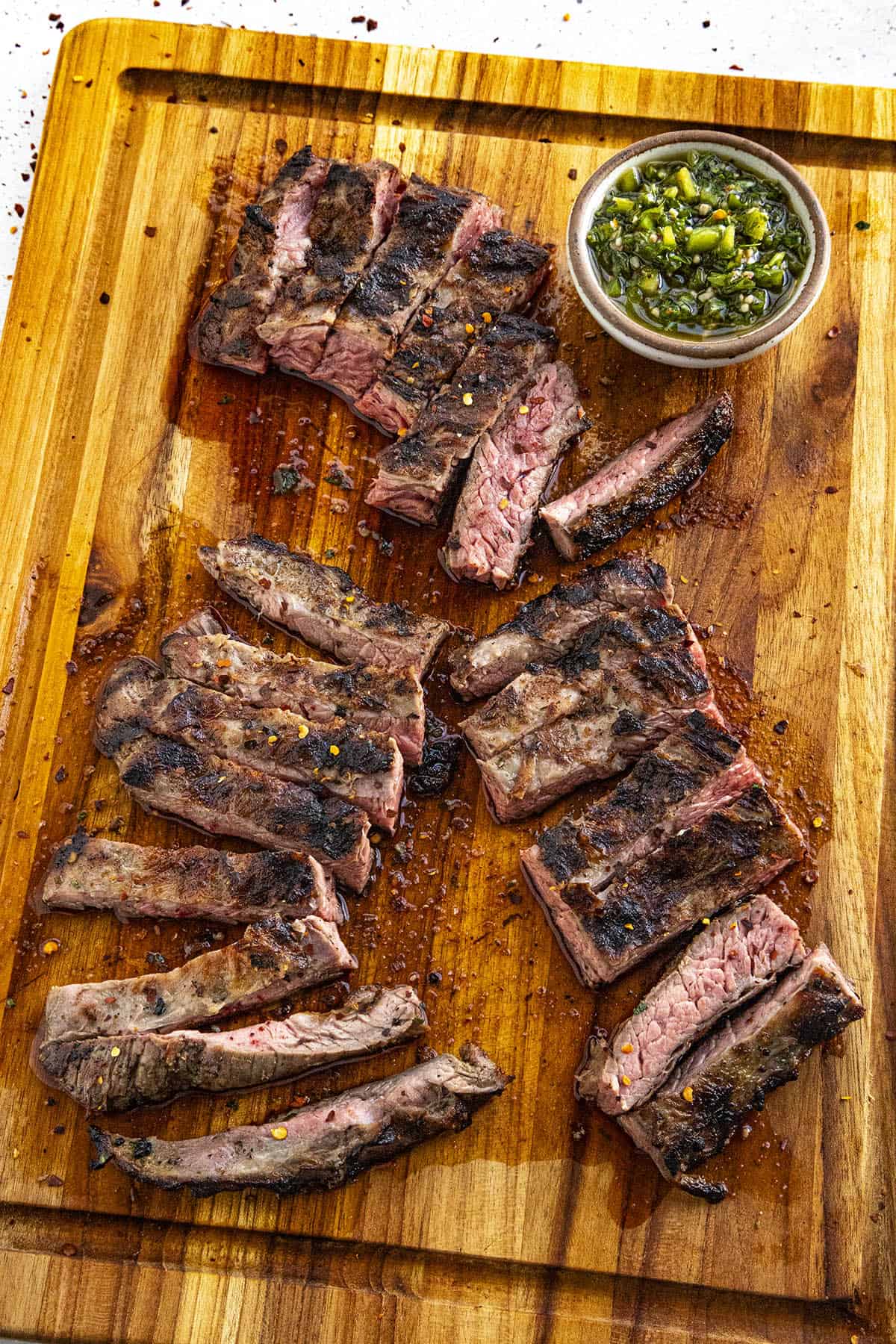
The most frequent mistake made with skirt steak—and the primary reason for complaints about toughness—is incorrect slicing. Because the muscle fibers of the skirt run in long, parallel lines, you must slice the steak perpendicular to these fibers.
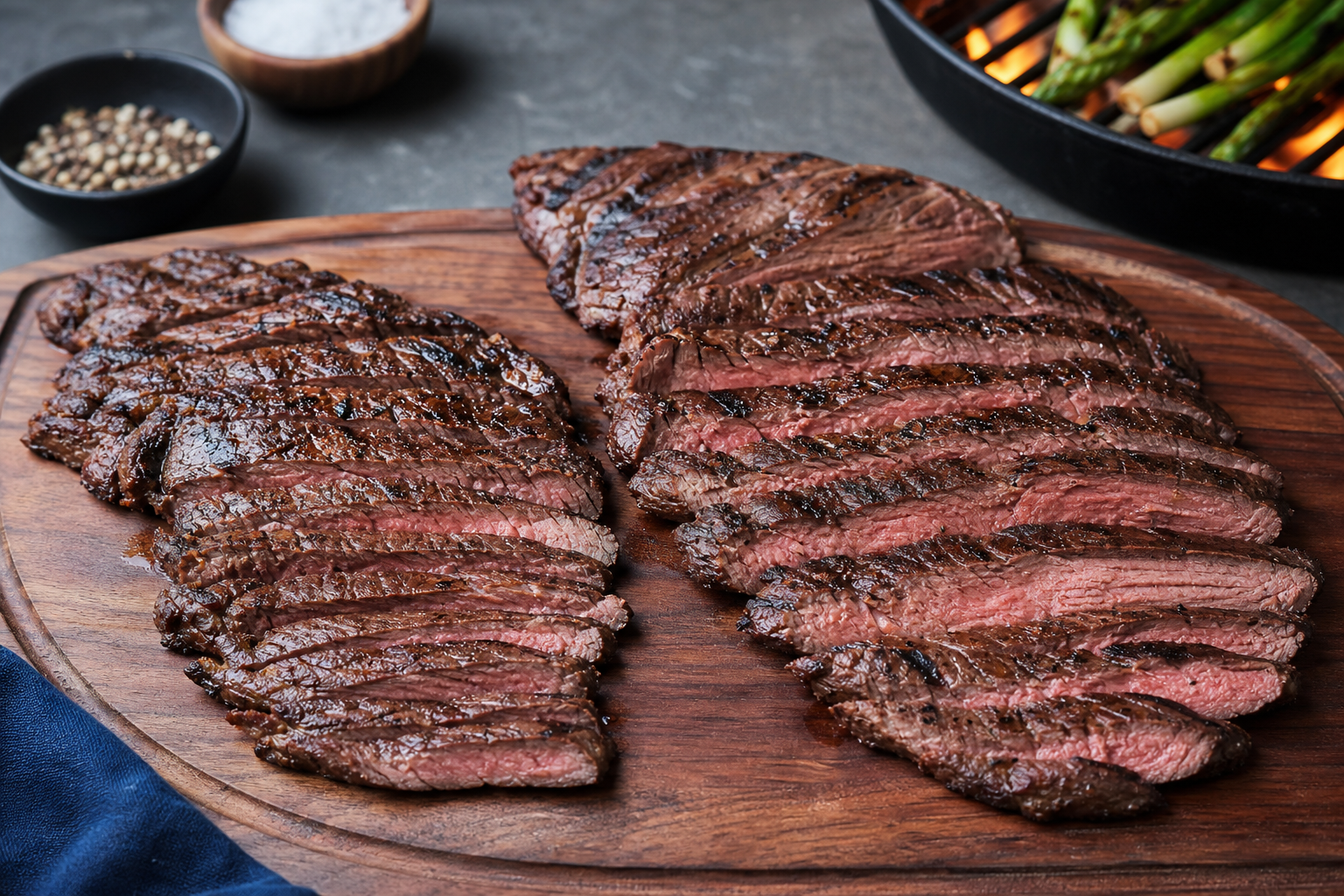
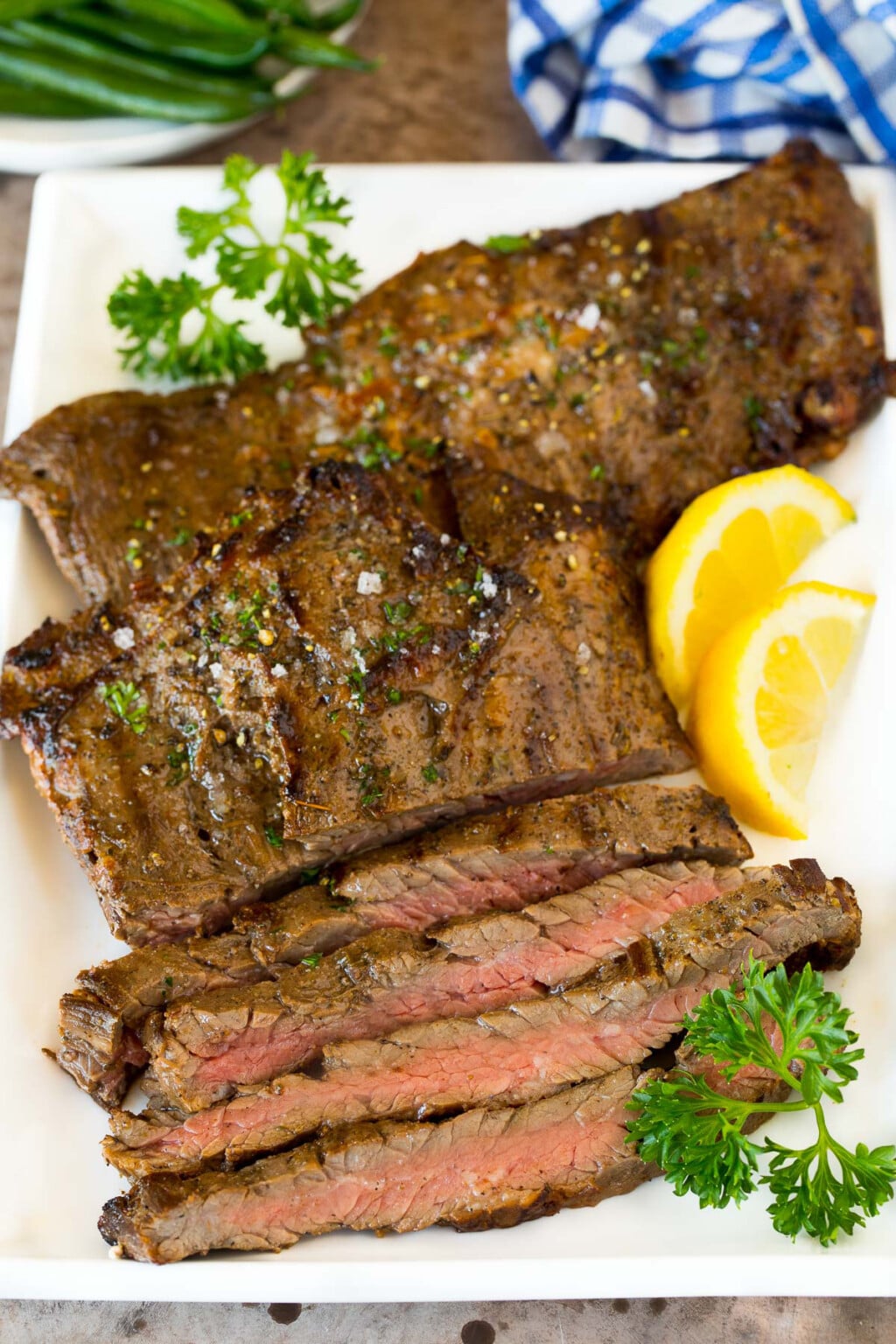
When you slice across the grain, you are physically shortening the muscle fibers, which makes each bite significantly easier to chew. After the steak has rested for at least 5 to 10 minutes—a mandatory step to allow the juices to redistribute—place it on a cutting board. Locate the direction of the fibers, turn your knife 90 degrees, and slice thinly. Thin, biased cuts are the professional standard for Asian stir-fries and rice bowls, ensuring every mouthful is tender and perfectly coated in sauce.
Integrating the Cut into Asian Dishes
Once the steak is seared and sliced, it can be integrated into a wide variety of dishes:
- Korean-Inspired Beef Bowls: Serve the sliced steak over steamed short-grain rice with a side of kimchi, pickled radishes, and a drizzle of gochujang-based sauce.
- Stir-Fried Noodles: Toss the steak into a wok with fresh udon or chow mein noodles, bok choy, and a high-heat splash of oyster sauce and shaoxing wine.
- Vietnamese Beef Salad: Allow the seared, cooled steak to sit atop a bed of fresh herbs, vermicelli noodles, and shredded carrots, dressed with a bright nuoc cham vinaigrette.
Common Mistakes and Troubleshooting
Problem: The meat is gray and watery instead of seared. Cause: The pan was not hot enough, or the meat was wet when it entered the pan. Fix: Use an infrared thermometer to ensure your cooking surface is at least 450°F (232°C). Always pat the meat dry.
Problem: The steak is chewy despite slicing across the grain. Cause: The cut was overcooked. Fix: Skirt steak toughens significantly once it passes medium doneness. Aim for a target internal temperature of 130°F (54°C) to 135°F (57°C) and pull it off the heat promptly.
Problem: The marinade is too salty. Cause: Using too much soy sauce or miso without enough balancing sweetness or liquid. Fix: Dilute the marinade with water, coconut water, or pineapple juice. Pineapple juice also contains bromelain, which acts as a natural meat tenderizer.
Expert Guidance on Sourcing
When shopping in 2026, look for skirt steak at high-end butcher shops or specialized Asian grocers. In standard supermarkets, it is often pre-packaged and might be labeled "fajita meat," which is frequently lower quality or improperly trimmed. An "outside" skirt steak, if requested, will provide a superior culinary experience compared to the standard vacuum-sealed, inside skirt cuts found in many chain retailers. Look for deep red color and white, firm fat. Avoid any meat that appears brownish or has an iridescent sheen, which indicates oxidation or poor storage conditions.
Frequently Asked Questions
1. Can I use a slow cooker for skirt steak? No. Skirt steak is designed for high-heat, rapid cooking. Because it lacks the collagen-rich connective tissue found in tougher cuts like brisket or chuck, slow cooking will result in a dry, stringy, and ultimately disappointing texture.
2. What is the best way to handle the "skirt" fat? The fat on a skirt steak is rich and flavorful. Unlike the hard, external fat on a brisket, the fat on a skirt steak should be rendered. If you find large, thick clumps of exterior fat, trim them, but keep the intramuscular marbling, as this contributes to the tenderness.
3. Is it necessary to use a meat mallet on this cut? Generally, no. If you slice it correctly across the grain, the natural texture is perfectly acceptable. If you prefer a thinner, "snack-like" texture, you can lightly pound it, but be careful not to shred the meat.
4. How long can I keep raw skirt steak in the refrigerator? Raw steak should be consumed or frozen within 2 to 3 days of purchase. Keep it in the coldest part of your refrigerator, typically the bottom shelf, to maintain temperature stability.
5. Why is my skirt steak so spicy? Asian marinades often incorporate ginger, garlic, and dried chilies. If you are sensitive to heat, reduce the quantity of chili flakes or peppercorns, as these flavors intensify as they penetrate the porous muscle fibers of the skirt steak.
Next Steps for the Home Chef
To truly appreciate the versatility of Asian-style skirt steak, begin by preparing a simple "Bulgogi-style" marinade: whisk together equal parts soy sauce and grated Asian pear, a tablespoon of sesame oil, and a generous amount of minced garlic. Marinate your skirt steak for one hour, sear it in a smoking hot pan, and serve it thinly sliced over a warm bowl of jasmine rice. This approach highlights the cut’s inherent flavor profile while demonstrating the effectiveness of proper seasoning and heat control. As you gain confidence, experiment with different regional flavor profiles, such as the citrus-heavy notes of Japanese ponzu or the fiery, numbing heat of Sichuan peppercorns, to unlock the full potential of this exceptional cut.