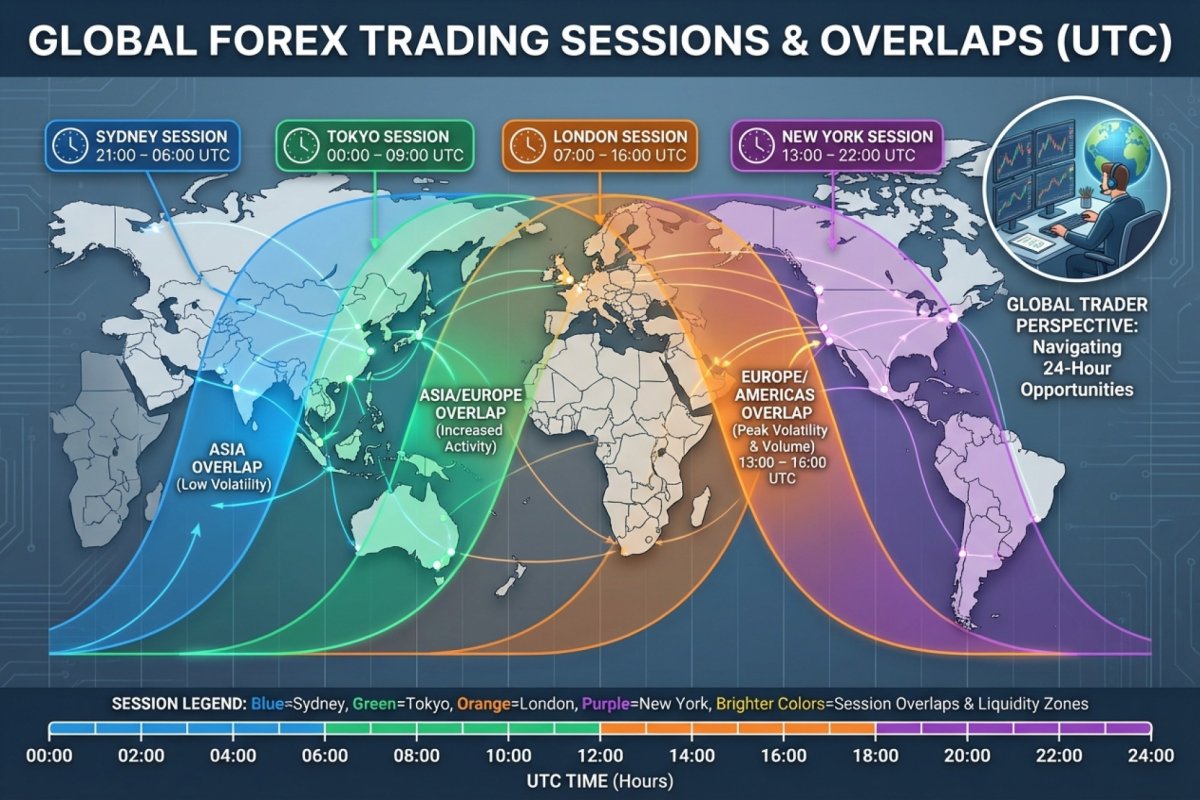
The Asian session time, frequently referred to as the Tokyo session, typically spans from 00:00 to 09:00 UTC. It serves as the opening chapter of the daily global foreign exchange cycle, characterized by the participation of major financial hubs including Tokyo, Singapore, Hong Kong, and Sydney. This period is pivotal for traders focusing on liquidity in JPY-based currency pairs and regional economic news flow.
The Mechanics of Global Market Sessions
Global financial markets operate on a 24-hour cycle facilitated by a series of overlapping sessions across different time zones. The Asian session is widely regarded as the first major window of activity following the weekend closure. While the concept of a "session" is somewhat fluid due to electronic communication networks (ECNs) that allow 24-hour trading, historical market concentration defines the Asian session by the operational hours of the world's most significant Eastern financial centers.
Defining the Window
While local business hours in Tokyo commence around 09:00 JST, the "Asian session" in technical trading terminology generally encompasses the broader activity of the Asia-Pacific region. Because Sydney (Australia) begins trading earlier than Tokyo, many traders categorize the session as beginning when the Australian markets open.
- Standardized Timing: Most trading platforms and market analysts define the Asian session as starting at 00:00 UTC and concluding at 09:00 UTC.
- The Sydney Influence: The overlap with the Sydney market (often starting around 22:00 UTC on the previous day) provides the initial liquidity before the Tokyo markets fully come online.
- Regional Hubs: Tokyo remains the primary anchor, but Singapore and Hong Kong play crucial roles, especially during the middle and latter parts of the session.
Liquidity and Volatility Profiles
Compared to the London or New York sessions, the Asian session is historically known for lower volatility. Since the major financial institutions in Europe and North America are closed, the total volume of capital circulating through the markets is reduced. This lower volume can occasionally lead to "thin" markets, where price action is more susceptible to abrupt shifts caused by central bank interventions or significant regional economic data releases.
Core Characteristics of Trading During Asian Hours
For participants in the forex and commodities markets, the Asian session offers specific strategic opportunities and inherent risks. Understanding these nuances is essential for managing portfolios effectively.
JPY-Centric Trading
Because the Japanese Yen is the primary currency of the region, the Asian session is the most natural time to trade pairs such as USD/JPY, EUR/JPY, and GBP/JPY. Institutional flows from Japanese exporters and asset managers often dominate the early hours of the session. Traders often monitor the "Tokyo Fix"—a reference rate established by major Japanese banks—as it can trigger significant price movements in yen-denominated pairs.
Breakout and Range-Bound Strategies
Due to the lower volatility characteristic of this window, many automated trading systems and technical traders focus on range-bound strategies. When the market is not dominated by the heavy volume of the London or New York opens, prices tend to consolidate within defined support and resistance levels. Conversely, the end of the Asian session—when it begins to overlap with the opening of the European markets—often witnesses an increase in momentum, which traders utilize for breakout strategies.
Comparison of Global Trading Sessions
| Session | Typical UTC Window | Primary Focus | Volatility Profile |
|---|---|---|---|
| Asian | 00:00 – 09:00 | JPY Pairs, AUD, NZD | Low to Moderate |
| European | 07:00 – 16:00 | EUR, GBP, CHF | High |
| US | 13:00 – 22:00 | USD, CAD, Commodities | High |
Strategic Considerations for Market Participants
Successfully navigating the Asian session requires a departure from the strategies employed during the high-volatility sessions of London and New York. The constraints of liquidity and the specific nature of news releases during these hours necessitate a structured approach.
The Impact of Economic Calendars
Data releases from Japan, China, Australia, and New Zealand are the primary drivers of price action during the Asian session. Economic indicators such as the Tankan Survey (Japan), trade balance figures from China, and the Reserve Bank of Australia’s (RBA) interest rate decisions can generate significant short-term movement. Traders must be aware that because liquidity is thinner, these news events can cause "slippage"—where an order is filled at a price different from what was intended—due to a lack of immediate counterparty depth.
Managing Risk in Thin Markets
Risk management during the Asian session should account for the potential for wider bid-ask spreads. During periods of lower liquidity, market makers may widen spreads to protect themselves against unexpected volatility.
- Monitor Spread Fluctuations: Be aware that trading costs may be higher during the quiet hours between midnight and 02:00 UTC.
- Avoid Over-Leveraging: Given that technical patterns may be less reliable due to lower volume, traders should consider reducing their position sizes.
- Cross-Session Awareness: Recognize that the final hours of the Asian session (07:00–09:00 UTC) serve as a bridge to the European opening. This is often when the market "wakes up," and volatility patterns shift rapidly.
Common Challenges and Troubleshooting
Traders often encounter difficulties when transitioning their strategies from the volatile US session to the Asian session. Recognizing these issues early can prevent common errors.
The "False Breakout" Trap
In the quiet environment of the Asian session, prices may drift outside of previous daily highs or lows without the backing of strong fundamental volume. Traders who assume these are true breakouts may find themselves on the wrong side of the market when the London session begins and the price quickly reverts to its mean.
Data Feed Latency
For those utilizing automated or algorithmic trading systems, the importance of a robust, low-latency data feed cannot be overstated. During the Asian session, particularly when major economic reports are released, the gap between the actual market price and the price displayed on a terminal can widen. Ensure that your broker provides reliable execution during non-US hours.
Selecting the Right Broker for Asian Liquidity
Not all brokers offer the same liquidity for Asian-specific currency pairs. Some brokers prioritize major pairs like EUR/USD, while others specialize in Asian cross-pairs. When evaluating a provider, look for:
- Historical spread data specifically during the 00:00–09:00 UTC window.
- Execution speed during the transition from Asian to European sessions.
- Access to direct market access (DMA) if trading in significant volumes to ensure better fill quality.
Frequently Asked Questions
Does the Asian session include Sydney markets?
Yes, in practice, most traders include the Sydney market within the Asian session. While Tokyo is the financial anchor, the activity in Australia, New Zealand, and subsequently Singapore and Hong Kong forms a collective block of Asian-Pacific liquidity that defines the pre-European market phase.
Why is the Asian session often described as "low volatility"?
The lower volatility is primarily due to the time zone difference. During this window, the world’s two largest financial hubs—London and New York—are closed. With fewer institutional traders from these regions active, there is less aggregate capital flowing into the market, leading to smaller price fluctuations compared to the hours where all three major regions overlap.
When is the best time to trade the Asian session?
The "best" time depends on your strategy. If you prefer range-bound, quiet conditions, the hours of 01:00 to 06:00 UTC are typical. If you are looking for increased volatility or directional momentum, the overlap period between 07:00 and 09:00 UTC, when European markets begin their pre-market activities, is usually more productive.
Can Asian session trading affect my trades for the rest of the day?
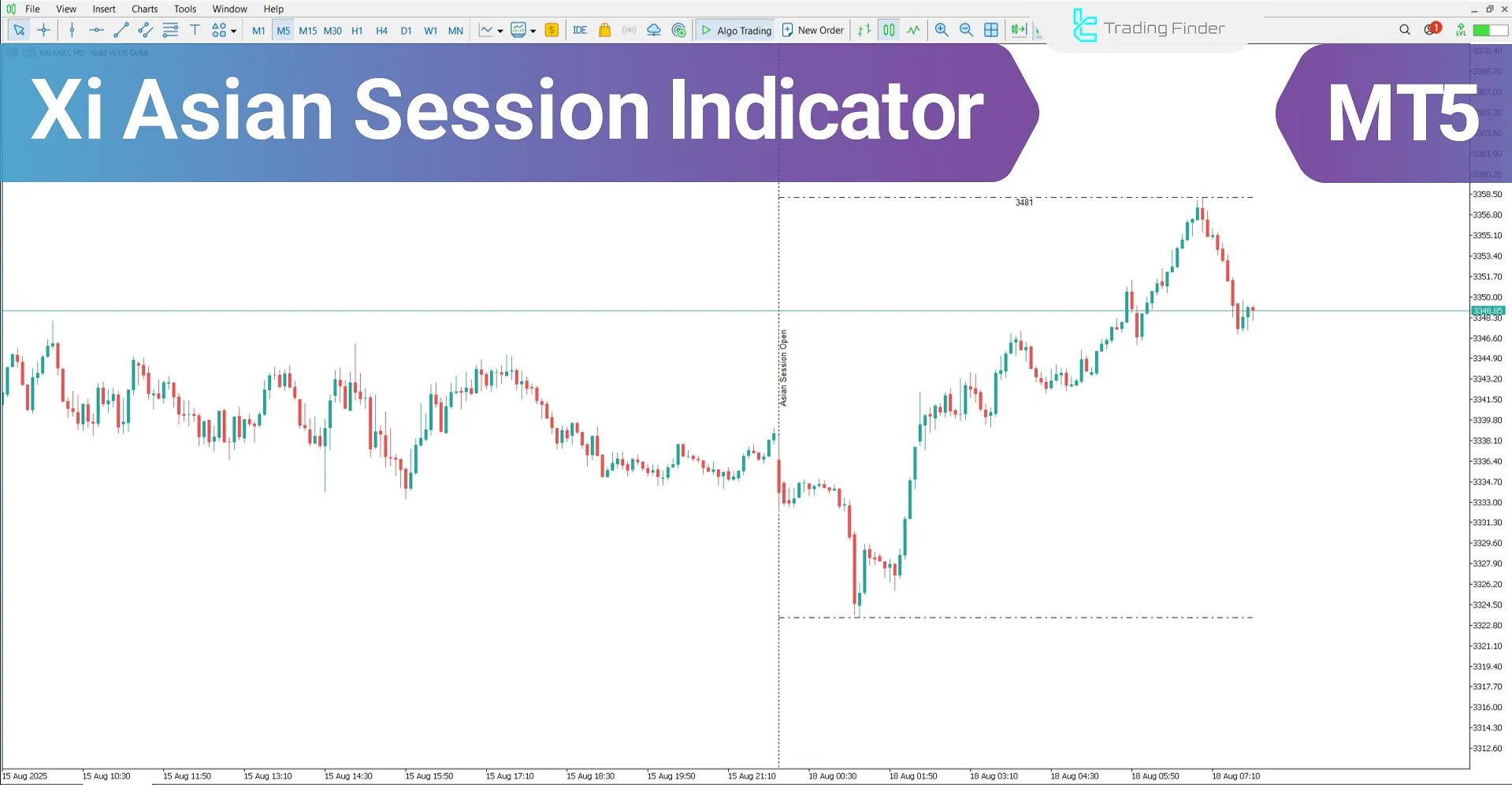
Absolutely. The price trends established during the Asian session often set the tone for the day. Institutional traders monitor the Asian range (the difference between the high and low prices during the session) to identify potential breakout levels for the London and New York sessions.
Are there specific currencies to avoid during the Asian session?
While no currency is strictly "off-limits," major currency pairs that do not involve the JPY or the AUD/NZD may show less predictable movement. Pairs such as GBP/CHF or USD/CAD often exhibit their highest volatility during the London or US sessions, respectively, and may remain stagnant during Asian hours.
Final Recommendations for Traders
To effectively incorporate the Asian session into your routine, start by identifying the specific pairs that align with regional news. If you trade JPY or AUD, perform a thorough review of the economic calendar for Japan, Australia, and China for that specific day. Focus on observing the range established in the first three hours of the session; this often provides a reliable baseline for support and resistance levels for the next six hours of trading. Always adjust your risk management protocols to account for potentially wider spreads and maintain a watchful eye on the market as the European opening approaches, as this transition is the most likely period for unexpected volatility.