The cultural significance of Asian royalty encompasses the historical integration of religious authority, administrative philosophy, and artistic patronage that defined civilizations for millennia. Understanding these monarchies requires analyzing how power was legitimized through divine mandate, the rigid societal hierarchies they enforced, and the enduring influence of their courtly traditions on modern identity, architecture, and governance throughout the continent.
The Divine Mandate: Religious and Political Foundations
In many Asian monarchies, the sovereign served as a bridge between the celestial and terrestrial realms. This concept, known by various names across different empires, functioned as the ultimate source of political legitimacy.
In the Chinese imperial tradition, this was encapsulated in the "Mandate of Heaven" (Tianming). The Emperor was the "Son of Heaven," possessing the right to rule as long as he remained virtuous and capable. If disaster struck—famine, drought, or rebellion—it was interpreted as the withdrawal of the Mandate, granting the populace a theoretical right to revolt. This created a cyclical history of dynastic transitions, where each new house sought to prove it had inherited the divine favor of the previous regime.
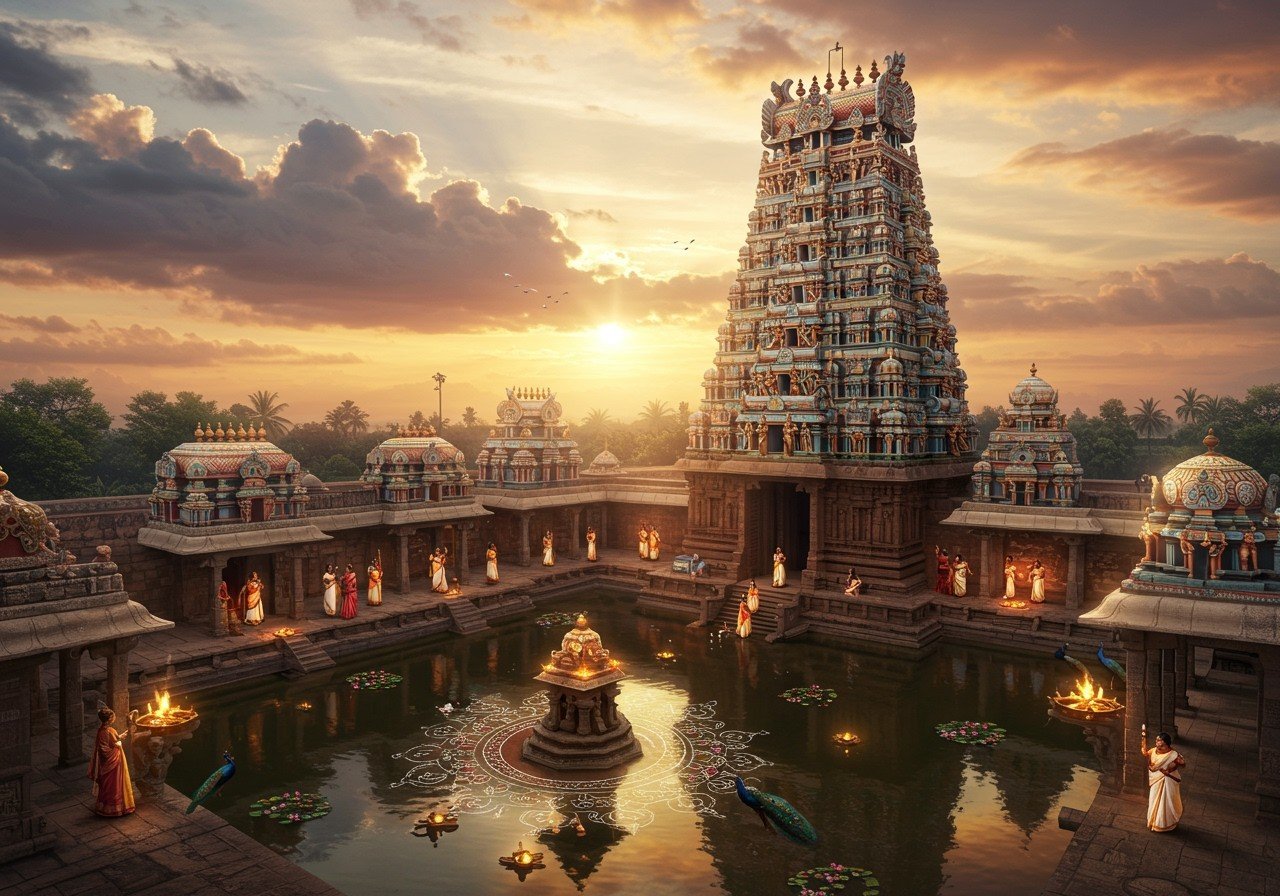
Similarly, in Southeast Asian kingdoms influenced by Indian traditions, rulers adopted Hindu or Buddhist titles that emphasized their role as Devaraja (God-King) or Chakravartin (Universal Ruler). The architecture of these states, such as the temple complexes of Angkor Wat in Cambodia or the Borobudur in Indonesia, was physically designed to represent Mount Meru—the cosmic center of the universe. By constructing these massive monuments, monarchs solidified their position at the center of the spiritual and physical world, ensuring their subjects viewed the state not just as a political entity, but as a microcosm of the divine order.
Hierarchical Structures and Courtly Etiquette
Asian royal systems were defined by intricate, codified hierarchies that influenced everything from clothing and language to architecture. The survival of a royal house often depended on its ability to maintain distance from the common populace while integrating the bureaucracy into the royal mission.
In the Joseon Dynasty of Korea, the social structure was governed by a strict Confucian hierarchy, where the monarch sat at the apex, supported by the yangban (aristocratic) class. This system influenced daily life through Neo-Confucian rites (Ye), which dictated proper behavior for every rank of society. To deviate from these rites was not merely a breach of manners but a subversion of the state’s foundational philosophy.
In Japan, the Imperial Court developed a system of aesthetic and cultural refinement that effectively separated the monarch’s symbolic authority from the shogun’s military administration. During the Heian period, court life became so focused on poetry, calligraphy, and seasonal aesthetics that it created a "closed" culture of aristocratic elite. This established a precedent where royalty was measured by its contribution to cultural continuity rather than direct political maneuvering, a distinction that has helped the Japanese Imperial family maintain a continuous, if often symbolic, presence for centuries.
Architectural Manifestations of Royal Power
The physical residences of Asian monarchs served as the "theater" of power. Unlike Western palaces that often focused on exterior grandiosity, many Asian royal structures utilized spatial geometry to guide visitors through levels of increasing sanctity and authority.
The Forbidden City in Beijing, China, is the quintessential example of this spatial planning. It was designed according to the principles of feng shui and traditional geomancy. The layout follows a strict north-south axis, with the most important halls located at the center. As one moves deeper into the complex, the transition from public to private spaces mirrors the increasing exclusivity of access to the Emperor. Every color, such as the yellow tiles denoting imperial status and the red walls symbolizing fire and prosperity, was carefully regulated to reinforce the occupant’s absolute authority.
| Royal Site | Primary Philosophical Influence | Notable Architectural Feature |
|---|---|---|
| Forbidden City (China) | Confucian/Geomancy | North-South axial symmetry |
| Gyeongbokgung (Korea) | Neo-Confucianism | Harmonious integration with nature |
| Angkor Wat (Cambodia) | Hindu/Buddhist Cosmology | Mount Meru central tower representation |
| Imperial Palace (Japan) | Shinto/Aesthetic Simplicity | Asymmetrical garden and wood utility |
The Role of Patronage in Cultural Preservation
Asian royalty were primary patrons of the arts, and this patronage was a critical mechanism for "soft power." By funding temples, sponsoring court music, and commissioning elaborate scrolls or textiles, monarchs ensured their reign would be remembered through the lens of aesthetic perfection.
In the Mughal Empire of India, emperors like Akbar and Shah Jahan utilized architectural and artistic patronage to synthesize Persian, Indian, and Islamic influences. The Taj Mahal serves as a permanent testament to this syncretism. By patronizing skilled craftsmen and artisans from across their empire, the Mughals created a unique court style that became the benchmark for luxury and sophistication. This patronage was not merely vanity; it served to unify a diverse and sprawling empire under a shared aesthetic language, making the royal court the center of intellectual and creative gravity.
Transition to Modernity and Contemporary Relevance
By the 20th and 21st centuries, the role of Asian royalty underwent radical transformations. Some systems were abolished entirely following revolutions or wars, while others transitioned into constitutional models or preserved symbolic roles.
The primary challenge for contemporary royal houses is the balance between tradition and relevance. In nations where the monarchy remains, such as Thailand or Japan, the institution often serves as a focal point for national identity. This identity is carefully curated through state ceremonies, public appearances, and the ongoing stewardship of national heritage sites. The cultural significance has shifted from "absolute authority" to "national continuity." The modern monarch is increasingly viewed as an anchor in a globalizing world, providing a sense of historical groundedness even as the political mechanisms of the country evolve.
Navigating Historical and Cultural Misconceptions
One common misunderstanding is the assumption that Asian royal systems were static or homogenous. In reality, they were highly adaptive. For instance, the Meiji Restoration in Japan saw a rapid modernization of the imperial system to match Western bureaucratic and military standards, yet it retained Shinto rituals that were over a millennium old. This "invented tradition" approach allowed the monarchy to remain relevant while driving Japan toward industrialization.
Another area for critical examination is the gendered nature of power. While patriarchal structures were the norm, there were significant exceptions, such as Empress Wu Zetian in China or the various female rulers throughout the history of South and Southeast Asia. These figures often faced intense historiographical scrutiny, as court officials—mostly male—tended to record their reigns through a lens that emphasized the "disruption" of natural order, necessitating a careful reading of source material to uncover the true administrative and cultural contributions of these female sovereigns.
FAQ: Understanding Asian Royal Significance
1. How does the "Mandate of Heaven" differ from the European "Divine Right of Kings"? The Mandate of Heaven was conditional; if an emperor failed to provide for his people or act ethically, the mandate could be lost. The European Divine Right was generally considered absolute and hereditary, rarely subject to the same requirement of moral performance as a prerequisite for retaining the throne.
2. Why do many Asian royal palaces face south? In many East Asian traditions, south is considered the direction of light, warmth, and prosperity. Facing south aligns the structure with the sun’s path, symbolizing the ruler’s role as the source of enlightenment and order.
3. Are modern Asian monarchies still involved in daily governance? Most contemporary Asian monarchies operate under constitutional frameworks where the monarch’s power is limited by law. Their primary roles today are ceremonial, symbolic, and diplomatic, acting as representatives of national culture and unity rather than heads of state with executive power.
4. How is royal heritage preserved today? Heritage preservation is managed through national ministries of culture, UNESCO World Heritage site designations, and the patronage of traditional crafts by royal families. These efforts turn historical royal sites into educational hubs that foster national pride.
5. What is the impact of colonialism on Asian royal traditions? Colonialism frequently dismantled local monarchies or reduced them to puppet status, leading to a loss of traditional court arts and the displacement of royal artifacts. Post-colonial movements have often focused on the repatriation of these items and the revitalization of indigenous courtly rituals as a form of national healing.
Recommendation for Further Research
To gain a deeper understanding of specific royal lineages or the transition to modern systems, engage with the official publication archives of the respective national cultural ministries or the peer-reviewed journals published by regional institutes of historical research. When investigating specific sites like the Forbidden City or Gyeongbokgung, consult documentation from the respective national heritage administrations, which offer the most accurate technical details regarding restoration efforts and historical architectural specifications.