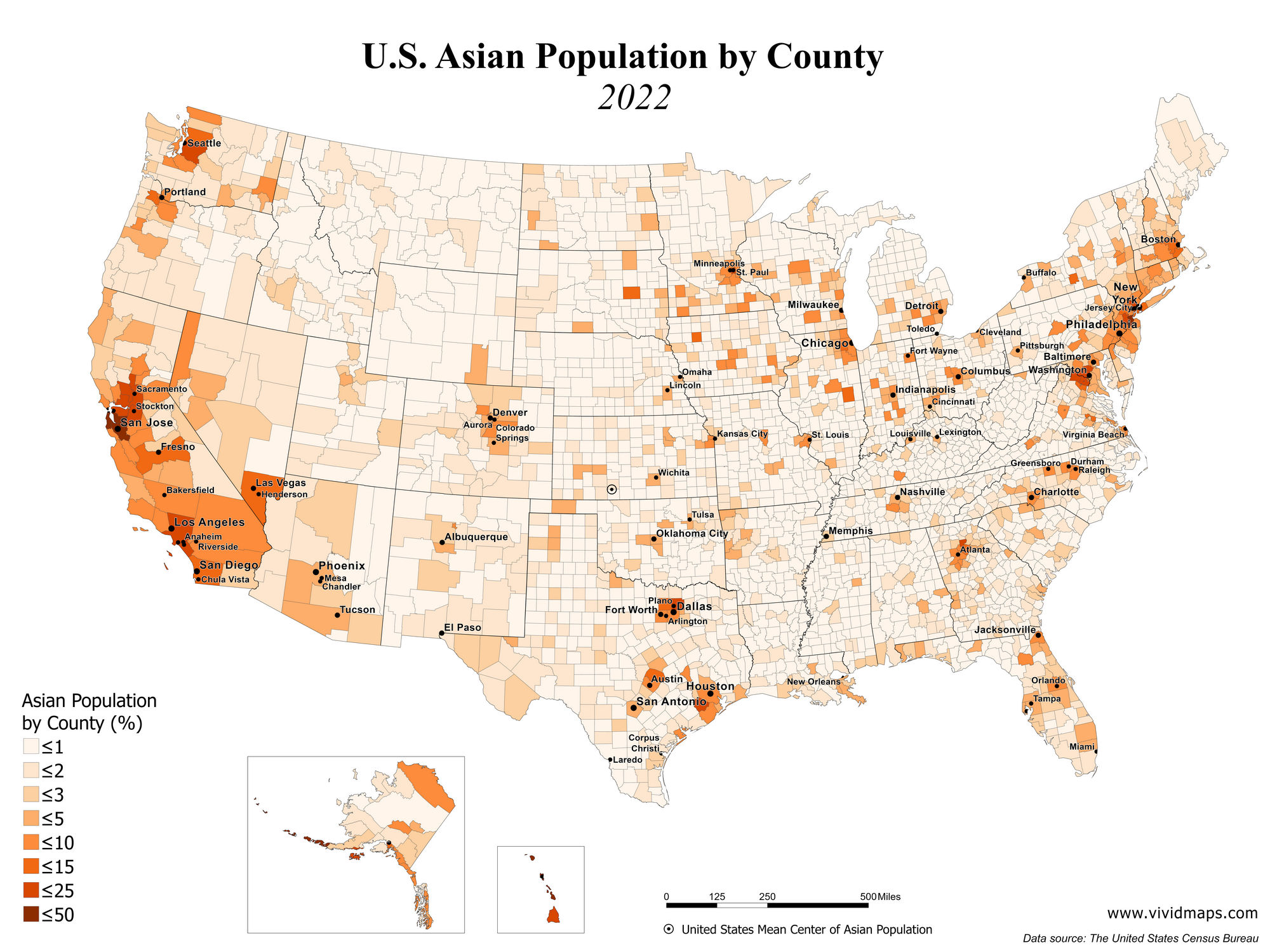
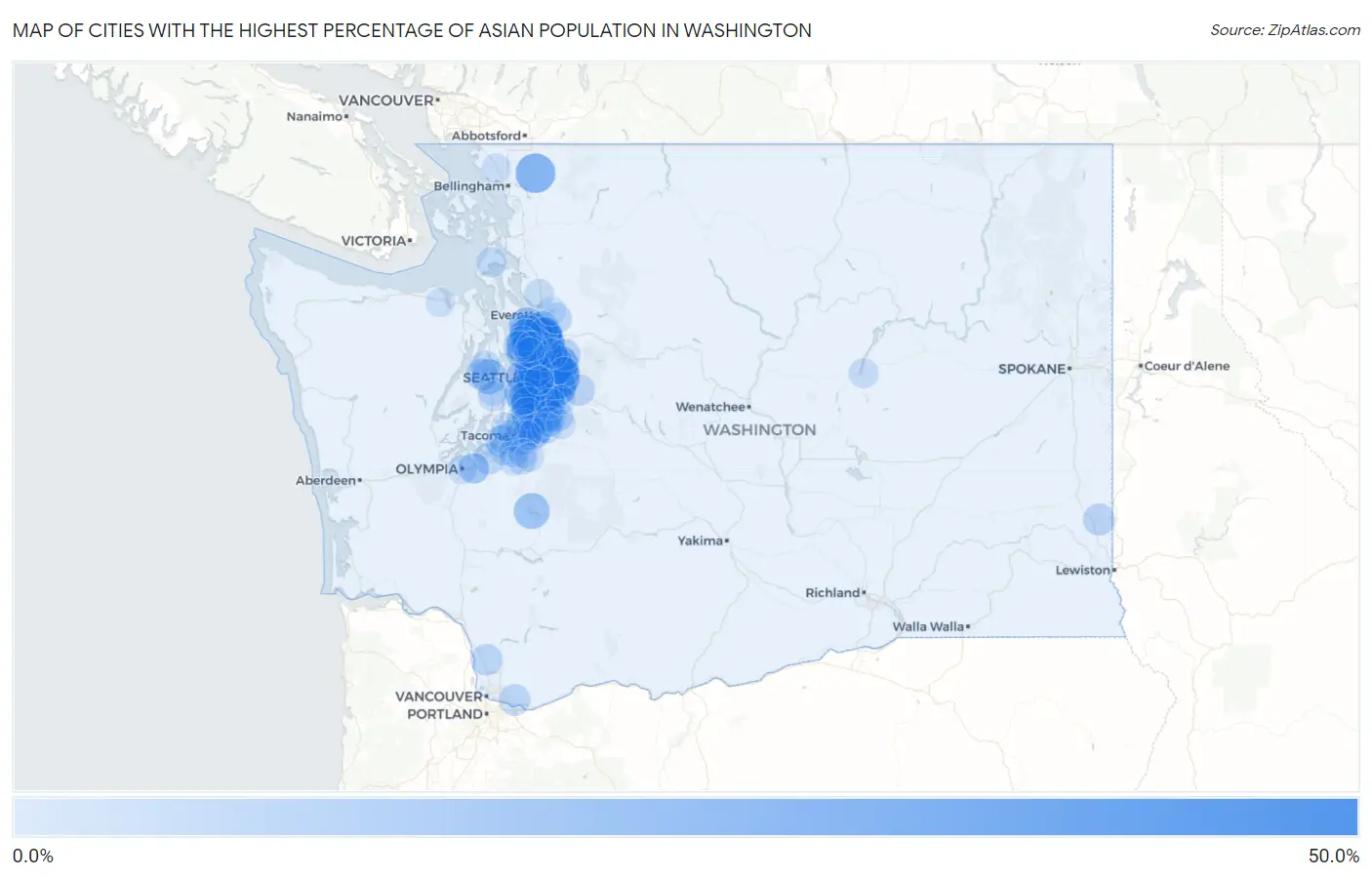
The Asian population in America has experienced consistent, long-term growth, evolving from a small demographic minority into one of the most significant contributors to the nation’s overall population increase. Driven by a combination of immigration patterns, economic opportunities, and natural increase, this growth continues to reshape the socio-economic landscape of the United States, influencing everything from local housing markets and consumer behavior to education policy and labor force dynamics as of 2026.
Understanding Demographic Expansion in the United States
The steady growth of the Asian population in America is not a recent phenomenon but the result of decades of sustained demographic shifts. According to data tracked by the U.S. Census Bureau and analysis provided by organizations like the Pew Research Center, the Asian American and Pacific Islander (AAPI) community represents one of the fastest-growing racial or ethnic groups in the country. This expansion is characterized by both foreign-born individuals migrating to the U.S. for professional or educational purposes and the growth of second and third-generation Asian American families.
In 2026, the term "Asian" as defined by the Office of Management and Budget (OMB) encompasses individuals having origins in any of the original peoples of the Far East, Southeast Asia, or the Indian subcontinent. This broad categorization includes diverse ethnic groups, such as Chinese, Filipino, Indian, Vietnamese, Korean, and Japanese, among many others. Because these groups possess distinct histories, cultural backgrounds, and migration patterns, the "steady growth" of the overall population masks internal variations in growth rates among these sub-groups.
Key Drivers of Population Growth
To understand why the Asian population in America grows steadily, one must examine the intersection of institutional policy and socio-economic pull factors.
Immigration and Visa Policies
A primary engine of this growth is legal immigration. The U.S. immigration system, particularly through employment-based preference categories (such as H-1B visas) and family-sponsored visas, has consistently provided a pathway for individuals from Asian nations to relocate to the United States. Many Asian immigrants arrive with high levels of educational attainment, often filling critical roles in the technology, healthcare, and engineering sectors.
Economic and Educational Pull Factors
The United States remains a global hub for higher education and advanced research. A significant portion of the growth in the Asian population is tied to international students who transition to permanent residency. Once established, these professionals often leverage the strong labor market in the U.S. to settle, purchase property, and integrate into local communities, which in turn encourages further chain migration among extended family members.
Natural Increase
As the population has matured, the contribution of natural increase—births exceeding deaths—has become a more prominent factor. Unlike earlier waves of migration that were heavily male-dominated or temporary, modern migration patterns increasingly feature families. This demographic shift ensures that the growth is self-sustaining beyond initial immigration numbers.
Socio-Economic Impact and Geographic Distribution
The growth of the Asian population is not uniform across the United States. Instead, it is concentrated in major metropolitan areas that offer robust economic ecosystems and existing cultural infrastructure.
Urban and Suburban Clustering
Historically, Asian populations were highly concentrated in gateway cities like San Francisco, Los Angeles, and New York. While these areas remain hubs, 2026 data indicates a significant expansion into suburban areas and secondary cities across the Sun Belt and the Midwest. This movement is often driven by the search for more affordable housing and better school districts, mirroring broader migration trends seen in the general U.S. population.
Contributions to the Labor Force
The rapid growth of the AAPI demographic has had a profound impact on the American economy. Asian Americans are disproportionately represented in high-growth fields, including software development, medicine, and scientific research. Furthermore, the growth in population has been accompanied by a rise in entrepreneurship. Asian-owned businesses are a vital component of the economy, providing jobs and services that support both ethnic enclaves and the broader community.
Table: Factors Influencing Demographic Trends (2020-2026)
| Factor | Primary Impact | Characteristic |
|---|---|---|
| Employment-Based Migration | High-skill labor force expansion | Often tied to STEM sectors |
| Family Reunification | Multi-generational living arrangements | Long-term community stabilization |
| International Student Pipeline | Academic and research sector growth | Leads to permanent residency (green cards) |
| Suburbanization | Broadening of geographic influence | Driven by housing costs and education |
Challenges and Considerations for Continued Growth
While the population growth is steady, it brings with it specific challenges regarding infrastructure, social integration, and data representation.
The Challenge of Data Aggregation
One of the most persistent issues in understanding the Asian population in America is the "model minority" myth and the tendency for researchers and policymakers to treat the AAPI community as a monolith. Because the aggregate data often shows high levels of median household income and educational attainment, the specific needs of Southeast Asian and Pacific Islander populations—who may experience higher rates of poverty or lack of access to healthcare—are sometimes overlooked. Accurate policy decisions in 2026 depend on disaggregated data that accounts for the differences between, for example, Indian Americans and Hmong Americans.
Integration and Civic Participation
As the population grows, so too does its influence in civic life. There has been a marked increase in Asian American political representation at the local, state, and federal levels. This shift is a natural consequence of a larger, more established population that is increasingly focused on issues ranging from education funding and language access to civil rights protections.
Infrastructure Requirements
Rapid population growth in specific regions creates a demand for localized resources. From a public policy perspective, this includes the need for culturally competent social services and language access in government offices, hospitals, and schools. Local governments must adapt their delivery of services to ensure that all segments of the growing population can participate fully in the economy and society.
Future Projections and Long-Term Trends
Looking toward the latter half of the 2020s and beyond, the trajectory for the Asian population in America suggests continued growth, though the rate may fluctuate based on federal immigration policy and global economic conditions.
Policy Sensitivity
Future growth is highly sensitive to changes in immigration law. Delays in visa processing, caps on employment-based green cards, and changes in student visa regulations can directly impact the rate at which this population grows. Because much of the current growth is tied to professional and educational migration, the U.S. remains in a global competition for talent. Policies that remain open and efficient tend to support the steady growth observed over the last two decades.
Demographic Maturity
As the "first wave" of significant post-1965 immigration reaches retirement age, the focus of the community is shifting toward elder care and wealth transition. This creates new demands on the American healthcare system and financial services sector. Simultaneously, the younger generation of Asian Americans—many of whom are U.S.-born—are redefining the cultural identity of the demographic, blending traditional values with American social trends.
Frequently Asked Questions
What has been the primary driver of the increase in the Asian population in the U.S. over the last decade?
The primary driver has been a combination of skilled labor migration and the expansion of the education-to-work pipeline. High-tech sectors and the healthcare industry continue to recruit talent from abroad, while many international students choose to remain in the U.S. after completing their degrees, eventually transitioning to permanent resident status.
Is the growth of the Asian population consistent across all ethnic groups?
No. Growth rates vary significantly among different Asian subgroups. Factors such as migration history, the age structure of the specific population, and the presence of family networks influence the speed at which different communities grow. For example, some groups with established multi-generational families in the U.S. may see higher rates of natural increase, while others may be more impacted by current immigration policy fluctuations.
How does the growth of this population affect the U.S. housing market?
The growth has contributed to increased demand for housing, particularly in suburban areas of major metropolitan hubs. As families look for long-term stability and quality education, this demographic shift has influenced real estate development and increased competition for residential property in specific corridors where job growth in the technology and medical fields is high.
Why is disaggregated data important for this population?
Disaggregated data is essential to avoid the "model minority" myth. By breaking down statistics by country of origin, policymakers can identify groups that may be struggling with economic hardship, language barriers, or healthcare access. Without this level of detail, resources may be misallocated, and systemic disparities may go unaddressed.
Will the growth of the Asian population in America continue at the same pace?
While population growth is projected to remain positive, the pace is subject to various factors, including the capacity of the U.S. immigration system to process applications and the state of the global economy. As of 2026, the trend remains steady, but long-term projections are always balanced against potential changes in national policy and shifting global migration trends.
Next Actions for Stakeholders
For businesses, local governments, and community organizations looking to understand the implications of this demographic shift, the immediate next step is to move beyond aggregate data. Relying on outdated or generalized demographic profiles can lead to ineffective service delivery and missed opportunities.
- Review Local Data: Utilize U.S. Census Bureau American Community Survey (ACS) data to analyze the specific demographic makeup of your region rather than relying on national averages.
- Evaluate Service Accessibility: Assess whether your organization provides language access or culturally relevant outreach that accommodates diverse linguistic and cultural backgrounds.
- Engage with Community Leaders: Build relationships with local advocacy groups and chambers of commerce that represent specific ethnic communities to understand the unique needs and challenges of your immediate area.
- Monitor Policy Changes: Stay informed about current immigration and labor policy debates, as these directly correlate to the future movement of talent and family reunification, which remain the lifeblood of this population’s growth.
By taking a nuanced, data-driven approach, stakeholders can better adapt to the evolving demographic reality and contribute to a more inclusive and productive environment.