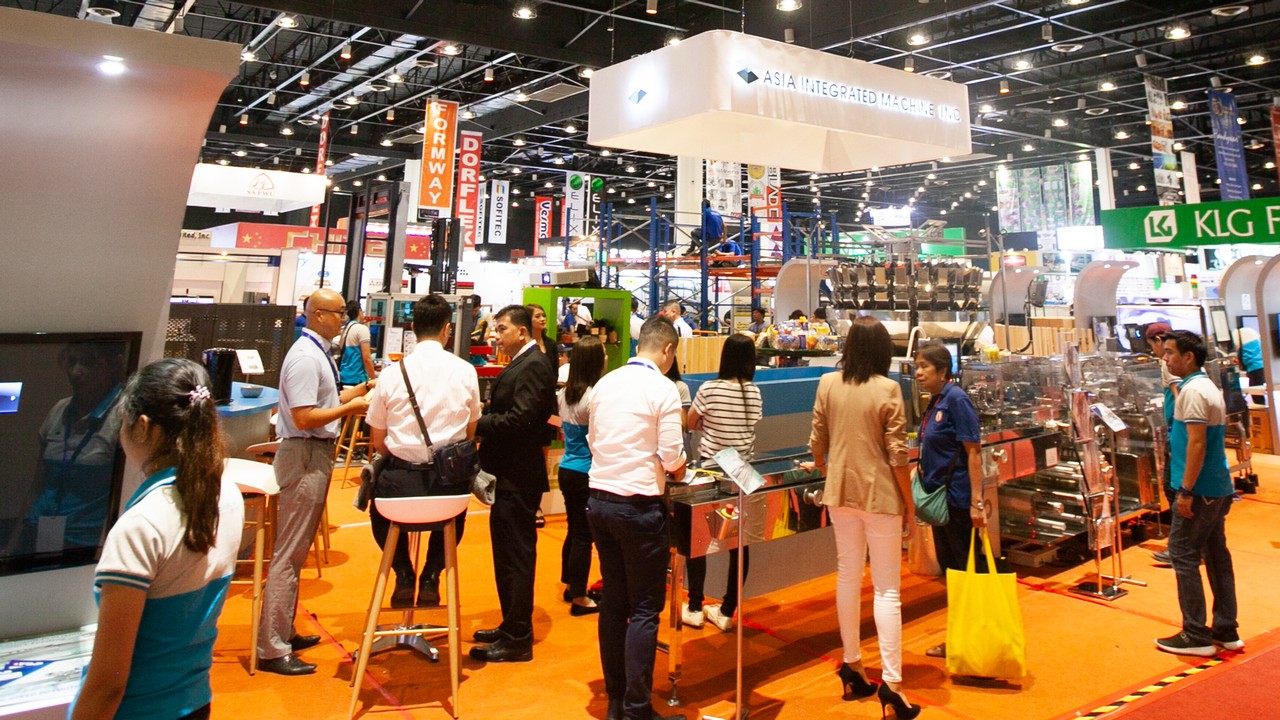
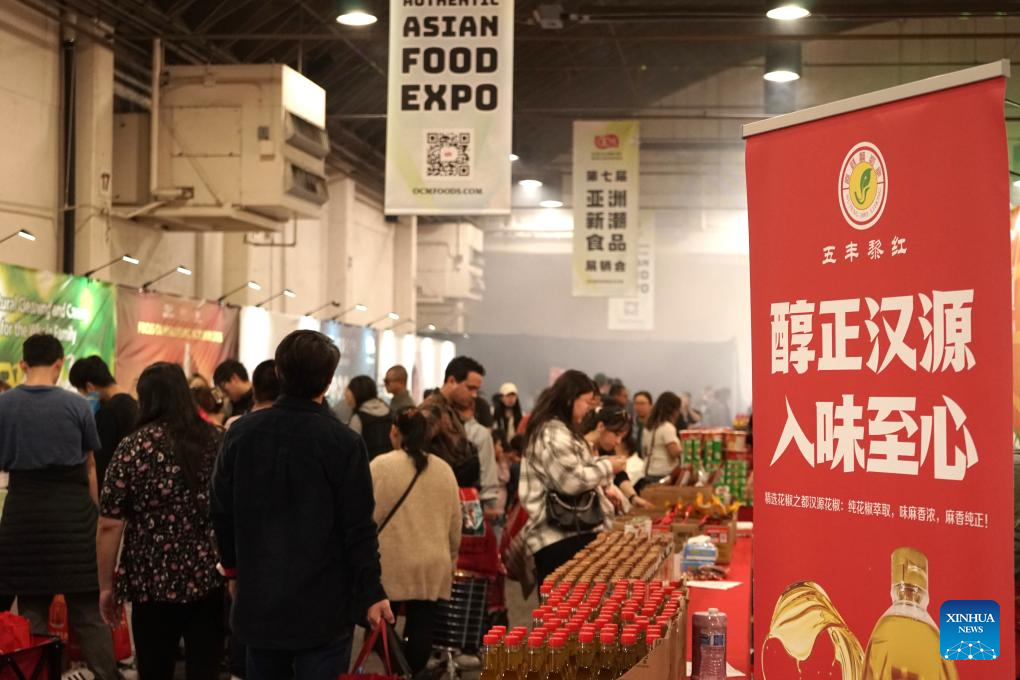
The Asian Food Expo in Detroit serves as a primary hub for culinary discovery, offering attendees access to a curated selection of regional delicacies, ingredient demonstrations, and industry networking opportunities. Whether you are a restaurateur sourcing authentic supplies or a food enthusiast eager to explore diverse culinary traditions, the event provides a centralized platform to experience the breadth of Asian gastronomy within the Michigan market.
Understanding the Landscape of Asian Culinary Events in Detroit
Detroit’s food scene has evolved significantly, reflecting the city’s growing demographic diversity and an increasing consumer interest in authentic global flavors. An "Asian Food Expo" in this context typically refers to large-scale exhibitions that bridge the gap between wholesale distributors and retail consumers. These events are distinct from localized street food festivals or night markets; they are structured, trade-oriented, or ticketed consumer-facing exhibitions that prioritize depth of product and culinary education.
When searching for an Asian Food Expo, it is crucial to distinguish between B2B (Business-to-Business) trade shows—which focus on supply chain, technology, and restaurant logistics—and B2C (Business-to-Consumer) showcases that emphasize tastings, retail sales, and cooking masterclasses. In the 2026 calendar, the primary objective of these gatherings remains consistent: to foster a deeper understanding of the complexity and variety inherent in Asian cuisine, ranging from specialized condiments and bulk produce to high-end kitchen equipment used in traditional preparations.
Prerequisites for Attendees: Trade vs. Public Access
Navigating these expos requires an understanding of registration requirements, which vary significantly depending on the event's primary purpose.
For professional attendees, such as restaurant owners, chefs, or retail procurement managers, the expo often requires advanced registration, business credentials (such as a tax ID or professional license), and occasionally, a paid badge. These sessions are designed to facilitate contracts and supply chain development. Professionals should prepare by bringing business cards, a clear procurement strategy, and specific inquiries regarding bulk pricing or exclusive distribution agreements.
For the general public, entry is usually governed by ticketed sessions or open-day passes. Prospective attendees should verify whether the expo permits walk-ins or if tickets must be purchased in advance via official event portals. By late 2026, most organizers have moved toward digital-only ticketing to manage crowd flow and provide real-time updates on vendor participation. It is advisable to monitor the official event website for "early bird" pricing, which often becomes available several months before the expo date.
Strategic Planning for Your Visit
To maximize the value of your time at an Asian Food Expo, a proactive approach is required. The sheer volume of vendors and the diversity of regional cuisines represented—from Southeast Asian spice blends to East Asian culinary staples—can be overwhelming without a plan.
- Vendor Mapping: Prior to arrival, review the exhibitor list on the official event website. Identify which vendors offer products relevant to your interests, whether that involves sourcing specific imported ingredients, learning about advanced rice-cooking technologies, or discovering new regional snack trends.
- Timing Your Arrival: High-traffic periods, typically midday on Saturday or Sunday, often result in long wait times for demonstrations and tastings. Arriving at opening hours allows for more meaningful interactions with vendors who have more capacity to discuss their products.
- Logistical Considerations: Parking in downtown Detroit venues can be complex. Research the venue’s parking facilities or public transportation alternatives in advance. For those planning to purchase products on-site, bring a durable, insulated tote bag, as many vendors offer samples or retail-sized packages of temperature-sensitive items.
Comparing Event Formats: What to Expect
| Feature | Trade-Oriented Expo | Consumer-Facing Showcase |
|---|---|---|
| Primary Audience | Restaurateurs, Distributors | Foodies, General Public |
| Focus | Bulk Sourcing, Supply Chain | Tasting, Education, Retail |
| Registration | Business Credentials Required | Ticket Purchase Needed |
| Primary Value | Networking, Market Trends | Cultural Exposure, Shopping |
| Complexity | High (Logistics/Operations) | Moderate (Engagement/Tasting) |
Culinary Education and Demonstrations
A significant component of the modern Asian Food Expo is the focus on educational programming. This is not merely a venue for consumption but a classroom for understanding technique. In 2026, many exhibitions emphasize the "craft" behind the food. Expect to see demonstrations on the manual production of artisanal noodles, the precise fermentation processes involved in creating regional soy pastes, and the integration of traditional cooking methods with modern, high-efficiency equipment.
These demonstrations are often led by industry experts or guest chefs who specialize in specific regional cuisines. For the attendee, this offers a unique opportunity to ask technical questions that go beyond a standard recipe book. Questions regarding ingredient substitution, equipment maintenance, and the historical context of certain dishes are highly encouraged in these settings, as they provide professional-grade insights into the culinary arts.
Navigating Regulatory Requirements and Safety
When purchasing products at these expos, it is essential to be aware of the regulatory landscape. While the vast majority of vendors adhere to strict safety and labeling standards, attendees should practice due diligence, particularly regarding food allergies and labeling requirements.
For business owners, the expo serves as a vetting ground for future suppliers. Ensure that any products being considered for restaurant use comply with local food safety codes in Michigan. Inquire about the manufacturer’s supply chain transparency, sourcing documentation, and shelf-life stability. It is always professional to request product specification sheets rather than relying solely on visual inspection or taste samples.
Addressing Common Challenges and Troubleshooting
- Crowd Management: If a specific demonstration or high-demand vendor has a long line, consider visiting during mid-afternoon transitions when traffic typically fluctuates.
- Information Overload: With dozens of vendors, keeping track of product specifications and business contact details can be difficult. Use a dedicated notebook or a digital document to categorize booths you intend to follow up with post-expo.
- Allergen Concerns: Asian cuisine frequently utilizes common allergens like shellfish, soy, peanuts, and gluten. Do not assume any dish or ingredient is safe; always confirm the ingredient list with the vendor directly, especially if the packaging information is not in your primary language.
Frequently Asked Questions
Are children allowed at the Asian Food Expo? Most expos are open to all ages, but the environment is often fast-paced and geared toward adults. Check the specific event policy, as some trade-only days strictly prohibit non-professionals and children for safety and insurance reasons.
Can I purchase bulk ingredients on-site? Availability depends on the vendor. Some focus exclusively on wholesale distribution and will not sell retail quantities, while others offer "expo specials" that allow attendees to purchase smaller, consumer-sized portions of products typically sold in bulk.
What is the best way to transport perishable goods home? If you intend to purchase refrigerated or frozen goods, always bring a high-quality, insulated cooler with ice packs. Many vendors provide minimal packaging, and keeping products at the correct temperature is your responsibility once they leave the booth.
Are there gluten-free or vegetarian options available? Yes, the diversity of modern Asian cuisine is vast. Most expos now include a significant number of booths catering to plant-based diets and gluten-sensitive needs. Use the event map or app to filter by "Dietary Requirement" if available.
How do I contact a vendor after the expo ends? Most professional vendors will have digital business cards or QR codes at their booths. Ensure you collect these, or take a photo of the vendor's signage and contact information, as many small distributors do not have a robust online presence beyond the event.
Next Steps for Your Attendance
To prepare for your attendance, start by identifying your primary goal: are you looking to revolutionize your home pantry with professional-grade ingredients, or are you scouting for wholesale partners for a commercial project? Once that is established, monitor the official event schedules.
For the most up-to-date information, subscribe to the newsletters of the specific venues hosting these events in Detroit. This ensures you are notified of registration opening dates, which are often limited. If you are a professional, begin drafting a list of specific product categories or vendor types you need to evaluate. If you are a consumer, prioritize a list of items you have struggled to find in local retail stores, as the expo is the ideal environment to discover specialty distributors who may be able to fulfill those needs in the future.