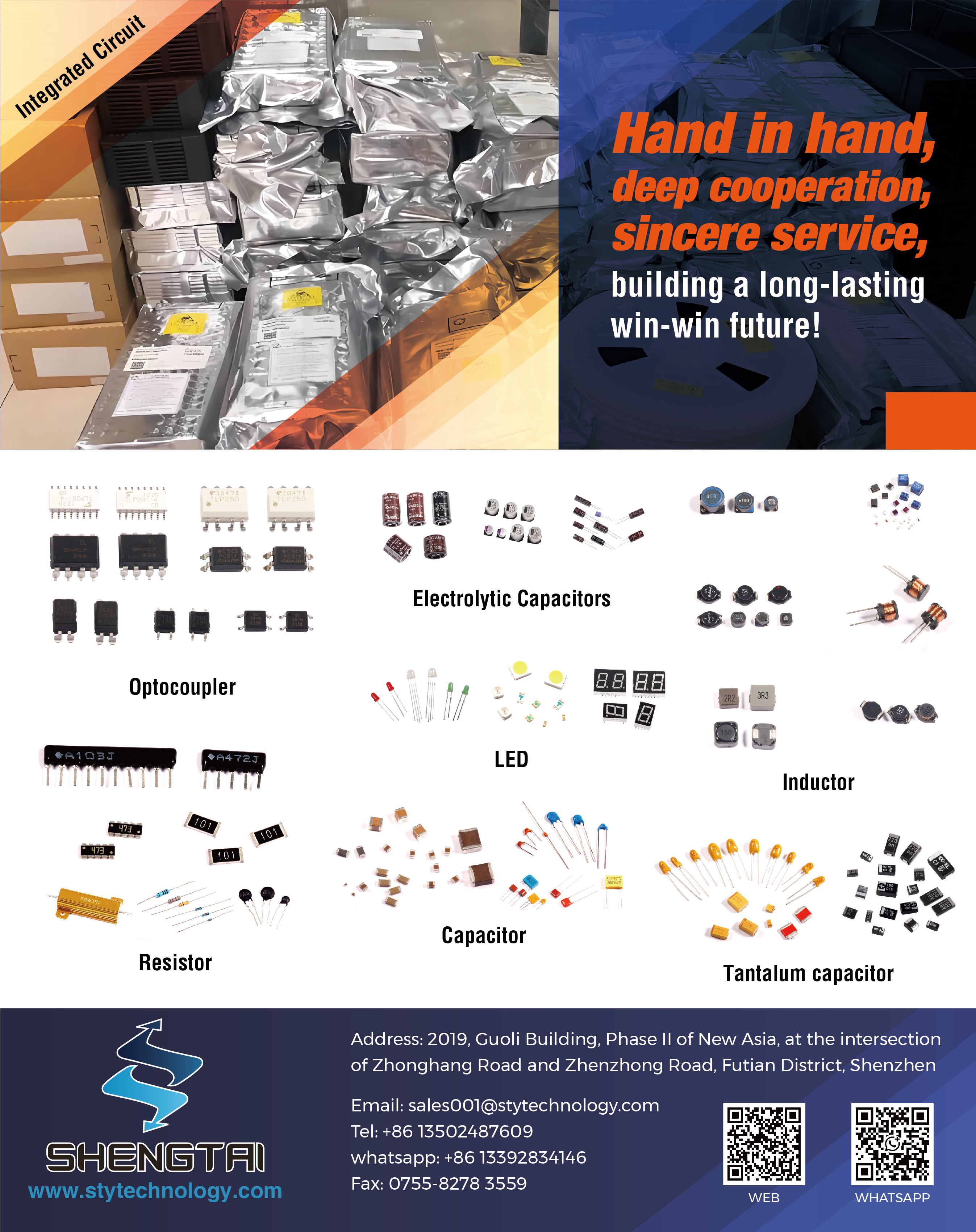
Asiacom, operating out of Hong Kong, serves as a critical node in the global electronic components supply chain by providing sourcing, distribution, and logistical support for industrial, consumer, and specialized electronic parts. Understanding the firm's operational structure, market role, and service requirements allows procurement professionals to effectively integrate them into their regional or international electronic procurement strategies.
The Role of Hong Kong in Global Electronics Distribution
Hong Kong occupies a unique position in the global electronics ecosystem. As a free port with robust legal frameworks and proximity to the manufacturing heartlands of the Pearl River Delta, the city serves as a primary hub for the transit, warehousing, and distribution of electronic components. Companies like Asiacom leverage this geography to bridge the gap between large-scale semiconductor manufacturers and the diverse needs of downstream original equipment manufacturers (OEMs) and contract electronics manufacturers (CEMs).
The primary value provided by a Hong Kong-based distributor is the agility of the supply chain. Because Hong Kong maintains a specialized customs environment, distributors can move high-value, sensitive electronic components with greater speed than those operating in more restrictive trade zones. Asiacom functions within this ecosystem by managing inventory buffers, navigating international export-import regulations, and providing technical documentation to verify part authenticity.
Operational Scope and Services
The core service provided by Asiacom revolves around the sourcing and distribution of active and passive electronic components. This involves more than simple inventory movement; it includes supply chain risk mitigation, such as finding hard-to-find or end-of-life (EOL) components that are no longer supported by original manufacturers.
Procurement and Sourcing Logistics
When procurement teams engage with a distributor in the Hong Kong region, they typically look for a combination of speed and compliance. Asiacom specializes in maintaining access to a broad network of suppliers. In 2026, the demand for precision components—ranging from microcontrollers to specialized resistors—remains high. The distributor acts as an aggregator, simplifying the procurement process by consolidating orders that would otherwise require multiple international contracts.
Quality Assurance and Component Verification
In the electronics industry, the threat of counterfeit components is a perpetual concern. A distributor in a major hub like Hong Kong must implement rigorous verification procedures. This involves checking part numbers against manufacturer specifications, verifying date codes, and ensuring that storage conditions comply with moisture-sensitive device (MSD) standards. Procurement officers are advised to request documentation—such as Certificates of Compliance (CoC) or manufacturer test reports—at the time of purchase to ensure that the hardware meets the required technical standards.
Strategic Considerations for Procurement Professionals
Choosing a distributor is a risk-management decision. Procurement professionals must evaluate whether a firm like Asiacom aligns with their project-specific requirements, such as just-in-time (JIT) manufacturing schedules or long-term component lifecycle support.
| Factor | Strategic Consideration |
|---|---|
| Component Availability | Assess the distributor’s access to specific semiconductor brands and series. |
| Regulatory Compliance | Confirm adherence to RoHS (Restriction of Hazardous Substances) and REACH standards. |
| Logistics Speed | Evaluate transit times from the Hong Kong hub to the final assembly facility. |
| Documentation | Require full traceability and manufacturer-verified data sheets for every batch. |
| Scalability | Determine the ability to handle both prototype-quantity orders and bulk production runs. |
Navigating Supply Chain Risks in 2026
The electronics market in 2026 continues to experience shifts in availability. Distributors are no longer just vendors; they function as strategic advisors. For companies relying on Asiacom, the primary goal is to secure a stable pipeline of parts that avoids the volatility of global market shortages.
- Demand Forecasting: Use historical data from your production cycles to give the distributor sufficient lead time. Providing a rolling forecast helps the distributor maintain the necessary inventory levels in their Hong Kong warehouse.
- Component Lifecycle Management: Identify components that are near end-of-life. A distributor’s ability to locate remaining stock of these parts is often the deciding factor in maintaining product longevity.
- Verification Protocols: Even with reputable distributors, implement a secondary incoming quality control (IQC) inspection process to verify physical parts against order documentation.
Regulatory and Trade Environment
Operating out of Hong Kong requires compliance with specific regional trade rules. As a major transshipment hub, Hong Kong imposes regulations regarding dual-use technology and export controls. For international buyers, it is essential to ensure that the components purchased from a Hong Kong-based entity are cleared for import into the destination country. This is particularly relevant for sensitive integrated circuits or components that may fall under specific trade restrictions between major economic powers.
Procurement managers should verify that the distributor maintains proper documentation for all cross-border movements. Failure to do so can lead to shipping delays at customs or, in worst-case scenarios, the impounding of goods due to non-compliant paperwork.
Frequently Asked Questions
What is the advantage of using a distributor based in Hong Kong? The primary advantage is the combination of geographical proximity to major manufacturing zones and the efficient customs infrastructure of Hong Kong. This allows for faster procurement cycles and lower logistical costs compared to transcontinental sourcing.
How does Asiacom handle the verification of electronic components? A reputable distributor typically utilizes multi-stage verification, including visual inspection, manufacturer part number verification against official databases, and the collection of formal documentation such as Certificates of Compliance to ensure the parts are genuine.
Can a Hong Kong distributor provide support for discontinued parts? Yes, specialized distributors often manage secondary markets or surplus inventory networks that allow them to source components that are officially discontinued, provided they have established relationships with global surplus suppliers.
What documentation should I expect for my order? You should expect at least a commercial invoice, a packing list, and, for sensitive components, a Certificate of Compliance (CoC) or a letter of traceability that links the components back to the original manufacturing source.
Are there specific import requirements when receiving goods from Hong Kong? Yes. Import requirements vary by country. You must check your local customs regulations regarding the tariff classification codes (HS codes) of the electronic components you are importing to ensure the correct duties are applied.
Next Actions for Procurement Teams
To effectively utilize a distributor like Asiacom, the next logical step is to perform a gap analysis of your current component supply chain. Identify the top 10 percent of components that are most critical to your product performance or most difficult to source. Reach out to the distributor with a request for quotation (RFQ) that includes your expected annual usage, desired delivery cadence, and technical requirements. Establishing this baseline communication early in the planning phase is the most effective way to prevent mid-cycle shortages and ensures that your partnership is built on transparent, verified data.