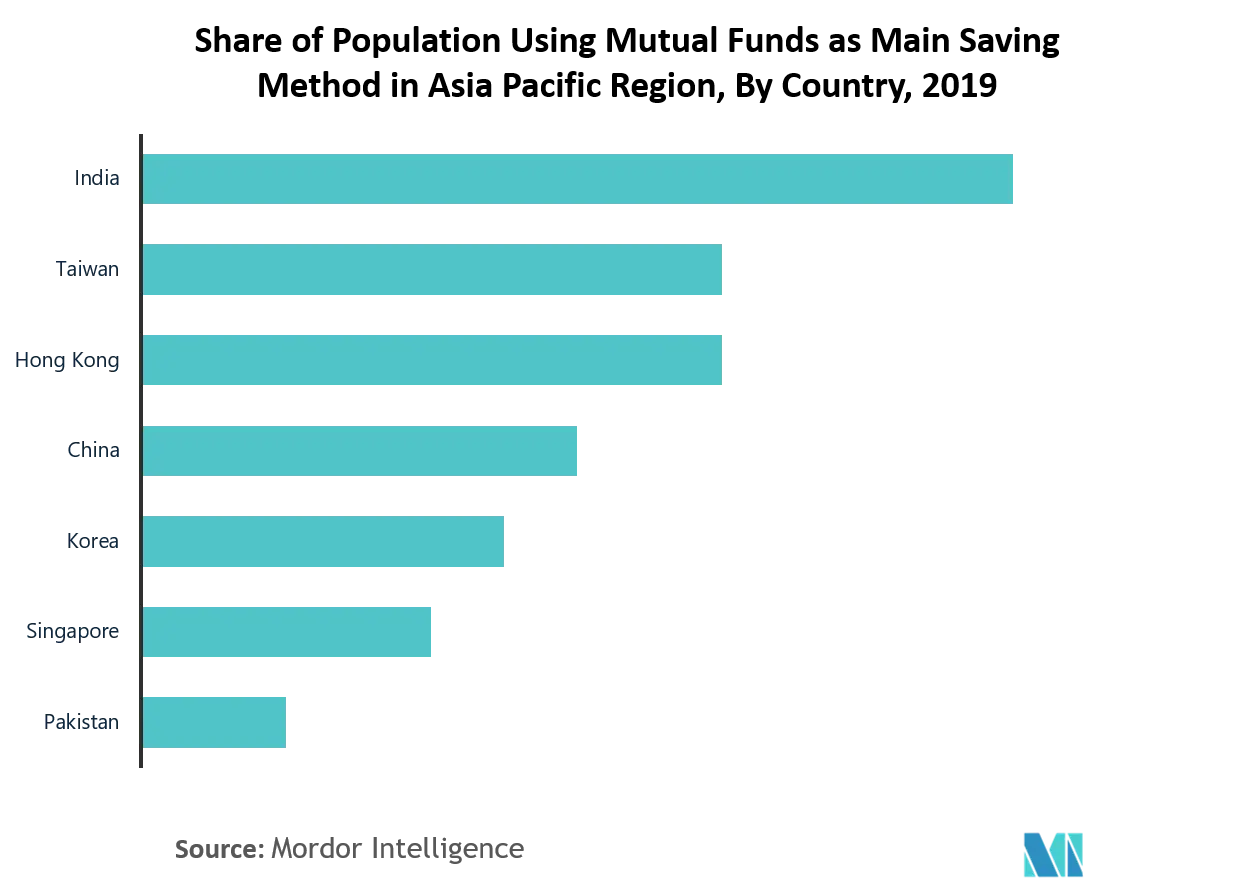
Asian mutual funds provide global investors with structured exposure to the diverse, rapidly evolving economies of the Asia-Pacific region, spanning markets from mature financial hubs like Japan and Singapore to high-growth emerging nations like India, Vietnam, and Indonesia. These investment vehicles pool capital from various participants to purchase diversified portfolios of regional equities, fixed-income instruments, or multi-asset classes, offering professional management across fragmented regulatory and currency landscapes.
Understanding the Landscape of Asian Mutual Funds
The term "Asia funds" generally refers to collective investment schemes—often structured as mutual funds, unit trusts, or exchange-traded funds (ETFs)—that target the economic output of the Asia-Pacific (APAC) region. Unlike investing in a single national market, these funds typically offer geographic diversification, allowing investors to mitigate the idiosyncratic risks associated with any one country's political or economic cycle.
Geographic and Economic Classification
The market for Asian mutual funds is usually segmented into three primary categories based on the investment focus:
- Pan-Asia/Asia-Pacific Ex-Japan: These funds provide broad exposure to the region, excluding Japan, which is often categorized as a developed market distinct from the rest of the emerging and frontier Asian economies. This is the most common bucket for investors seeking growth in the "Tiger Economies" and emerging Southeast Asia.
- Single-Country Funds: These vehicles focus exclusively on the equity or debt markets of one nation, such as China, India, or South Korea. They are generally considered higher-risk, higher-reward instruments, as they are fully exposed to local regulatory shifts and domestic economic conditions.
- Greater China Funds: A specialized segment focusing on mainland China, Hong Kong, and Taiwan. These funds often navigate unique cross-border equity structures, such as A-shares (denominated in yuan) and H-shares (listed in Hong Kong).
Core Investment Strategies and Asset Classes
Investors exploring the Asian mutual fund landscape must distinguish between the types of assets the funds hold, as this dictates the risk-return profile.
Equity Funds
Equity-focused Asian funds primarily seek long-term capital appreciation by investing in companies listed on exchanges such as the Tokyo Stock Exchange (TSE), the Stock Exchange of Hong Kong (SEHK), or the National Stock Exchange of India (NSE). These funds can range from "Large-Cap" strategies, focusing on established regional conglomerates, to "Small-Cap" strategies, which target mid-growth companies that may be less covered by international analysts.
Fixed-Income and Bond Funds
Asian bond funds focus on sovereign debt and corporate credit within the region. As of 2026, the divergence in central bank policies across Asia has created distinct opportunities for yield. For instance, while some nations manage inflationary pressures with higher interest rates, others may maintain more accommodative stances to stimulate domestic consumption. Investors in these funds are exposed to interest rate risk and credit risk, as well as potential currency fluctuations if the bonds are not hedged back to the investor’s base currency.
Multi-Asset and Balanced Funds
These vehicles offer a blend of equities and fixed-income securities. They are designed for investors seeking a "one-stop" solution, where the fund manager actively rebalances the allocation between stocks and bonds based on prevailing market sentiment and macroeconomic outlooks across the region.
Comparing Investment Vehicles: Mutual Funds vs. ETFs
When selecting an Asian investment vehicle, the choice between an actively managed mutual fund and a passive index-tracking ETF is critical.
| Feature | Active Mutual Funds | Passive ETFs |
|---|---|---|
| Management Style | Professional selection of individual securities. | Tracks a predefined index (e.g., MSCI Asia Pacific). |
| Costs | Higher expense ratios due to management fees. | Generally lower management and operational fees. |
| Transparency | Portfolio holdings may be reported with a delay. | Holdings are disclosed daily. |
| Outperformance | Potential to beat the index in inefficient markets. | Aim to match index performance (minus fees). |
Practical Considerations for Investors
Investing in Asian mutual funds requires an understanding of structural, regulatory, and tax-related factors that differ from Western markets.
Regulatory Fragmentation
There is no single "unified" regulatory body for the entirety of Asia. Funds registered in one jurisdiction, such as Singapore or Luxembourg (the latter being a common domicile for offshore Asian-focused funds), must comply with the local laws of the nations where they invest. Investors should verify the registration status of a fund with their local financial authority (such as the SEC in the United States or the FCA in the UK) to ensure it is authorized for sale in their jurisdiction.
Currency Risk
Most Asian mutual funds are denominated in a major currency (e.g., USD, EUR, or SGD). However, the underlying assets are often denominated in local currencies like the Japanese Yen, Indian Rupee, or Chinese Yuan. When the local currency weakens against the investor’s base currency, the value of the investment may decline, even if the underlying asset price remains stable. Some funds offer "currency-hedged" share classes to mitigate this impact, though hedging often comes with additional costs.
Tax Implications
Tax treatment varies significantly depending on the investor’s tax residency and the domicile of the fund. Some jurisdictions have double-taxation treaties that may affect how dividends or capital gains are taxed. It is essential to consult with a qualified tax advisor to understand the reporting requirements for international investment income, as cross-border tax compliance can be complex.
Evaluating Fund Performance and Quality
Before committing capital, investors should conduct thorough due diligence. Relying on past performance is rarely sufficient, as the volatility of Asian markets can lead to significant variations in short-term results.
Key Metrics for Analysis
- Expense Ratio: Look for funds with a cost structure that is competitive within the category. Excessive fees can erode long-term compounding effects, especially in markets where growth may be cyclical.
- Portfolio Turnover: A high turnover rate may indicate active trading, which can lead to higher transaction costs and potential tax implications for the investor.
- Active Share: This measure identifies how much a portfolio differs from its benchmark index. A higher active share indicates a manager who is making deliberate, independent decisions rather than simply mimicking the index.
- Country Allocation: Ensure the fund’s geographic footprint aligns with your intended exposure. An "Asia Fund" might be heavily weighted toward one or two countries, which may not match your desired risk profile.
Common Mistakes to Avoid
- Performance Chasing: Many investors enter a specific Asian market only after it has experienced a significant rally. This often leads to buying at the top of a cycle. A disciplined, dollar-cost averaging approach is generally preferred over timing the market.
- Ignoring Liquidity Constraints: Some frontier markets in Asia have lower trading volumes. While most mutual funds manage this through cash buffers, extreme market events can lead to liquidity issues. Always review the fund’s policy on redemption suspension or "gates."
- Underestimating Political Risk: Policy shifts, changes in trade agreements, and geopolitical tensions can happen rapidly in emerging Asian markets. A well-diversified fund is the best defense against localized political volatility.
Seeking Professional Guidance
Financial advice is highly recommended when navigating international investment markets. Investors should look for advisors who have experience with cross-border regulations and regional market dynamics. For those based in the United States, ensure that any fund under consideration is compliant with the Investment Company Act of 1940 or falls under a recognized exemption for foreign offerings.
Investors should acknowledge that all financial investments carry the risk of loss, and the past performance of Asian markets is not indicative of future results. Before making any investment decision, carefully read the fund’s prospectus or Key Investor Information Document (KIID), which outlines specific objectives, risk factors, and fee structures.
Frequently Asked Questions
Are Asian mutual funds suitable for long-term retirement planning? Yes, for many investors, Asian funds provide access to the world’s fastest-growing middle-class demographics and technological hubs. However, they should generally form part of a broader, globally diversified portfolio rather than acting as a standalone solution for a retirement strategy.
How can I determine if a fund is authorized in my country? You should visit the website of your national financial regulator (e.g., the SEC's EDGAR database for US investors). Authorized funds are required to file periodic reports, and you can verify their status and registration documents through official public databases.
What is the impact of "Emerging Market" status on these funds? Many Asian nations are classified as emerging markets. This status is characterized by higher volatility, potential currency instability, and less mature regulatory frameworks compared to developed economies. Investors should ensure their risk tolerance matches the higher inherent volatility of these regions.
Do Asian mutual funds pay dividends? Many funds offer "distributing" share classes, which pay out dividends collected from the underlying stocks or interest from bonds. Alternatively, "accumulating" share classes reinvest these payments back into the fund, which may be more tax-efficient in certain jurisdictions. Check the fund’s specific offering document to confirm its distribution policy.
What is the role of currency hedging in these funds? Currency hedging is a mechanism used by fund managers to reduce the impact of exchange rate fluctuations between the currency of the underlying assets and the currency in which the fund’s shares are quoted. It is a tool for risk management, though it does not eliminate systemic investment risk.
Next Steps for Investors
- Define Your Horizon: Establish whether you are looking for long-term growth or income, as this will dictate your selection of equity or bond-heavy funds.
- Verify Compliance: Confirm that the fund is legally permitted for sale in your jurisdiction by checking official regulatory records.
- Review the Prospectus: Download the latest prospectus from the fund manager’s website to confirm the fee structure, historical turnover, and specific investment strategy.
- Monitor Regularly: Once invested, check the fund’s performance updates at least annually to ensure the manager’s strategy remains consistent with your original investment goals.