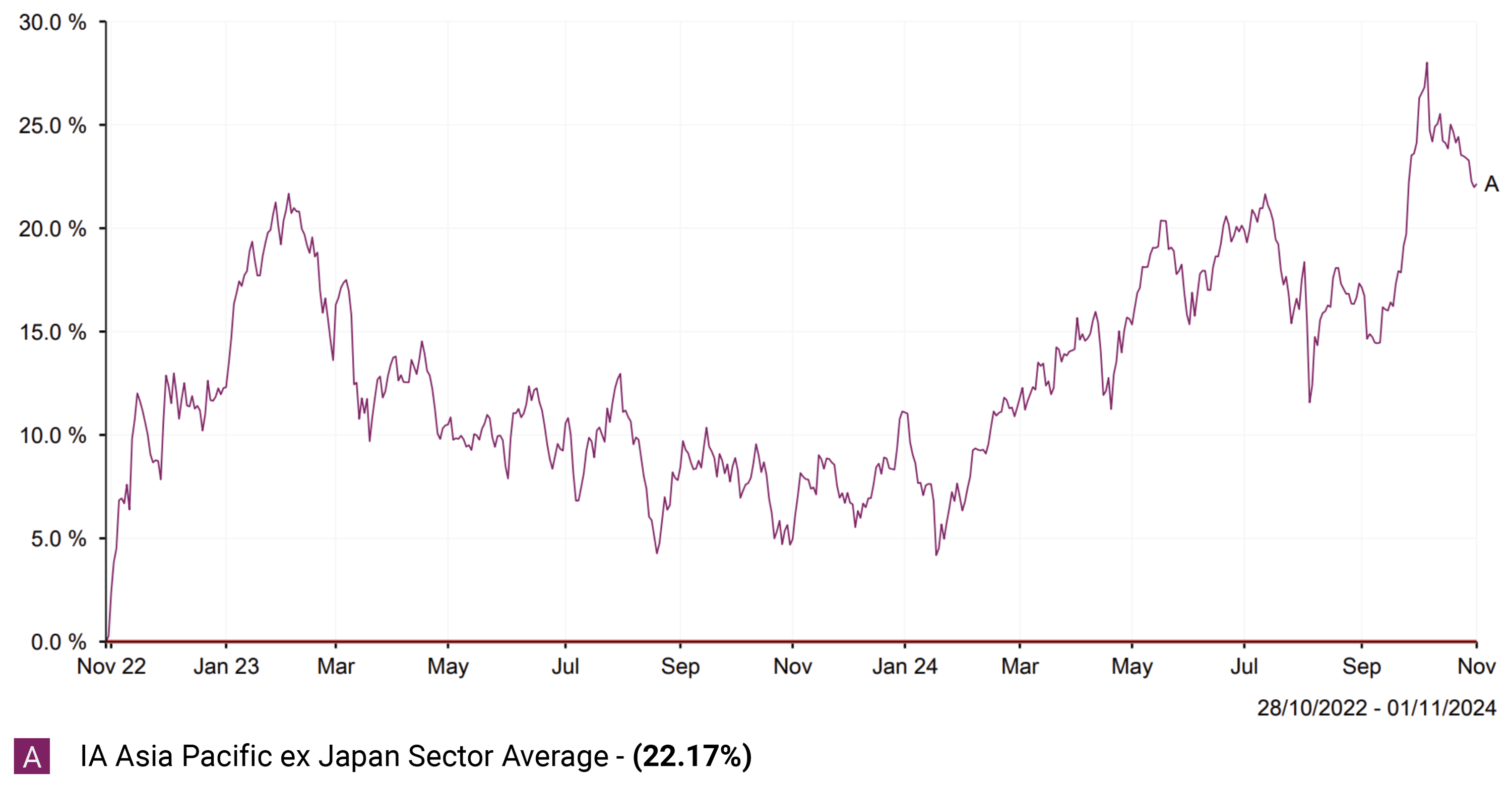
Asian funds are collective investment schemes that pool capital from multiple investors to purchase securities within Asian markets, providing exposure to the region's diverse economies, sectors, and growth trajectories. These funds, structured as mutual funds or exchange-traded funds (ETFs), allow individual investors to gain professional management and regional diversification without the necessity of direct security selection in foreign exchanges.
Understanding the Structure of Asian Funds
At their core, Asian funds operate as vehicles for regional asset allocation. They are typically categorized based on their geographic scope and investment strategy. A "Pan-Asian" fund might hold assets across developed markets like Japan, Singapore, and Hong Kong, alongside emerging markets such as Vietnam, Indonesia, or India. Conversely, "Single-Country" funds focus exclusively on the equity or debt markets of one nation.
The primary function of these funds is to offer a managed gateway to complex financial landscapes. Many Asian markets feature regulatory environments, reporting standards, and liquidity profiles that differ significantly from those in North America or Europe. By utilizing an Asian fund, an investor delegates the tasks of navigating local regulations, currency hedging, and institutional-grade analysis to a fund manager or a passive tracking algorithm.
Geographic and Economic Classification
To effectively utilize Asian funds, investors must distinguish between the two primary economic tiers in the region: developed and emerging markets.
- Developed Markets: Countries such as Japan, South Korea, Taiwan, and Singapore generally possess mature financial infrastructures, high liquidity, and lower volatility compared to the rest of the continent. Funds focused here often prioritize stability, dividend yield, and blue-chip corporate exposure.
- Emerging Markets: Nations like India, Vietnam, Indonesia, and Thailand represent higher-growth, higher-risk environments. These markets are often characterized by rapid industrialization, demographic shifts, and significant infrastructure development. Investors in these funds are usually seeking capital appreciation over long-term horizons, accepting higher exposure to political and currency volatility.
Passive vs. Active Management
Investors choosing an Asian fund must decide between active and passive strategies. This choice significantly impacts cost structures and potential performance outcomes.
Active management involves a portfolio manager who handpicks securities based on research, macroeconomic trends, and local corporate governance data. The goal is often to "beat the market" (alpha generation). While active funds come with higher expense ratios, they can provide defensive positioning during market downturns, as managers can rotate assets away from overvalued sectors or struggling currencies.
Passive management, typically represented by ETFs or index funds, seeks to replicate the performance of a specific regional index, such as the MSCI AC Asia Pacific Index. These funds offer lower management fees and transparency regarding their holdings. However, they lack the flexibility to mitigate risks during crises, as they must maintain holdings dictated by the index composition.
Key Considerations for Global Investors
| Feature | Active Asian Fund | Passive Asian ETF |
|---|---|---|
| Management Style | Research-driven security selection | Index tracking |
| Fee Structure | Higher (management fees + research costs) | Lower (operational costs) |
| Risk Mitigation | Active rotation and hedging | None (subject to index swings) |
| Primary Goal | Outperformance (Alpha) | Market mirroring (Beta) |
| Liquidity | Varies by redemption policy | High (trades on exchanges) |
Regulatory and Currency Risks
Investing in Asian funds involves specific risks that differ from domestic investment. One primary factor is currency risk. Because these funds hold assets denominated in currencies like the Japanese Yen, Indian Rupee, or Chinese Yuan, fluctuations in exchange rates can erode or amplify returns. For instance, if an investor’s base currency (e.g., USD) strengthens against a local Asian currency, the value of the investment may decline in real terms, even if the underlying securities appreciate.
Regulatory environments also vary. Investors should review the fund’s prospectus for information regarding "qualified foreign institutional investor" (QFII) statuses or limitations on capital repatriation. In some markets, particularly those with capital controls, moving money out of the country can be subject to delays or taxes, which impacts the fund’s total return and liquidity.
Evaluating Fund Performance and Costs
When evaluating an Asian fund, the expense ratio is a critical metric. This annual percentage represents the costs of managing the fund, including administrative, management, and marketing fees. In the context of international investing, higher fees are often associated with the additional labor of cross-border financial analysis and legal compliance.
Beyond fees, investors must analyze the fund’s tracking error (for passive funds) or its performance benchmark (for active funds). Performance should be measured over a multi-year cycle to account for the cyclical nature of emerging Asian economies. Furthermore, examine the top ten holdings; this provides insight into whether the fund is overly concentrated in a single sector—such as technology, energy, or banking—which can lead to unintended volatility if that specific industry faces a downturn.
Frequently Asked Questions
Are Asian funds suitable for long-term retirement planning? Asian funds can serve as a powerful tool for geographic diversification in a long-term portfolio. They allow investors to participate in the growth of some of the world's fastest-growing economies. However, because they are often more volatile than domestic large-cap stocks, they should generally represent a portion of a diversified portfolio rather than the entirety of an allocation.
What is the impact of political stability on these funds? Political stability is a significant factor in emerging market funds. Elections, changes in government policy, and geopolitical tensions can trigger rapid shifts in market sentiment and valuation. Most reputable fund managers include geopolitical risk analysis as part of their strategy, but investors should be prepared for sudden volatility.
How do I verify the tax implications of owning an Asian fund? Tax treatment depends on your country of residence and the legal domicile of the fund. Some funds are domiciled in tax-efficient jurisdictions like Ireland or Luxembourg, which may affect how dividends are taxed at the source. You should consult a tax professional to understand your specific reporting requirements for foreign investment income.
Do Asian funds provide access to private, unlisted companies? Standard retail Asian funds usually invest in publicly traded companies on major exchanges. If you are seeking exposure to private, unlisted firms, you would need to look into private equity funds or venture capital trusts, which typically require higher minimum investments and offer lower liquidity than standard mutual funds.
Can I hedge against currency risk within these funds? Some Asian funds offer "currency-hedged" share classes. These funds use financial derivatives to mitigate the impact of currency fluctuations. While this helps stabilize returns, it also introduces additional costs and may not fully eliminate currency risk in highly volatile market environments.
Practical Steps for Next Actions
Before committing capital to an Asian fund, the most critical step is to review the Fund Prospectus and the Key Investor Information Document (KIID). These documents provide the legal and operational details regarding the fund’s investment objective, risk profile, and fee structure.
- Define your objective: Decide if you are seeking broad regional exposure or targeting a specific country’s growth.
- Check the domicile: Understand where the fund is registered and whether that impacts your personal tax situation.
- Review the manager's history: For active funds, evaluate the tenure of the management team and their performance in both bull and bear markets.
- Assess sector concentration: Ensure the fund’s underlying holdings align with your personal risk tolerance.
Once you have identified a fund that matches your investment thesis, consider making an initial, smaller investment to monitor how the fund interacts with your existing portfolio before committing a larger allocation.