The Asian American population in the United States currently represents one of the fastest-growing and most diverse racial groups in the country. As of 2026, this community comprises a complex tapestry of ethnicities, languages, and cultural backgrounds, with members tracing their heritage to dozens of countries across East, Southeast, and South Asia. Driven by both long-standing immigration patterns and natural population growth, the Asian American community continues to shape the economic, political, and cultural landscape of the United States.
Defining the Asian American Demographic
The U.S. Census Bureau defines "Asian" as having origins in any of the original peoples of the Far East, Southeast Asia, or the Indian subcontinent. This broad categorization, however, masks deep internal diversity. The population is not a monolith; it includes individuals whose families have resided in the U.S. for multiple generations as well as recent immigrants and refugees.
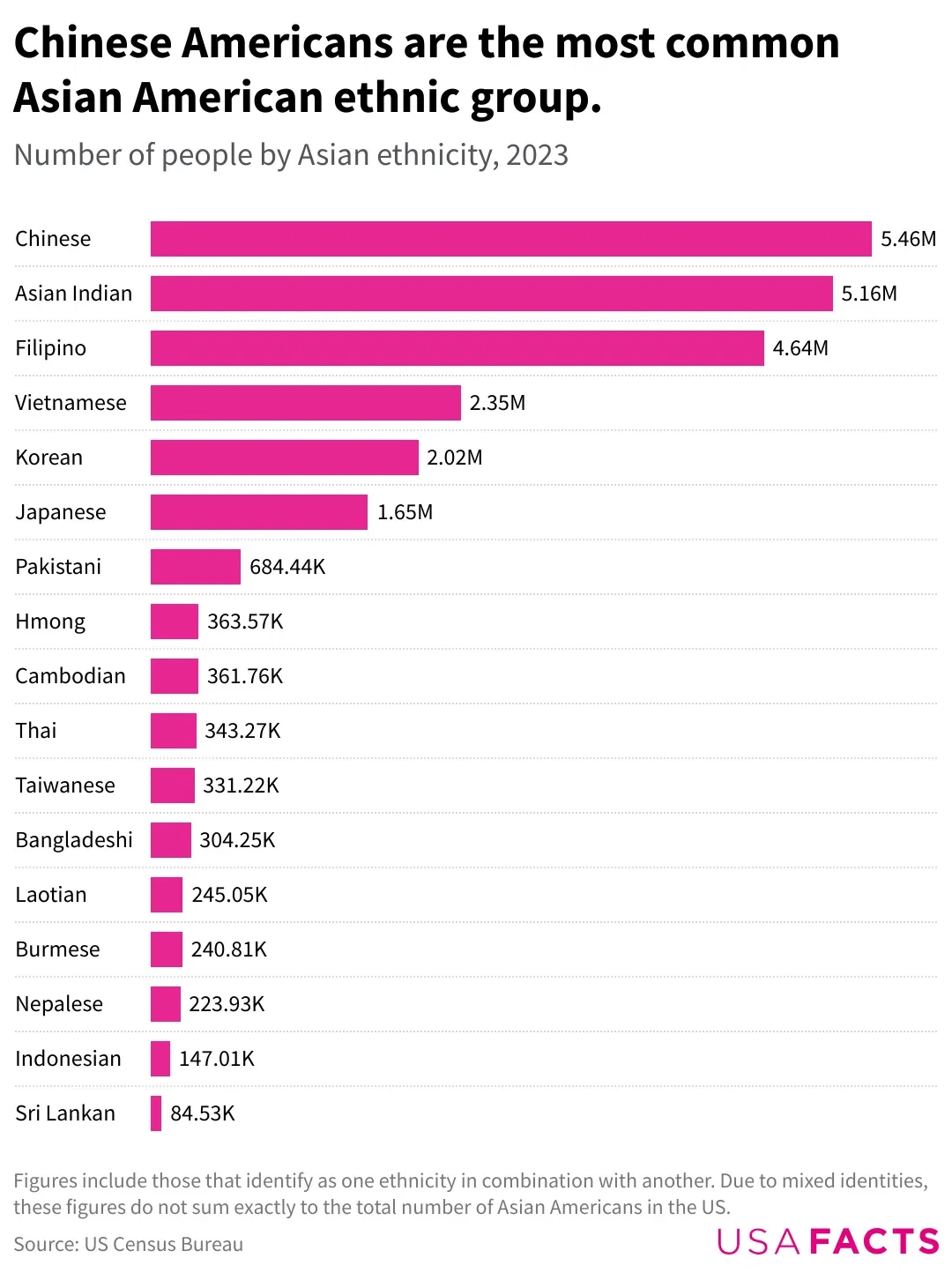
Major subgroups within this population—such as Chinese, Filipino, Indian, Vietnamese, Korean, and Japanese Americans—often exhibit distinct socio-economic profiles, religious affiliations, and geographic distribution patterns. Understanding the "Asian American population in the US today" requires moving beyond aggregate statistics to acknowledge these internal nuances, as the experience of an established professional of Japanese descent in Hawaii differs significantly from that of a recent refugee family from Southeast Asia or a tech professional on an H-1B visa.
Population Growth and Geographic Distribution
The rapid expansion of the Asian American population is a primary driver of the nation’s shifting demographics. Data from the Census Bureau and independent research institutions show that the Asian American share of the total U.S. population has grown consistently over the past three decades.
Historical Growth Trajectory
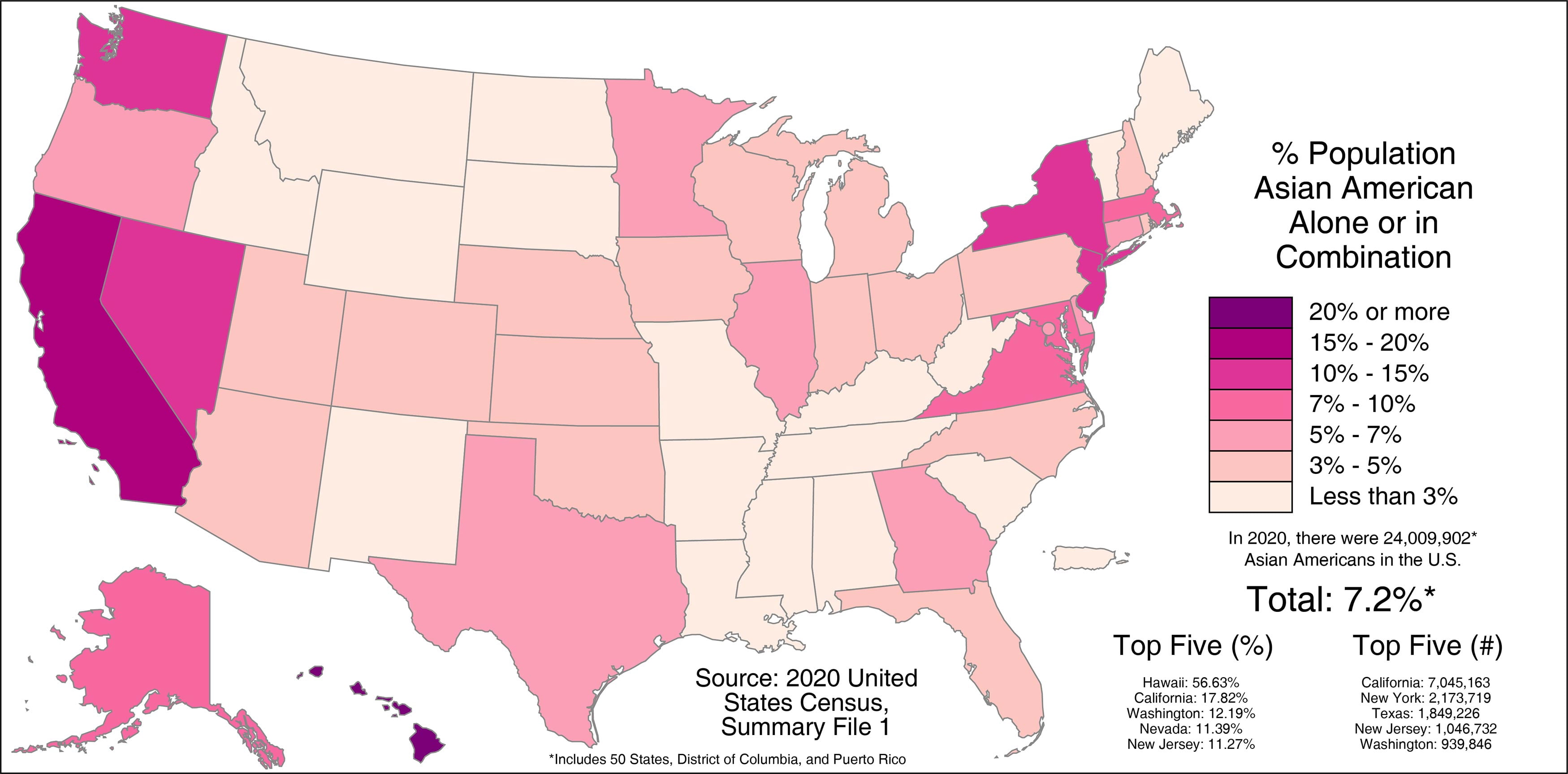
The Immigration and Nationality Act of 1965 removed national-origin quotas, which fundamentally altered the demographic composition of the United States. Subsequent waves of migration, alongside the birth of second and third generations, have led to a population that now counts over 24 million individuals. Unlike historical migration patterns that were largely concentrated in coastal urban centers, the current distribution shows increased integration into suburban environments and emerging hubs across the American South and Midwest.
Geographic Hotspots
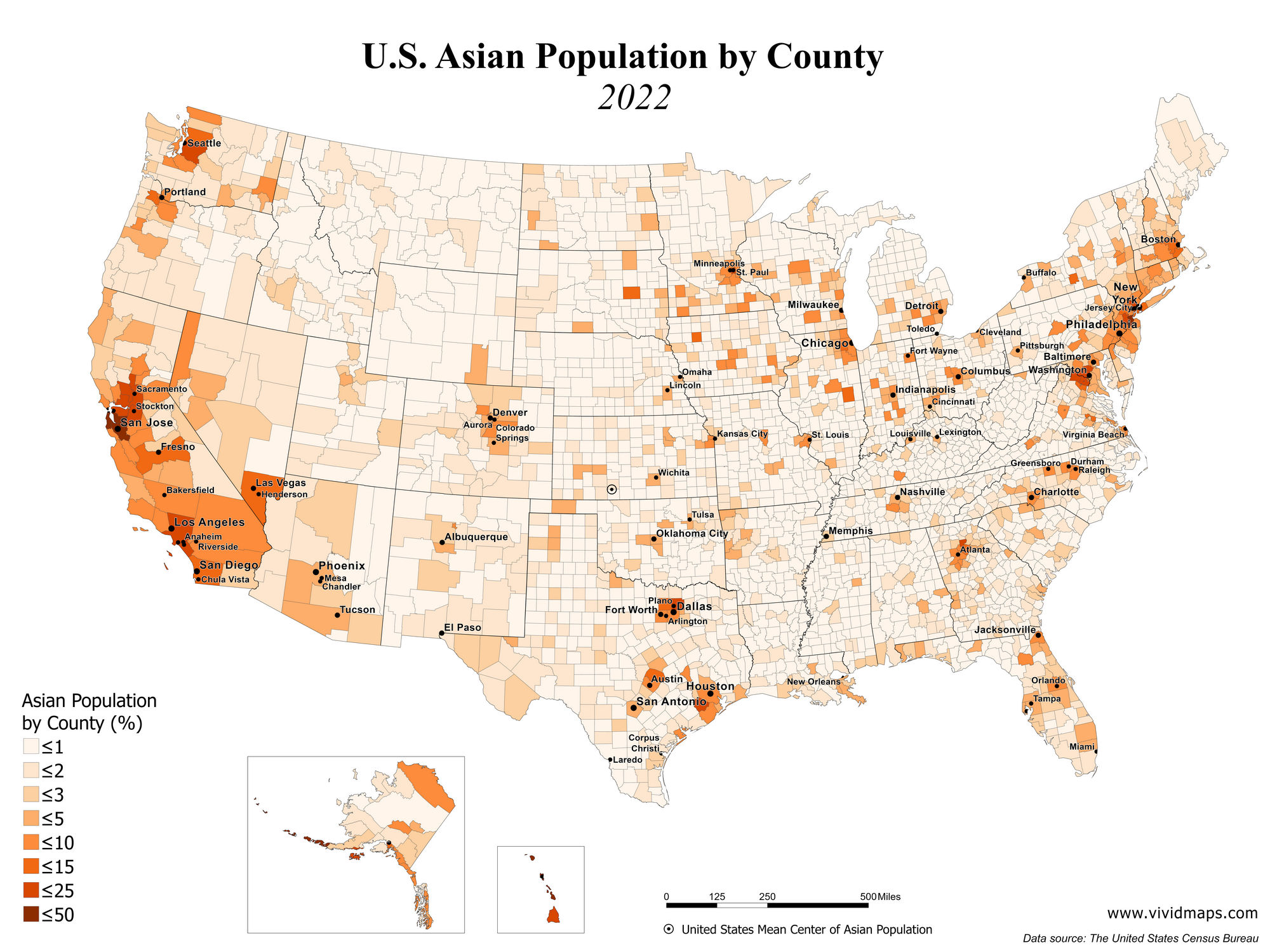
While California, New York, and Texas remain states with the highest absolute numbers of Asian Americans, the percentage of the population identifying as Asian is increasing in suburban counties across the country. This trend is often linked to the growth of the technology and healthcare sectors, where many Asian Americans are highly represented. The movement away from traditional "Chinatowns" or ethnic enclaves toward broader residential integration reflects higher rates of educational attainment and economic mobility.
Socioeconomic Diversity: Beyond the "Model Minority" Myth
A critical lens through which to analyze the Asian American population is the economic data, which frequently challenges the persistent and harmful "model minority" myth. While the aggregate median household income for Asian American families often ranks higher than the national average, this figure is highly skewed by the immense economic disparity between different ethnic groups.
The Income Gap
Aggregate data can obscure the struggles of Southeast Asian and Pacific Islander subgroups, who may face significantly higher rates of poverty and limited access to resources compared to other Asian ethnic groups. When researchers disaggregate data by national origin, it becomes clear that there is no singular "Asian American experience." Some groups report high median earnings tied to specialized high-skill visas, while others—particularly those who arrived as refugees or through family-sponsored immigration—may contend with systemic barriers, language access issues, and underemployment.
Educational Attainment
Educational achievement is a defining characteristic for much of the Asian American population, with high percentages of adults holding bachelor's or advanced degrees. This trend is mirrored by high participation rates in competitive higher education, though this has also led to ongoing debates regarding admissions policies, the impact of "bamboo ceiling" barriers in corporate leadership, and the psychological burden of high expectations placed upon Asian American youth.
The Role of Immigration and Visa Status
The composition of the Asian American population is continuously influenced by U.S. immigration policy. The current immigration landscape is defined by a mix of family-based reunification, employment-based migration (such as the H-1B and L-1 visa programs), and humanitarian pathways for refugees.
| Immigration Category | Primary Drivers | Impact on Demographics |
|---|---|---|
| Employment-Based | Tech, Medical, STEM | Drives growth in major urban/suburban hubs |
| Family-Sponsored | Long-term residency patterns | Supports multigenerational households |
| Humanitarian/Refugee | Political and social instability | Diversifies ethnic and socioeconomic needs |
| Student Visas (F-1) | Higher Education | Creates a transient but influential community |
The interplay between visa status and long-term population growth is a point of significant policy discussion in 2026. Many individuals enter the U.S. for education or specialized work, and their transition to permanent residency (Green Card status) is subject to complex bureaucratic backlogs, particularly for nationals of countries with high demand for employment-based visas.
Linguistic and Cultural Maintenance
Language diversity is one of the most prominent features of the community. According to American Community Survey data, the majority of Asian American adults speak a language other than English at home. This linguistic diversity necessitates robust access to multilingual government services, healthcare information, and community resources.
While English proficiency is high among second and third-generation individuals, the preservation of heritage languages remains a significant cultural priority. Schools, religious institutions, and media outlets catering to Asian American communities serve as essential social hubs, facilitating intergenerational communication and the transmission of cultural values.
Civic Engagement and Political Representation
In 2026, the political influence of the Asian American population is more visible than ever before. Historically viewed as a "swing" or under-mobilized voting bloc, Asian Americans are increasingly active in both local and national politics.
Voter Trends
Asian Americans are one of the fastest-growing segments of the electorate. Voter mobilization efforts have shifted from generic outreach to targeted campaigns that address specific issues such as immigration reform, language access, small business support, and civil rights. As this population gains greater representation in municipal, state, and federal offices, the policy priorities of the community are finding more direct avenues into the legislative process.
Challenges to Representation
Despite progress, the community faces challenges in achieving proportional representation in executive leadership roles within the corporate and political sectors. Advocacy groups continue to highlight the importance of inclusive hiring practices and the need for decision-making bodies to reflect the diversity of the constituencies they serve.
Healthcare and Public Health Considerations
Access to healthcare is a foundational aspect of the "Asian American population in the US today." Because of the extreme diversity within the group, public health initiatives must be culturally and linguistically adapted to be effective.
- Preventative Care: Certain groups face higher risks for specific chronic conditions, such as diabetes or cardiovascular disease, which require targeted screenings and education.
- Mental Health: There is growing recognition of the need for culturally competent mental health services that address the unique pressures—including discrimination and intergenerational conflict—faced by Asian Americans.
- Language Barriers: In rural and suburban areas with growing populations, the lack of medical providers who speak the patient's native language remains a significant barrier to quality care.
FAQs on the Asian American Population
1. Is "Asian American" the same as "Pacific Islander"? While the two groups are often grouped together as AAPI (Asian American and Pacific Islander) for the purposes of government data, they are distinct in their heritage, history, and current socioeconomic experiences. The Census Bureau collects data for both, but they represent unique cultural and demographic identities.
2. Why is there such a wide disparity in income levels among Asian Americans? The disparity stems from different immigration histories, educational backgrounds, and the specific industries in which various ethnic groups are concentrated. Many Asian Americans are highly skilled professionals on work visas, while others are refugee groups or family-based immigrants with different economic starting points.
3. How does the "Model Minority" myth affect the Asian American community? This myth, which assumes all Asian Americans are universally wealthy and successful, obscures the real economic hardships faced by many subgroups. It can lead to the neglect of social service needs, ignore systemic discrimination in workplace advancement, and create harmful societal expectations that pressure youth.
4. Where are the fastest-growing Asian American communities in the U.S.? Growth is no longer restricted to traditional coastal cities. Many states in the Sun Belt—including Nevada, Georgia, and North Carolina—have seen significant increases in their Asian American populations over the last decade due to job growth and lower costs of living.
5. How is the Asian American population counted in the Census? The Census uses self-identification. Respondents choose their race based on their heritage from the Indian subcontinent, Southeast Asia, or East Asia. The Census also provides space for respondents to specify their exact ethnic background, which is how researchers distinguish between groups like Filipino, Korean, or Thai Americans.
Conclusion and Future Outlook
As we look toward the latter half of the 2020s, the Asian American population is poised to continue its trajectory of growth and influence. The primary task for policymakers, researchers, and community leaders is to move toward a more granular understanding of the community. By disaggregating data and addressing the specific needs of diverse ethnic subgroups, the U.S. can better support a community that contributes extensively to its economic innovation, cultural vitality, and civic life. For those seeking to engage with or serve this population, prioritizing linguistic accessibility, recognizing socioeconomic diversity, and investing in culturally competent services are the most effective next actions to ensure equity and progress for all.