The Asian Indian perception of life insurance has undergone a significant transformation, moving from a view of insurance primarily as a tax-saving instrument toward recognizing it as a critical pillar of long-term financial security. While traditional reliance on family support systems and gold-based savings remains prevalent, modern policyholders in India are increasingly prioritizing risk mitigation, income replacement, and family protection in their long-term financial planning.
Historical Context and Traditional Attitudes
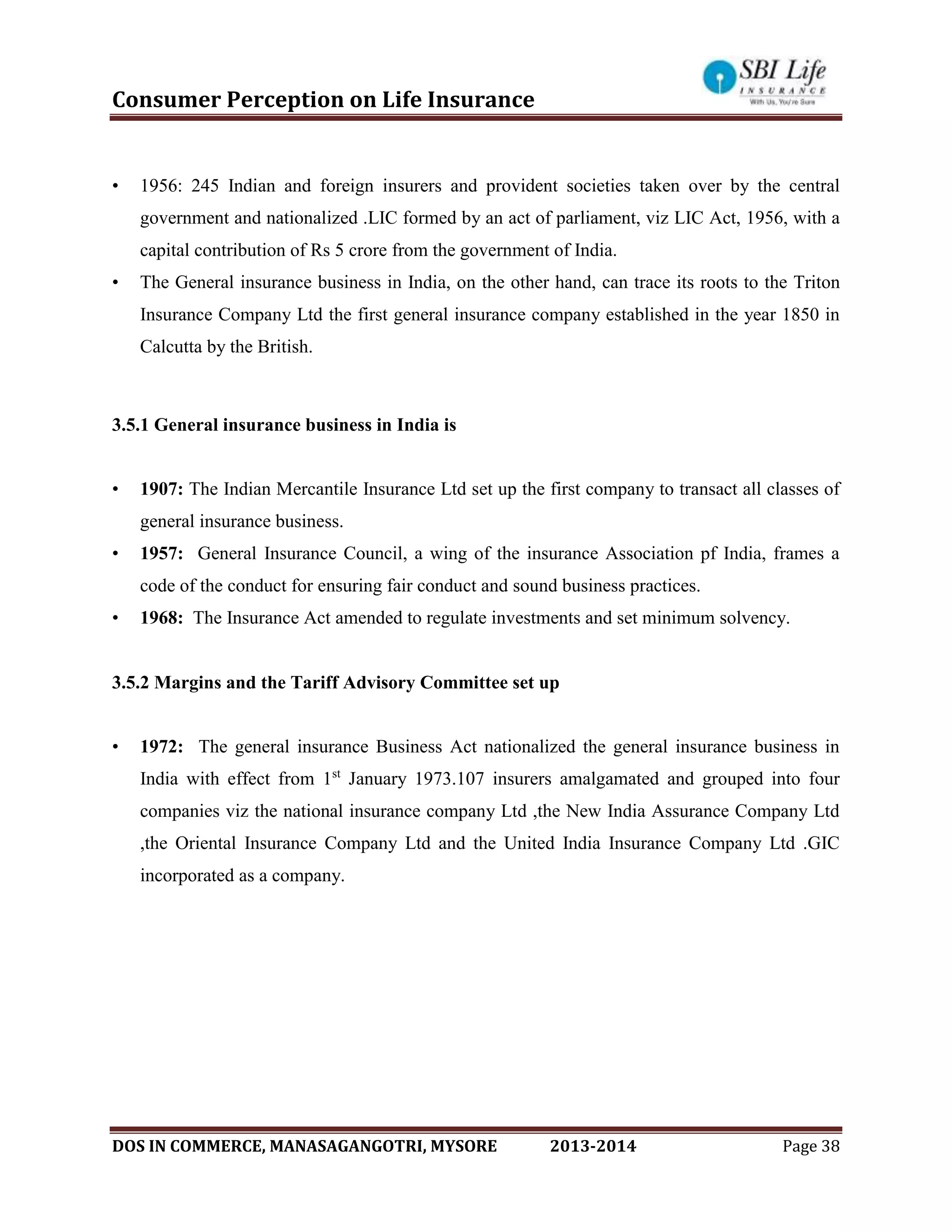
For decades, the Indian household viewed life insurance through a restrictive lens. It was rarely considered a fundamental requirement for risk management. Instead, it was categorized as a financial product to be purchased at the end of the fiscal year, primarily to leverage tax deductions under Section 80C of the Income Tax Act.
Historically, this perspective was rooted in two social realities: the "joint family" structure and the prioritization of tangible assets. In a joint family, the loss of an earning member was often mitigated by the shared resources of the extended family unit. Insurance was seen as redundant in a system where social capital acted as a safety net. Furthermore, Indian households historically favored real estate and physical gold as the primary vehicles for wealth preservation and inheritance. Insurance, being an intangible contract, often failed to compete with the psychological comfort of holding gold jewelry or land titles.
The Shift Toward Financial Formalization
As of 2026, the perception of life insurance in India is dictated by increasing financial literacy and the migration toward nuclear family structures. The rise of the urban middle class has necessitated a more formalized approach to wealth management.
Several factors have accelerated this shift:
- Urbanization and Nuclearization: With the decline of the joint family system, the reliance on a single or dual-income household has increased. The death of a breadwinner in a nuclear family unit now creates an immediate liquidity crisis, making the death benefit of a term policy a necessity rather than an optional expense.
- Access to Digital Platforms: The proliferation of insurance aggregators and direct-to-consumer digital channels has reduced the "trust deficit" often associated with traditional agency-based models. Policyholders can now verify insurer solvency ratios and claim settlement percentages online, fostering a more empirical approach to selection.
- Complexity of Modern Debt: Unlike previous generations, modern Indians are heavily leveraged with home loans, education loans, and personal credit. The perception of insurance has expanded to include "debt redemption," where the policy serves to clear outstanding liabilities, ensuring that family members are not burdened by inherited debt.
Product Categorization and Usage Trends
The Asian Indian market demonstrates a distinct bifurcation in how different insurance products are perceived. While term insurance is increasingly viewed as a "must-have" for pure protection, investment-linked products continue to occupy a complex space in the Indian financial psyche.
Comparing Traditional and Modern Insurance Perspectives
| Feature | Traditional View (1990s–2010s) | Modern View (2020s–2026) |
|---|---|---|
| Primary Motivation | Tax saving (Section 80C) | Risk protection and income replacement |
| Purchasing Channel | Tied agents / Personal relationships | Online aggregators and digital apps |
| Preferred Product | Endowment plans / Money-back policies | Pure term insurance |
| Role of Gold | Primary hedge against death/crisis | Complementary asset, not a substitute for cover |
| Financial Goal | Forced savings | Wealth protection and debt clearance |
The persistence of endowment and money-back plans—products that combine insurance with savings—remains a unique feature of the Indian market. Despite financial experts advocating for the separation of insurance and investment, many Indian households prefer the "guaranteed" return aspect of traditional insurance plans, which they perceive as safer than market-linked volatility.
Challenges in Perception: Trust and Claim Settlement
Despite the positive trajectory, skepticism remains, particularly regarding the claim settlement process. A recurring theme in the Indian insurance narrative is the fear of claim rejection. This concern is often fueled by anecdotal evidence and historically opaque documentation processes.
For many, the perception of "insurance" is still colored by the fear that companies find ways to avoid paying the death benefit. In response to this, the Insurance Regulatory and Development Authority of India (IRDAI) has mandated transparency, leading to the public disclosure of Claim Settlement Ratios (CSR). While the CSR is a valuable metric, it is often misunderstood by consumers who may interpret it as a measure of policy quality rather than a measure of operational efficiency. Educating the consumer on the difference between a high CSR and product suitability is a central challenge for insurers in 2026.
The Impact of Economic Volatility
The Indian economy’s exposure to global financial fluctuations has reinforced the importance of life insurance as a hedge. During periods of high inflation, the realization that cash savings in a standard savings account lose value has driven policyholders toward products that offer stable, inflation-adjusted death benefits.
Moreover, the increasing cost of medical expenses—which are often excluded from or under-covered by standard health insurance—has led to a greater interest in "riders." Policyholders are now more likely to opt for critical illness and permanent disability riders alongside their life insurance, indicating a more sophisticated understanding of risk management beyond just mortality.
Regulatory Influence and Consumer Protection
The regulatory environment in India has been a primary driver in changing the public perception of the insurance industry. By focusing on standardizing product documentation, simplifying the grievance redressal mechanism, and promoting e-insurance accounts (eIA), the IRDAI has made the insurance lifecycle more user-friendly.
The transition from a "push" market—where insurance was sold through persistent agents—to a "pull" market—where consumers research and buy policies based on their own requirements—has been the most significant development of the current decade. This empowerment has shifted the dynamic, making the insurer more accountable and the consumer more discerning.
Frequently Asked Questions
Why do many Indians still prefer endowment policies over term insurance?
Many Indians prefer endowment plans because they provide a sense of "return" on investment. Unlike pure term insurance, which provides a payout only in the event of death, endowment plans offer a maturity benefit. This aligns with the cultural preference for guaranteed savings, providing psychological comfort that the premiums paid are not "lost" if the insured survives the policy term.
How does the current generation view life insurance differently from their parents?
The current generation views insurance as an essential financial utility rather than a financial instrument for savings. They are more focused on calculating the "human life value" (HLV) to determine the sum assured required to maintain their family’s lifestyle in their absence, whereas previous generations often viewed insurance as a secondary, tax-efficient savings pool.
Is the claim settlement ratio a reliable metric for consumers?
The Claim Settlement Ratio (CSR) is a reliable indicator of an insurer's operational performance regarding the percentage of claims paid out versus those received. However, it should not be the sole metric for decision-making. Consumers should also look at the persistency ratio and the company's financial stability, as a high CSR doesn't necessarily guarantee that a specific product fits an individual's unique needs.
What is the role of digital transformation in life insurance adoption?
Digital transformation has lowered the barrier to entry. Through mobile apps and web portals, consumers can now compare policy premiums, read policy wordings without jargon, and purchase coverage in minutes. This digital accessibility has removed the pressure of dealing with intermediaries, allowing for informed, data-driven decisions.
Strategic Recommendations for Policyholders
When evaluating life insurance in 2026, prioritize the following actions:
- Determine Your HLV: Calculate your Human Life Value based on your current annual income, outstanding debts, and future financial obligations for dependents. Do not rely on ad-hoc coverage amounts.
- Prioritize Pure Protection: Before considering investment-linked products, ensure you have a pure term policy that covers your total liabilities and provides a sufficient income replacement buffer.
- Verify Documentation: Ensure that your medical history is disclosed with total accuracy during the application process. Most disputes in the Indian context arise from non-disclosure of existing conditions, which can lead to claim rejection years later.
- Regular Review: Life insurance is not a "set and forget" product. Review your coverage every time there is a major life event, such as marriage, the birth of a child, or the acquisition of a large mortgage.
By treating life insurance as an essential component of risk architecture—rather than a yearly tax-saving hurdle—Indian households can transition from reactive, short-term planning to a proactive, long-term strategy for multi-generational wealth protection.