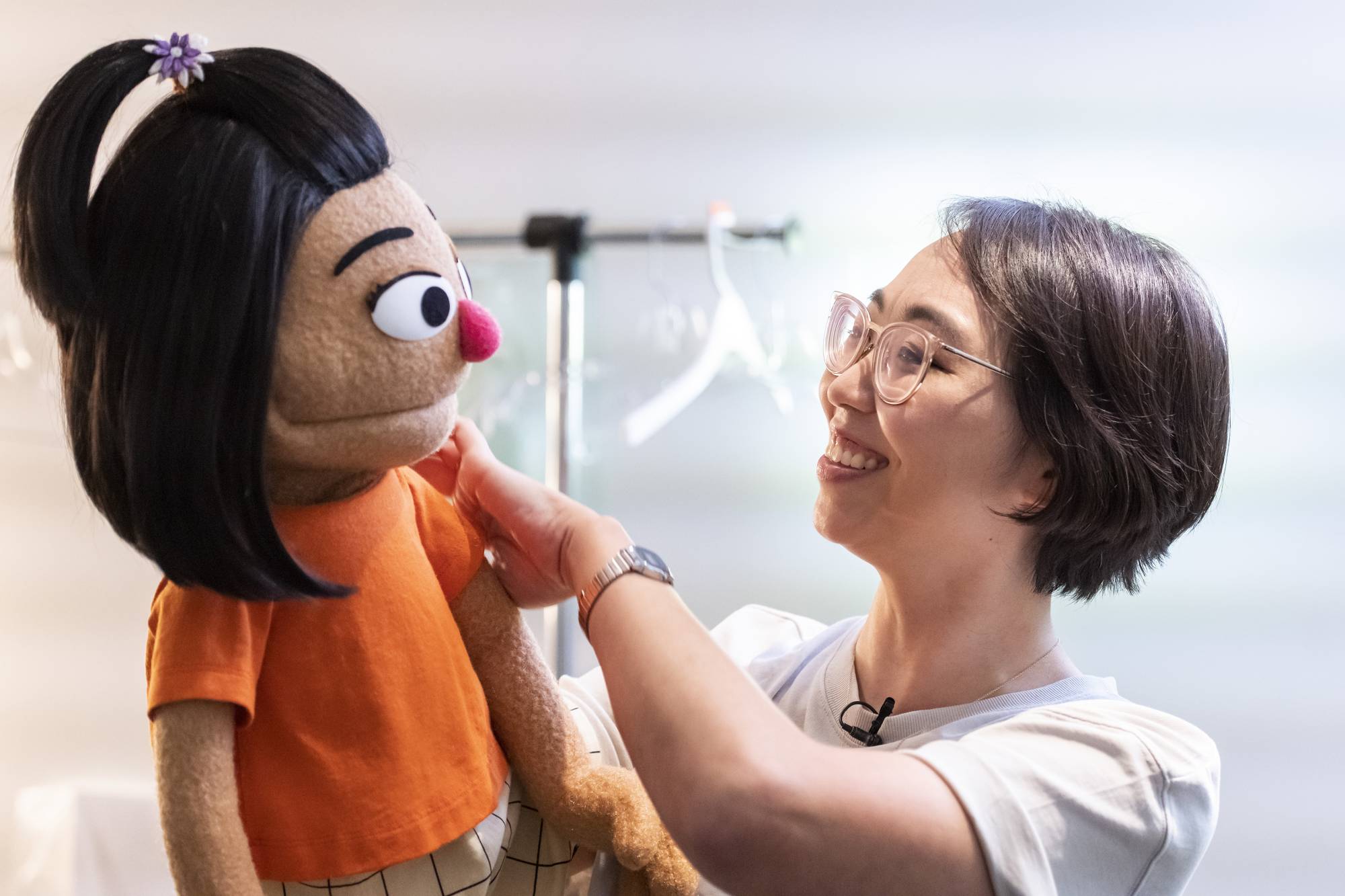
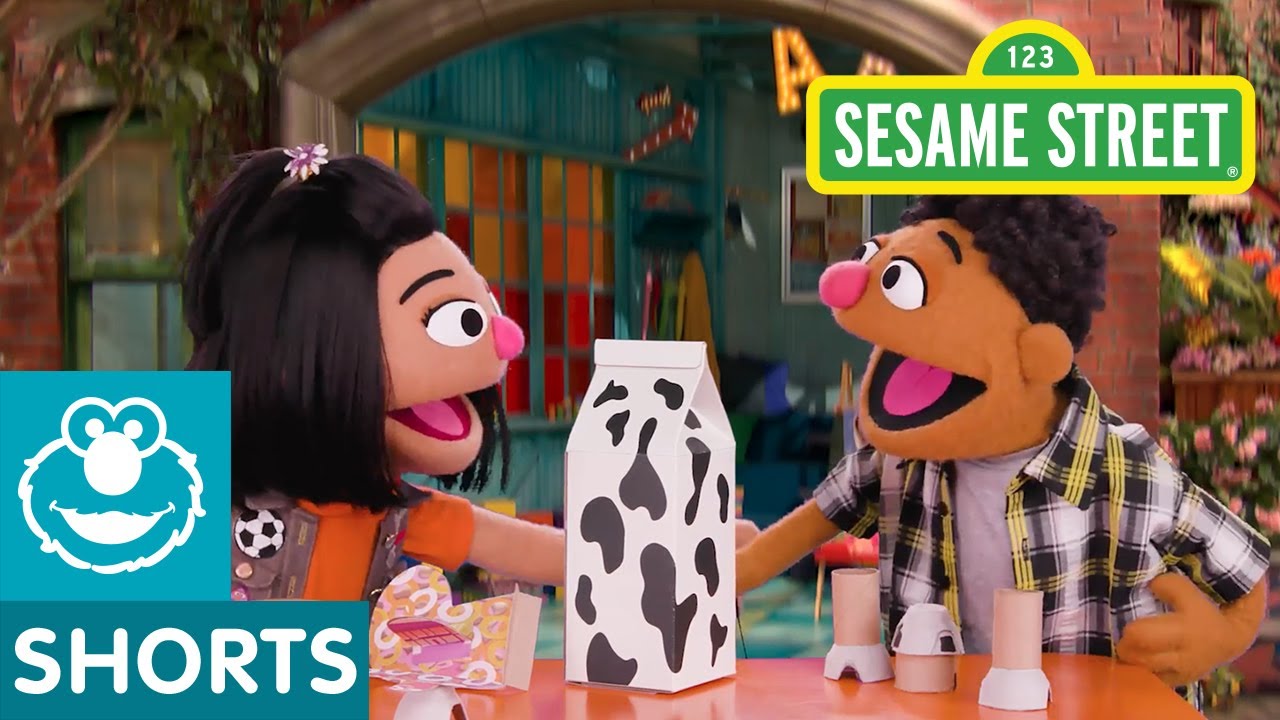
Sesame Street made history in November 2021 by introducing Ji-Young, the program’s first official Asian American Muppet. A seven-year-old Korean American girl, Ji-Young was created to foster conversations about racial justice and inclusion, serving as a permanent addition to the show’s cast to help young viewers navigate complex social realities through the lens of empathy and community.
The Genesis of Ji-Young: A Response to Rising Anti-Asian Sentiment
The development of Ji-Young was not a spontaneous creative decision but rather a deliberate response to the sociopolitical climate in the United States. Following the significant rise in anti-Asian hate crimes and discrimination that surged during the COVID-19 pandemic, the creative team at Sesame Workshop sought a way to address these issues in a manner accessible to children.
For decades, Sesame Street has been recognized for its commitment to reflecting the diversity of the world its audience inhabits. By introducing a character whose identity is rooted in the Asian American experience, the producers aimed to provide a mechanism for children to talk about race and belonging. Ji-Young’s debut was specifically featured in the "See Us Coming Together: A Sesame Street Special," which highlighted Asian and Pacific Islander communities in America.
The character’s name, Ji-Young, holds significant meaning. In Korean, the name can carry various connotations, but for the show's writers, it was chosen to anchor the character in a specific cultural heritage. Her backstory—being Korean American—allows the show to explore nuances of the immigrant experience, language, and cultural identity while maintaining the lighthearted, educational spirit of the program.
Design and Puppetry: The Technical Artistry Behind the Character
Creating a new Muppet is an intensive, highly technical process that involves far more than simply deciding on a personality. For Ji-Young, the designers had to consider visual representation, the mechanics of puppetry, and the need for the character to remain expressive enough to communicate complex emotional states to a preschool audience.
Physical Attributes and Personality
Ji-Young is characterized by her vibrant, youthful aesthetic. She typically wears bright colors and has hair styled in a way that resonates with many Korean American children, providing a sense of relatable authenticity. From a puppetry perspective, she was designed by the talented team at the Jim Henson Creature Shop. The performer behind Ji-Young, Kathleen Kim, is a key figure in this process. As an Asian American puppeteer, Kim brings a layer of lived experience to the character, ensuring that the movements and vocal nuances feel natural and respectful.
Integration into the Cast
Integration involves ensuring that the new character has established chemistry with legacy characters. Ji-Young’s primary interactions often involve Elmo, Abby Cadabby, and Big Bird. These interactions serve as a conduit for the show’s curriculum. When Ji-Young faces a moment of misunderstanding or exclusion, the established characters provide the support system necessary to model inclusive behavior for the viewers. This dynamic is essential for the show’s mission of teaching children how to be "upstanders" against prejudice.
The Role of Representation in Early Childhood Education
The introduction of Ji-Young is a case study in the efficacy of diverse representation in educational media. Research in developmental psychology suggests that children begin to notice racial differences at a very young age. Without proper guidance, these observations can lead to the formation of biases.
Combatting Stereotypes Through Familiarity
By placing Ji-Young in familiar environments—the stoop, the park, and Hooper’s Store—Sesame Street normalizes the presence of Asian Americans in the fabric of American daily life. This helps break down "othering," the psychological process where individuals are categorized as outsiders. When a child sees a character they like and respect eating Korean food or celebrating cultural traditions, that behavior becomes part of the child's broader understanding of what is "normal."
Developing Emotional Intelligence
Ji-Young’s scripts are crafted to build emotional intelligence. In her early appearances, she dealt with incidents where individuals told her to "go back" to where she came from. The show handled this delicately, using the character’s reaction to teach children that words have power and that such comments are hurtful. This provides parents and educators with a structured, age-appropriate script for addressing similar real-world issues.
Comparison: Notable Milestones in Sesame Street Representation
Sesame Street has evolved significantly since its inception in 1969. The show has consistently adapted to reflect the changing demographics of the United States. Below is a comparative look at how the show has integrated various aspects of diversity into its character roster.
| Character / Milestone | Type of Representation | Significance |
|---|---|---|
| Roosevelt Franklin | Cultural identity | Early attempts to address Black heritage (1970s). |
| Julia | Neurodiversity | Introduced in 2017 to foster understanding of autism. |
| Ji-Young | Asian American | First official Asian American Muppet (2021). |
| Wes and Elijah | Racial Justice | Father-son duo used to explain the concept of race (2021). |
This table illustrates that Ji-Young is not an isolated experiment but part of a long-term, iterative effort by the Sesame Workshop to ensure that every child finds a mirror for themselves on the screen.
Practical Guidance for Educators and Parents
For adults looking to use Ji-Young’s presence as a teaching tool, there are several evidence-based approaches to consider. The goal should be to create a space where questions about race and identity are welcomed rather than shamed.
1. Contextualize the Character
Explain that Ji-Young represents a large group of people who are part of the American community. Use her background as a jumping-off point to discuss the history of Asian Americans in the region where you live.
2. Focus on Commonality
While celebrating the unique aspects of Ji-Young’s culture, emphasize the things she has in common with other Muppets—her love of music, her desire to play, and her loyalty to her friends. This balance reinforces that despite different backgrounds, core human values are universal.
3. Addressing "Mean Words"
If a child asks why someone would be mean to Ji-Young, use the language established in the show. Explain that sometimes people say mean things because they do not understand or are afraid of things that are different, but that it is the responsibility of the community to be kind and stand up for one another.
4. Encourage Curiosity
If a child expresses interest in the food, language, or traditions Ji-Young shares, follow that curiosity. Visit a local library for books about Korea or try cooking a simple, culturally significant meal together. Education is most effective when it leads to positive, real-world experiences.
Addressing Common Questions Regarding Representation
The introduction of new, identity-focused characters often invites public scrutiny and questions regarding the long-term impact on the show's format.
Does the addition of Ji-Young change the show's core curriculum?
No, the core curriculum remains focused on school readiness—literacy, numeracy, and emotional growth. Ji-Young simply provides a broader context for the "social-emotional" pillar of the curriculum, which has always been a fundamental part of the program.
Is Ji-Young meant only for Asian American children?
Absolutely not. The character is intended for the entire audience. For Asian American children, she provides validation and a sense of belonging. For children of other backgrounds, she provides an opportunity to develop empathy and challenge prejudices before they become deeply ingrained.
How are the cultural elements of Ji-Young verified?
Sesame Workshop works with cultural consultants and subject-matter experts to ensure that the representation of Korean culture and the Asian American experience is accurate, respectful, and free from harmful tropes or caricatures.
Where can I find more resources on Ji-Young?
Sesame Workshop maintains a digital archive and learning resources on their official website. These materials include episode clips, printables, and discussion guides specifically designed to help parents facilitate conversations about race and inclusion.
Next Steps for Continued Engagement
To effectively incorporate Ji-Young into your child's viewing or learning routine, focus on consistent, positive reinforcement of her themes. Watch the "See Us Coming Together" special again, not just for the story, but to analyze the interactions between the characters. Ask your children questions like, "How did Ji-Young feel when her friends stood up for her?" or "What makes Ji-Young a good friend?"
By engaging with the content actively, you turn a passive viewing experience into a formative life lesson. As we move through 2026, the ongoing presence of characters like Ji-Young serves as a reminder that the work of building an inclusive society is a constant process—one that starts with the stories we choose to tell our children.