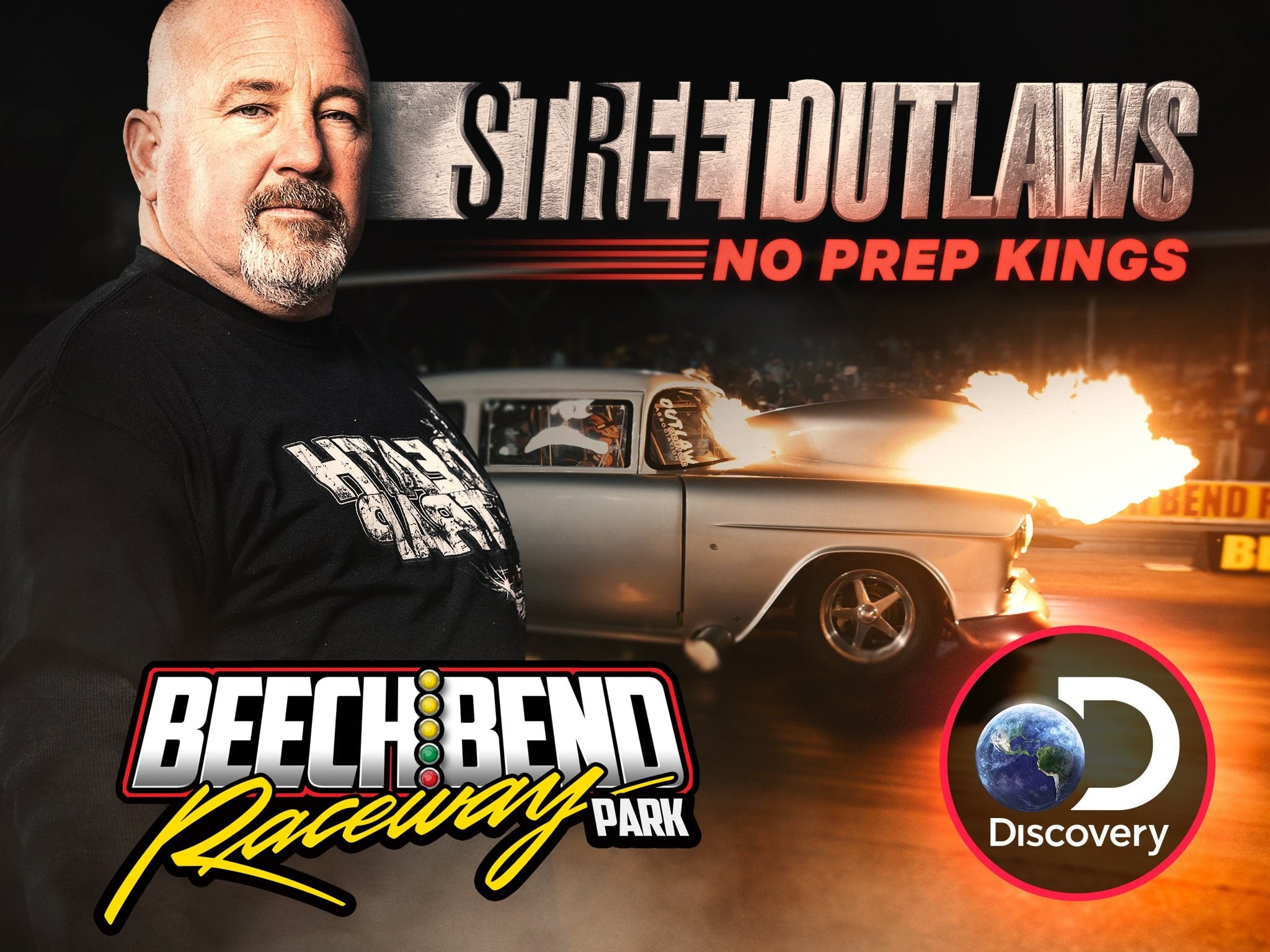
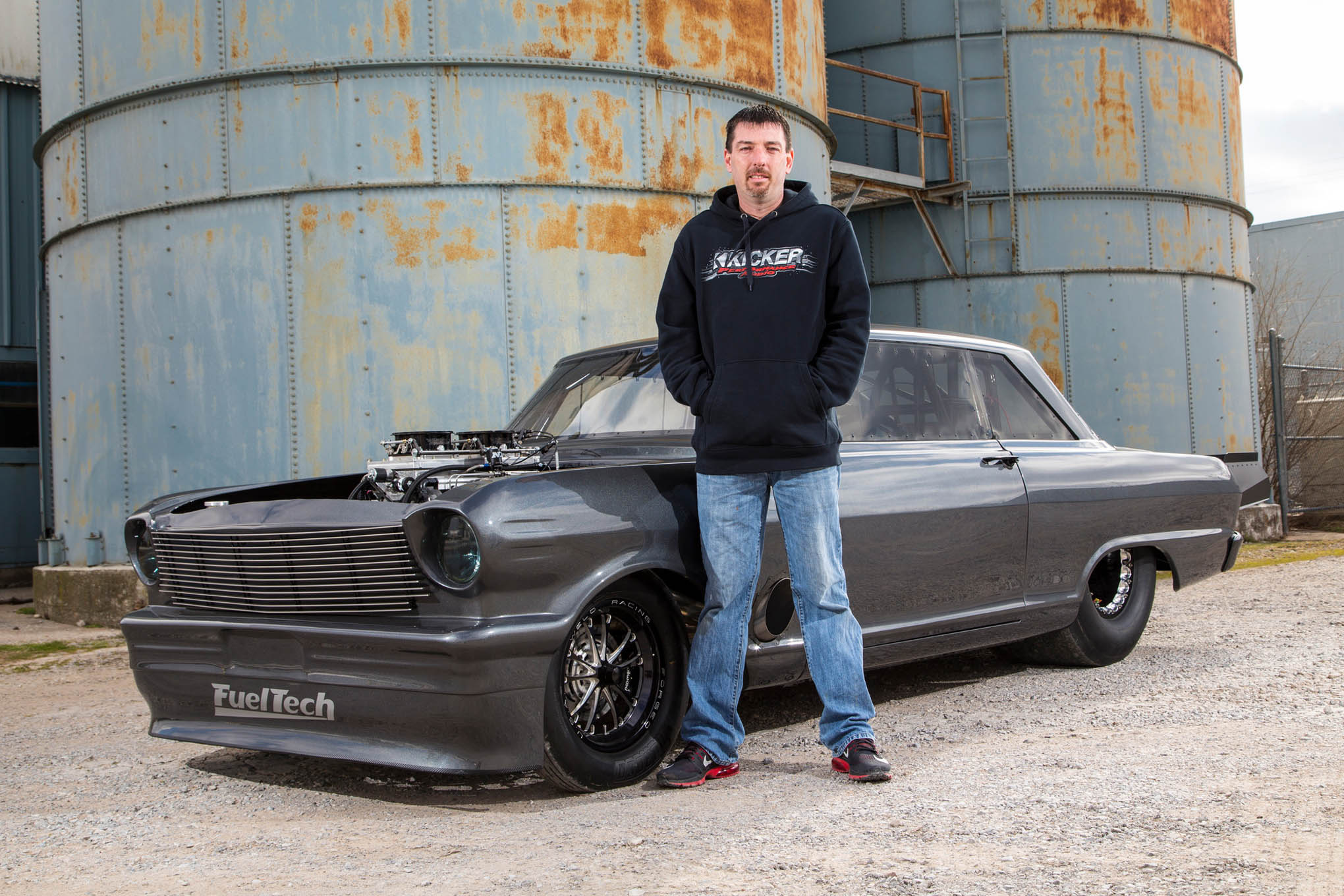
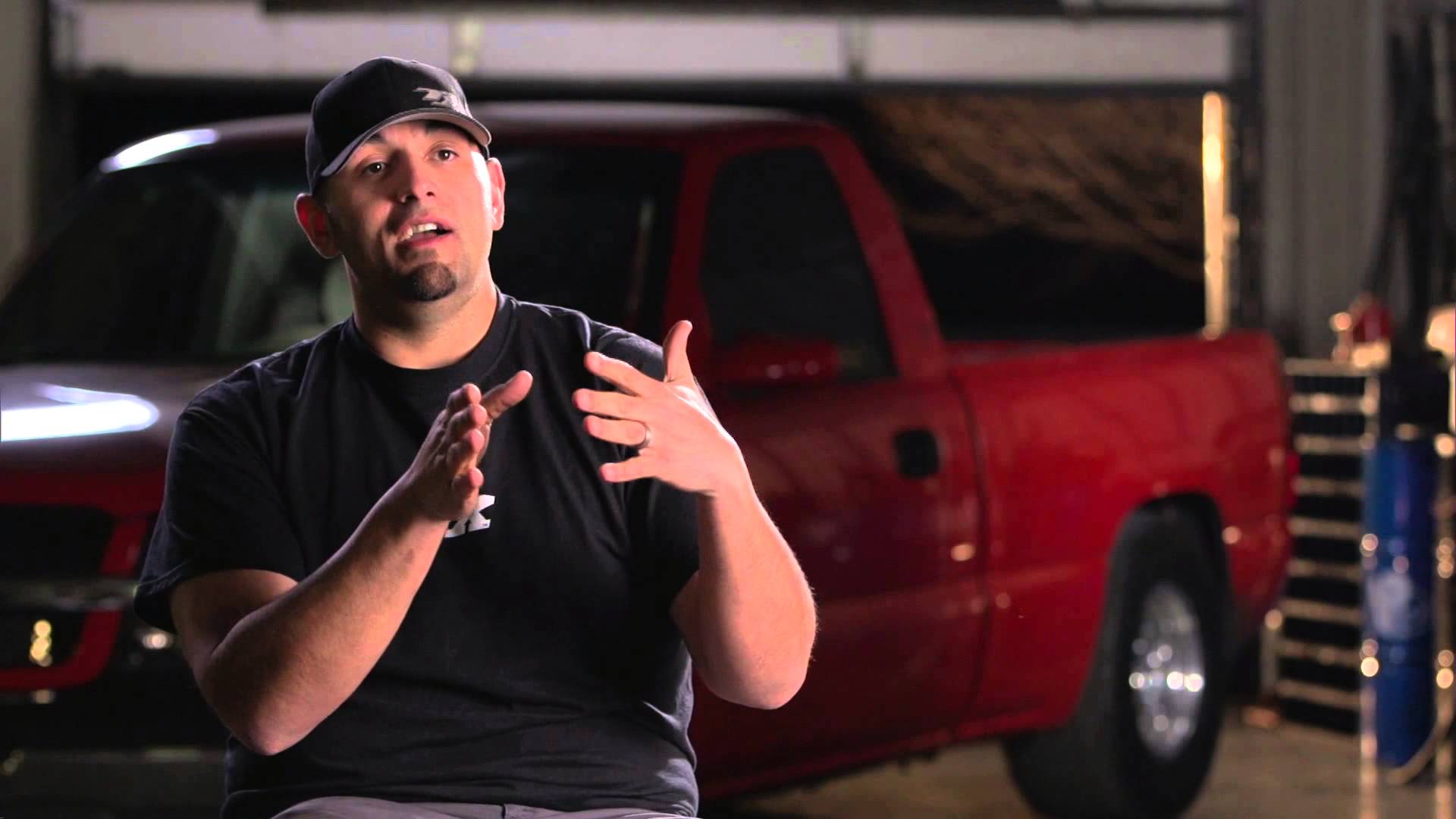
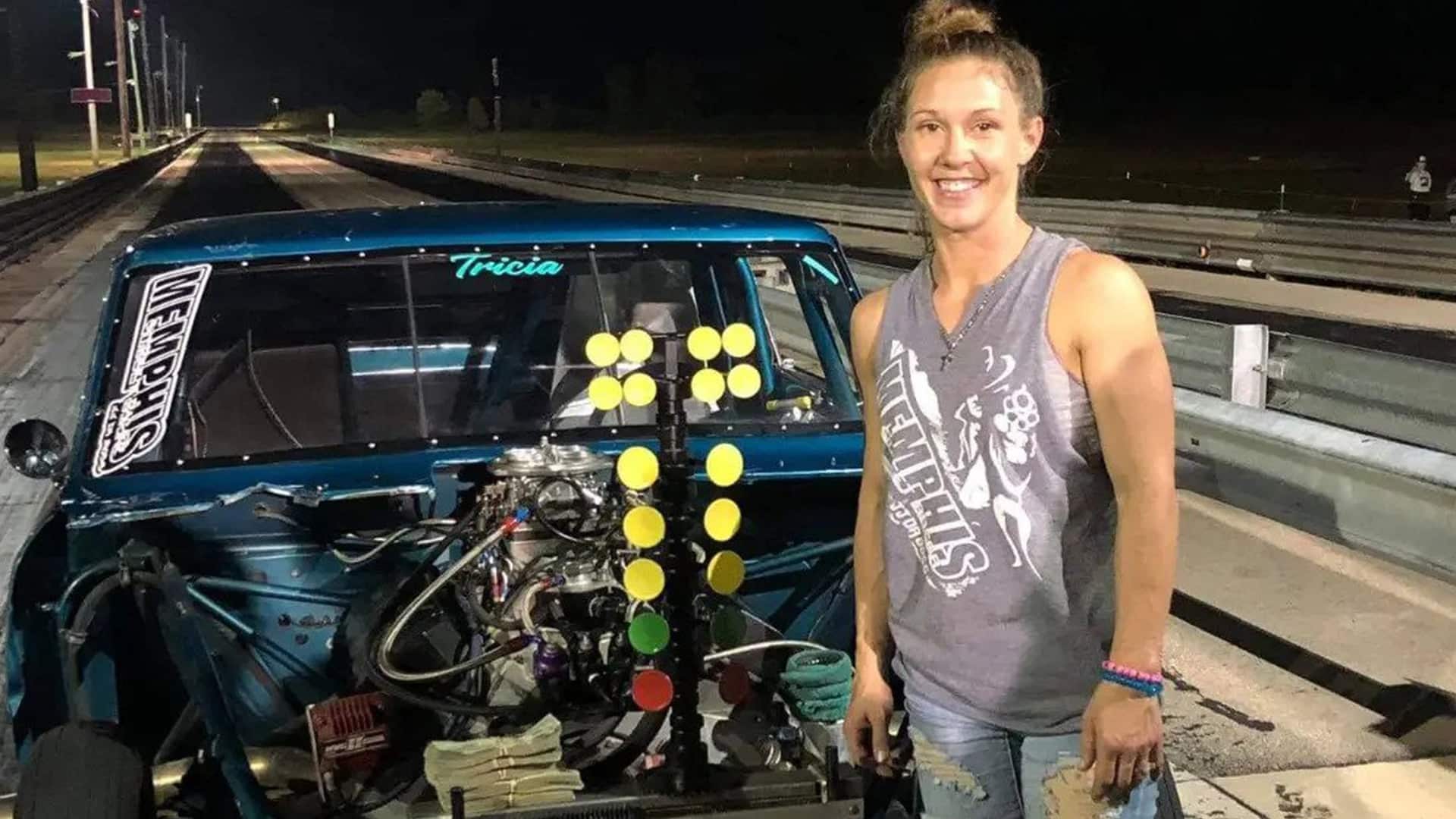
The financial standing of personalities associated with the Street Outlaws franchise, particularly those often discussed under the umbrella of "Asian Street Outlaws" or individual racers of Asian descent within the high-stakes world of street racing, is a complex intersection of television contracts, professional racing sponsorships, and private business ventures. While the term "Asian Street Outlaws" does not refer to a standalone spin-off series, it frequently identifies the significant contributions of high-profile racers like Daddy Dave, Doc, or others whose heritage or specific appearances have generated intense viewer interest. Estimating their net worth requires looking beyond simple performance bonuses, as the true value of these figures is tied to brand building, merchandise, and the high cost of maintaining competitive racing machines.
The Economic Model of Street Racing Entertainment
To understand the net worth of prominent figures in the Street Outlaws universe, one must first recognize that professional street racing—as depicted on Discovery’s long-running series—is a unique blend of reality television production and legitimate automotive performance sport. Unlike professional organizations such as the NHRA (National Hot Rod Association), where purses are clearly defined and publicized, the financial structures within the Street Outlaws community are multifaceted and largely private.
The income streams for these individuals generally consist of three primary pillars:
- Television Compensation: Contracts for reality television talent are dictated by tenure, fan engagement, and production necessity. Performers who maintain a consistent presence across seasons, spin-offs, and specials typically command higher per-episode rates.
- Sponsorship and Partnerships: High-performance racing is expensive. Successful racers often secure partnerships with manufacturers of turbochargers, tires, fuel systems, and engine components. These deals provide both essential equipment and cash infusions, significantly impacting a racer's liquid net worth.
- Private Business Ventures: Many of the most recognizable faces in the Street Outlaws orbit own and operate their own performance shops. These shops function as both the base of operations for their racing cars and as profit-generating service centers for the wider street racing community.
Debunking Myths Regarding Series Titles
Search queries regarding "Asian Street Outlaws" often stem from a misunderstanding of the show’s nomenclature. There is no official spin-off titled Asian Street Outlaws. The confusion often arises from the diverse backgrounds of the cast members, as well as the popularity of international street racing footage circulating on social media.
When viewers search for the net worth of these figures, they are often attempting to reconcile the immense wealth displayed through high-end, custom-built race cars—which can easily exceed six figures in total investment—with the participants' professional lives. A car that is "worth" $200,000 in parts and labor is a significant asset, but it is also an ongoing operational expense. Consequently, when assessing net worth, one must account for the depreciation of automotive equipment versus the appreciation of a personal brand that allows for paid appearances, merchandise sales, and social media monetization.
The Cost of Competition: Assets vs. Liabilities
A primary mistake in assessing the net worth of street racers is ignoring the "burn rate." In the world of high-performance drag racing, equipment is designed to operate at the absolute edge of its mechanical limits. Engines frequently require rebuilds after a handful of runs, and chassis tuning is a constant, expensive process.
Comparative Financial Drivers in the Street Outlaws Ecosystem
| Financial Factor | Impact on Net Worth | Description |
|---|---|---|
| Media Royalties | Stable Growth | Income derived from syndication and recurring appearances. |
| Racing Winnings | Volatile | Highly variable income based on race results and "grudge match" stakes. |
| Performance Shops | Asset Appreciation | Business equity built through customer service and custom tuning. |
| Equipment Inventory | Depreciating Assets | High-value vehicles that require constant reinvestment to remain competitive. |
| Social Media Brand | Passive Revenue | Advertising and sponsorship deals independent of the television production. |
This table illustrates why a high net worth in the racing world does not always equate to high liquid cash flow. A racer may have a net worth of $500,000, but if $400,000 of that is tied up in a specialized car, a high-end trailer, and a dedicated shop space, their day-to-day liquidity is significantly lower than a high-earning individual with non-automotive assets.
The Role of Branding and Merchandise
In 2026, the digital footprint of a Street Outlaws personality is often as valuable as their actual racing skill. The most successful individuals in this field have leveraged their television exposure into robust e-commerce platforms. Selling branded apparel, automotive parts, and training content allows these racers to diversify their income, mitigating the risks associated with the dangerous and unpredictable nature of street racing.
This transition from "racer" to "brand" is the key to achieving a sustainable, multi-million dollar net worth in the reality television space. Those who rely solely on race winnings often find their finances stagnating, while those who build a scalable business model around their persona are better positioned to weather the fluctuations in viewership and industry trends.
Addressing Viewer Inquiries
To better navigate the financial realities of these television personalities, it is helpful to address common questions that clarify how these figures are perceived and measured.
Frequently Asked Questions
1. Is there an official "Asian Street Outlaws" spin-off? No. The Street Outlaws franchise includes series like Street Outlaws: No Prep Kings, Street Outlaws: Fastest in America, and others, but no regional spin-off centered on Asian racers. The query likely refers to individual cast members of diverse heritage or viral clips of racing scenes outside of the U.S.
2. How do race car drivers on the show afford such expensive builds? Most drivers are professional mechanics or shop owners. They utilize their expertise to build, maintain, and tune their own vehicles, which significantly reduces costs compared to hiring outside teams. Furthermore, sponsorships provide parts and funding that would otherwise be out of reach for independent racers.
3. Does their net worth include their racing vehicles? Yes. In financial accounting for high-net-worth individuals, specialized race cars are considered assets. However, they are treated differently than standard vehicles due to their niche market and high maintenance costs. Professional appraisal of these assets is difficult because their value is tied to their performance pedigree.
4. Are the winnings in street races real? While the races on the television show are produced and regulated for the safety of the crew and participants, the "grudge matches" and side bets are often legitimate. However, these sums are rarely the sole source of income for the top-tier drivers; they are often secondary to their television contracts and business profits.
5. How has the professionalization of street racing impacted cast earnings? As the show has grown, the transition from local street racing to organized, stadium-based "no prep" racing has increased the prize pools and the visibility of the participants. This professionalization has allowed top racers to secure larger sponsorship deals with major automotive brands.
The Limitations of Public Financial Estimates
It is essential to exercise caution when encountering websites claiming to provide precise net worth figures for reality television stars. Most of these platforms derive their data from broad estimates of viewership, average contract terms for Discovery performers, and speculative valuations of property. They rarely have access to private tax returns, business balance sheets, or individual investment portfolios.
For the serious observer or fan, the most accurate way to gauge the financial success of these individuals is to look at their professional expansion. A racer who has expanded their shop, moved into manufacturing custom parts, or established a strong independent online media presence is almost certainly on a stronger financial trajectory than one who relies purely on a production stipend.
Final Recommendations for Readers
If your interest lies in the financial success of the Street Outlaws stars, focus your research on their verifiable business activities rather than speculative net worth lists. Monitor their professional shops, official merchandise stores, and their involvement in large-scale automotive events. These activities offer a window into their actual business acumen and long-term financial strategy.
Ultimately, the "net worth" of a racer is best understood as a reflection of their ability to monetize their passion. The individuals who succeed are those who treat their racing as a legitimate enterprise, utilizing the visibility provided by television to build a lasting, diversified career within the automotive industry.