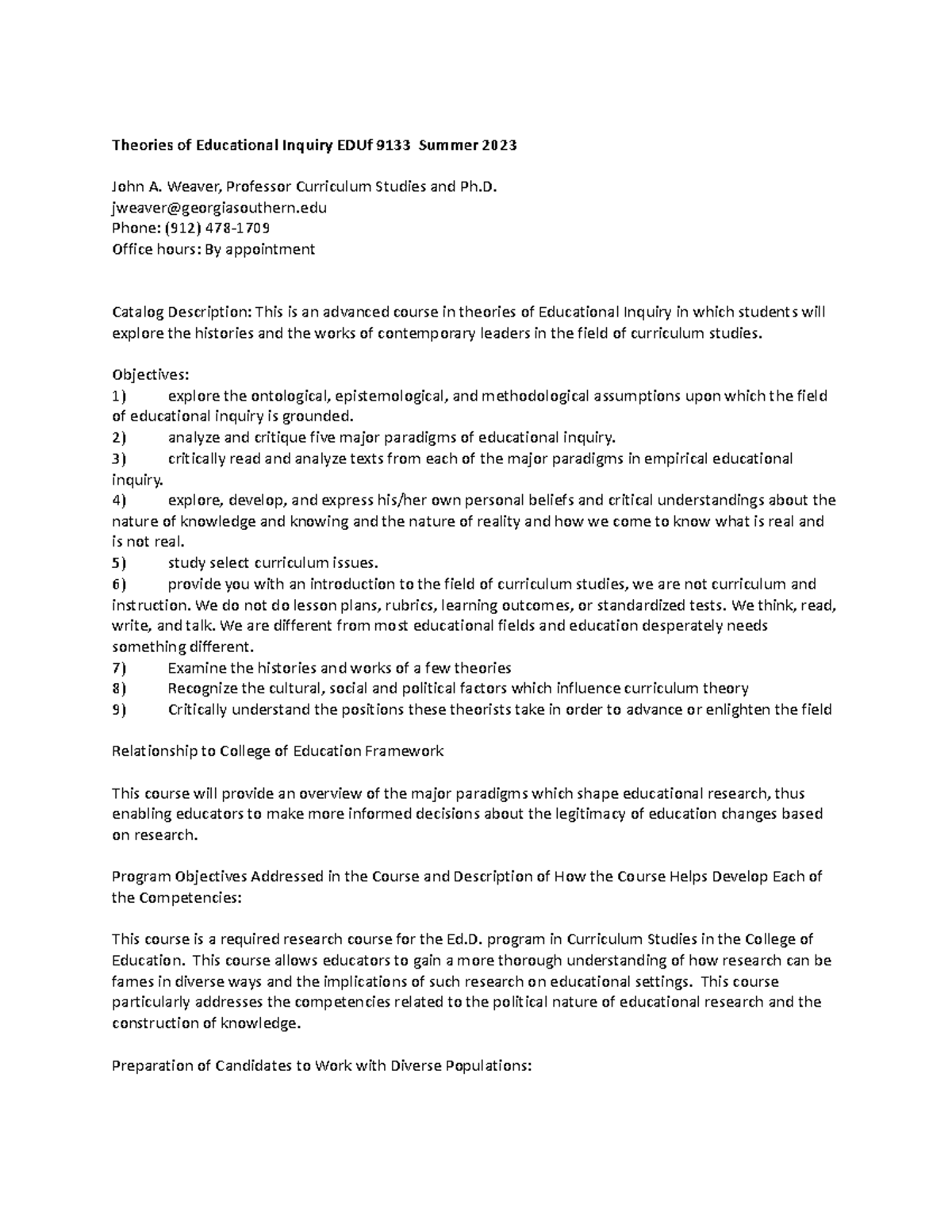
Navigating academic inquiry requires a strategic approach to communication, ensuring that your requests for guidance are professional, well-researched, and respectful of a faculty member’s time. Success depends on preparing thoroughly, identifying the correct channel for your questions, and framing your inquiry in a way that demonstrates genuine intellectual engagement rather than a simple desire for shortcuts.
The Role of Inquiry in the Academic Ecosystem
Academic inquiry is the bedrock of higher education. It is not merely about finding answers to specific homework problems but about developing a deeper understanding of disciplinary frameworks, methodologies, and critical thinking. When you approach a professor, you are stepping into a professional mentorship dynamic. Professors act as subject-matter experts who facilitate your transition from a consumer of information to an active participant in scholarly discourse.
Effective inquiry serves two main functions: it clarifies complex concepts that remain opaque after individual study, and it opens doors to broader intellectual exploration. To maximize the value of these interactions, students must treat professors as architects of learning environments rather than providers of remedial tutoring. Understanding that your professor’s primary role includes research, administrative oversight, and mentoring ensures that you frame your questions within the boundaries of their professional capacity.
Prerequisites to Effective Communication
Before reaching out to a professor, you must establish a baseline of independent effort. Professors typically expect students to exhaust primary resources before initiating a request for help. This is often referred to as "doing your homework on the homework."
- Review Course Documentation: Consult the syllabus, the LMS (Learning Management System) announcements, and the course handbook. If your question is addressed in these documents, asking the professor suggests a lack of attention to detail.
- Synthesize Prior Learning: Identify exactly what you know and where the logical break occurs. "I don't understand this" is rarely a productive starting point. Instead, frame it as: "I understand the concept of X, but I am struggling to reconcile it with the findings in Y."
- Draft and Edit: Treat emails as formal documents. A lack of proofreading can inadvertently communicate a lack of seriousness regarding the subject matter.
Identifying the Correct Channel
Not every query requires a face-to-face meeting or a lengthy email. Most academic environments provide a hierarchy of support structures that should be utilized before escalating to a professor.
- Office Hours: These are the primary, designated times for academic inquiry. They are specifically reserved for student engagement. Use them for complex conceptual questions that require dialogue.
- Teaching Assistants (TAs): If your course has a TA, they are often the most appropriate first point of contact for logistical issues, grading clarifications, or fundamental conceptual reviews.
- Email: Use email for administrative questions, appointment scheduling, or brief, high-level inquiries. Avoid sending long, multi-part questions via email if the answer requires a nuanced explanation; these are better suited for in-person discussion.
Structuring Your Academic Inquiry
When you do reach out, the structure of your inquiry determines the quality of the response you receive. An effective inquiry follows a clear, logical structure that respects the recipient’s expertise.
The Anatomy of a Professional Inquiry
- The Subject Line: This must be clear, concise, and informative. Include the course name, section number, and the core topic of your inquiry. (e.g., "Question regarding Week 4 Assignment – HIST101-02").
- The Salutation: Use formal address titles (Professor or Dr.). Avoid informal greetings unless specifically instructed otherwise by the faculty member.
- The Context: State who you are and which course you are currently enrolled in.
- The Precise Question: Articulate your specific confusion or interest. Use clear language to define the parameters of your inquiry.
- Evidence of Effort: Briefly describe the steps you have already taken to solve the problem. This signals that you are an independent learner and not seeking a shortcut.
- The Closing: Express appreciation for their time and indicate how you would like to proceed (e.g., "I would appreciate your feedback on this when you have a moment," or "Could we discuss this further during office hours?").
Comparison of Inquiry Methods
Choosing the right medium for your question ensures that your message is received and processed efficiently.
| Method | Best Use Case | Expected Response Time |
|---|---|---|
| In-Person Office Hours | Complex theoretical debates, feedback on drafts, project mentorship | Immediate |
| Logistical queries, appointment requests, simple deadline questions | 24–48 Business Hours | |
| LMS Discussion Board | Questions likely shared by other students | Variable |
| Scheduled Appointment | Substantial academic career advice, research guidance | Scheduled |
Common Mistakes to Avoid
Academic inquiry is a social contract; failure to adhere to norms can hinder your ability to get the help you need.
- The "Did I miss anything?" inquiry: Asking if you missed anything during an absence is inherently vague. Instead, verify the syllabus and ask, "I have reviewed the slides from Wednesday and the assigned readings; could you clarify the primary takeaway regarding the case study mentioned?"
- The "Will this be on the test?" trap: Focusing exclusively on assessment outcomes rather than conceptual understanding signals a lack of engagement with the curriculum.
- Last-minute urgency: Sending a complex request at 10:00 PM the night before a deadline is rarely effective. Strategic inquiry requires planning and time for a back-and-forth exchange.
- Generic requests for help: Vague statements such as "I need help with this paper" force the professor to do the cognitive heavy lifting. Instead, bring specific sections of your draft or a detailed outline to demonstrate where you are stuck.
Navigating Sensitive Situations
Sometimes, inquiry is not about course content but about grades, extensions, or personal circumstances. In these instances, transparency and adherence to policy are paramount.
If you are requesting an extension, avoid long, overly personal narratives. State the facts clearly, reference the relevant section of the syllabus, and propose a new timeline for completion. If you are questioning a grade, do not approach the professor with an emotional demand. Request a meeting to discuss the rubric and the specific criteria where you fell short. Approach this as a learning opportunity—"I want to understand how I can improve my analysis for the next submission"—rather than an adversarial negotiation.
Establishing Long-Term Scholarly Relationships
Beyond solving immediate problems, the way you navigate inquiry sets the stage for mentorship, letters of recommendation, and research opportunities. When you demonstrate that you are genuinely interested in the field, professors are more likely to invest their time in your development.
Always follow up on the advice provided. If a professor suggests a reading or a specific methodology, report back on your findings. This "feedback loop" demonstrates that you value their expertise and are applying it to your academic journey. Over time, these interactions build a reputation of reliability and intellectual curiosity that extends well beyond the classroom.
Frequently Asked Questions
1. Is it appropriate to ask a professor to look at my draft before I submit it? It depends on the professor's policy. Always check the syllabus or ask during class if they offer "feedback on drafts." If they do, provide the draft well in advance of the deadline, and explicitly state what you are looking for (e.g., "I am worried my thesis statement is too broad; could you focus your feedback there?").
2. How long should I wait for an email response before following up? A standard professional window is 48 hours, excluding weekends and holidays. If the deadline is imminent, use office hours instead of a second email, as emails can easily be overlooked in a busy professor's inbox.
3. What if I find my professor intimidating? Intimidation often stems from the power imbalance inherent in the academic hierarchy. Remember that your professor's job is to teach. Prepare your questions thoroughly; having a written list of questions can provide a safety net that helps you stay focused and professional even if you are nervous.
4. Can I ask a professor about their own research? Yes. In fact, showing interest in a professor’s published work is one of the best ways to initiate a deeper scholarly rapport. Read at least the abstract of one of their recent papers before asking a question. It demonstrates that you are an engaged student who understands the broader academic context of their expertise.
5. How do I handle a situation where the professor gives an answer I disagree with? Maintain a professional and inquisitive tone. You might say, "That is an interesting perspective. I was under the impression that [provide your reasoning]. Could you help me understand why my premise might be incorrect?" This frames the disagreement as a search for truth rather than a conflict of opinion.
Recommended Next Actions
Start by conducting a thorough audit of your current course materials. Before your next lecture or study session, identify one specific area where your understanding is incomplete. Draft a precise, one-sentence question that targets this gap. During the next available office hour, present this question, demonstrating the work you have already completed. By adopting this intentional, professional method of inquiry, you shift from being a passive recipient of instruction to an active agent in your own academic trajectory.