Choosing between ASICS and Avia requires understanding the distinct market positions, design philosophies, and technological investments of each brand. ASICS generally operates as a high-performance, engineering-focused manufacturer targeting serious runners and athletes, while Avia serves the value-conscious segment, prioritizing accessible versatility for general fitness and everyday wear. Determining which is better depends entirely on your specific activity level, anatomical requirements, and budget constraints.
Understanding the Brand Philosophies
To make an informed decision, you must first recognize that ASICS and Avia do not compete for the exact same consumer profile. ASICS (an acronym for the Latin phrase Anima Sana In Corpore Sano, or "A Sound Mind in a Sound Body") is a Japanese corporation that emphasizes biomechanical research and proprietary foam technologies. They invest heavily in scientific studies at their Institute of Sport Science in Kobe, aiming to minimize injury risk for long-distance runners and court athletes.
Avia, conversely, carries a legacy rooted in aerobics and accessible athletic gear. Since its acquisition by brand management firms, Avia has shifted toward a mass-market retail model. You will typically find Avia products in big-box retailers rather than specialized running boutiques. Their focus is on providing functional footwear for light exercise, walking, and casual lifestyle use at a significantly lower price point than premium performance brands.
Technical Innovations and Engineering
The primary differentiator between these two brands lies in the engineering of their midsoles and structural support systems.
ASICS: Proprietary Cushioning and Stability
ASICS is best known for its GEL technology, a silicone-based material strategically placed in the heel and forefoot to dissipate vertical impact forces. Over the past decade, they have evolved this with FlyteFoam, a lightweight midsole material designed to provide a "bouncy" energy return without the weight of traditional EVA (Ethylene-Vinyl Acetate) foam. For runners with overpronation, ASICS offers the DUOMAX or Litetruss systems, which are firm foam densities integrated into the medial side of the shoe to prevent the foot from rolling inward excessively.
Avia: Accessible Support
Avia’s engineering is centered on utility and cost-efficiency. While they do not utilize the high-cost, R&D-heavy polymers found in top-tier running shoes, they incorporate essential features like cantilever outsoles—a concave design meant to provide shock absorption and stability during heel strike. These shoes are sufficient for low-impact activities, such as brisk walking, gym weightlifting, or casual errands, where the biomechanical demands are significantly lower than those of long-distance road running.
Comparing Performance and Durability
Durability is often the deciding factor for consumers evaluating the value-to-cost ratio. ASICS shoes are constructed with high-abrasion rubber outsoles (often labeled as AHAR—ASICS High Abrasion Rubber), designed to withstand hundreds of miles of repetitive friction against asphalt and concrete. If you are training for a 5K, 10K, or marathon, the structural integrity of an ASICS shoe will remain intact long after a budget-friendly alternative has begun to compress and lose its rebound properties.
Avia shoes are generally designed for shorter lifespans. The materials—ranging from basic synthetic mesh to entry-level EVA—are prone to faster "packing out," where the foam loses its cushioning capacity. For a user who exercises three times a week for 30 minutes, an Avia shoe may provide adequate comfort for a reasonable duration. However, if you attempt to use the same pair for high-mileage training, you will likely encounter aches in the joints or arches due to the accelerated degradation of the internal support structures.
Comparison Summary Table
| Feature | ASICS | Avia |
|---|---|---|
| Primary Use | Marathon, Distance Running, Court Sports | Walking, Gym, Casual Lifestyle |
| Midsole Tech | GEL, FlyteFoam, FF Blast | Standard EVA, Cantilever |
| Price Point | Premium ($100–$200+) | Value ($30–$60) |
| Support Levels | Specialized (Stability, Motion Control) | Basic (Neutral/Standard) |
| Target Audience | Athletes, Dedicated Runners | Casual Users, Value Shoppers |
Identifying Your Personal Requirements
Before finalizing your purchase, audit your current physical habits and medical history.
Do You Need ASICS?
Choose ASICS if you fall into one of the following categories:
- The High-Mileage Runner: If you are running more than 15 miles per week, you require the structural protection that premium materials provide.
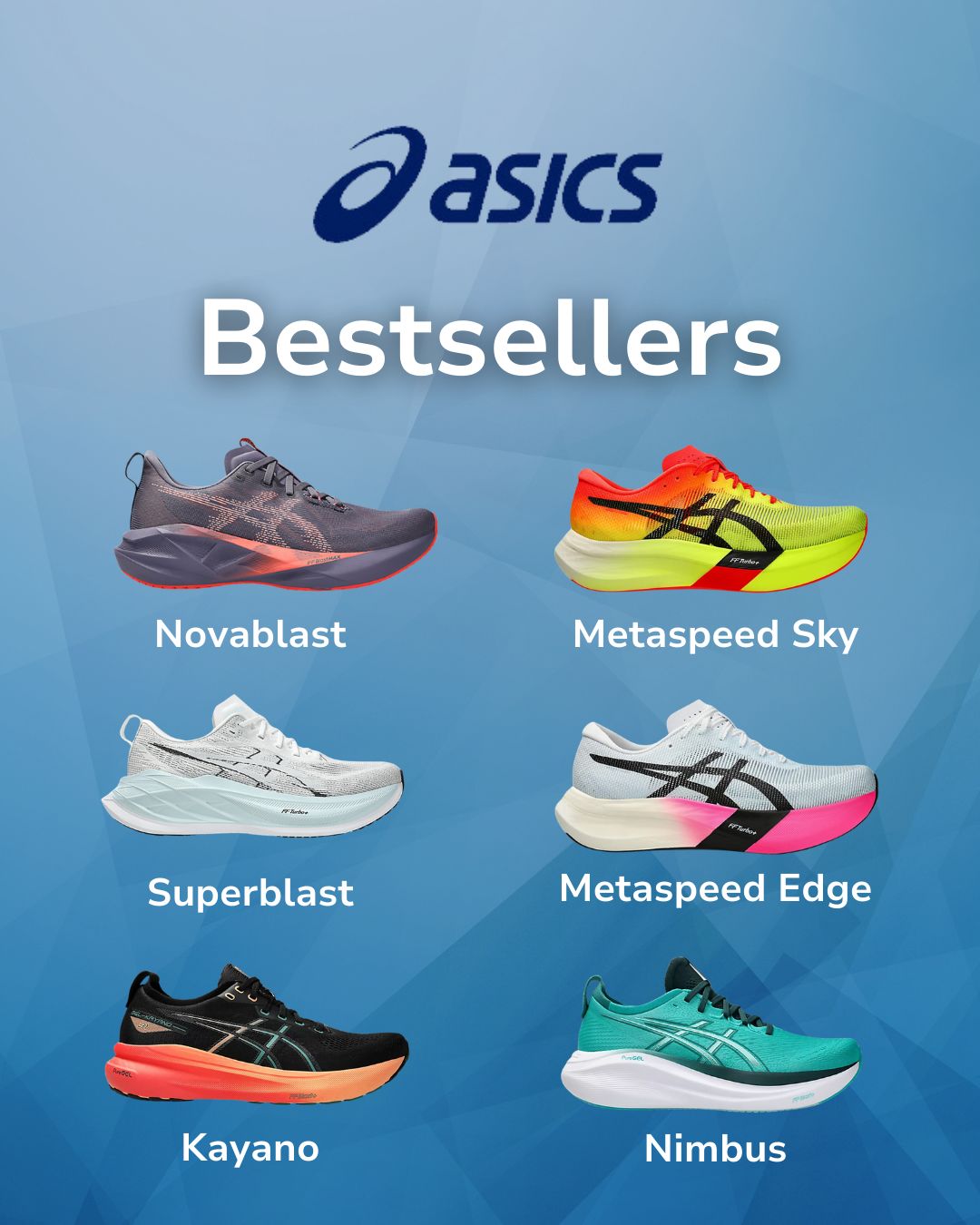
- Biomechanical Needs: If you have flat feet, high arches, or diagnosed pronation issues, ASICS provides specialized models (such as the Kayano or GT-2000 series) designed to address these specific needs.
- Injury Prevention: If you have a history of shin splints, plantar fasciitis, or knee pain, the calibrated cushioning systems in ASICS shoes are engineered to reduce the impact load on your lower kinetic chain.
Do You Need Avia?
Choose Avia if you fall into these categories:
- The Casual Fitness Enthusiast: If your exercise routine consists of walking the dog, light gym sessions, or working a job that requires standing for several hours, you do not need the technical complexity of a marathon shoe.
- Budget Sensitivity: If you need a functional shoe for occasional use, spending $150 on professional gear may yield a diminishing return on investment.
- General Versatility: If you prioritize a simple, aesthetic shoe for day-to-day wear that can transition into a light workout, the simplicity of Avia’s designs is an asset.
Common Mistakes When Choosing Footwear
A frequent error is assuming that all "athletic" shoes are interchangeable. Using a general-purpose, entry-level shoe for high-impact sports like distance running can lead to repetitive stress injuries. Conversely, using a heavy, stability-focused running shoe for casual walking can feel restrictive and unnecessarily bulky.
Another mistake is failing to account for foot width. ASICS is well-regarded for offering multiple width options (D, 2E, 4E for men; B, D for women) across their popular models. Avia typically provides standard width options, which may not be suitable if you have specific foot anatomy requirements. Always measure your feet in the afternoon, as your feet tend to swell throughout the day, and test the fit with the type of socks you intend to wear during your activity.
Frequently Asked Questions
Is Avia as good as ASICS for running?
No. ASICS is specifically engineered for running performance, incorporating advanced foam technologies and anatomical support systems designed to mitigate impact over long distances. Avia is designed for general fitness and casual wear; using them for intense, high-mileage running may lead to premature material breakdown and lack of necessary physiological support.
Are ASICS worth the higher price?
For those engaged in consistent athletic training, yes. The cost reflects the research and development, durable materials, and specific gait-corrective technologies that protect against common running injuries. If you are an active runner, the price-per-mile cost is often lower because the shoes last longer and help prevent costly medical issues related to foot and joint strain.
Can I use Avia shoes for clinical foot conditions?
If you have a diagnosed condition such as severe overpronation, bunions, or diabetic neuropathy, you should consult a podiatrist before purchasing standard footwear like Avia. While Avia may provide basic comfort, they are not typically manufactured with the clinical-grade support required for therapeutic interventions.
Do ASICS shoes run true to size?
ASICS generally runs true to athletic sizing standards, but they tend to have a snug fit compared to fashion sneakers. Most experts recommend sizing up by a half-size compared to your standard dress shoe to allow for the natural expansion of the foot during activity.
How often should I replace my training shoes?
Regardless of the brand, running or high-impact athletic shoes should be replaced every 300 to 500 miles. By 2026, many runners track this via fitness apps. Once the midsole material loses its ability to bounce back—check for visible wrinkles in the foam or loss of arch support—the shoe has reached its service life and should be replaced to prevent injury.
Final Recommendation
Your choice between ASICS and Avia should be dictated by your commitment level. If your primary goal is to improve your health through rigorous exercise, track your mileage, or correct a biomechanical gait issue, invest in ASICS. The technical advantage is significant and serves as a form of injury insurance. If your needs are non-specialized—such as casual gym visits, walking, or light recreational activity—Avia offers a practical, budget-friendly solution that covers the fundamental requirements of comfort and protection without the premium price tag. Assess your physical activity volume for the current year to determine which tier of footwear aligns with your daily reality.