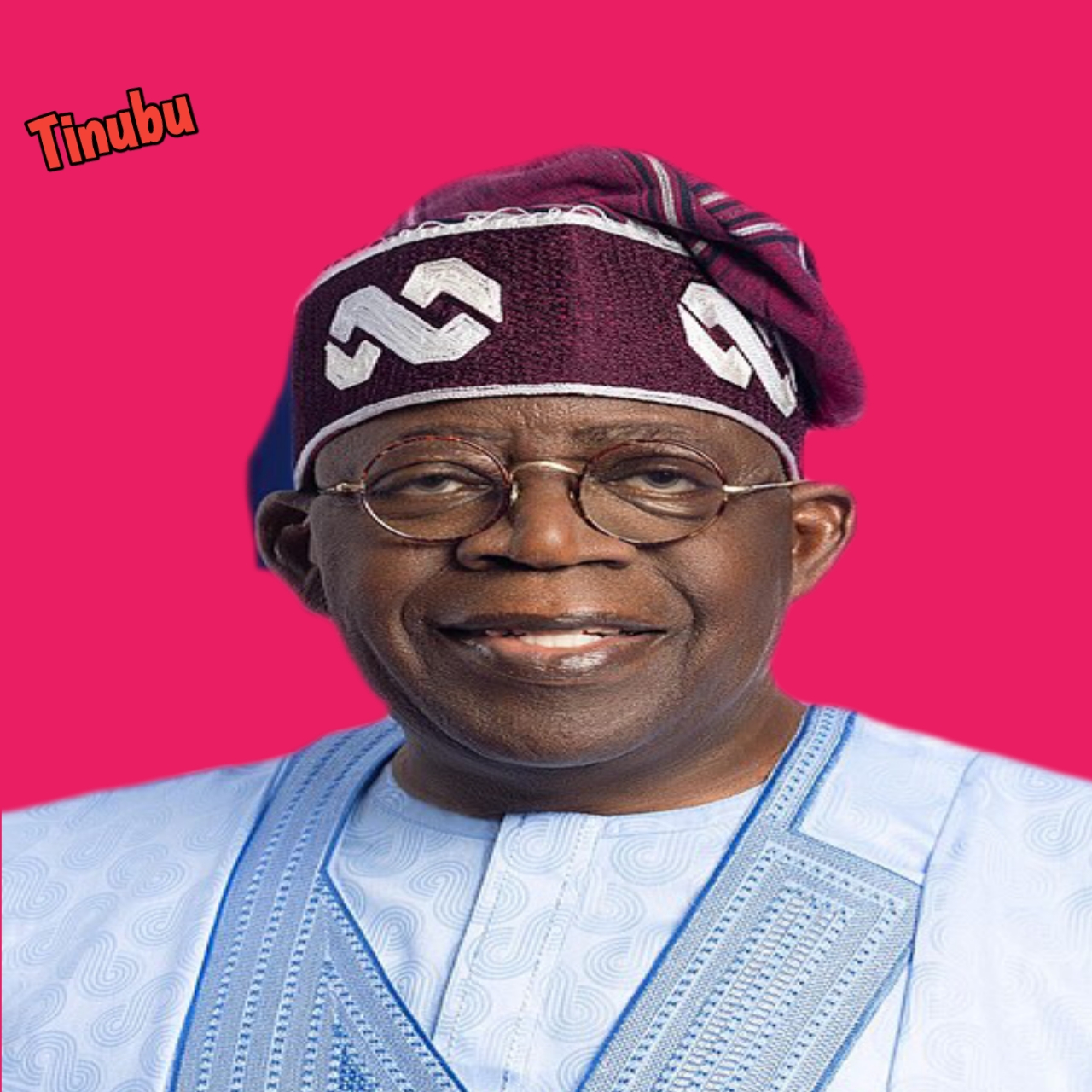
Determining the net worth of Asiwaju Bola Ahmed Tinubu, the President of the Federal Republic of Nigeria, involves navigating complex layers of private enterprise, historical public service, and the transparency requirements mandated by Nigerian constitutional law. While public interest in his wealth remains significant, there is no single, verified figure that captures his total global holdings. Instead, assessments are based on documented business interests, professional history, and periodic declarations of assets as required by the Code of Conduct Bureau.
The Nature of Public Asset Disclosure in Nigeria
To understand the financial position of any high-ranking official in Nigeria, one must first look at the legal framework governing asset disclosure. Under the 1999 Constitution of the Federal Republic of Nigeria (as amended), specifically the Code of Conduct for Public Officers, all elected officials are mandated to declare their assets upon assuming office and upon leaving.
However, a critical distinction exists between public record and public access. While these declarations are submitted to the Code of Conduct Bureau (CCB), they are not automatically made available to the general public. This regulatory structure is designed to prevent conflicts of interest and ensure that public office is not used to illicitly acquire wealth, rather than to serve as a public tax audit or a net worth appraisal for commercial purposes. Consequently, when discussions arise regarding "Asiwaju Bola Ahmed Tinubu net worth," they are often speculative, relying on historical reporting, business filings, and the visibility of his long-term career in both the private and public sectors.
Professional Background and Wealth Accumulation
Asiwaju Bola Ahmed Tinubu’s financial history predates his political career, which is a key factor in understanding his economic status. Before entering the political arena, he established a substantial career in the corporate world, most notably in the United States.
Private Sector Foundations
During the 1980s, Tinubu worked for several high-profile firms, including Deloitte, GTE, and Arthur Andersen. These roles, particularly at the senior accounting and financial management levels, provided a foundation for significant capital accumulation. His career in the United States was marked by roles that required high-level expertise in financial auditing, management consultancy, and corporate strategy. This period is frequently cited by political analysts and biographers as the source of his foundational financial independence, distinguishing his wealth from that which might be accrued solely through public service.
Transition to Politics
Upon returning to Nigeria in the early 1990s, he transitioned into the oil industry, working with Mobil Producing Nigeria. This transition period allowed for the consolidation of international earnings. His subsequent entry into politics—serving as a Senator in the aborted Third Republic and later as the Governor of Lagos State from 1999 to 2007—integrated his private financial acumen with governance. During his tenure as Governor, he was credited with aggressive tax reforms and the modernization of Lagos State's internally generated revenue systems, which solidified his reputation as a financial strategist.
The Complexity of Estimating Net Worth
Estimating the net worth of prominent political figures is inherently difficult due to the multi-jurisdictional nature of their investments. Unlike publicly traded companies that are required to disclose quarterly earnings and asset values, private wealth held in blind trusts, diversified real estate holdings, and offshore equity is not subject to the same level of transparency.
Factors Influencing Wealth Estimates
- Real Estate Holdings: A significant portion of the wealth attributed to him involves substantial real estate investments across Lagos and other parts of Nigeria. These assets vary in value based on market fluctuations and the development status of the properties.
- Equity and Business Ownership: There have been long-standing, though often unverified, reports linking him to various sectors including media, hospitality, and infrastructure development. Distinguishing between personal ownership and investments held by associate firms creates a major challenge for independent auditors.
- Currency Volatility: In the Nigerian context, evaluating net worth is complicated by the volatility of the Naira. An asset portfolio valued in local currency can appear to shift dramatically in dollar terms depending on exchange rate policies and market conditions in any given year, including the current economic environment of 2026.
Comparison of Asset Transparency and Documentation
The table below outlines the primary categories often associated with the financial profiles of high-profile political figures and the standard methods used to track these components.
| Asset Category | Documentation Source | Transparency Level |
|---|---|---|
| Public Salaries | Revenue Mobilization Allocation and Fiscal Commission | High (Legislated) |
| Real Estate | Land Registry / Certificate of Occupancy | Medium (Restricted) |
| Corporate Equity | Corporate Affairs Commission (CAC) | Medium (Public Filings) |
| Offshore Assets | International Regulatory Filings | Low (Private/Confidential) |
| Asset Declaration | Code of Conduct Bureau (CCB) | Very Low (Restricted) |
Addressing Common Misconceptions
Public discourse often confuses "cash liquidity" with "net worth." Net worth is the sum total of all assets—including land, buildings, equity, and intellectual property—minus all liabilities. Much of the discourse surrounding Asiwaju Bola Ahmed Tinubu’s finances often conflates the government budgets he managed as Governor of Lagos with his personal wealth.
It is essential to clarify that the fiscal management of a state's resources is separate from personal wealth. While he faced scrutiny and investigations by the Economic and Financial Crimes Commission (EFCC) and the Code of Conduct Tribunal in previous years, these legal processes generally concluded without a definitive public pronouncement of his private net worth, often resulting in dismissals or findings that did not substantiate claims of illegal enrichment. Consequently, figures circulating on the internet or in social media commentary claiming specific billion-dollar amounts are frequently estimations based on political perception rather than verified financial statements.
The Role of Regulatory Oversight in 2026
As of 2026, the regulatory environment in Nigeria remains focused on tightening the requirements for political officeholders. The Nigerian Financial Intelligence Unit (NFIU) and the Central Bank of Nigeria (CBN) have implemented more rigorous anti-money laundering (AML) protocols. These systems are designed to track the movement of funds and ensure that public officials do not engage in illicit financial flows.
For a sitting President, these oversight mechanisms provide an institutional check that replaces the need for speculative media estimations. The focus of modern financial oversight in Nigeria has shifted toward ensuring that all income sources are legal and declared within the bounds of the law, rather than focusing on the absolute size of an official's estate.
Frequently Asked Questions
1. Is there an official document stating Bola Ahmed Tinubu’s net worth?
No. There is no official, publicly available document that lists his total net worth. While he has submitted asset declaration forms to the Code of Conduct Bureau as required by law, these documents are protected under privacy provisions and are not released for public scrutiny.
2. How did Bola Ahmed Tinubu acquire his wealth?
His wealth is primarily attributed to a successful career in the private sector prior to his entry into politics. This includes high-level financial and accounting roles at multinational corporations such as Arthur Andersen and Deloitte in the United States, followed by senior management experience in the Nigerian petroleum industry.
3. Why are there so many different estimates of his wealth online?
Estimates found on the internet are typically speculative. They often rely on broad assumptions about real estate holdings and vague links to business entities. Without access to his private tax returns or complete financial audits, these figures lack empirical basis and should be treated as conjecture rather than fact.
4. Have there been legal investigations into his wealth?
Yes, over his decades-long career, he has been the subject of various investigations and inquiries by bodies like the Code of Conduct Tribunal and the EFCC. These processes are part of the standard oversight for long-serving political figures in Nigeria, and he has consistently maintained that his assets were acquired legally through his private business activities.
5. Does the Code of Conduct Bureau publish the net worth of the President?
No. The Code of Conduct Bureau receives the declarations of assets but does not publish them. The purpose of the declaration is to provide a baseline for investigation should there be a suspicion of illicit wealth accumulation, not to satisfy public curiosity regarding an official's personal net worth.
Recommendations for Further Research
For those interested in the financial transparency of Nigerian leadership, it is recommended to focus on the official mandates of the Code of Conduct Bureau and the legislative updates provided by the National Assembly. Relying on unauthorized, third-party "net worth" websites often results in misinformation. To track the legal aspects of financial compliance, you may consult the annual reports of the Economic and Financial Crimes Commission or the official gazettes published by the Federal Government of Nigeria. These sources provide the only accurate, legally binding information regarding the financial regulations governing public officials.