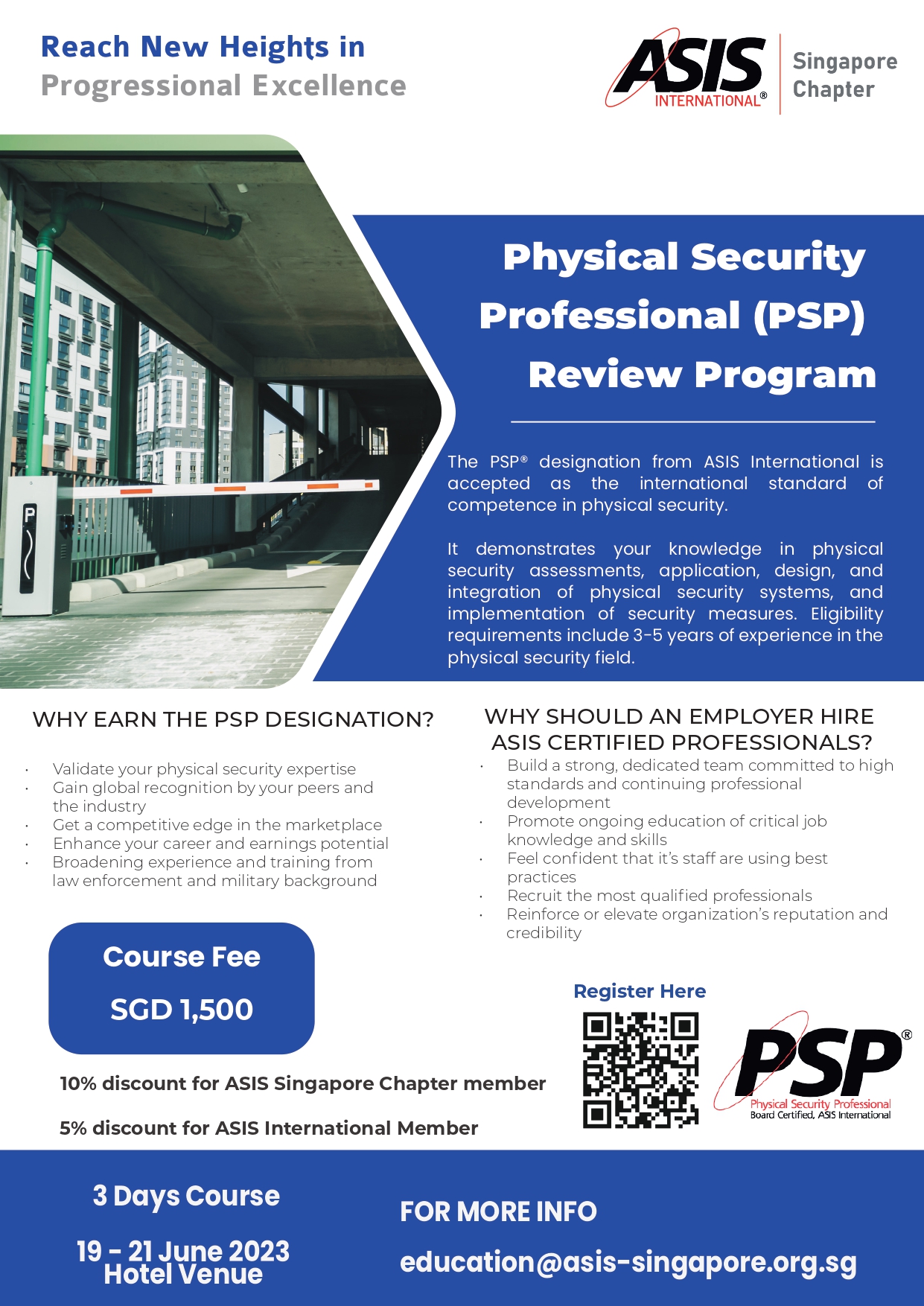
The ASIS UK professional security network serves as the primary regional chapter for ASIS International, providing a standardized framework for security professionals to engage in networking, professional certification, and the dissemination of international best practices. It acts as a bridge between global security standards and the specific legislative and operational requirements of the United Kingdom security landscape.
Understanding the Role of ASIS International in the UK
ASIS International is the world’s largest organization for security professionals, boasting a membership that spans over 125 countries. In the United Kingdom, the ASIS UK Chapter acts as the formal vehicle through which these global resources are localized. The network is not a regulatory body; rather, it is a professional membership organization focused on education, advocacy, and the elevation of the security management profession.
For practitioners operating within the UK, the network offers a structured environment to stay informed about evolving threats, such as cyber-physical convergence, supply chain risks, and the implementation of the Protect Duty (Martyn’s Law). By maintaining a high density of Certified Protection Professionals (CPP), Physical Security Professionals (PSP), and Professional Certified Investigators (PCI), the UK chapter ensures that local practitioners are held to a globally recognized competency standard.
Core Objectives of the ASIS UK Network
The network functions on several key pillars that define the professional experience for its members. These objectives are designed to move security from a reactive, guard-based model toward a proactive, risk-based management discipline.
Professional Certification and Standards
One of the primary reasons for the network's existence is the promotion of the ASIS board certifications. These are widely considered the "gold standard" in the industry. For a UK-based security manager, attaining a CPP designation requires a rigorous review of security principles, business management, and investigative standards. The UK chapter facilitates study groups and mentoring programs to assist candidates in navigating the path to certification.
Networking and Knowledge Exchange
The professional security network in the UK organizes a series of events ranging from large-scale regional conferences to smaller, specialized local meetings. These gatherings allow members to share intelligence regarding regional security trends. By networking with peers from different sectors—such as retail, finance, critical national infrastructure, and cybersecurity—members gain a more holistic view of the threat landscape.
Advocacy and Regulatory Alignment
The security industry in the UK is heavily influenced by government policy and the work of agencies such as the National Protective Security Authority (NPSA). The ASIS UK chapter frequently serves as a forum where these government bodies can engage with industry professionals. This dialogue ensures that security managers are not only compliant with existing regulations but are also prepared for upcoming legislative shifts.
Membership Eligibility and Professional Expectations
Membership in the ASIS UK professional security network is predicated on a commitment to the organization’s code of ethics and a documented history of professional engagement in the security field. Unlike some trade associations that focus on physical guarding companies, ASIS focuses on the individual security professional.
- Eligibility Criteria: Applicants must generally be involved in the security industry, whether in an in-house management capacity, as a consultant, or as a service provider. The organization vets applicants to ensure they are committed to advancing the security profession.
- Code of Ethics: All members must adhere to the ASIS International Code of Professional Conduct. This involves maintaining the highest standards of integrity and confidentiality, which is paramount in the high-stakes environment of risk management.
- Continuing Professional Education (CPE): Once certified, members are required to earn and report CPE credits to maintain their designations. The UK network provides numerous opportunities throughout the year to earn these credits, ensuring that the knowledge base of its members remains current.
Comparative Landscape: Industry Networking Options
When considering professional development, security practitioners in the UK often compare ASIS with other bodies. The following table highlights the distinct nature of the ASIS UK network compared to other common industry associations.
| Feature | ASIS UK Network | Security Institute (SyI) | SIA (Regulatory Body) |
|---|---|---|---|
| Primary Focus | Global Management/Strategy | Individual Membership/CPD | Licensing and Compliance |
| Scope | International/Strategic | UK-Specific/Professional | Regulatory Enforcement |
| Certifications | CPP, PSP, PCI, APP | CSyP | License to Practice |
| Target Audience | Security Managers/Consultants | All Security Professionals | Frontline/Contractors |
While the Security Institute (SyI) is highly respected for its UK-centric focus and charter status, ASIS provides a global platform that is particularly beneficial for professionals working for multinational corporations. The Security Industry Authority (SIA) is not a networking body, but a statutory regulator; practitioners must often balance their compliance with SIA requirements while seeking the professional growth offered by organizations like ASIS.
Challenges in Modern Security Management
The UK security environment is currently facing a period of rapid transformation. The ASIS UK chapter provides essential guidance on navigating these hurdles, which are frequently discussed in their technical whitepapers and member briefings.
1. Cyber-Physical Convergence
Modern security is no longer divided into "IT security" and "physical security." The network emphasizes the integration of these disciplines. An effective security manager must now understand how a compromise in an IP-based camera network can lead to a breach in a physical facility. The educational materials provided by the network help bridge this knowledge gap.
2. Evolving Threat Landscape
From the rise of drone technology to sophisticated social engineering, threats are becoming more decentralized. ASIS UK fosters a culture of intelligence sharing, enabling members to learn from the experiences of others. This is particularly valuable for protecting crowded places and critical infrastructure, where commonality of threats often outweighs competitive concerns between private firms.
3. Budgeting and Resource Allocation
Security is often viewed as a cost center rather than a value-adding function. The network teaches the language of business, helping security managers present the "Return on Security Investment" (ROSI) to boards and stakeholders. By shifting the conversation from "guard hours" to "risk mitigation," members can better secure the funding necessary for robust programs.
How to Engage with the Network
For those looking to integrate into the ASIS UK professional security network, the process is streamlined but intentional.
- Register for Membership: Apply via the global ASIS International portal and select the UK chapter as your primary region.
- Access the Member Portal: Once accepted, members gain access to the Security Management magazine, global research reports, and specific UK member-only updates.
- Attend Regional Meetings: Locate the branch nearest to your operation. The UK chapter hosts regional groups that hold regular physical or hybrid meetings.
- Volunteer: Active participation in committee work is the fastest way to build a reputation within the network. Whether contributing to event organization or mentoring junior staff, service is a key component of the professional experience.
Frequently Asked Questions
Is ASIS UK a regulatory authority? No. ASIS UK is a professional membership organization. It does not issue licenses to work in the security industry, which is the role of the Security Industry Authority (SIA). Its primary goal is professional development and best practice education.
Does ASIS membership provide a legal qualification? ASIS certifications are professional designations, not legal qualifications. While they are highly respected by employers and often requested in job specifications, they do not replace the mandatory legal requirements for licensing in the UK private security industry.
What is the benefit of joining the UK chapter if I am already an ASIS member? Joining the regional UK chapter ensures that you receive information relevant to the UK legal and threat environment. It provides access to local networking events, regional mentoring, and face-to-face opportunities with peers operating under the same legislative constraints.
How does the network handle cybersecurity issues? The network views cybersecurity as an integral part of holistic security management. Through educational seminars and collaborative events, the chapter addresses the intersection of physical and cyber risk, often inviting specialists from the IT and cyber sectors to present alongside physical security experts.
What are the ongoing costs of membership? Membership involves annual dues paid to ASIS International, which include membership for the UK chapter. There are additional fees for professional certification exams and study materials. Prices are reviewed annually and are listed on the official ASIS International website.
Recommendations for Security Professionals
If you are a security practitioner based in the United Kingdom, your next logical step is to audit your current professional development pathway. Review the current competencies required for the CPP designation and compare them against your current operational responsibilities.
Engaging with the ASIS UK network is highly recommended for those looking to pivot from purely operational roles to strategic risk management. Start by attending a local chapter event—often open to non-members for an introductory fee—to assess the cultural fit and the quality of the technical discussions. By prioritizing professional networking, you align your career trajectory with the global standards that will define the security industry in 2026 and beyond.