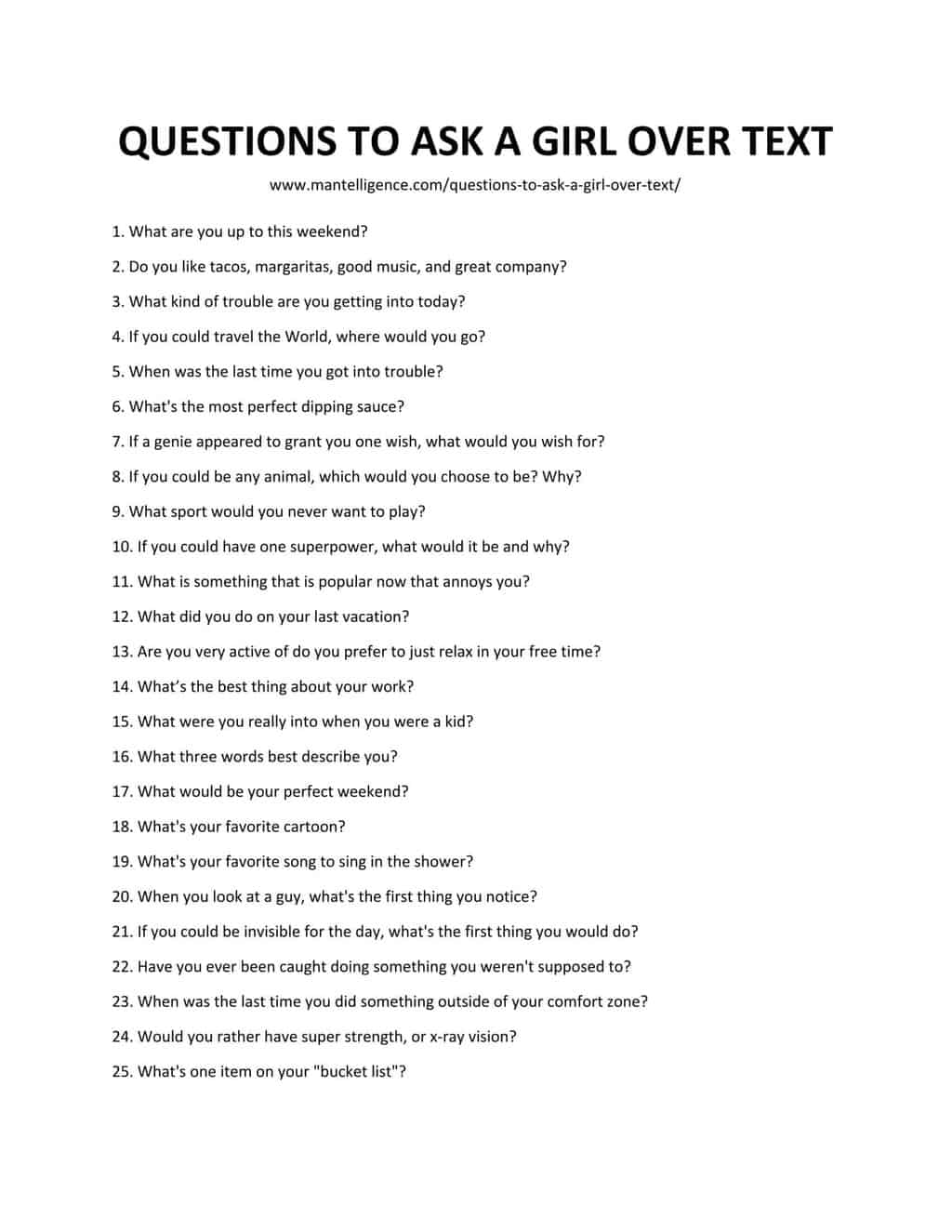
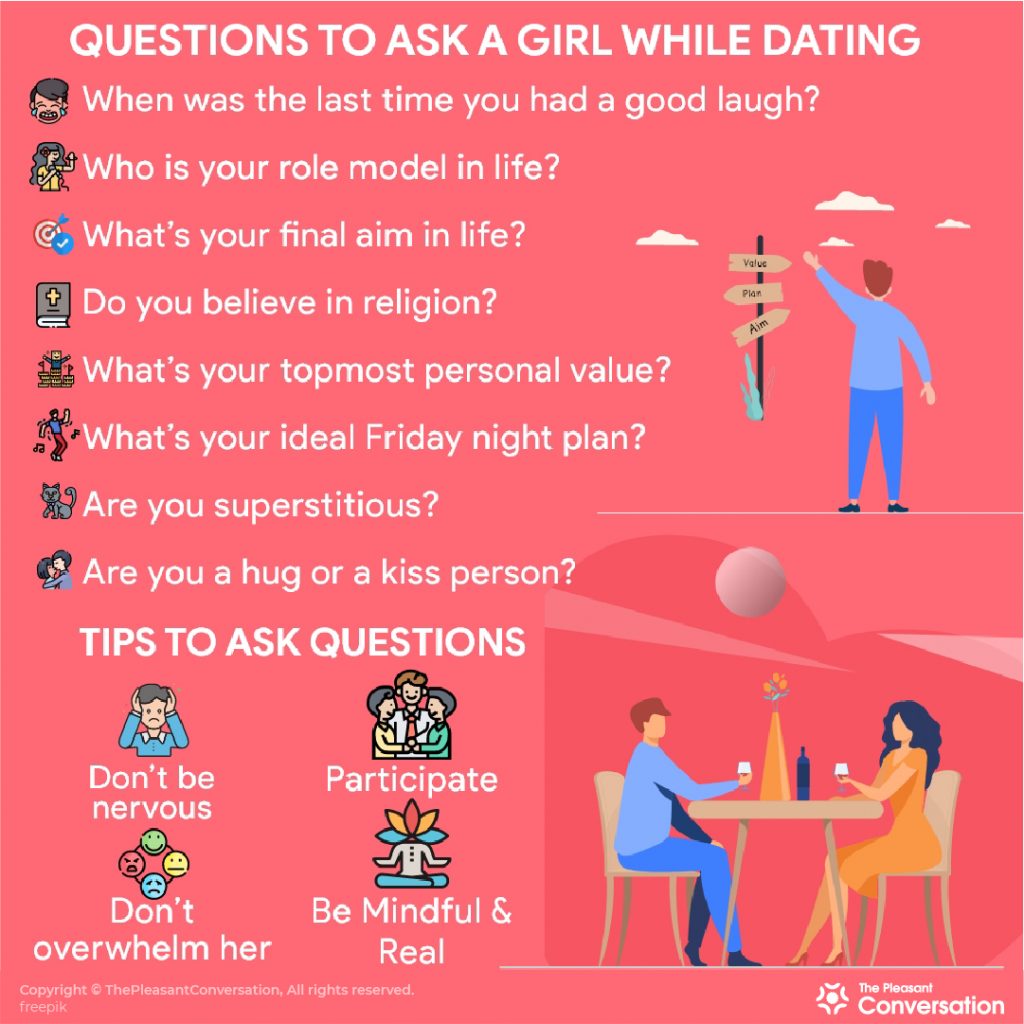
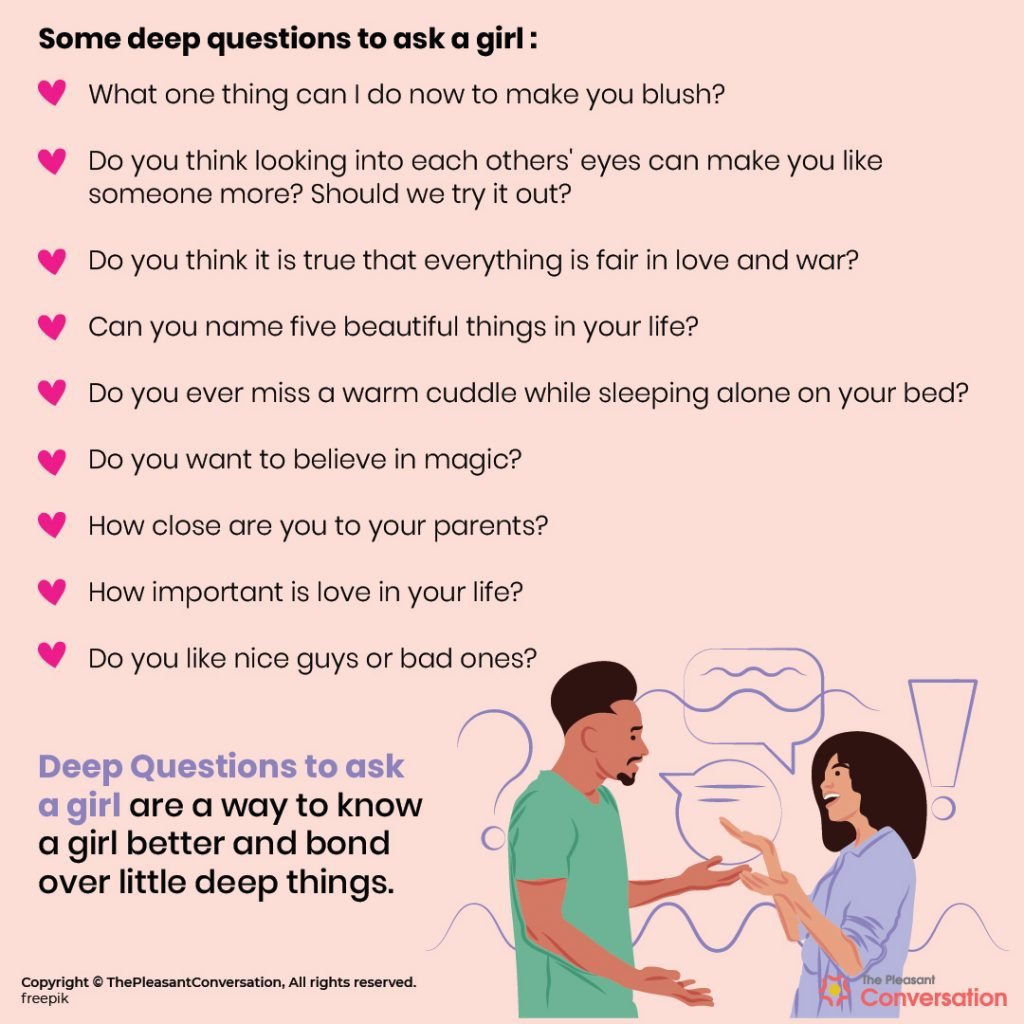
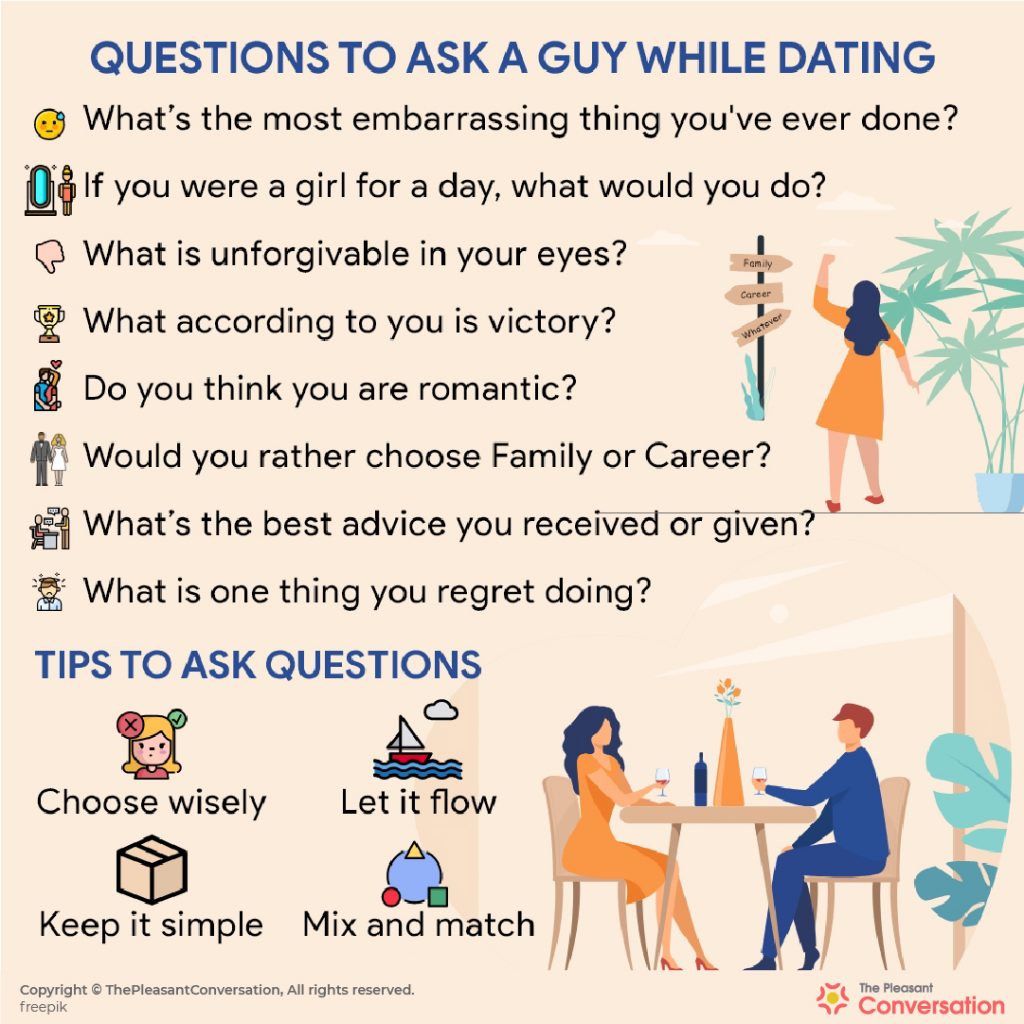
To ask the right questions to start a conversation, you must shift from seeking specific facts to inviting personal narratives. Focus on open-ended questions—those beginning with "How," "What," or "Why"—that allow the respondent to share their perspective, feelings, or experiences rather than a simple "yes" or "no." By tailoring your inquiry to the immediate context and showing genuine curiosity, you transform a potentially awkward silence into a meaningful exchange.
The Foundation of Meaningful Inquiry
Effective communication is rarely about the words themselves; it is about the bridge those words build between two individuals. In 2026, despite the proliferation of digital communication tools, the human need for authentic connection remains paramount. Starting a conversation is an act of social courage that relies on "phatic communication"—language used to establish a social atmosphere rather than to convey information.
The "right" question is one that reduces social friction. When you meet someone for the first time, their brain is subconsciously assessing your intent and level of threat. A question that is too personal or too complex can trigger a defensive response. Conversely, a question that is too mundane (like "How about this weather?") often leads to a dead end. The goal is to find the "Goldilocks Zone": a question that is easy to answer but offers enough room for the other person to reveal a sliver of their personality.
The Psychology of Self-Disclosure
Research from Harvard University has shown that talking about oneself triggers the same reward centers in the brain as food or money. When you ask a question that allows someone to share their story, you are essentially providing them with a hit of dopamine. This is why "good" questions are often those that put the spotlight on the other person’s expertise, history, or opinions. By being an active listener and asking follow-up questions, you validate their experience, which builds immediate rapport.
Open-Ended vs. Closed-Ended Questions
The most technical aspect of mastering conversation is understanding the structural difference between open and closed questions. This distinction is the primary factor in whether a conversation flows or falters.
Closed-Ended Questions: The Conversation Killers
A closed-ended question is designed to elicit a one-word answer or a specific piece of data.
- Example: "Do you live in this city?"
- Result: "Yes."
- Outcome: The burden of maintaining the conversation falls immediately back on you. You are forced to "interview" the person, which can feel clinical and exhausting.
Open-Ended Questions: The Conversation Starters
An open-ended question requires the respondent to pause and think. It invites them to describe, explain, or narrate.
- Example: "What brought you to this city?"
- Result: "Well, I moved here three years ago for a tech job, but I stayed because I fell in love with the hiking trails..."
- Outcome: You now have two new "hooks" for the conversation: his career in tech or his interest in hiking.
The F.O.R.D. Method: A Reliable Framework
When your mind goes blank in a social setting, the F.O.R.D. method serves as a mental checklist to find a relevant topic. This acronym stands for Family, Occupation, Recreation, and Dreams.
- Family: While you should avoid prying into sensitive areas, questions about someone's origin or household can be grounding. Instead of "Are you married?" try "Do you have family in the area?"
- Occupation: This remains a staple of adult conversation. However, instead of "What do you do?" try "What does a typical day look like for you?" or "How did you get started in your industry?"
- Recreation: People are usually more passionate about what they do outside of work. Asking "What do you do for fun?" is a classic, but "What’s a project you’re working on outside of work that you’re excited about?" often yields deeper results.
- Dreams: These are higher-stakes questions best reserved for when a bit of rapport has already been established. "Where is the one place you’ve always wanted to travel?" or "What’s something you’ve always wanted to learn but haven't had the time for yet?"
Contextual Questioning: Using Your Environment
The most natural-sounding questions are those derived from the immediate surroundings. This is often called "situational awareness." It feels less like a rehearsed line and more like a shared observation.
In a Professional/Networking Setting
In 2026, networking has moved away from the "elevator pitch" toward "value-based connection." People want to know who you are, not just what you can do for them.
- "What’s the most interesting thing you’ve heard at this conference so far?"
- "How has your workflow changed with the new [specific industry] regulations this year?"
- "What’s one challenge your team is trying to solve right now?"
At a Social Gathering or Party
The goal here is to find common ground with the host or the event itself.
- "How do you know the host?" (This is the universal "key" to party conversations).
- "This [food/drink] is unique; have you tried it yet?"
- "What’s the best part of your week been so far?"
In a Casual/Public Setting
Starting a conversation with a stranger (e.g., at a coffee shop or bookstore) requires a lighter touch.
- "I’ve been meaning to try that drink—is it as good as it looks?"
- "I noticed you’re reading [Author Name]. Have you read their previous book?"
Moving Beyond the "What" to the "How" and "Why"
Once the initial question has been asked, the "right" questions to keep the conversation going are follow-up questions. These are often referred to as "deepening" questions.
If someone mentions they are a graphic designer, don't just say "Cool." Instead, ask:
- "How do you stay creative when you’re on a tight deadline?"
- "What made you decide to pursue design over other creative fields?"
- "Why do you think that specific style is becoming so popular lately?"
These questions demonstrate that you were actually listening to their first answer. This creates a feedback loop of engagement.
Comparing Question Strategies and Their Impact
| Question Type | Focus | Engagement Level | Best Use Case |
|---|---|---|---|
| Situational | The immediate environment | Medium | Strangers, waiting in lines, elevators. |
| Biographical | The person's history/facts | Low to Medium | Initial introductions, formal networking. |
| Opinion-Based | The person's thoughts on a topic | High | Deepening a connection, dinner parties. |
| Experiential | "Tell me about a time..." | Very High | Building long-term relationships, interviews. |
| Phatic | Small talk (weather, time) | Very Low | Breaking the ice briefly before moving on. |
Common Pitfalls to Avoid
Even with the best intentions, certain questioning styles can shut down a conversation before it begins.
- The "Interrogator" Mode: Asking too many questions in a row without sharing anything about yourself. This makes the other person feel like they are being audited. Use the Statement-Question-Statement rhythm. Share a small fact about yourself, ask them a question, and then respond to their answer with a brief observation before asking the next one.
- Controversial Topics: Unless you are in a specific forum for it, avoid politics, religion, or intense personal health issues in an opening conversation. These topics often create immediate polarization rather than connection.
- One-Upping: When someone answers your question with a story, avoid the urge to immediately tell a "better" story. This is known as "conversational narcissism." Instead, ask a follow-up question about their story first.
- Ignoring Non-Verbal Cues: If the person is giving short answers, looking at their phone, or turning their body away, the "right" question might be no question at all. Respecting social boundaries is a critical part of being a good conversationalist.
The Role of Active Listening
Asking the right question is only 50% of the equation. The other 50% is how you receive the answer. Active listening involves:
- Maintaining Eye Contact: Not a stare-down, but enough to show you are focused.
- Verbal Affirmations: Small nods or "Mhmm" sounds that encourage the speaker.
- Reflective Listening: Periodically summarizing what they said ("It sounds like you really value flexibility in your career").
- Wait for the Pause: Do not interrupt the moment you think of your next question. Let them finish their thought entirely.
Practical Examples for Different Scenarios
Scenario: A First Date
- "What’s a hobby you’ve picked up recently that you’re surprisingly good at?"
- "If you had a completely free Saturday with no obligations, how would you spend it?"
- "What is a 'hill' you are willing to die on? (e.g., pineapple on pizza, best movie sequel)."
Scenario: A Professional Mixer
- "What is a trend in our industry that you think is being overlooked right now?"
- "What brought you to this event—are you looking for anything specific or just exploring?"
- "I saw your company recently [did X]; how has that impacted your day-to-day?"
Scenario: Meeting New Neighbors
- "How long have you lived in this neighborhood, and what’s your favorite local spot?"
- "We’re still exploring the area; are there any local events or traditions we should know about?"
- "What’s the best hidden gem (restaurant or park) around here?"
Frequently Asked Questions
What if I am naturally introverted or socially anxious?
Focus on the other person. Anxiety often stems from worrying about how you are being perceived. By shifting your focus entirely to asking questions and listening to the other person, you take the pressure off yourself. Remember, people love to talk about themselves; by being a good listener, you are providing a social service.
How do I restart a conversation that has gone cold?
Use a "re-entry" question based on a previous point. For example: "You mentioned earlier that you travel for work—where was the last place you went that actually felt like a vacation?" This shows you were paying attention and gives the conversation a second life.
Is it okay to ask "Why" questions?
"Why" questions are powerful but can sometimes sound accusatory if not phrased carefully. For instance, "Why did you do that?" can sound like a critique. Instead, use softer phrasing like "What led you to that decision?" or "I’m curious about the thought process behind that."
How many questions are too many?
A conversation should feel like a game of catch, not a tennis match where you are firing balls at the other person. If you find yourself asking four questions in a row without receiving one in return, or without sharing a personal anecdote, it is time to pull back and offer a statement instead.
Can I use humor in my opening questions?
Humor is an excellent icebreaker but should be used cautiously with strangers. Stick to self-deprecating humor or light observations about the shared situation. Avoid sarcasm or "inside jokes" until you have established a baseline of rapport.
Practical Recommendation
To improve your conversational skills today, commit to the "Two-Question Rule" in your next social interaction. When someone answers a question, force yourself to ask two related follow-up questions before you start talking about yourself. This builds the habit of deep listening and ensures the other person feels truly heard. Over time, you will find that "asking the right questions" becomes less of a calculated strategy and more of a natural extension of your curiosity about the people around you.