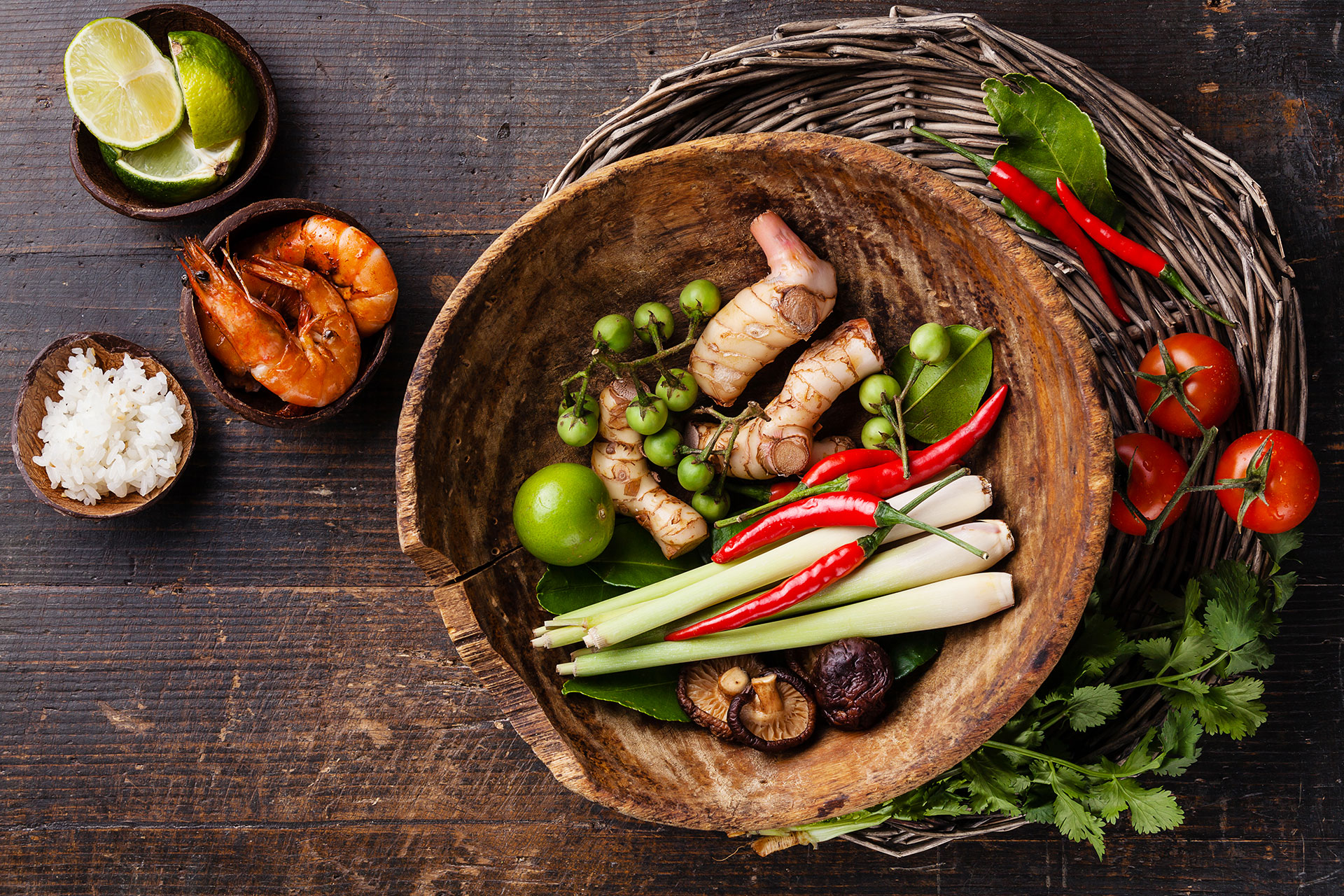
Cooking Asian meals at home allows you to explore a vast spectrum of flavors, techniques, and regional traditions that range from quick stir-fries to slow-simmered braises. By stocking essential pantry staples—such as soy sauce, ginger, garlic, toasted sesame oil, and rice—you can recreate authentic, restaurant-quality dishes in your own kitchen while maintaining control over ingredient quality and portion sizes.
Understanding the Pillars of Asian Cuisine
The term "Asian cuisine" covers an immense geographic area, including East, Southeast, and South Asian traditions. While the flavor profiles vary significantly between countries like Japan, Thailand, Vietnam, and China, many home-cooked dishes share common foundational elements. Understanding these pillars helps you troubleshoot recipes and improvise when you lack a specific ingredient.
At the core of many of these cuisines is the balance of five fundamental tastes: sweet, sour, salty, bitter, and umami. For instance, Thai cooking famously balances the heat of chili with the sourness of lime, the saltiness of fish sauce, and the sweetness of palm sugar. Conversely, Japanese cooking often focuses on umami—a savory depth derived from ingredients like dashi (kelp and bonito broth), miso, and soy sauce—often preferring to highlight the natural flavor of high-quality seasonal produce.
Essential Pantry Requirements
Before attempting to cook a wide variety of Asian meals, you should build a versatile pantry. This eliminates the need to run to the store for every new recipe and ensures you can prepare a meal whenever inspiration strikes.
- Aromatics: Fresh ginger, garlic, scallions, and shallots are the flavor base for thousands of stir-fries and soups.
- Sauces and Seasonings: High-quality light soy sauce (for saltiness) and dark soy sauce (for color), oyster sauce (for body and umami), rice vinegar, toasted sesame oil, and chili oil.
- Proteins: Tofu, shrimp, thinly sliced beef or pork, and chicken are staples. Eggs are also crucial for thickening sauces or adding protein to fried rice and noodle dishes.
- Grains and Noodles: Jasmine rice for Southeast Asian dishes, short-grain rice for Japanese and Korean meals, and various dried noodles like vermicelli, udon, or rice sticks.
Choosing Your First Asian Recipes
If you are new to cooking Asian meals, start by categorizing them into manageable techniques. Stir-frying is the most common entry point because it is fast and requires minimal equipment. Steaming and braising are excellent secondary skills to learn for more complex, tender textures.
The Quick Stir-Fry
The stir-fry is a high-heat cooking technique designed to preserve the crisp texture and bright color of vegetables. The key to a successful stir-fry is "mise en place," or "everything in its place." Because the cooking process occurs over a matter of minutes, you must have all your ingredients chopped, measured, and sitting by the stove before you turn on the heat.
- Heat the wok or skillet: Use a pan with high heat tolerance. A carbon steel wok is traditional, but a heavy-bottomed stainless steel pan works well.
- Oil: Use an oil with a high smoke point, such as grapeseed or peanut oil.
- Protein first: Sear your protein and remove it from the pan to prevent overcooking while you cook the vegetables.
- Vegetable batching: Cook harder vegetables (like carrots or broccoli) before softer ones (like leafy greens).
- Toss: Return the protein to the pan, add your pre-mixed sauce, and toss everything together until the sauce coats the ingredients.
The Art of the Braise
Braised dishes, such as Chinese Red Braised Pork (Hong Shao Rou) or Japanese Nikujaga (meat and potatoes), require patience. Unlike the stir-fry, the goal here is to break down tough connective tissues in meat through long, slow simmering in a flavorful liquid. These meals are often better the next day, as the flavors have more time to penetrate the protein and aromatics.
Comparative Guide to Asian Cooking Techniques
| Technique | Primary Goal | Heat Level | Common Ingredients |
|---|---|---|---|
| Stir-Frying | Retain crunch and color | Very High | Broccoli, snap peas, sliced proteins |
| Steaming | Preserve delicate nutrients | Low-Medium | Fish, dim sum, bao buns |
| Braising | Achieve tender texture | Low | Pork belly, root vegetables, soy broth |
| Deep Frying | Create crispy exterior | High | Tempura, spring rolls, katsu |
Managing Ingredient Substitutions
One common challenge for home cooks is sourcing specific regional ingredients. While authentic ingredients are preferred, modern markets make it easier to find most items; however, knowing how to substitute effectively is a hallmark of a seasoned cook.
- Fish Sauce: If you are sensitive to its pungent smell, you can often substitute a mixture of light soy sauce and a splash of lime juice for acidity, though you will lose the specific umami profile.
- Mirin: If a recipe calls for mirin (a sweet Japanese rice wine) and you only have access to standard pantry staples, a mix of sugar and white wine can provide a similar balance, though it lacks the complexity of fermented rice.
- Chili Paste: If you lack Gochujang (Korean chili paste) or Sambal Oelek (Indonesian chili paste), a mixture of chili flakes, garlic, and a small amount of sugar can replicate the profile in a pinch.
Avoiding Common Mistakes
Many home cooks struggle when they first attempt Asian cooking because they underestimate the importance of moisture control and heat management.
1. Crowding the Pan: This is the most common mistake in stir-frying. If you put too much food in the pan at once, the temperature drops rapidly and the ingredients begin to steam rather than sear. This results in soggy vegetables and pale, rubbery meat. Cook in batches if your pan is not large enough.
2. Adding Sauce Too Early: If you add a sugar-heavy sauce (such as teriyaki) to a hot pan at the beginning, the sugars will burn before the food is cooked. Always add sauces toward the final minute of cooking.
3. Ignoring Rice Quality: Rice is the vessel for the meal. Rinsing your rice thoroughly until the water runs clear is mandatory for achieving the correct texture. Rinsing removes excess surface starch, which prevents the rice from becoming gummy or overly sticky when cooked.
Safety and Professional Advice
When cooking with high heat, particularly when working with hot oil in a wok, prioritize safety. Always keep a lid nearby to smother potential flare-ups—never use water on an oil fire. Additionally, ensure your kitchen is well-ventilated, as high-heat stir-frying can produce significant smoke.
If you are cooking for guests with allergies, note that many Asian recipes rely heavily on peanuts, shellfish (in sauces), and gluten (in traditional soy sauce). Always read the labels on pre-bottled sauces, as manufacturers often update their formulas to include fillers or allergens. If you are preparing food for someone with a severe food allergy, prioritize cross-contamination prevention by using clean utensils and dedicated cookware.
Frequently Asked Questions
What is the best type of oil for Asian cooking? The best oils are those with a high smoke point and neutral flavor, such as grapeseed, peanut, or avocado oil. Avoid extra virgin olive oil, as its low smoke point causes it to burn and turn bitter when stir-frying over high heat.
Do I need a wok to cook Asian meals? While a carbon steel wok is ideal because of its shape and heat distribution, it is not strictly necessary. A flat-bottomed stainless steel skillet or cast-iron pan is perfectly capable of producing excellent results, provided you cook in smaller batches to avoid lowering the pan temperature.
How can I achieve the "wok hei" flavor at home? "Wok hei," or the "breath of the wok," is the smoky, charred aroma achieved by cooking over an open flame at extremely high temperatures. Achieving this at home is difficult with standard residential stoves. You can approximate it by ensuring your pan is smoking hot before adding ingredients and by working in small batches to maintain that heat.
Are there gluten-free alternatives to soy sauce? Yes. Tamari is a traditional Japanese style of soy sauce that is typically gluten-free, though you should always check the label to ensure it was processed in a gluten-free facility. Coconut aminos are another popular substitute that offers a lower-sodium, soy-free, and gluten-free profile.
How do I store fresh ginger and garlic for long-term use? To keep ginger fresh, store it in an airtight container or a sealed bag in the refrigerator; it can also be frozen and grated directly while still cold. Garlic should be stored in a cool, dark, and well-ventilated place away from moisture to prevent sprouting.
Final Recommendation
To begin your journey into Asian cooking, start by mastering a simple stir-fry. Choose one protein, two vegetables, and a basic sauce made from soy sauce, a dash of vinegar, and a hint of sugar. Once you feel comfortable with the high-heat timing, you can begin to branch out into more complex dishes like braises or steamed proteins. Practice consistent heat management and proper prep work, and you will find that restaurant-quality Asian meals are well within your reach.